
15.2.3 Maintain and Extend Current Ecosystems' Biodiversity
UNS’s Direct Actions to Conserve and Restore Ecosystems and Biodiversity
Universitas Sebelas Maret (UNS) demonstrates its institutional commitment to maintaining and extending existing ecosystems and their biodiversity through direct conservation actions, sustainable forest management, and ecosystem restoration initiatives. In 2025, UNS implemented activities that focused on protecting existing natural habitats, conserving plant species, restoring coastal vegetation, and supporting biodiversity conservation in protected areas.
Through its faculties, research groups, and institutional environmental management programs, UNS works directly to maintain existing ecosystems and expand biodiversity, including protecting plants and animals and conserving threatened ecosystems. These initiatives contribute to SDG 15 (Life on Land) by supporting terrestrial and coastal ecosystem conservation, protecting biodiversity, and promoting the sustainable management of natural habitats.
Evidence of Direct Ecosystem Conservation and Biodiversity Protection
The following initiatives demonstrate how UNS translates its institutional commitment into direct actions to maintain and extend existing ecosystems and their biodiversity.
1. Sonokeling Conservation through Germplasm Nursery Development
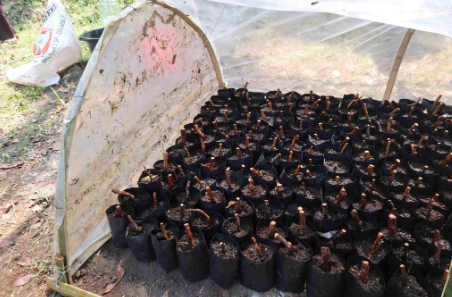
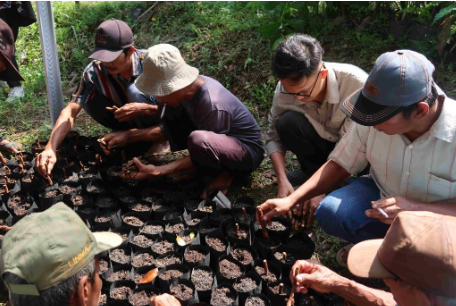
In 2025, UNS carried out a direct conservation initiative by developing a germplasm nursery for Sonokeling (Dalbergia latifolia) at the Gunung Bromo Special Purpose Forest Area (KHDTK), Karanganyar. The initiative was implemented by an UNS research group in collaboration with the Putri Serang Forest Farmers Group (KTH). It focused on maintaining the availability of this valuable forest tree species through practical conservation and community engagement.
The activities included establishing a nursery, providing conservation education, and training participants in root-cutting plant propagation techniques. By developing facilities and practical skills to produce new seedlings, UNS worked directly to maintain and expand the presence of Sonokeling within the existing forest ecosystem. This initiative also supports the conservation of plant genetic resources and promotes the sustainable management of forest biodiversity. Sonokeling is listed in Appendix II of CITES, highlighting the importance of responsible management and conservation.
Through this initiative, UNS contributes to SDG 15 by supporting plant conservation, strengthening local participation in biodiversity protection, and promoting the sustainable use of forest resources.
Reference: Sonokeling Germplasm Nursery Development for Plant Conservation – Faculty of Agriculture UNS (2025)
2. Sustainable Ecosystem Management of the Gunung Bromo Special Purpose Forest Area (KHDTK)
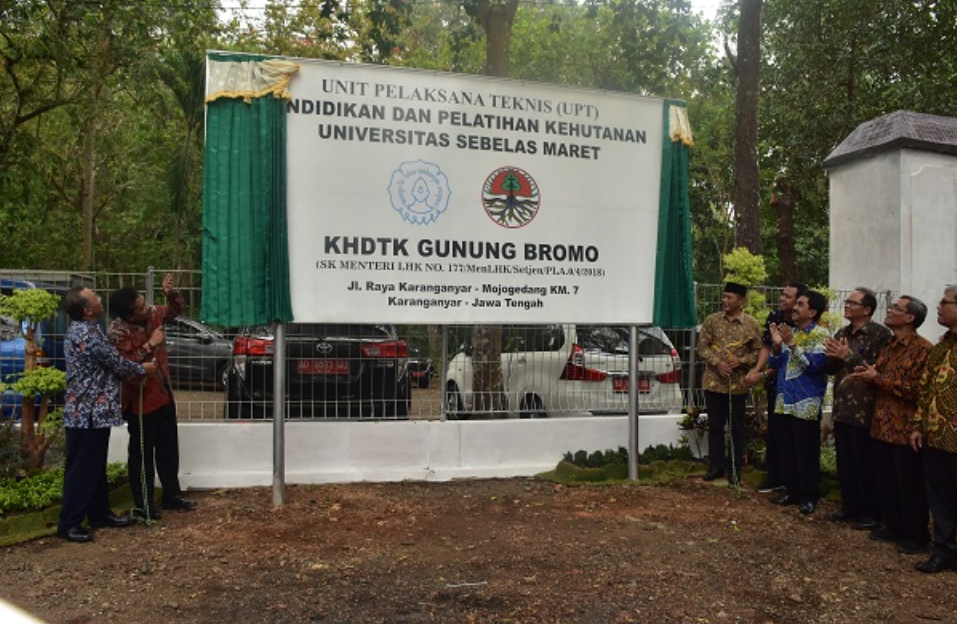
UNS directly manages the Gunung Bromo Special Purpose Forest Area (KHDTK) in Karanganyar as part of its institutional responsibility for forest conservation, education, and research. The university’s management framework is established through Rector Regulation No. 20 of 2023 on the Management of the Gunung Bromo Special Purpose Forest Area. This provides an institutional basis for maintaining existing forest ecosystems and protecting their biodiversity through sustainable management practices.
The management activities include ecosystem monitoring, forest protection, vegetation restoration through reforestation, and community education. The forest provides habitat for various plant and animal species, including the Javan Hawk-Eagle (Nisaetus bartelsi), as well as native medicinal plants and forest trees. By taking responsibility for managing and protecting this area, UNS works directly to maintain existing ecosystems and their biodiversity, including the habitats that support both plants and animals. Reforestation and vegetation restoration also help extend the ecological value of the existing forest ecosystem.
Through continued management of KHDTK Gunung Bromo, UNS supports SDG 15 by protecting terrestrial habitats, conserving biodiversity, and promoting sustainable management of forest ecosystems, including habitats important for protected and threatened wildlife.
References: UNS Rector Regulation No. 20 of 2023 on the Management of KHDTK Gunung Bromo
3. Mangrove Restoration at Pantai Baros, Yogyakarta
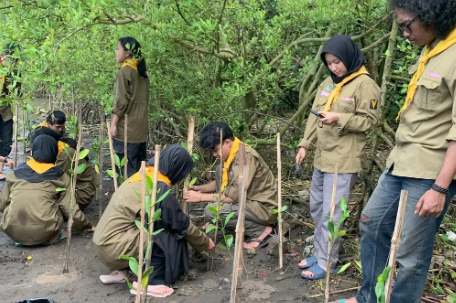
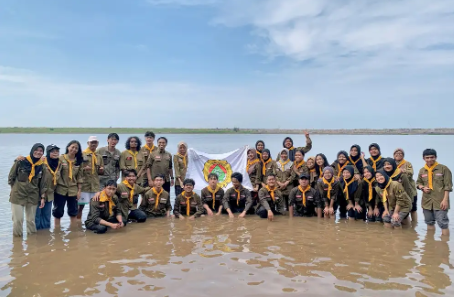
UNS also carried out direct ecosystem restoration through mangrove planting at Pantai Baros, Yogyakarta, in 2025. Vagus, the Nature Lovers Association of the Faculty of Medicine UNS (PMPA Vagus FK UNS), conducted the activity as an environmental conservation initiative. It addressed ecological pressures affecting the coastal environment and recognized the importance of mangrove vegetation in maintaining coastal ecosystem functions.
Through direct mangrove planting, the activity supported efforts to maintain and extend the existing coastal ecosystem. Mangroves play an important role in protecting shorelines, supporting coastal biodiversity, and providing habitats and breeding areas for various aquatic organisms. Therefore, restoring mangrove vegetation contributes not only to maintaining existing plant communities but also to supporting the biodiversity of animals that depend on coastal habitats.
This initiative demonstrates UNS’s direct contribution to SDG 15 through ecosystem restoration, protecting coastal biodiversity, and strengthening the ecological resilience of habitats under environmental pressure.
Reference: Vagus FK UNS Conducts Mangrove Planting at Pantai Baros (2025)
4.Biodiversity Conservation through Collaboration with Mount Merbabu National Park
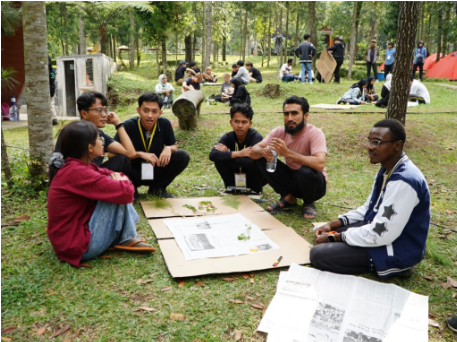
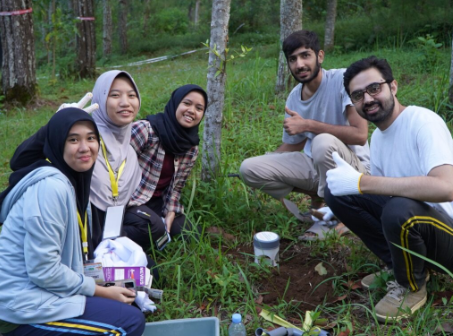
In September 2025, the Faculty of Mathematics and Natural Sciences UNS (FMIPA UNS), in collaboration with the Mount Merbabu National Park Office, organized the international summer course “Uncovering the Charm of Mount Merbabu.” The program involved direct field-based activities in Mount Merbabu National Park, a protected mountain ecosystem with important biodiversity values. It offered opportunities to explore natural habitats, observe endemic flora and fauna, study vegetation, and better understand ecosystem conditions and conservation practices.
Through field observations, biodiversity studies, ecosystem mapping, and scientific discussions with conservation practitioners, UNS contributed directly to efforts to understand and support the maintenance of existing ecosystems and their biodiversity. The activities covered both plant and animal diversity, while the collaboration with the national park authority strengthened the connection between academic research and the management of a protected natural area.
This initiative supports SDG 15 by promoting biodiversity conservation, strengthening scientific understanding of natural habitats, and encouraging collaboration with conservation authorities to support the sustainable management of ecosystems, particularly protected environments that require continuous conservation efforts.
Conclusion
Through these initiatives, UNS demonstrates that its commitment to biodiversity conservation goes beyond environmental awareness and academic activities. The university works directly to maintain and extend existing ecosystems through plant conservation, forest ecosystem management, mangrove restoration, and biodiversity-related field activities in protected areas.
These efforts address different but complementary aspects of ecosystem conservation, from protecting valuable plant species and maintaining forest habitats to restoring coastal vegetation and supporting the conservation of both plants and animals. By combining institutional forest management, practical conservation initiatives, and collaboration with environmental authorities, UNS supports the objectives of SDG 15 and demonstrates its ongoing commitment to protecting biodiversity and maintaining the ecological integrity of natural ecosystems, especially those under environmental pressure.