

SDG 2 In Number
Total food waste (mt)
1,66
Campus population
31,279
Number of graduates
6,213
Number of graduates from agriculture and aquaculture courses including sustainability aspects
1,727
2.3.2 Students Hunger Interventions
Universitas Sebelas Maret’s Interventions to Prevent and Alleviate Student Hunger
Universitas Sebelas Maret (UNS) demonstrates its institutional commitment to Sustainable Development Goal (SDG) 2: Zero Hunger by implementing various interventions to prevent and alleviate student hunger. Through the University Zakat Collection Unit (UPZ UNS), the university library, campus mosques, and other university units, UNS implements food assistance programs that improve students’ access to free meals and essential food supplies. These initiatives are particularly important for students facing financial difficulties or limited access to adequate food.
UNS’s interventions include free meals, regular food distribution, access to a campus food bank, and food-sharing initiatives. Through these programs, the university seeks to ensure that students can access food to meet their basic needs while fostering an inclusive and supportive campus environment. The following initiatives demonstrate UNS’s efforts to prevent and alleviate student hunger.
1. UNS Food Bank: Ensuring Access to Essential Food Supplies for Students
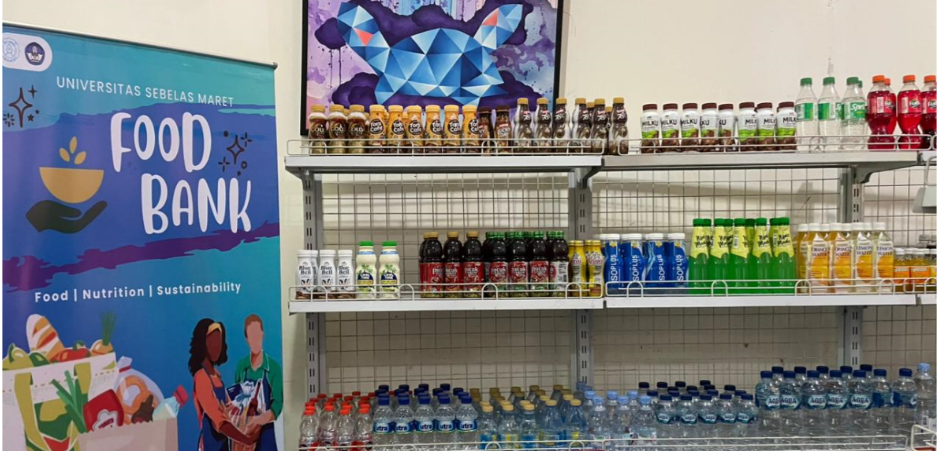
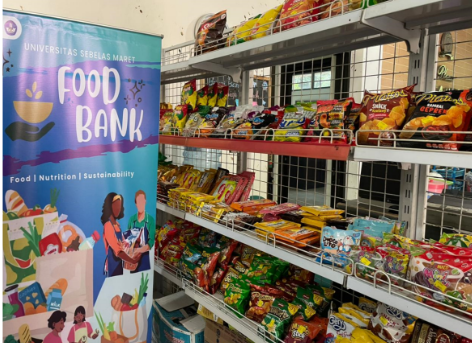
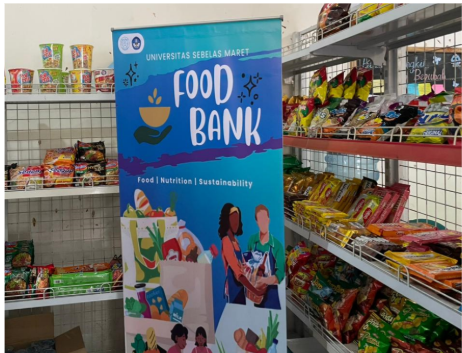
UNS operates a Food Bank program that serves as an on-campus food pantry, providing students with essential food supplies, including snacks, instant noodles, dairy products, and beverages. The program is intended to support students from financially vulnerable backgrounds and those living away from their families who may struggle to meet their daily food needs.
By making food supplies accessible within the university, the UNS Food Bank provides a practical intervention to alleviate student hunger and improve food accessibility. This initiative shows institutional support for students experiencing food insecurity by ensuring they can access basic food supplies within their learning environment. Through this program, UNS contributes to SDG 2: Zero Hunger by addressing students’ immediate food needs
2. Jumat Berkah: Regular Free Meal Distribution for Students


Through UPZ UNS, the university organizes Jumat Berkah, a regular food assistance program held at several campus mosques, including Nurul Huda Mosque and the FMIPA Mosque. Every Friday, free meal packages are distributed following Friday prayers to students and other members of the surrounding community, particularly those in need.
This program provides direct access to food through regular meal distribution, helping prevent and alleviate hunger among students facing financial constraints. Students can also volunteer in food preparation and distribution, fostering social responsibility, empathy, and the spirit of gotong royong (mutual cooperation). Through this recurring intervention, UNS strengthens food accessibility within the campus community and supports SDG 2: Zero Hunger.
3. Free Iftar and Sahur Meals during Ramadan
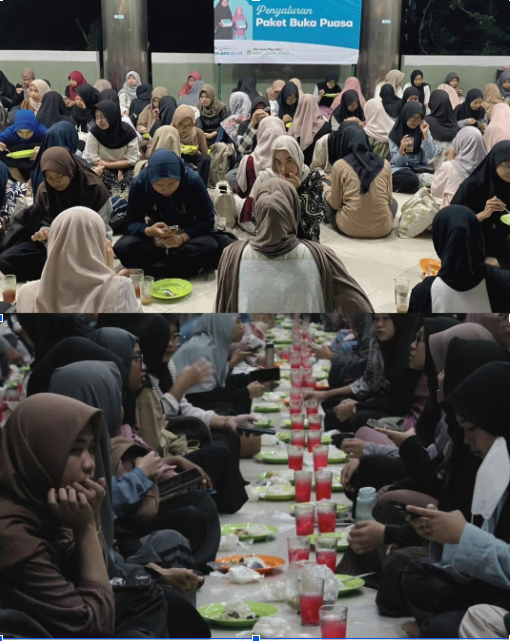
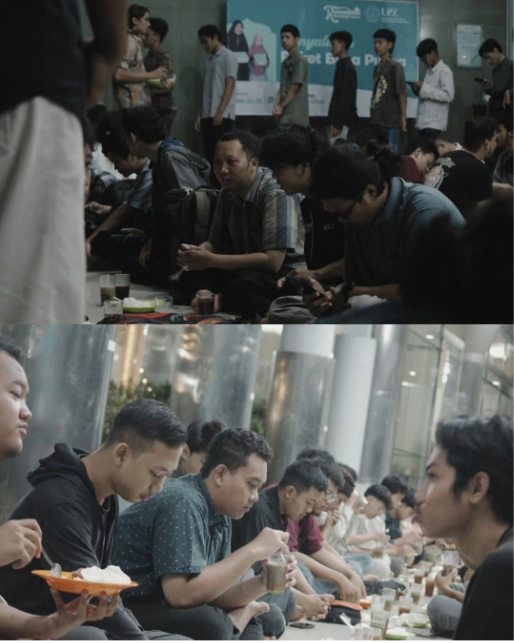
UNS provides free iftar (breaking-of-fast) and sahur meals during Ramadan through collaboration between UPZ UNS and Nurul Huda Mosque. This initiative provides direct food assistance, ensuring students and other beneficiaries have access to meals during the fasting month.
In Ramadan 1445 H (2024), the program provided 500 free meal packages daily for 30 days, totaling 15,000 meals for beneficiaries. In addition, UPZ UNS reported distributing 2,900 iftar packages during the first week of Ramadan to Nurul Huda Mosque and several locations across Surakarta.
The initiative continued in Ramadan 1446 H (2025). According to UPZ UNS’s March 2025 monthly report, the program distributed 11,615 iftar meals and 1,434 sahur meals to beneficiaries at Nurul Huda Mosque.
By providing free meals throughout Ramadan, UNS implements concrete interventions to alleviate hunger and ensure access to food for students and other beneficiaries, particularly those who may need additional food assistance. Program ini mendukung upaya universitas untuk memajukan SDG 2: Zero Hunger.
UPZ UNS, Distribution of Iftar Meals at Nurul Huda Mosque, March 2025
4. Angkringan Pustaka UNS: Providing Free Food for Students through a Literacy Program


The UNS Library initiated Angkringan Pustaka, a monthly program held on the last Friday of each month since 2016, primarily targeting UNS students. The program combines literacy activities with free access to traditional Indonesian snacks and beverages (jajanan pasar), providing students with refreshments while encouraging reading, learning, and social interaction.
Library staff provide the food through voluntary contributions, allowing students to enjoy complimentary snacks and drinks while visiting the library. Alongside food sharing, the program offers various reading materials, including novels, biographies, and self-development books, creating a welcoming space for students to relax, read, and interact.
By providing free food directly to students through a recurring campus initiative, Angkringan Pustaka serves as an additional intervention to improve food accessibility and alleviate hunger among students. It also demonstrates how UNS integrates food assistance into its educational environment, reinforcing its commitment to SDG 2: Zero Hunger.
Source: https://library.uns.ac.id/perpustakaan-uns-meluncurkan-angkringan-pustaka-uns/
Conclusion
Through its UNS Food Bank, Jumat Berkah, Ramadan meal distribution, and Angkringan Pustaka programs, Universitas Sebelas Maret provides various interventions to prevent and alleviate hunger among students and the wider community. These initiatives provide practical access to food through free meals, food bank supplies, and regular food distribution. By mobilizing university units, campus mosques, library staff, donors, and student volunteers, UNS demonstrates its institutional role in addressing food insecurity and supporting student welfare. These sustained efforts contribute directly to SDG 2: Zero Hunger by improving food access and helping ensure students can meet their basic food needs.