

SDG 7 In Number
Total energy used (GJ)
19,141
University floor space (m²)
523,299
Total energy used from low-carbon sources (GJ)
9,413
7.4.3 Energy Efficiency Services for Industry
Supporting Local Industry Through Energy Efficiency and Clean Energy Solutions
Universitas Sebelas Maret (UNS) supports local and national industries by providing technical training, applied research, and capacity-building activities related to energy efficiency and clean energy. Through collaboration with manufacturing companies, local businesses, and energy-sector organizations, UNS helps industry partners explore renewable energy options, improve technical knowledge, and adopt more sustainable technologies. These services connect university research and expertise with practical industrial needs, supporting the achievement of Sustainable Development Goal (SDG) 7: Affordable and Clean Energy.
UNS delivers these contributions through direct engagement with industry partners and community-based enterprises. The following activities show how the university provides relevant training, research-based solutions, and technical assistance to support the transition to more efficient, cleaner energy use.
1. Technical Training on Electrical Energy Storage for Toyota Motor Manufacturing Indonesia (TMMIN)
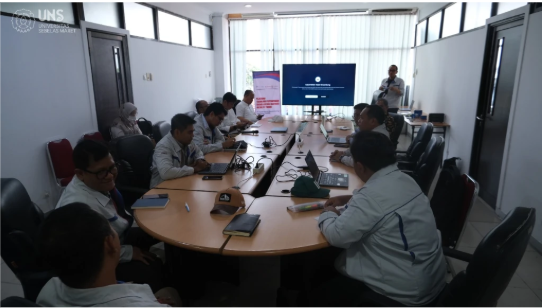
From November 3–6, 2025, Universitas Sebelas Maret, through its Center of Excellence for Electrical Energy Storage Technology (PUI TPEL), provided specialized technical training for PT Toyota Motor Manufacturing Indonesia (TMMIN) employees. The training covered energy storage technology, Battery Management Systems (BMS), battery safety, and practical battery handling and maintenance. By delivering technical knowledge and hands-on learning directly to a manufacturing company, UNS supported industrial capacity-building in clean energy technologies and energy storage systems.
This activity directly serves industry through specialized training tailored to a manufacturing partner’s technical needs. Energy storage technology can support more efficient energy management and integrate renewable energy into industrial operations. Through this initiative, UNS supports the development and adoption of clean energy solutions in the manufacturing sector, aligned with SDG 7.
Reference: UNS – TMMIN Participates in Electrical Energy Storage Training at PUI TPEL UNS
2. Biogas Reactor Installation for the Tofu Processing Industry in Boyolali
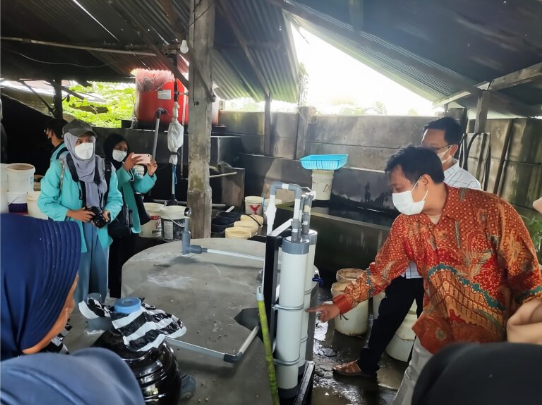
On September 20, 2025, the Solid State Chemistry and Catalyst (SSC) Research Group of the Faculty of Mathematics and Natural Sciences, UNS, implemented a renewable energy solution for the local tofu processing industry in Donohudan Village, Ngemplak, Boyolali. The team developed and installed a double-tank biogas reactor that converts liquid tofu-processing waste into biogas through anaerobic fermentation. This applied research provided local producers with a practical renewable energy option while addressing environmental problems associated with industrial wastewater.
The initiative demonstrates how UNS provides direct technical assistance and research-based services to local industry by introducing clean energy technology that transforms production waste into a useful energy resource. The installation supports adopting renewable energy options, improves waste management, and creates opportunities for more sustainable production practices. By connecting scientific research with local enterprises’ operational needs, UNS helps expand access to affordable, clean energy in the local industrial sector, supporting SDG 7.
References:
3. Green Industry Transformation Training in Collaboration with IESR and UNDIP
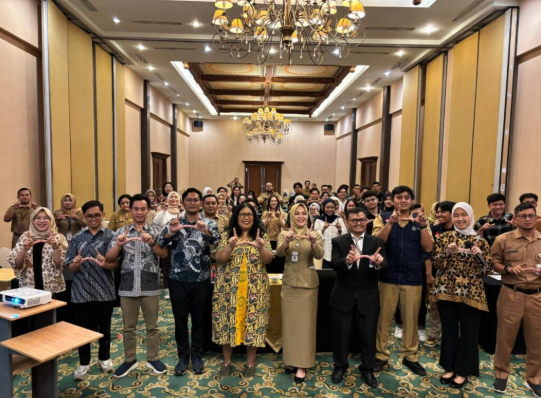
On September 22–24, 2025, UNS collaborated with the Institute for Essential Services Reform (IESR) and Universitas Diponegoro (UNDIP) to organize training for green industry transformation facilitators in Central Java. Held in Surakarta, the program aimed to strengthen local facilitators’ capacity to support small and medium industries in adopting low-carbon technologies, improving production practices, and implementing sustainable industrial principles. The training also addressed industrial readiness and strategies to support the Green Industry Certification process.
Through this collaborative capacity-building program, UNS helped transfer knowledge and practical approaches to help local industries identify opportunities to improve energy efficiency and adopt cleaner production technologies. By strengthening industry facilitators’ skills, the initiative extends technical support to a wider network of small and medium enterprises. This engagement demonstrates UNS’s contribution to promoting energy efficiency, low-carbon industrial development, and broader adoption of clean energy practices, supporting SDG 7.
Conclusion
Through these initiatives, Universitas Sebelas Maret demonstrates its commitment to providing industry-oriented services that support energy efficiency and clean energy adoption. The university combines specialized technical training for manufacturing companies, applied research and implementation of renewable energy technologies for local industries, and capacity-building programs that strengthen industry facilitators’ ability to promote low-carbon production.
These activities show how UNS translates academic expertise into practical services for industry partners, helping them explore renewable energy options, improve technical capabilities, and move toward more sustainable operations. By strengthening the connection between higher education, research, and industrial practice, UNS advances affordable and clean energy and supports the broader objectives of SDG 7.