
15.2.4 Educational Programmes on Ecosystems
Ecosystem Education and Community Engagement for Biodiversity Conservation
Universitas Sebelas Maret (UNS) supports ecosystem education and biodiversity conservation through educational programs, community engagement, and collaborative learning activities. These initiatives give students and local communities opportunities to build knowledge and practical skills related to natural ecosystems, especially the conservation of wild flora and fauna.
Through field-based learning, environmental education, and community participation, UNS helps raise awareness of biodiversity and promotes responsible management of terrestrial ecosystems. These activities support SDG 15 (Life on Land) by encouraging education, public participation, and conservation efforts to protect terrestrial biodiversity.
1. Summer Course: “Uncovering the Charm of Mount Merbabu”
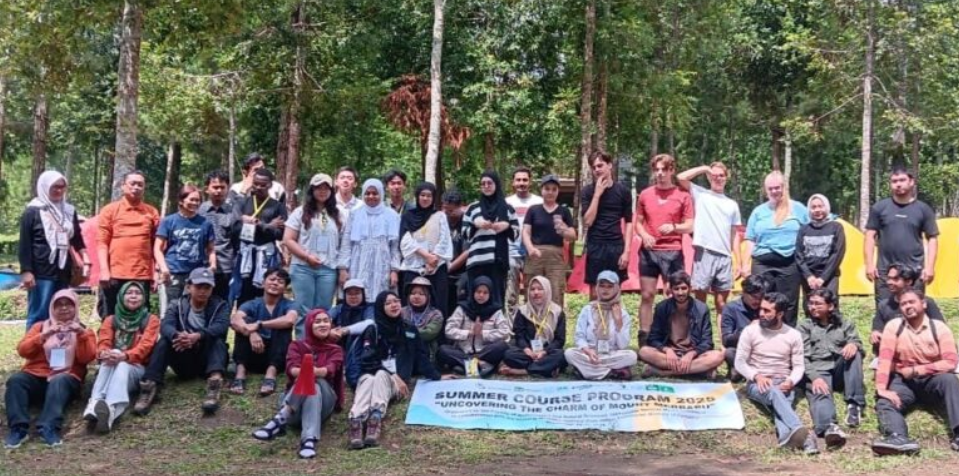
In September 2025, the Faculty of Mathematics and Natural Sciences (FMIPA) of UNS, in collaboration with the Mount Merbabu National Park Authority (TNGMb), organized a three-day summer course entitled “Uncovering the Charm of Mount Merbabu.” This program provided education on ecosystems, combining classroom learning with field experiences to introduce participants to terrestrial ecosystems and biodiversity conservation.
The program included ecosystem exploration in Mount Merbabu National Park, observation of endemic wild flora and fauna, vegetation studies, biodiversity assessments, and ecosystem mapping. Participants also attended lectures and interactive discussions delivered by researchers and conservation practitioners. These activities provided practical learning opportunities to understand natural ecosystems, biodiversity, and the importance of protecting native species and their habitats.
The program involved students and academics from Indonesia and several other countries, including the Netherlands, Pakistan, Nigeria, Bangladesh, and Turkmenistan. By providing a free educational program that combines scientific knowledge with field-based learning, UNS helped expand ecosystem awareness within national and international academic communities. This initiative supports SDG 15 by promoting biodiversity education and strengthening understanding of terrestrial ecosystem conservation.
Reference: FMIPA UNS – Summer Course “Uncovering the Charm of Mount Merbabu” (September 25, 2025)
2. KKN Kebangsaan 2025 – Butterfly Conservation in Jenetaesa Village
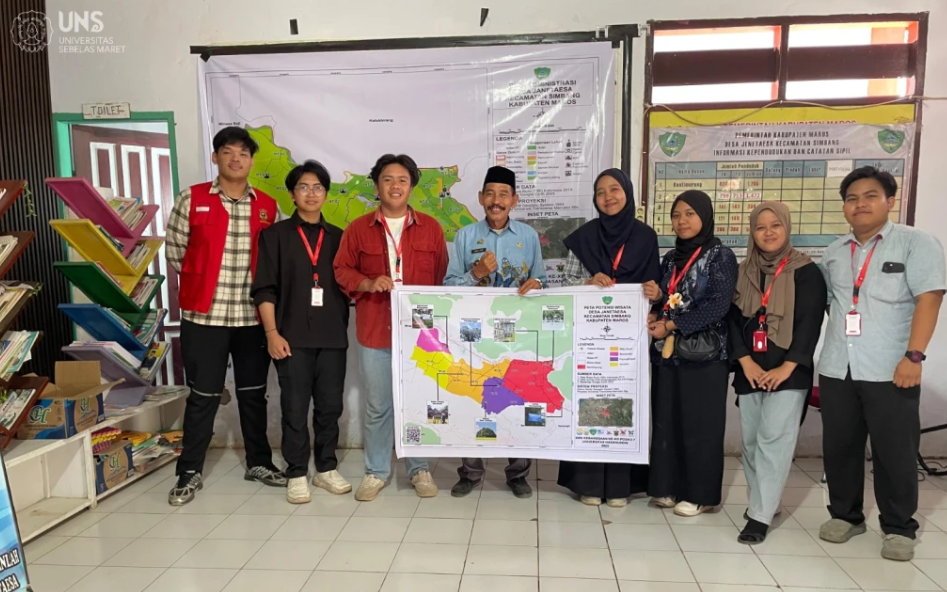
In July 2025, UNS students participated in the KKN Kebangsaan 2025 community service program, which was organized by Hasanuddin University and involved students from 99 universities across Indonesia. In Jenetaesa Village, Maros Regency, South Sulawesi, the participating students contributed to a butterfly conservation initiative that combined environmental education with community-based conservation activities.
The program established a “Butterfly Conservation Team” involving local children and young people. Educational activities introduced the importance of butterfly conservation and the relationship between butterflies and their natural habitats. The initiative also included planting larval host plants to support butterfly development and conservation. Through these activities, local community members gained opportunities to learn about wild fauna, supporting plants, and the ecological relationships that sustain biodiversity.
By involving children and young people in environmental education and practical conservation activities, the initiative encouraged local participation in protecting biodiversity. It shows how community-based learning can build awareness of terrestrial ecosystems and the importance of conserving wild species and their habitats, in line with SDG 15.
Conclusion
Through its educational and community engagement initiatives, UNS contributes to increasing awareness and understanding of terrestrial ecosystems, biodiversity, and wildlife conservation. Together, these initiatives illustrate UNS’s contribution to ecosystem education and biodiversity conservation through academic collaboration and community participation. By connecting scientific knowledge with practical learning and public engagement, UNS supports the objectives of SDG 15 and promotes greater awareness and responsibility for protecting terrestrial ecosystems and biodiversity.