Targeted Mentoring and Academic Support Schemes for Students with Disabilities at UNS
Universitas Sebelas Maret (UNS) implements targeted mentoring and academic support programs to ensure that students with disabilities can fully access, participate in, and succeed in higher education, both academically and socially. Our support system covers financial aid, intensive mentoring, and specialized academic assistance. Coordinated by the Center for Disability Studies (PSD), these programs are designed to provide equal opportunities and personal assistance in academic and campus life.
Inclusive Admissions: The National Disability Affirmation Pathway
To ensure equitable access from the entry stage, UNS implements a specialized admissions scheme, the Disability Affirmation Pathway. This pathway is designed to remove structural barriers and provide fair opportunities for prospective students with disabilities across Indonesia.
The scheme is open to recent graduates (within the last three years) who demonstrate academic capability. The selection process is adapted to ensure accessibility, including the elimination of written entrance exams and their replacement with a supported interview process, where applicants may be accompanied by parents or guardians. Applicants are required to submit supporting documents, including academic transcripts, medical certificates describing the type of disability, and psychological assessment reports.
UNS further strengthens access through national outreach programs conducted by PSD LPPM in collaboration with the Admissions Office (SPMB). These initiatives provide clear information on inclusive admission procedures, available support services, financial assistance schemes, and peer experiences, enabling prospective students to make informed decisions and transition smoothly into university life.
Evidence:
Financial Access Schemes
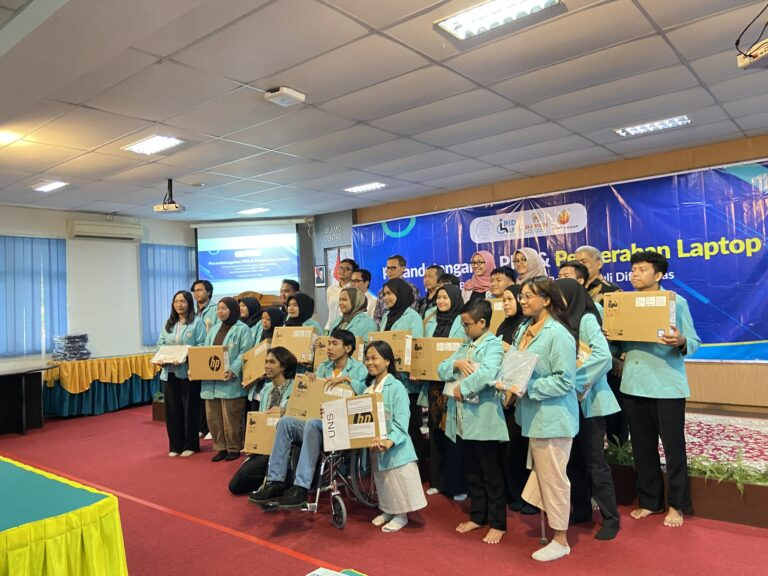
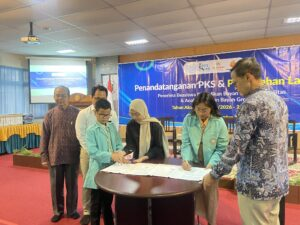
UNS has established a strategic partnership with PT Bayan Resources Tbk to provide the Bayan Peduli Disability Scholarship Program. For the academic period 2025–2029, this targeted financial scheme supports 20 selected students with disabilities from across the university’s faculties.
This scholarship scheme is designed to ensure educational equity by covering tuition fees and providing essential academic tools. As part of the program, each recipient receives a laptop to support their digital learning needs and academic development. This initiative demonstrates a strong synergy between the university and the corporate sector in building an inclusive higher education ecosystem. PSD LPPM UNS plays a vital role in this scheme by providing continuous mentoring to scholars, ensuring they can complete their studies optimally in a supportive, barrier-free environment.
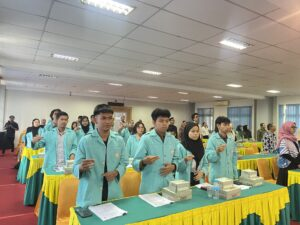
Evidence:
PSD LPPM UNS Promotes Equal Access to Education through the “Bayan Peduli Difabilitas” Scholarship
Peer Mentoring and Volunteer Support
- FORDIS UNS: Peer Mentoring and Daily Academic Assistance
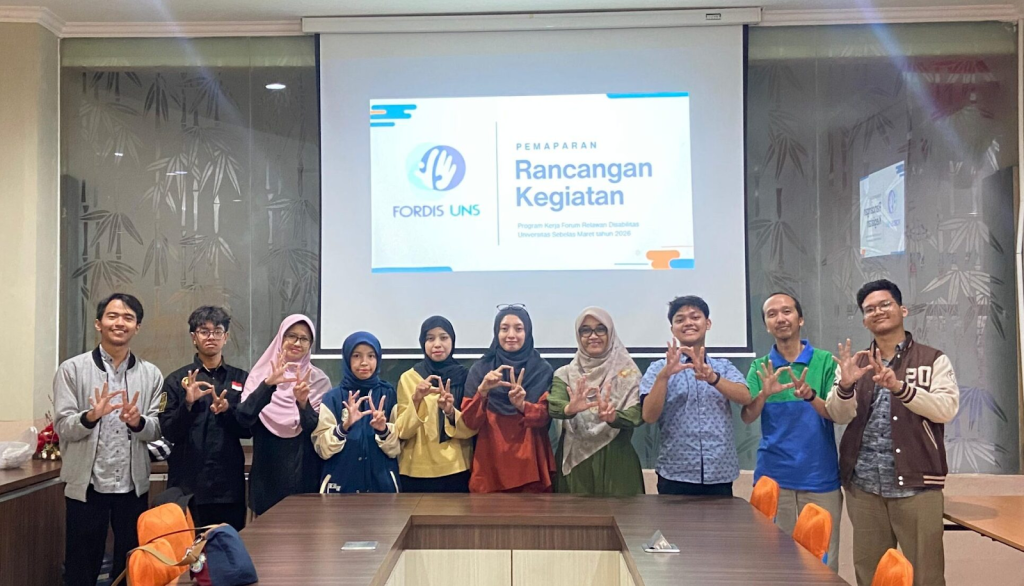
The Disability Student Volunteer Forum (FORDIS UNS) serves as the primary bridge for peer-mentoring and daily support for students with disabilities at UNS. Under the supervision of the Center for Disability Studies (PSD LPPM), FORDIS consists of dozens of trained student volunteers from various faculties who are officially inaugurated annually, including the 2026 cohort, to ensure the sustainability of inclusive services.
Key functions of this targeted support scheme include:
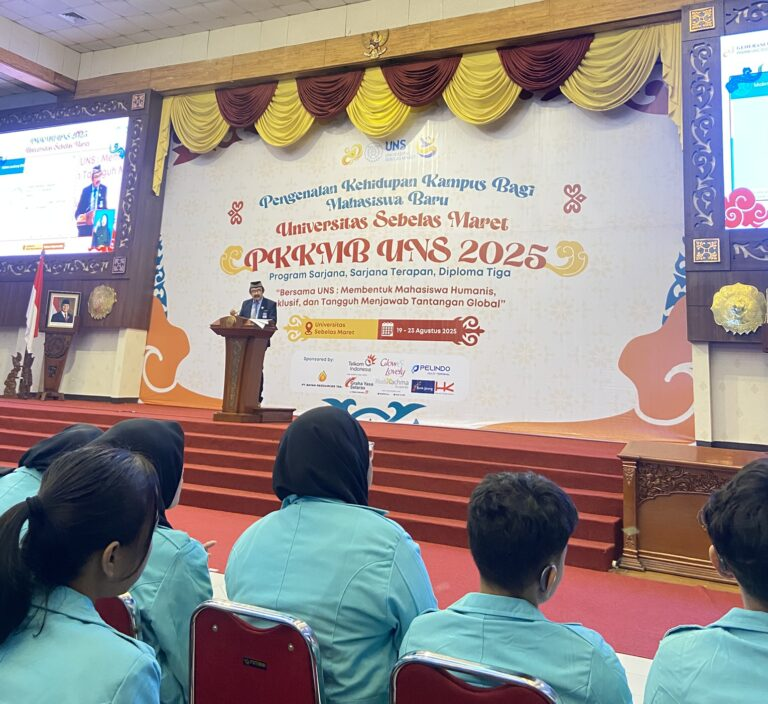
- Initial Transition Support: FORDIS volunteers are deployed during the New Student Orientation (PKKMB) to provide mobility assistance, communication support (including sign language), and orientation for students with diverse needs, including sensory, mobility, and neurodivergent conditions.
- Comprehensive Academic Mentoring: Beyond orientation, FORDIS provides daily assistance in academic activities, ensuring accessible learning environments and helping students with disabilities navigate campus life independently.
- Institutional Empowerment: UNS is currently strengthening FORDIS’s institutional role by transitioning it into a formal Student Activity Unit (UKM). This strategic development aims to expand its impact, increase student participation, and ensure a more structured and sustainable peer-support ecosystem.
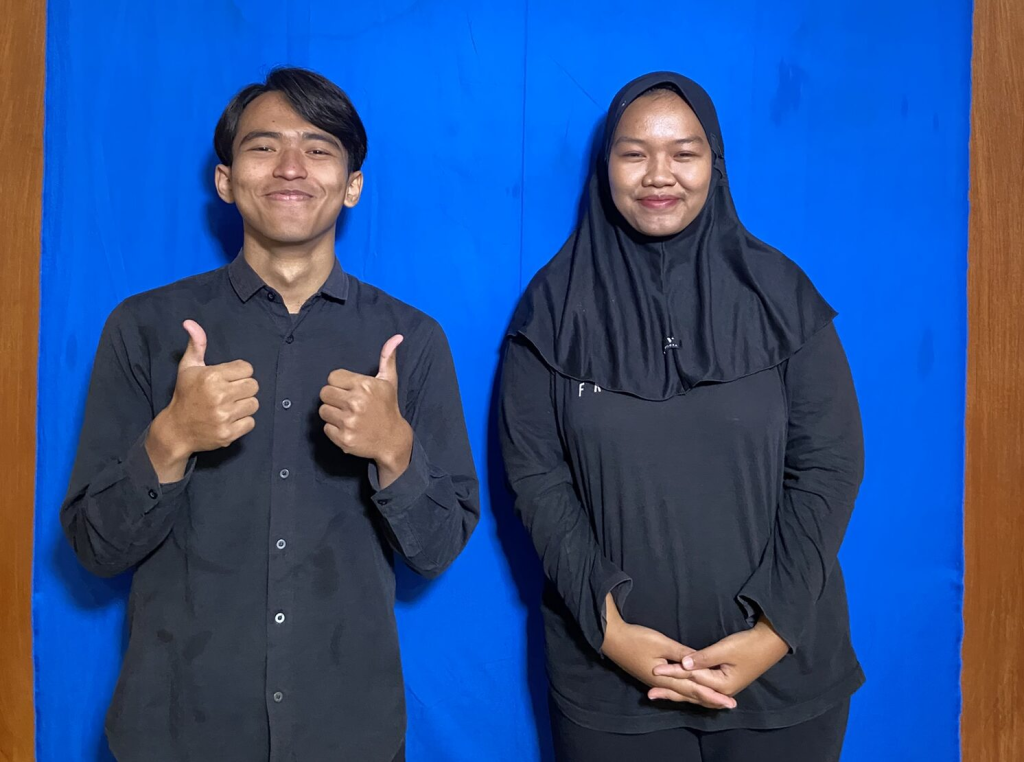
Through specialized training sessions in counseling and disability sensitivity, FORDIS volunteers serve as professional peer mentors, fostering an inclusive culture and ensuring that students with disabilities have equal opportunities to succeed in their academic and social journeys at UNS.
Evidence links:
PSD LPPM UNS Officially Inaugurates the 2026 Disability Student Volunteer Forum (FORDIS UNS)
PSD LPPM UNS Mobilizes FORDIS to Support New Students with Disabilities during UNS PKKMB 2025
PSD LPPM UNS Enhances FORDIS toward an Inclusive Student Organization
- IKAMADIS: Student-Led Peer Support and Empowerment
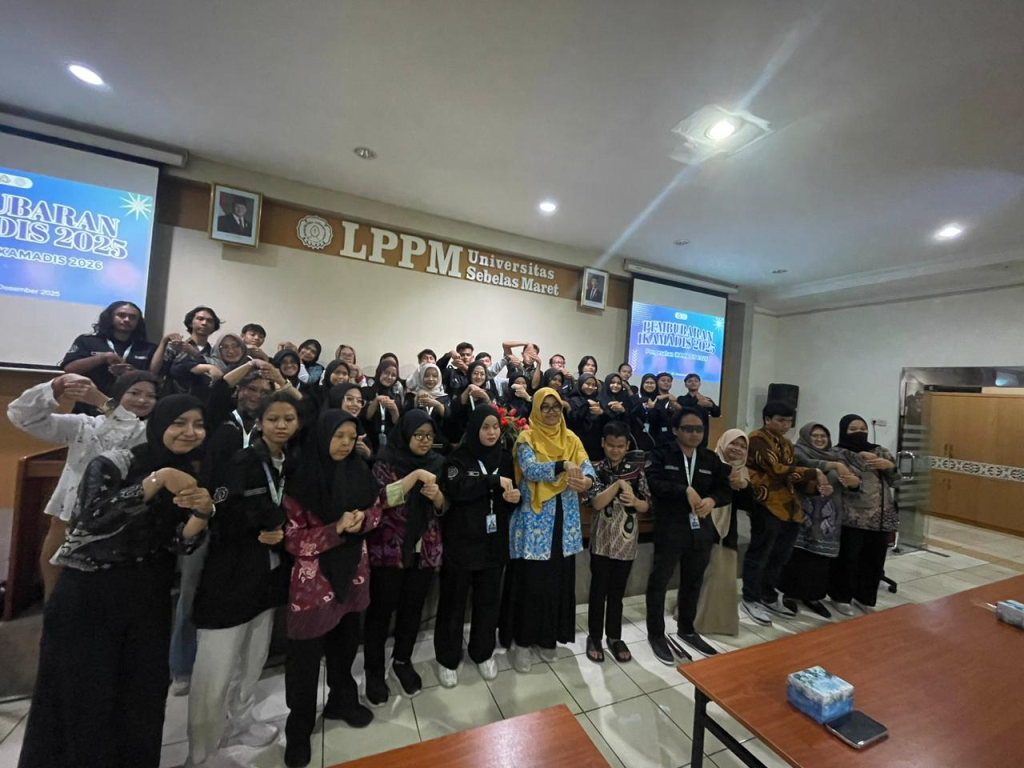
The Disability Student Association (IKAMADIS UNS) is a formal student organization initiated and mentored by the Center for Disability Studies (PSD LPPM UNS). It serves as a strategic platform for advocacy, capacity building, and peer mentoring, led directly by students with various disabilities to ensure representation and inclusive leadership.
Key support schemes provided through IKAMADIS include:
- Transition and Networking: Every academic year, IKAMADIS organizes a Gathering for New Students with Disabilities. This event serves as a safe space for newcomers to connect with senior students across generations, fostering a strong solidarity network and providing first-hand insights into campus life and inclusive services.
- Academic and Non-Academic Mentoring: Through collaboration with PSD staff, IKAMADIS provides targeted information on academic adjustments, inclusive facility access, and academic support procedures. This ensures that new students can adapt quickly to the university’s academic culture.
- Leadership and Empowerment: The organization is managed by students with disabilities, such as the 2026 leadership cohort led by students with hearing and mobility impairments. This structure empowers students to take strategic roles in campus life, voice their needs, and develop leadership skills.
By functioning as a strategic partner to the university, IKAMADIS ensures that students with disabilities are not merely passive recipients of support but are active participants in building a sustainable and inclusive academic ecosystem at UNS.
Evidence links:
PSD LPPM UNS and IKAMADIS Host the 2025 First Gathering for New Students with Disabilities
PSD LPPM UNS Enhances Disability Student Leadership through the Inauguration of IKAMADIS Executive Board
Targeted Academic and Career Mentoring
- Academic Profiling and Readiness Support
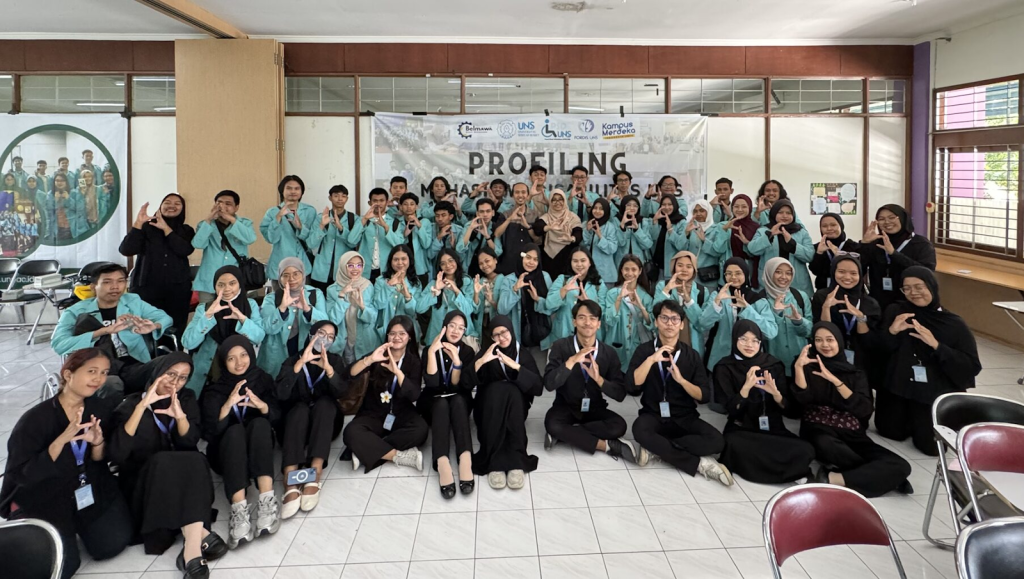
To ensure a smooth transition into higher education, UNS, through PSD LPPM, organizes the “Academic Profiling and University Readiness Strategy” program. This initiative is designed specifically for students with disabilities across all batches to assess their academic, psychological, and social readiness before they fully engage in university life.
During the profiling sessions, a team of experts identifies the specific individual needs, potential, and required learning support for each student. This process is crucial for implementing the principle of “Reasonable Accommodation,” allowing the university to provide personalized academic services and assistive technology recommendations tailored to each student’s unique profile. Additionally, students receive mentoring on effective learning strategies, time management, and understanding their rights and obligations within the campus environment. This sustainable program ensures that every student with disability at UNS has an equal opportunity to achieve academic success and personal empowerment.
Evidence:
- Final Project Mentoring and Completion Support
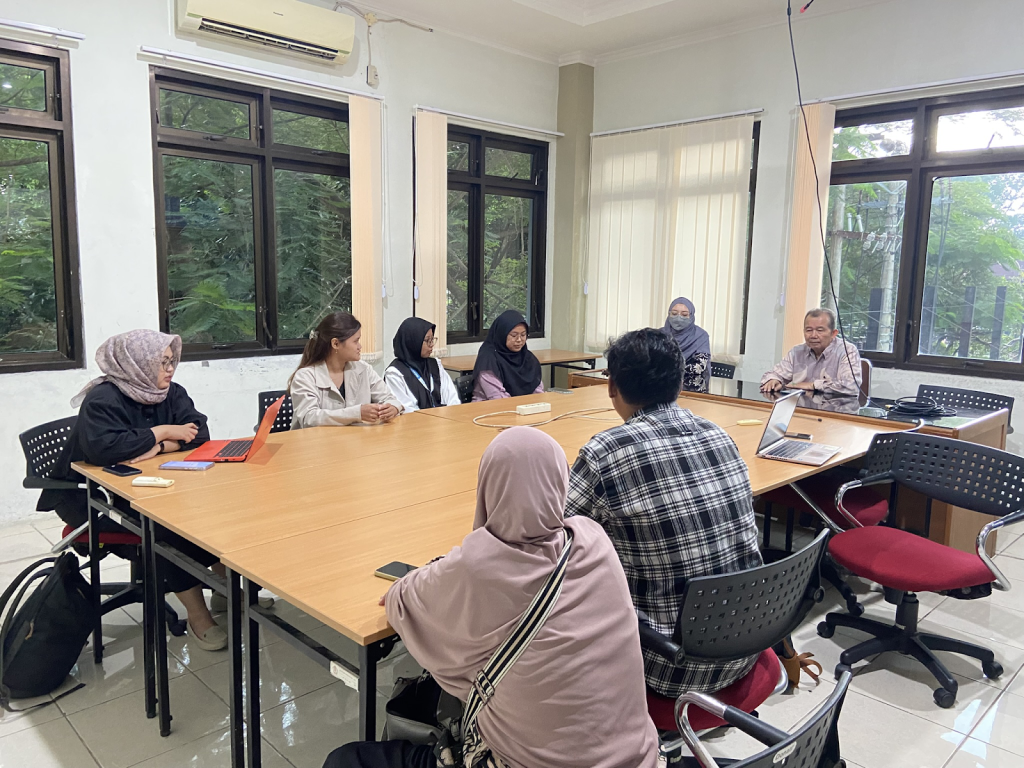
PSD LPPM UNS provides a specialized support scheme to assist students with disabilities in completing their graduation requirements. The “Final Project Assistance Program” is specifically designed to address the unique challenges disabled students face in conducting research and writing their undergraduate or graduate theses.
This targeted mentoring covers essential academic areas, including research proposal strategies, scientific writing techniques, and effective time management. A key feature of this scheme is the one-on-one consultation sessions, where students can discuss technical and non-technical obstacles with academic mentors. By providing this tailored guidance, UNS ensures that students with disabilities can navigate the complexities of their final projects with confidence, meet academic standards, and graduate on time. This initiative reflects the university’s concrete commitment to providing “Reasonable Accommodation” and ensuring that academic success is accessible to every student regardless of their physical or sensory conditions.
Evidence:
Accessibility Support Measures
- Communication Access through Sign Language Services
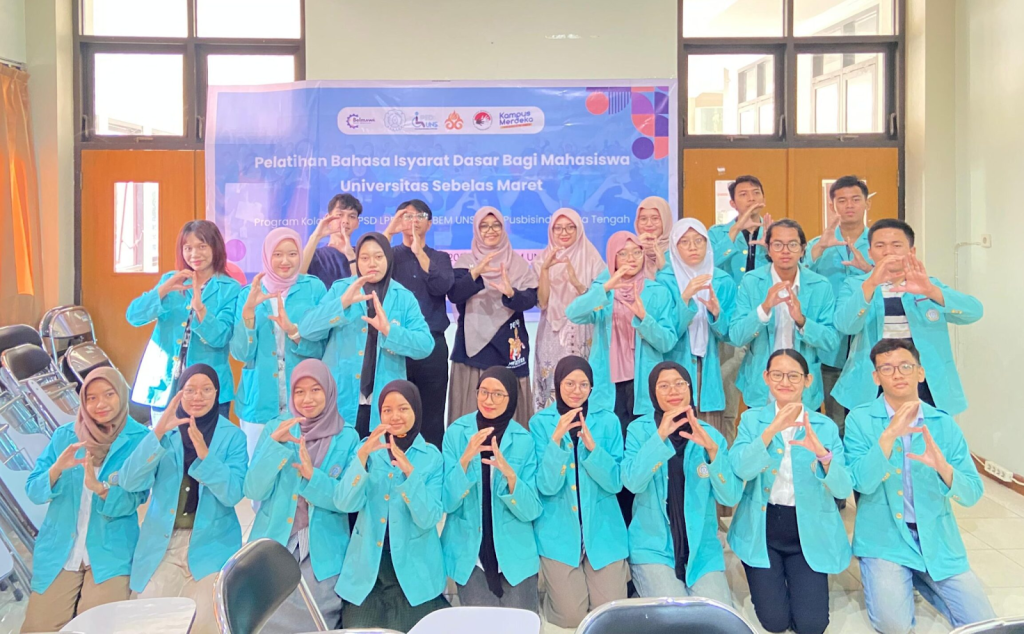
UNS is committed to eliminating communication barriers for the Deaf and hard-of-hearing community through a comprehensive Communication Access Scheme. Managed by PSD LPPM, this initiative ensures that all academic and non-academic information is accessible through professional sign language services and capacity-building programs.
Key highlights of this targeted support include:
- Sign Language Interpreting (JBI) in Major Events: UNS consistently provides Sign Language Interpreters for high-level university events, including the Postgraduate Student Orientation (PKKMB Pascasarjana) 2025 and National Seminars. This service ensures that Deaf students and participants can access academic materials, leadership speeches, and administrative instructions in real-time.
- Digital Accessibility: To expand reach, UNS integrates Sign Language Interpreters into live-streamed events on YouTube, ensuring that national seminars and academic ceremonies are accessible to the broader Deaf community outside the campus.
- Sign Language Training (BISINDO): To create a sustainable, inclusive ecosystem, UNS conducts intensive Indonesian Sign Language (BISINDO) Training for students across various faculties. These trained students are then integrated into the Volunteer Forum (FORDIS UNS) to provide daily communication assistance for Deaf peers.
- Inclusive Cultural Representation: UNS promotes disability awareness through the Sign Language Choir, which performs at major international events like the UNS Cultural Night. These performances demonstrate that artistic expression and campus culture are inclusive of all abilities.
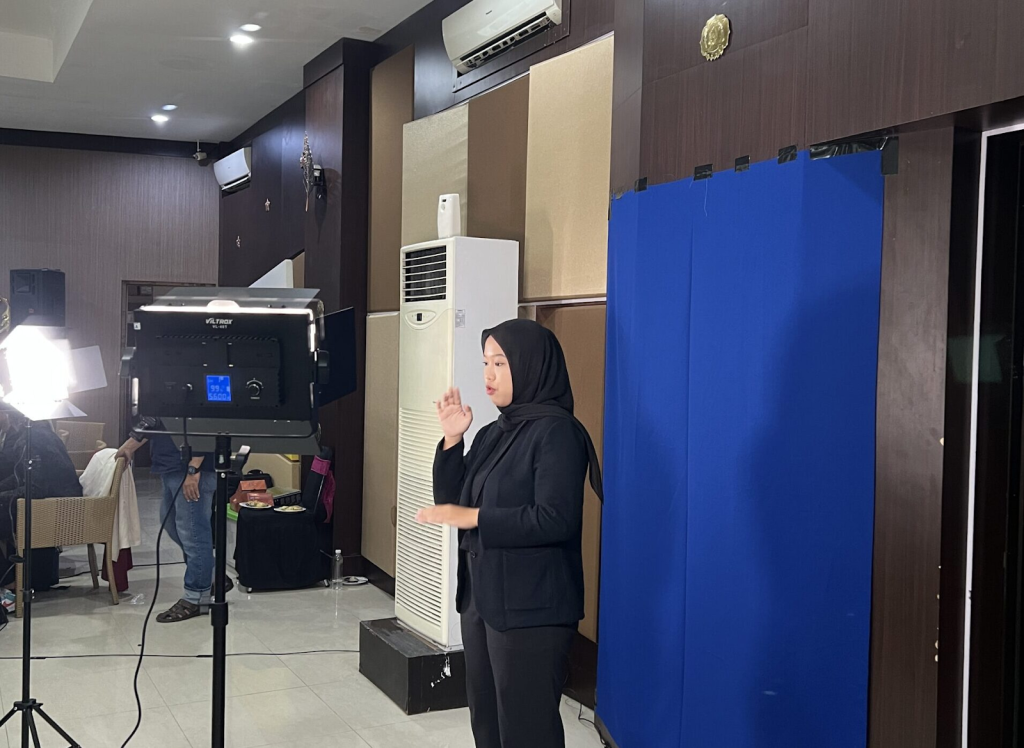
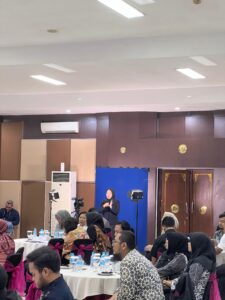
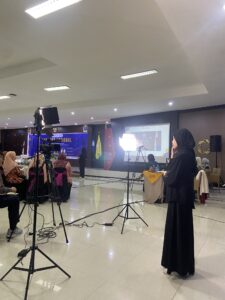
By providing professional interpreters and empowering a new generation of sign-language-literate volunteers, UNS ensures a responsive and humanist academic environment where information is a right accessible to everyone.
Evidence:
PSD LPPM UNS Promotes Disability Awareness through Sign Language Training
PSD LPPM UNS Delivers Sign Language Interpretation Services during the 49th UNS Anniversary National Seminar
PSD LPPM UNS Delivers Sign Language Interpretation Services during the 2025 UNS Postgraduate Orientation (PKKMB)
PSD LPPM UNS Sign Language Choir Performs at UNS Cultural Night 2025
- Inclusive Academic Handbook
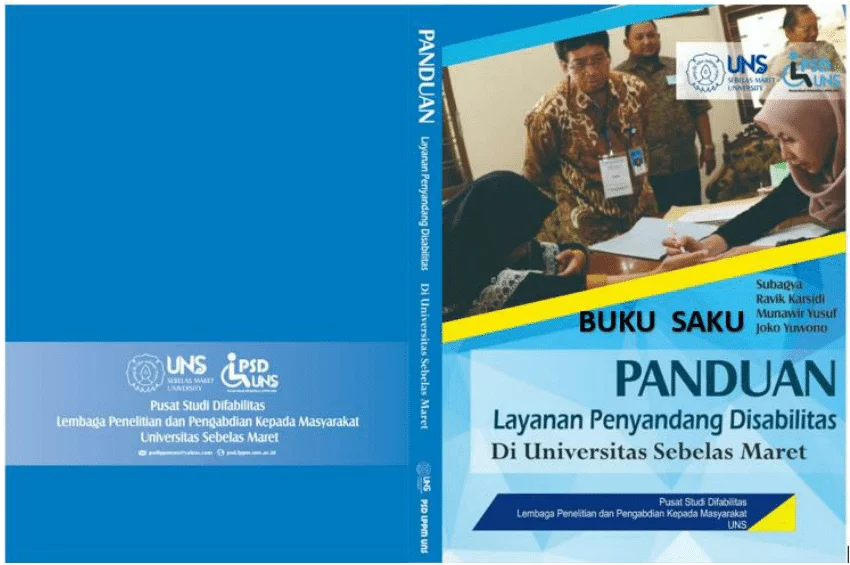
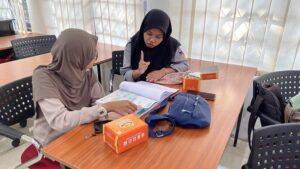
To ensure that academic information is accessible to everyone, UNS, through PSD LPPM, has developed the “Academic Handbook for Students with Disabilities.” This specialized guide provides comprehensive information on university admission, orientation, academic procedures, and various support systems available at UNS.
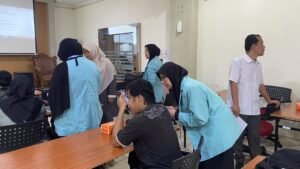
A key part of this initiative is the User Testing phase, in which students with diverse disabilities, including visual, hearing, physical, and mental impairments, directly evaluate the handbook. This process ensures that the language, structure, and digital accessibility features meet users’ actual needs. By incorporating direct student feedback, UNS ensures that these guidelines are not only informative but also reflect the principle of inclusive education. These handbooks serve as a primary reference to support students with disabilities on their academic journey, ensuring they have the same access to information as their peers.
Evidence:
- Buku Saku Layanan Mahasiswa Disabilitas Universitas Sebelas Maret
- PSD LPPM UNS Carries Out User Testing of the Academic Handbook for Students with Disabilities
Digital Support Platform: SMART DISABILITAS
UNS has integrated technology to provide targeted assistance for people with disabilities through SMART DISABILITAS. This innovative digital platform is designed to provide specific assistance, identification services, and learning tools to ensure that every individual receives the appropriate mentoring and support they need.
The services provided through SMART DISABILITAS include:
- Communication Support (BISINDO Dictionary): To bridge the communication gap, we provide an Indonesian Sign Language (BISINDO) digital service. This serves as a vital tool for deaf students and staff to interact effectively on campus.
- Inclusivity Monitoring (Campus Inclusivity Ranking): This service serves as a self-assessment and mentoring program to evaluate a campus environment’s inclusivity, ensuring continuous improvement in our support standards.
- Targeted Identification & Mentoring: Autism Identification & Therapy: We provide targeted services to identify individuals with autism and offer Video Game Therapy (VGT) as an innovative intervention.
- Interest and Aptitude Recognition: These services include Identification of Interest (Ide Smart) and Support Aptitude Recognize (Super Smart), helping in mentoring students to identify their potential and academic strengths, ensuring they receive the right guidance for their career paths.
Evidence: https://psd.lppm.uns.ac.id/smart-disabilitas/
Conclusion
The wide range of access schemes at UNS, from financial aid and digital innovation via SMART DISABILITAS to intensive peer mentoring by FORDIS and IKAMADIS, demonstrates the university’s commitment to “targeted support.” We do not only provide physical access but also ensure that the social, financial, and academic aspects of student life are fully supported.
By integrating specialized services, UNS creates a nurturing environment where students with disabilities are empowered to overcome challenges and reach their full potential. Moving forward, the Center for Disability Studies (PSD LPPM UNS) will continue to strengthen these support frameworks, ensuring that our campus remains a leading example of equity and inclusion in higher education. These efforts reflect our ultimate goal: to build a sustainable educational ecosystem where every individual, regardless of their physical or sensory conditions, has an equal opportunity to succeed.