

SDG 1 In Number
Number of student
27,537
Number of low income students receiving financial aid
20,870
1.4.3 Programmes For Services Access
Universitas Sebelas Maret Programs to Improve Access to Basic Services for All
Universitas Sebelas Maret (UNS) improves access to basic services through community service programs, healthcare services, post-disaster recovery, clean water support, sanitation education, and the development of inclusive services. These programs are carried out through collaboration among the university, faculties, community service institutions, student organizations, healthcare facilities, local governments, and other partners.
In 2025, UNS provided direct basic services to communities facing limited access while also strengthening community capacity and institutional support to make services more accessible to a wider population. These initiatives demonstrate how UNS, as a university, organizes programs and training to improve access to basic services for all, both directly and indirectly. Through these efforts, UNS supports the Sustainable Development Goals (SDGs), particularly SDG 1 (No Poverty).
1. Post-Disaster Recovery of Basic Services in Agam Regency, West Sumatra
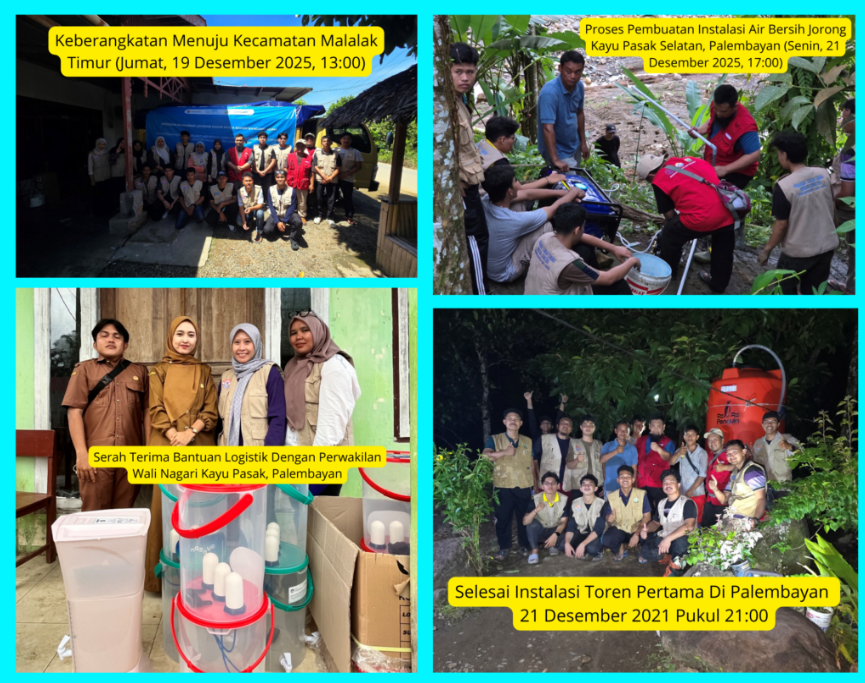
Through its Institute for Research and Community Service (LPPM), UNS organized a program to restore basic services following flash floods in Agam Regency, West Sumatra, from December 18 to 25, 2025. The program was carried out in Malalak Timur and Palembayan in collaboration with Universitas Andalas and with support from the Indonesian Health Equipment Ecosystem Development Association (HIPELKI). It focused on restoring access to clean water, emergency electricity, and basic healthcare for disaster-affected communities.
In Malalak Timur, the team distributed logistical assistance to 136 survivors, installed a 1,000-liter water tank, distributed drinking water filters, and provided equipment to support emergency electricity. In Palembayan, assistance reached 172 survivors. The team also installed three water tank systems, each with a capacity of 1,000 liters and equipped with pumps, distributed 26 drinking water filters, and provided emergency electricity equipment to support public facilities.
Overall, the program reached 308 survivors and helped restore access to clean and safe drinking water, electricity for public service facilities, and primary healthcare. By responding to urgent community needs, UNS organized a program to improve access to basic services for all, especially when a disaster disrupted service availability and accessibility. Support for public facilities also helped sustain essential services beyond the immediate emergency response.
This activity is relevant to SDG 1: No Poverty because disasters can disrupt access to essential services and increase the vulnerability of households with limited resources. Restoring basic services helps affected communities meet urgent needs and supports their recovery. The program therefore demonstrates UNS’s contribution to improving access to basic services for vulnerable communities.
This initiative aligns with UNS faculty research entitled “Energy Poverty: Analysis of Infrastructure and Geographic Factors in Rural Areas of Indonesia.” The study identifies infrastructure limitations and geographic conditions as important barriers to access to modern energy in rural areas. These findings provide relevant context for the importance of emergency energy support for public facilities in disaster-affected communities. Another relevant study, “Lessons learnt from community preparedness for Mount Merapi and Mount Marapi eruption disasters,” emphasizes cooperation among governments, disaster management agencies, and local communities to strengthen disaster resilience. Although the studies address different disaster contexts, they highlight the importance of infrastructure, coordination, and community resilience in maintaining access to essential services.
Source: LPPM UNS — UNS Restores Basic Services Following Flash Floods in Agam Regency, West Sumatra
2. Supporting Access to Clean Water in North Aceh Through Water Treatment Assistance
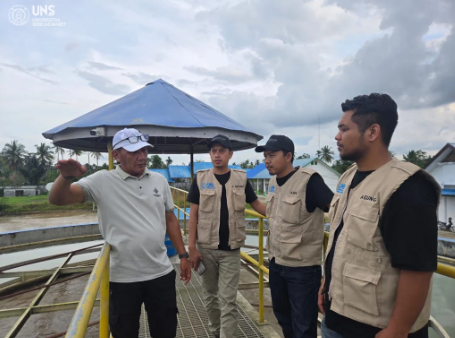
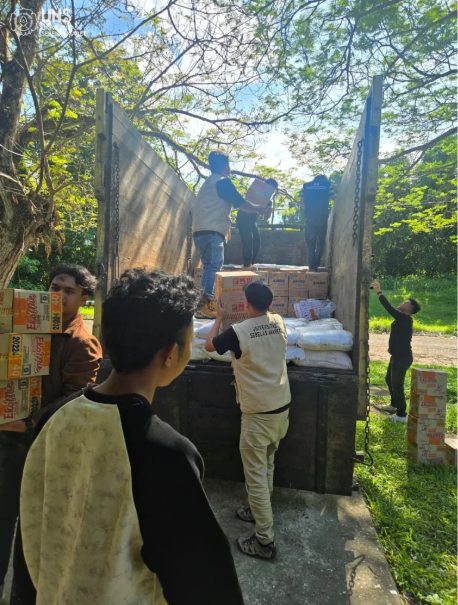
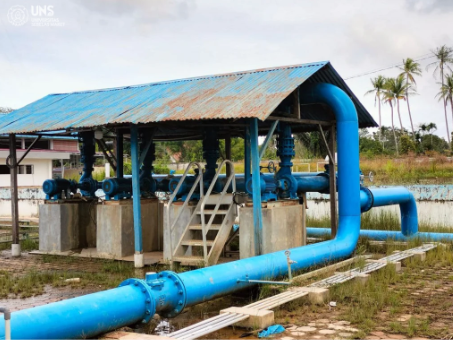
In December 2025, the UNS Disaster Response Community Service Team provided two tons of polyaluminum chloride (PAC) to the Tirta Pasai Regional Drinking Water Company (PDAM) in North Aceh Regency. The assistance, delivered on December 21, 2025, was part of the response to flooding that contaminated local water sources and disrupted clean water infrastructure, particularly in Langkahan District.
PAC is a substance used in water treatment. The delivery was intended to help PDAM Tirta Pasai maintain clean water services when supplies of water treatment materials became limited due to supply-chain disruptions during the disaster. According to the UNS report, PDAM Tirta Pasai is a major clean water provider in North Aceh Regency, serving approximately 53,000 customers.
This program demonstrates how UNS can improve access to basic services by supporting a public service provider. The assistance addressed an urgent need while helping maintain the continuity of the community’s clean water supply system. By supporting existing water services, UNS helped improve access to clean water for all, including communities affected by disaster-related disruptions.
Clean water access is closely connected to SDG 1: No Poverty because households with limited resources may face greater difficulties when essential services are disrupted. Reliable water services support daily household needs, health, and community recovery. Through this initiative, UNS contributed to efforts to maintain access to a basic service during an emergency.
The program is also relevant to UNS faculty research entitled “Mitigating sea-level rise in Indonesia: A policy approach through social protection and sustainable water governance.” The study identifies gaps in water governance and social protection that can leave vulnerable communities insufficiently protected from environmental risks. Although the research focuses on sea-level rise and related coastal challenges rather than flood-related water contamination, it provides a broader policy context for the importance of sustainable water governance and reliable access to water. PAC assistance is a practical intervention that supports the continuity of water services during an emergency.
Sumber: UNS — UNS Provides 2 Tons of PAC to Help Address the Clean Water Crisis in North Aceh
3. Restoring Basic Healthcare Services for Disaster-Affected Communities in North Aceh
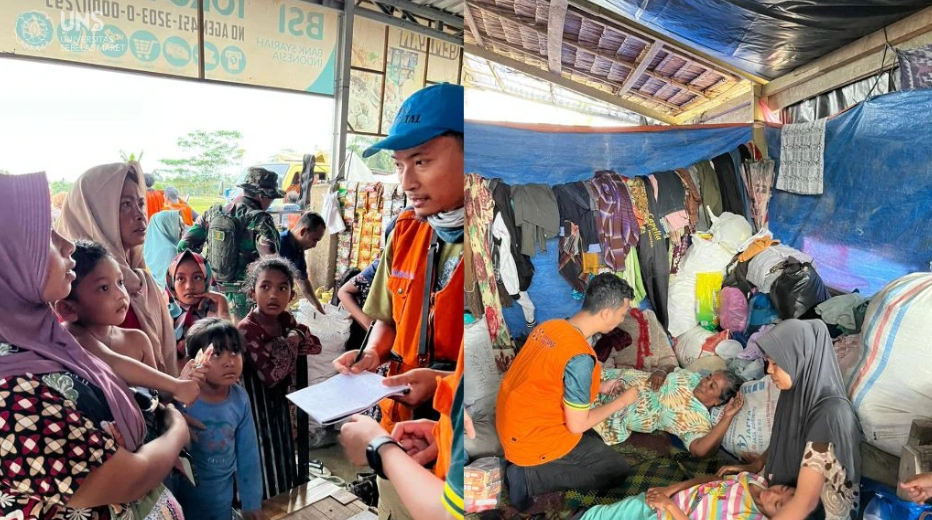
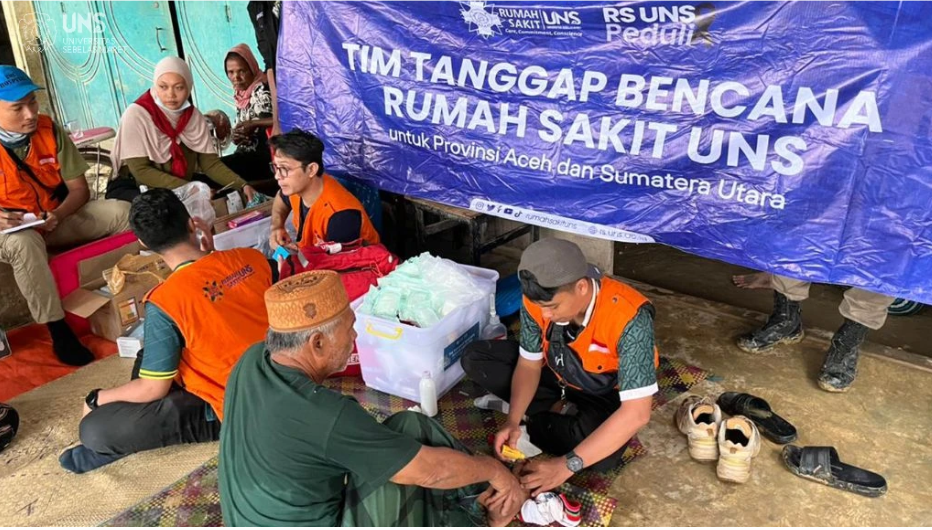
Through the UNS Cares for Sumatra Task Force, UNS provided basic healthcare services to disaster-affected communities in North Aceh Regency from December 9 to 11, 2025. Activities included mobile healthcare services, logistical support, and coordination with relevant partners to support the recovery of healthcare facilities, including Langkahan Community Health Center (Puskesmas Langkahan) and the search and rescue team of Universitas Malikussaleh.
On December 9, the team served 39 residents in Jambo Aye and Langkahan districts. The services reached men, women, children, and older adults with health complaints such as acute respiratory infections, fever, dermatitis, and digestive problems. The next day, the team provided healthcare services to 29 residents at an evacuation shelter in Rumoh Rayeuk Village, Langkahan District. Mobile services helped reach residents who struggled to travel to healthcare facilities because of road conditions and weather.
In addition to providing medical examinations and treatment, the UNS team coordinated with the Langkahan Community Health Center to discuss restoring basic healthcare services affected by the disaster. The assessment highlighted the need for consistent healthcare services and service delivery arrangements that could reach residents who had difficulty visiting healthcare facilities. This program demonstrates how UNS organizes programs to improve access to basic healthcare services for all, including vulnerable groups and communities facing geographic barriers.
Access to healthcare is an important part of SDG 1: No Poverty because illness and limited access to medical services can place additional social and financial pressure on vulnerable households. Providing basic healthcare in disaster-affected areas can help communities meet immediate health needs without relying solely on facilities that may be difficult to reach.
The program aligns with UNS faculty research entitled “Health insurance coverage, healthcare use, and financial protection amongst people with disabilities in Indonesia: analysis of the 2021 National Socioeconomic Survey.” The study identifies gaps in health insurance coverage and financial protection among people with disabilities, highlighting the importance of equitable access to healthcare. The study provides a research context for the need to reduce barriers to essential healthcare services.
4. UNS Care 2025: Free Health Education and Medical Examinations for the Community
The Student Executive Board (BEM UNS), through its Social Affairs Division, organized UNS Care 2025 in Lemahbang Village, Kismantoro District, Wonogiri Regency, on September 27, 2025. Under the theme “Ngabdi Nyawiji: Bringing Fair and Sustainable Healthcare,” the program aimed to bring healthcare services closer to the community through health education and free medical examinations.
UNS Care 2025 connected student engagement and university resources with local healthcare needs. Through health education, residents received information to better understand health issues. Free medical examinations also gave community members the opportunity to check their health at no cost.
By bringing healthcare activities directly to the community and removing examination fees, the program helped improve access to healthcare services. UNS Care 2025 is therefore a direct example of a university-organized program to improve access to basic healthcare services for all. It complements UNS’s post-disaster response by extending its community health efforts to a non-emergency setting.
In the context of SDG 1: No Poverty, accessible health services matter because preventable health problems and care costs can put additional pressure on households with limited resources. Community-based health activities can improve access, particularly where residents face practical or financial barriers to using services.
The program aligns with UNS faculty research entitled “The effectiveness of women’s empowerment on children’s nutritional status and stunting reduction: A systematic review.” The study highlights the potential role of women’s empowerment in improving children’s nutritional status and reducing stunting. It also identifies nutrition support, sanitation, food security, and poverty reduction as relevant intervention areas. This research provides a broader context for the importance of community health education and preventive healthcare.
Sumber: UNS — UNS Care 2025: Free Health Education and Medical Examinations for the Community by BEM UNS
5. Sign Language Training to Support Inclusive Access to Services
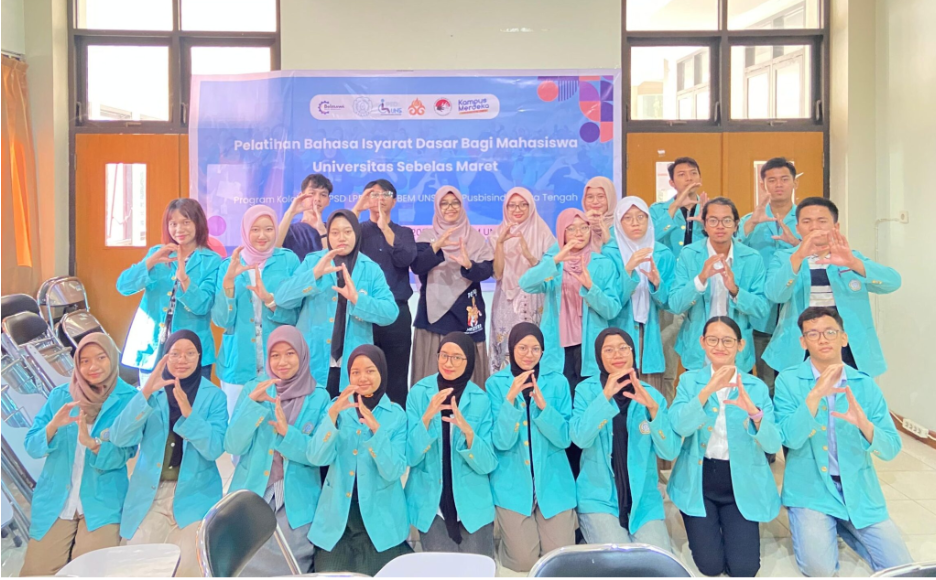
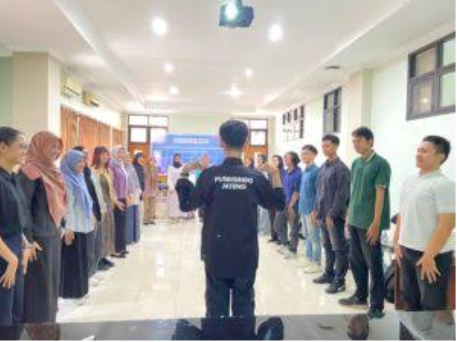
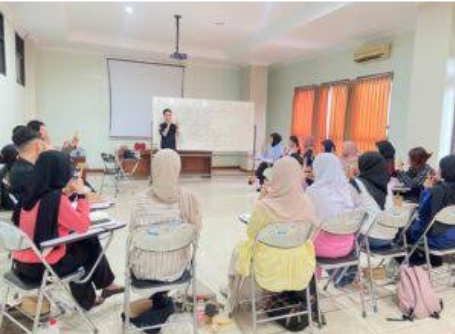
The Center for Disability Studies (PSD) at LPPM UNS, in collaboration with the Indonesian Sign Language Center (Pusbisindo) in Central Java, organized sign language training for UNS students from September 5 to 21, 2025. The training consisted of seven weekend sessions. A total of 190 students registered, and 20 students from different faculties were selected to participate.
The training aimed to improve students’ communication skills with Deaf students and strengthen awareness of the needs of people with disabilities. By developing basic sign language skills, UNS helped build its academic community’s capacity to provide more inclusive communication, interaction, and support within the university environment.
Communication barriers can limit people with disabilities’ ability to access information, academic support, and assistance. Sign language training strengthens the campus community’s capacity to communicate with Deaf students and supports a more accessible service environment. The program is an example of training to improve access to inclusive services, particularly for people who face communication barriers.
The program is relevant to SDG 1: No Poverty because people with disabilities may face barriers to accessing essential services and participating fully in community life. Improving disability awareness and communication skills can help reduce these barriers. The program also demonstrates how training can support service access, even when it does not directly provide a medical, financial, or material service.
The initiative aligns with UNS faculty research entitled “Health insurance coverage, healthcare use, and financial protection amongst people with disabilities in Indonesia: analysis of the 2021 National Socioeconomic Survey.” The study highlights unequal access to healthcare and the additional barriers faced by people with disabilities. The research reinforces the importance of identifying and reducing barriers that can prevent people with disabilities from accessing essential services.
6. Sanitation and Food Waste Management Education in Gebang Village, Wonogiri
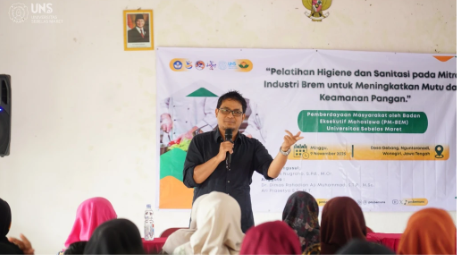
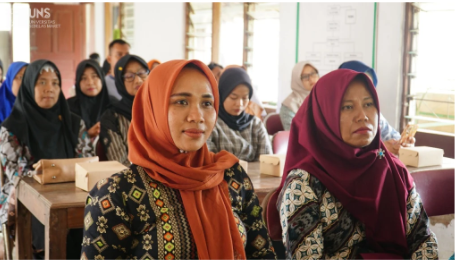
In November 2025, BEM UNS organized an educational activity on sanitation and food waste management in Gebang Village, Nguntoronadi District, Wonogiri Regency. The activity involved local community members, including Family Welfare Movement (PKK) groups and brem producers. It aimed to improve their understanding of proper sanitation practices and better food waste management.
The education program helped community members understand the importance of a clean environment and practices that support public health. It also introduced more responsible approaches to handling food waste, particularly in household activities and small-scale food production. By engaging community groups and local producers, the activity connected sanitation education with daily life and local economic activities.
The program provides education to improve community knowledge and practices related to sanitation and environmental health. Through this activity, BEM UNS supported better sanitation awareness and more responsible food waste management among community members.
The program is relevant to SDG 1: No Poverty because access to safe and healthy living environments is part of broader efforts to reduce vulnerability and improve living conditions. Community-based education can support this goal by helping residents develop knowledge and practices related to essential environmental health needs.
The activity aligns with UNS faculty research entitled “Community empowerment model in the refuse-derived fuel waste management program in Indonesia.” The study emphasizes technical capacity building, community participation, and institutional support as important elements of community-based waste management. These principles are relevant to the educational approach used in Gebang Village, where community groups and local food producers learned about sanitation and food waste management.
Conclusion
Through its community service activities, training programs, and disaster-response initiatives, UNS contributes to SDG 1: No Poverty by helping improve access to basic services for vulnerable communities. The examples demonstrate different approaches to service access: restoring essential services after disasters, supporting clean water treatment, providing basic healthcare activities, developing disability-inclusive communication skills, and promoting sanitation and waste-management awareness.
Overall, these activities demonstrate UNS’s contribution to SDG 1: No Poverty by organizing or supporting programs that directly or indirectly improve access to basic services for all, with particular attention to vulnerable and underserved communities.