

SDG 16 In Number
Number of graduates
6,213
Number of graduates from law and enforcement related courses
1,554
16.3.4 Neutral Platform to Discuss Issues
Providing an Inclusive Academic Platform for Dialogue on Democracy and Governance
Universitas Sebelas Maret (UNS) recognizes the importance of providing a neutral platform and a safe academic space where different political stakeholders can come together to openly discuss public issues and national challenges. As a public university, UNS facilitates dialogue among government institutions, legislative bodies, election organizers, academics, students, and other stakeholders. Through these forums, participants can exchange perspectives, express concerns, and frankly discuss challenges related to democracy, governance, public policy, and national resilience.
Throughout 2025, UNS organized and facilitated several academic forums that brought together stakeholders from different institutional backgrounds. These activities reflect the university’s role as an independent academic platform that encourages constructive dialogue, critical thinking, and mutual understanding. By supporting open discussions on democratic governance and institutional accountability, UNS contributes to SDG 16, particularly the promotion of peaceful, inclusive, and accountable institutions.
1. National Seminar on the Integrity of Election Administrators and the Future of Indonesian Democracy
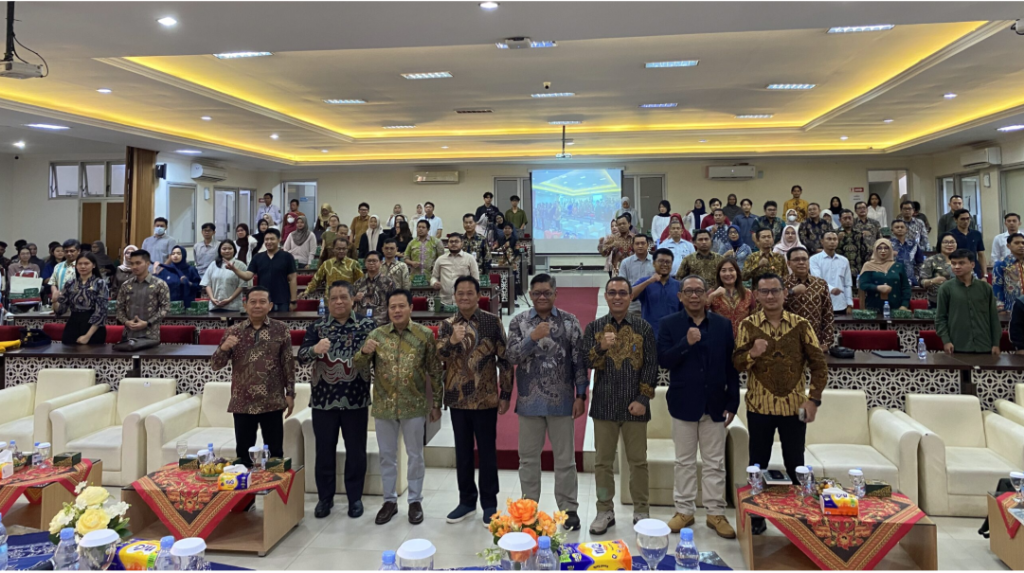
On November 27, 2025, the Faculty of Law of Sebelas Maret University (FH UNS), in collaboration with the Honorary Council of Election Administrators of the Republic of Indonesia (DKPP RI), organized a national seminar entitled “The Integrity of Election Administrators and the Future of Indonesian Democracy” at the Faculty of Law, UNS. The seminar provided an academic platform for political and institutional stakeholders to discuss challenges related to electoral integrity and democratic governance.
The event brought together representatives from the Indonesian House of Representatives (DPR RI), the Central Java Provincial Election Supervisory Agency (Bawaslu), DKPP RI, academics from UNS and Satya Wacana Christian University (UKSW), and students. The discussion addressed several key challenges, including the independence of election administrators, harmonizing election regulations, substantive justice in election law enforcement, and the impact of disinformation on democracy. By bringing together legislative representatives, election oversight institutions, ethics authorities, and academics, UNS facilitated an exchange of perspectives on issues that are essential to democratic accountability.
The interactive discussion and Q&A session also gave students opportunities to raise critical questions and exchange views directly with the speakers. Through this initiative, UNS demonstrated its role in providing an open, constructive academic space where stakeholders could frankly discuss challenges in electoral governance. This effort supports SDG 16 by encouraging democratic accountability, institutional integrity, and inclusive dialogue.
Evidence: FH UNS and DKPP RI Strengthen Cooperation to Improve the Integrity of Election Administrators
2. National Seminar on Synergy between Higher Education Institutions and Kesbangpol to Achieve National Resilience
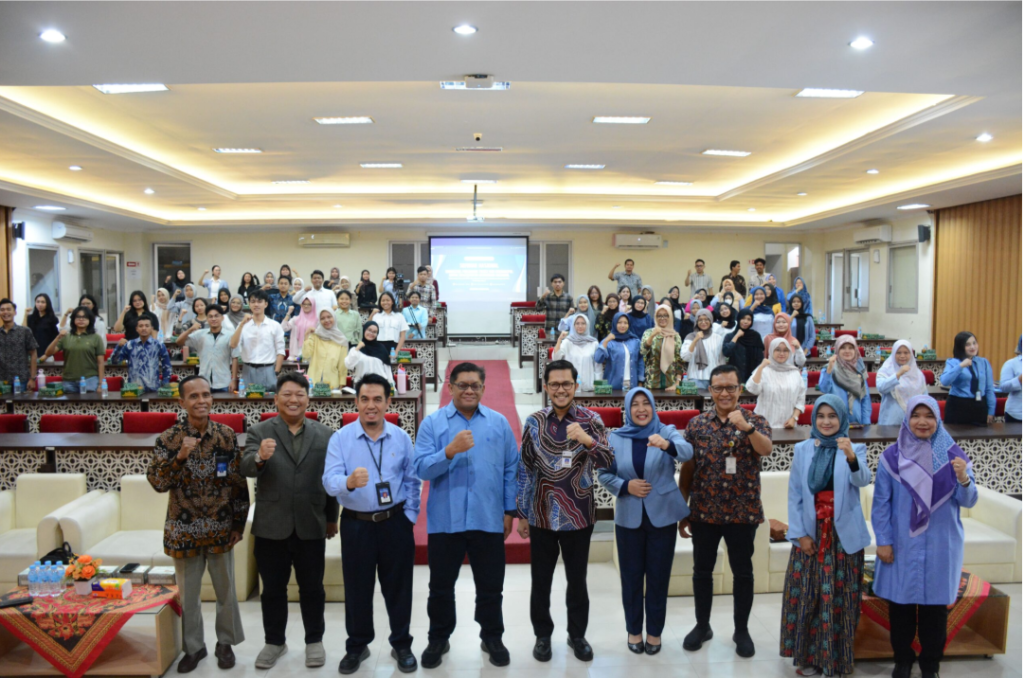
On September 23, 2025, the Faculty of Law of Sebelas Maret University, in collaboration with the Central Java Provincial Agency for National Unity and Politics (Kesbangpol), organized a national seminar entitled “Synergy between Higher Education Institutions and Kesbangpol to Achieve National Resilience.” The event was held at the Faculty of Law, UNS, and provided an academic platform for dialogue between government representatives, academics, student organizations, and other participants to discuss political, social, and national challenges.
The seminar featured speakers from different fields who discussed issues related to ideology, politics, society, culture, the economy, and national security. Key topics included political polarization, misinformation and disinformation, radicalism, democratic developments, freedom of expression, and the role of students in responsibly expressing criticism and public aspirations. These discussions allowed participants from different institutional backgrounds to exchange perspectives and examine challenges affecting national resilience and democratic life.
Through this forum, UNS provided an open academic space for stakeholders to discuss sensitive public issues constructively and informatively. The participation of government officials, academics, and student representatives reflects the university’s effort to serve as a neutral platform that encourages dialogue and mutual understanding. This initiative contributes to SDG 16 by promoting peaceful dialogue, respect for different perspectives, and stronger cooperation between public institutions and society.
Evidence: FH UNS and Kesbangpol Central Java Strengthen Synergy to Achieve National Resilience
3. DPD Goes to Campus: Getting to Know the Regional Representative Council of the Republic of Indonesia

On June 13, 2025, the Regional Representative Council of the Republic of Indonesia (DPD RI), in collaboration with the Center for Pancasila Studies (PSPP), Institute for Research and Community Service (LPPM) of Sebelas Maret University, organized a national seminar entitled “Getting to Know the Regional Representative Council of the Republic of Indonesia.” The event was held at the UNS campus and provided an academic platform for dialogue between a national legislative institution, university academics, and students.
The seminar featured Dr. H. Abdul Kholik, a member of DPD RI, together with UNS academics and professors in civic education. Approximately 90 students and academics from different faculties participated in the event. Discussions focused on DPD RI’s functions and authority, regional autonomy, relations between central and local governments, regional aspirations, and challenges in regional development. These topics gave participants an opportunity to better understand the role of representative institutions and discuss public policy issues from different perspectives.
By facilitating direct engagement between a legislative representative, academics, and students, UNS supported an open academic environment where participants could exchange views and discuss challenges related to political representation and regional governance. The forum reflects the university’s role as a neutral academic platform for public dialogue and civic engagement. This initiative supports SDG 16 by strengthening public understanding of democratic institutions, encouraging participation, and promoting more inclusive governance.
Evidence:
Conclusion
Through these initiatives, Sebelas Maret University demonstrates its role as an academic institution that provides a neutral platform for different stakeholders to come together and discuss important public challenges. By facilitating dialogue among legislative representatives, election management and oversight institutions, government officials, academics, and students, UNS encourages the exchange of ideas across different institutional perspectives.
These activities demonstrate the university’s commitment to an open, inclusive academic environment where participants can express their views, raise critical questions, and discuss challenges related to democracy, governance, and national development. Through this role, UNS contributes to SDG 16 by supporting inclusive dialogue, democratic accountability, institutional integrity, and stronger public participation in addressing national challenges.