SDG 7 In Number
Total energy used (GJ)
19,141
University floor space (m²)
523,299
Total energy used from low-carbon sources (GJ)
9,413
7.2.2 Upgrade Buildings To Higher Energy Efficiency
UNS Initiatives to Upgrade Existing Buildings for Higher Energy Efficiency
Universitas Sebelas Maret (UNS) continues to cut its carbon footprint through concrete, long-term programs that directly advance Sustainable Development Goal (SDG) 7: Affordable and Clean Energy. The university is building a sustainable, environmentally friendly campus by adopting green technologies and energy-saving practices. Within its wider sustainability strategy, UNS also maintains plans to bring existing buildings up to higher energy-efficiency standards. These measures help lower electricity use, trim operating costs, and shrink the campus’s carbon emissions. Through this sustained commitment, UNS shows how a higher education institution can set an example in sustainability.
Energy Efficient Appliances
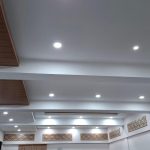
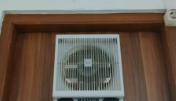
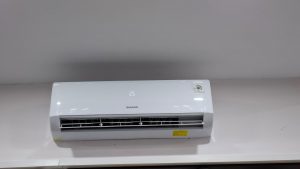
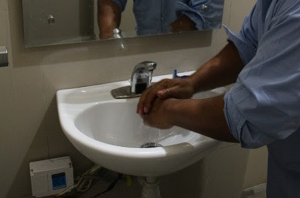
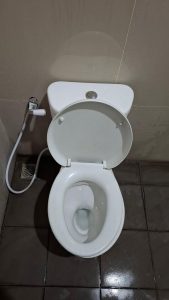
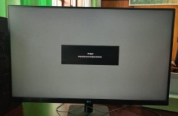
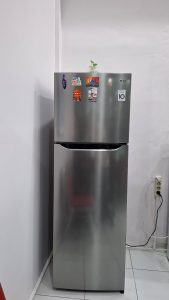
UNS is working toward an eco-friendly campus by installing energy-saving equipment, including LED lamps, exhaust fans, low-watt air conditioners, automatic taps, ecoflush toilets, LED monitors, and energy-saving refrigerators. A comparison of 2024 and 2025 data shows that the share of energy-efficient appliances rose by 1.52%, with the largest gains in LED lamps (5.70%), refrigerators (3.46%), and low-watt air conditioners (2.84%). These upgrades are visible across campus facilities: classrooms widely use LED lighting, offices have switched to energy-efficient air conditioning, and libraries and laboratories have added more fans. In 2026, energy-efficient appliances account for an average of 63.04% of the university’s electronic equipment, which keeps UNS in Category 4 (>50–75%) of the UI GreenMetric scale, the same category as in 2025. These results indicate that UNS is reducing energy consumption and carbon emissions while strengthening its standing as a sustainable, environmentally aware university. UNS academic research supports these upgrades. A 2025 simulation study by Dr. Dwi Teguh Rahardjo, S.Si., M.Si. and colleagues (IOP Conference Series: Earth and Environmental Science), titled “Investigating the Influence of Roof Geometry and Orientation on Energy Efficiency,” notes that air conditioning is the principal driver of building energy demand in tropical regions. Using Surakarta’s climate in DesignBuilder simulations, the study found that a Scandinavian roof facing east or west has a heat load about 3.7% lower than a pyramidal roof. This evidence shows that building design and orientation choices can reduce cooling needs, complementing the shift to low-watt air conditioners and other energy-efficient equipment, and it supports the development of Net Zero Energy Building (NZEB) concepts.
Appliance | Total number | Total number of energy energy-efficient appliances | Percentage |
LED Lamp
| 28267 | 26041 | 92.13% |
Fan
| 1108 | 918 | 82.85% |
Low Watt AC
| 3139 | 2704 | 86.14% |
Automatic Tap
| 2260 | 251 | 11.11% |
Closet with Ecoflush
| 2105 | 1263 | 60.00% |
LED Monitor
| 2361 | 2044 | 86.57% |
Energy-Saving Refrigerator
| 272 | 154 | 56.62% |
Laptop | 2251 | 650 | 28.88% |