

SDG 16 In Number
Number of graduates
6,213
Number of graduates from law and enforcement related courses
1,554
16.3.3 Participation in Government Research
Advancing Evidence-Based Public Policy through University–Government Research Collaboration
Universitas Sebelas Maret (UNS) actively undertakes policy-focused research in collaboration with government departments and public institutions at both the national and regional levels. Through its faculties, research centers, and the Institute for Research and Community Service (LPPM), UNS contributes academic expertise, scientific analysis, and research findings to support the development, implementation, and evaluation of public policies.
Throughout 2025, these collaborations addressed several important policy areas, including inclusive employment, food security, agricultural development, migrant worker protection, and sustainable regional development. The research activities included data analysis, field assessments, policy studies, and recommendations to address public issues. Through these initiatives, UNS strengthens the role of scientific research in government decision-making, promotes accountable and inclusive institutions, and contributes to SDG 16 by supporting effective, transparent, and evidence-based governance.
Research Activities and Evidence
UNS’s participation in government research is demonstrated through the following policy-focused research collaborations conducted in 2025:
1. Development of the Magelang City Employment Roadmap for Persons with Disabilities
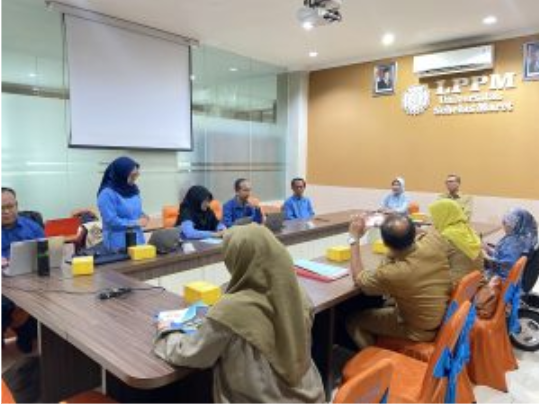
The Center for Disability Studies (PSD) of LPPM UNS collaborated with the Magelang City Department of Labor to develop the 2025–2030 Employment Roadmap for Persons with Disabilities. This policy-focused research aimed to support the local government’s efforts to expand inclusive employment opportunities and strengthen employment policies for persons with disabilities.
The research involved data analysis, field assessments, and identifying employment needs and the structural barriers persons with disabilities and employers face. Throughout 2025, UNS and the government department conducted coordination meetings, focus group discussions (FGDs), and roadmap validation activities to review research findings and refine policy recommendations. The process produced a roadmap to guide local government in improving access to employment, developing workforce competencies, and promoting inclusive employment practices.
This collaboration demonstrates how UNS undertakes research directly with a government department to produce evidence-based policy recommendations. The resulting roadmap provides a practical reference for local government planning and supports more inclusive and accountable public institutions.
References:
2. Policy Research on the Free Nutritious Meal Program
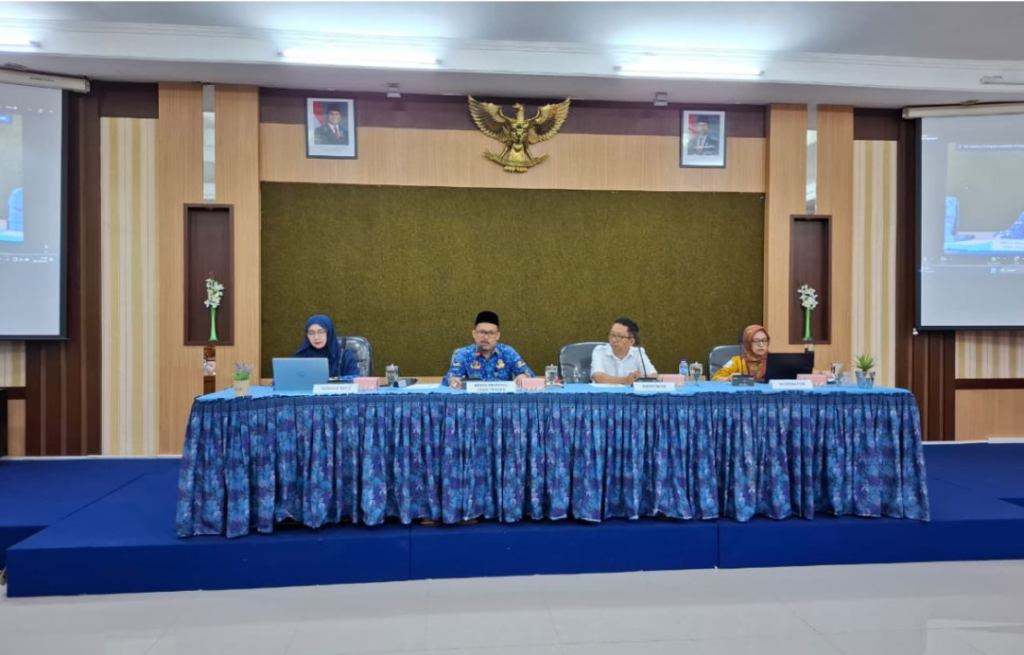
The Faculty of Economics and Business (FEB) UNS collaborated with the Central Java Regional Research and Innovation Agency (BRIDA) to conduct policy-focused research on implementing the Free Nutritious Meal Program (Makan Bergizi Gratis or MBG) in Demak Regency, Wonosobo Regency, and Pekalongan City.
The research examined the program’s implementation at the regional level, including the involvement of local food producers, food distribution systems, and supporting infrastructure. Through field-based analysis, the research team identified challenges and opportunities for improving program implementation and developed recommendations for more effective policy implementation.
This collaboration demonstrates UNS’s direct participation in government-related research by providing academic analysis and evidence-based policy recommendations to a regional government institution. The findings support the evaluation and improvement of a national public program, contributing to more effective public service delivery and stronger institutional accountability.
Reference:
3. Food Security Research and Agricultural Land Optimization
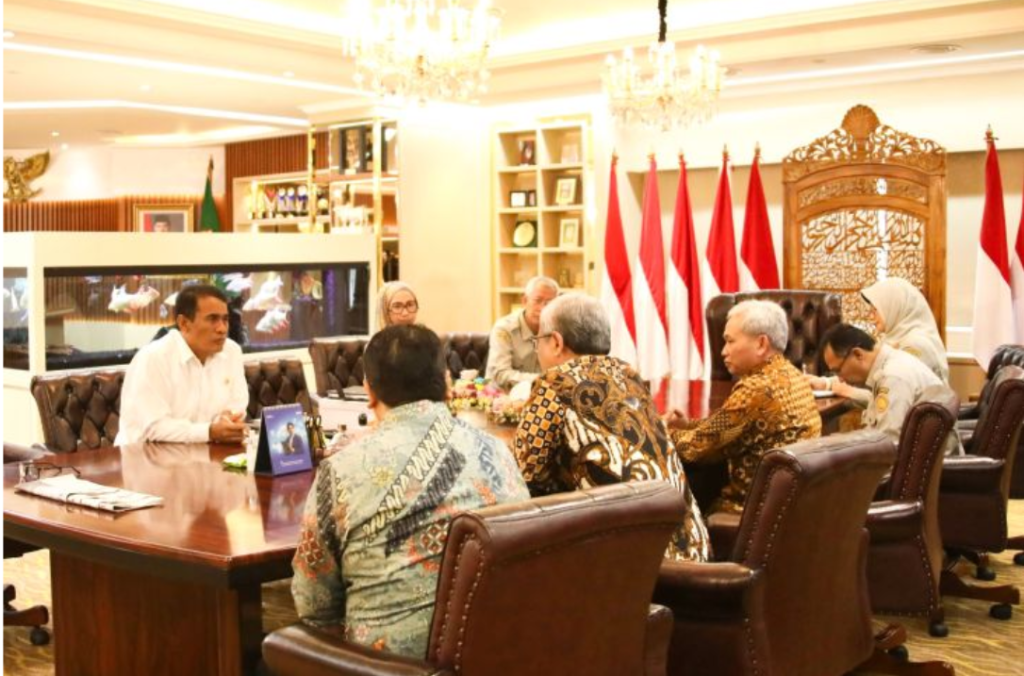
On March 3, 2025, UNS, through its Rector, coordinated with the Ministry of Agriculture of the Republic of Indonesia to strengthen research collaboration in support of national food security. One of UNS’s contributions was conducting a Design Investigation Survey (SID) to optimize agricultural land and develop new rice fields in Kapuas Regency, Central Kalimantan.
The research covered about 4,700 hectares for optimization and 10,400 hectares for new rice field development. The assessment covered soil conditions, irrigation systems, water gates, and designs for agricultural land development. These findings provided technical information and recommendations to support government decisions on agricultural land development, improve productivity, and strengthen national food security.
Through this collaboration, UNS provided research-based technical analysis to a national government department, demonstrating how academic research supports government programs and development policies. This initiative also strengthens public institutions by using scientific evidence to plan and implement national food security strategies.
Reference: ANTARA – Ministry of Agriculture and UNS Collaborate on Research to Strengthen Food Security
4. Policy Research Collaboration on the Protection of Indonesian Migrant Workers
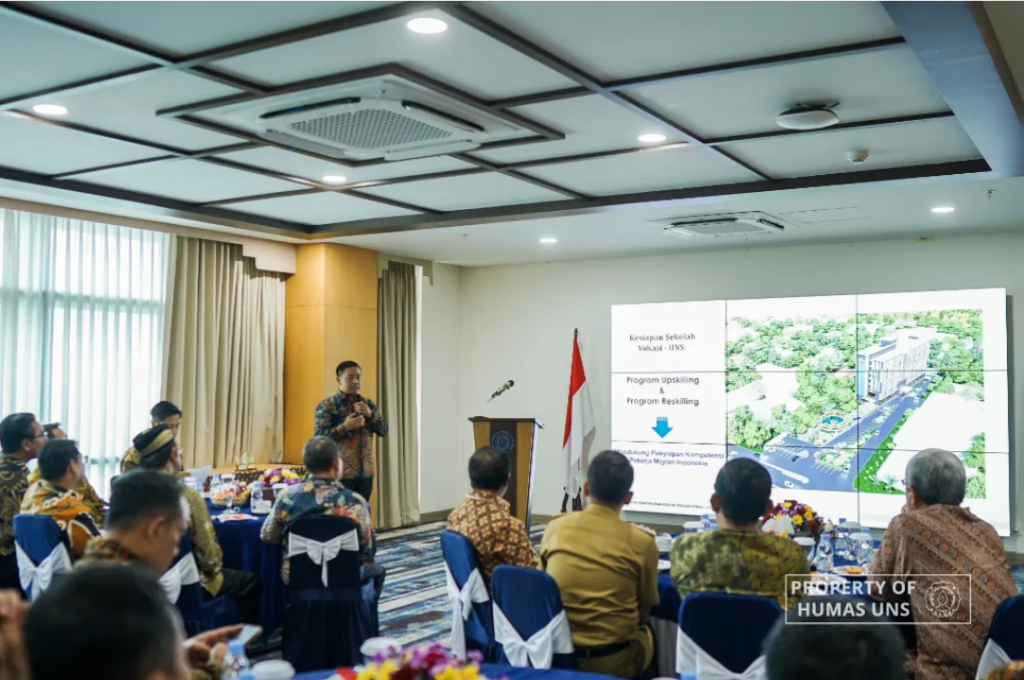
On April 14, 2025, UNS established a strategic partnership with the Ministry of Indonesian Migrant Worker Protection (P2MI/BP2MI) through a Memorandum of Understanding (MoU) and three Cooperation Agreements. One agreement specifically addressed research and community service related to Indonesian migrant workers, involving academic programs in Development Economics, Management, Accounting, Digital Business, and Law.
The collaboration provides a framework for joint research and publications, emphasizing policy research and research-based policymaking to strengthen the protection of Indonesian migrant workers. By bringing together academic expertise from different disciplines and the government’s institutional responsibilities, the partnership aims to support the development of policies addressing migrant workers’ protection and welfare.
This institutional collaboration demonstrates UNS’s commitment to undertaking policy-focused research with a national government department. It also reflects the university’s role in providing research expertise to inform public policy, strengthen institutional cooperation, and promote more inclusive and accountable governance. Research outputs and policy recommendations from this partnership can support improvements to migrant worker protection policies.
5. Sustainable Tourism Research for Regional Development Policy
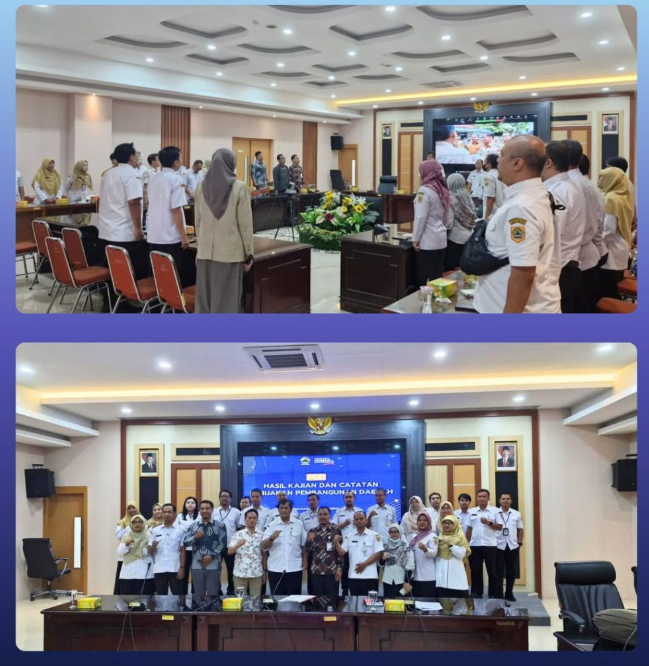
In November 2025, Prof. Dr. Izza Mafruhah of UNS contributed to a strategic study on sustainable tourism development conducted by the Central Java Regional Research and Innovation Agency (BRIDA). BRIDA Central Java organized the FGD on Research Findings and Regional Development Policy Recommendations to strengthen research-based regional development planning, where the study was presented.
The study provided academic perspectives and research-based input on sustainable tourism development as part of broader regional development priorities. Its findings informed long-term regional planning, including the preparation of the 2027 Regional Government Work Plan (RKPD).
By involving UNS academic expertise in a government-led research initiative, this collaboration demonstrates the contribution of university research to regional policymaking. It supports using scientific evidence in government planning and encourages more sustainable, responsive, and accountable public development policies.
Reference: Central Java BRIDA – FGD on Research Findings and Regional Development Policy Recommendations 2025
Conclusion
These initiatives demonstrate UNS’s active participation in policy-focused research in collaboration with government departments and public institutions at both national and regional levels. By conducting research, analyzing public issues, developing policy recommendations, and contributing academic expertise to government programs, UNS helps ensure that public policies are informed by reliable evidence and scientific knowledge.
Through these research partnerships, UNS supports more inclusive employment policies, stronger food security strategies, improved public service delivery, and sustainable regional development. These contributions reinforce the university’s role as a research partner for government institutions and advance the principles of peace, justice, effective governance, and strong institutions under SDG 16.