

SDG 11 In Number
University expenditure (IDR)
1,561,027,263,159
University expenditure on arts and heritage (IDR)
220,320,172,206
11.4.9 Building on Brownfield Sites
Brownfield Site Development at Universitas Sebelas Maret
Universitas Sebelas Maret (UNS) promotes sustainable campus development by prioritizing the use and redevelopment of previously developed land and buildings (brownfield sites), where possible, rather than expanding into undeveloped greenfield areas. This approach is implemented through reconstructing existing buildings, converting underutilized sites, adaptively reusing former facilities, and vertically developing campus infrastructure. These efforts aim to optimize existing land resources, reduce the need for additional land clearing, and preserve green spaces within the university environment.
Through these initiatives, UNS demonstrates its commitment to building on brownfield sites wherever possible while accommodating the changing infrastructure needs of its academic community. This approach supports SDG 11: Sustainable Cities and Communities by promoting efficient land use, sustainable infrastructure development, and more responsible management of the built environment.
1. Construction of the New Vocational School Building on the Former Building Site

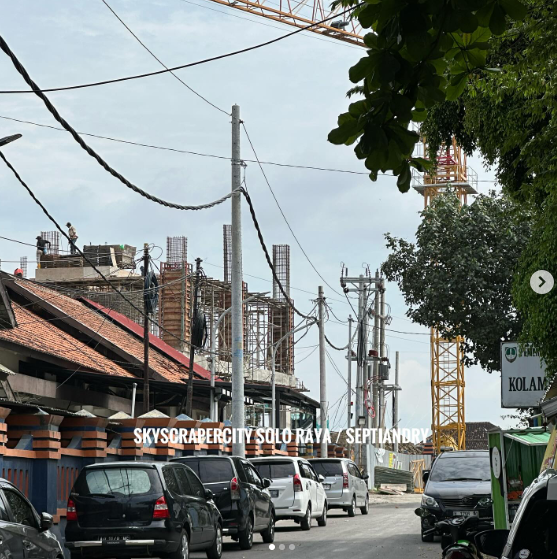
UNS constructed a new seven-story Vocational School building (Sekolah Vokasi) at the Tirtomoyo Campus on the site of the former Vocational School building. This project is a clear example of brownfield development, as the new facility was built on previously developed campus land rather than an undeveloped greenfield site.
Completed in 2025, the new building provides modern classrooms and laboratory facilities to support practical learning across vocational study programs. By redeveloping the former building site, UNS optimizes existing campus land while improving the quality and capacity of its academic infrastructure.
References:
2. Adaptive Reuse of the Former Kebumen Regional Hospital Building
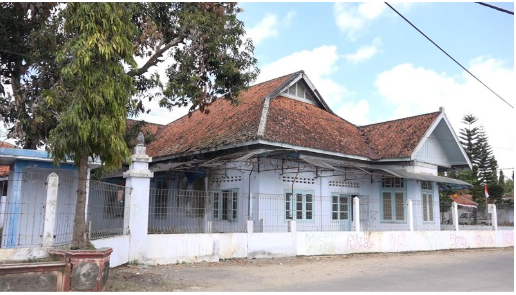
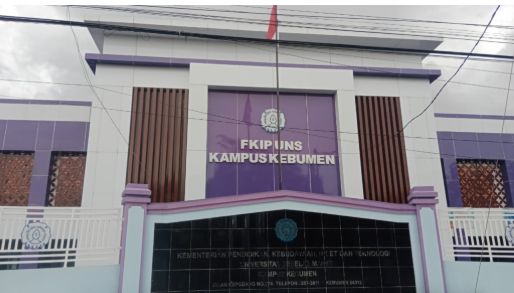
UNS promotes adaptive reuse of previously developed buildings by using the former Kebumen Regional General Hospital (RSUD) building to support educational activities and the development of its Off-Campus Study Program (PSDKU) in Kebumen. The university is repurposing the former hospital facility to accommodate its educational functions.
This initiative demonstrates how an existing building can be adapted for a new institutional purpose instead of constructing an entirely new facility on undeveloped land. By reusing the former hospital infrastructure, UNS supports more efficient land use and reduces the need for additional greenfield development.
References:
3. Redevelopment of the Former Student Cooperative and Canteen Site into a Bank Jateng Branch Office
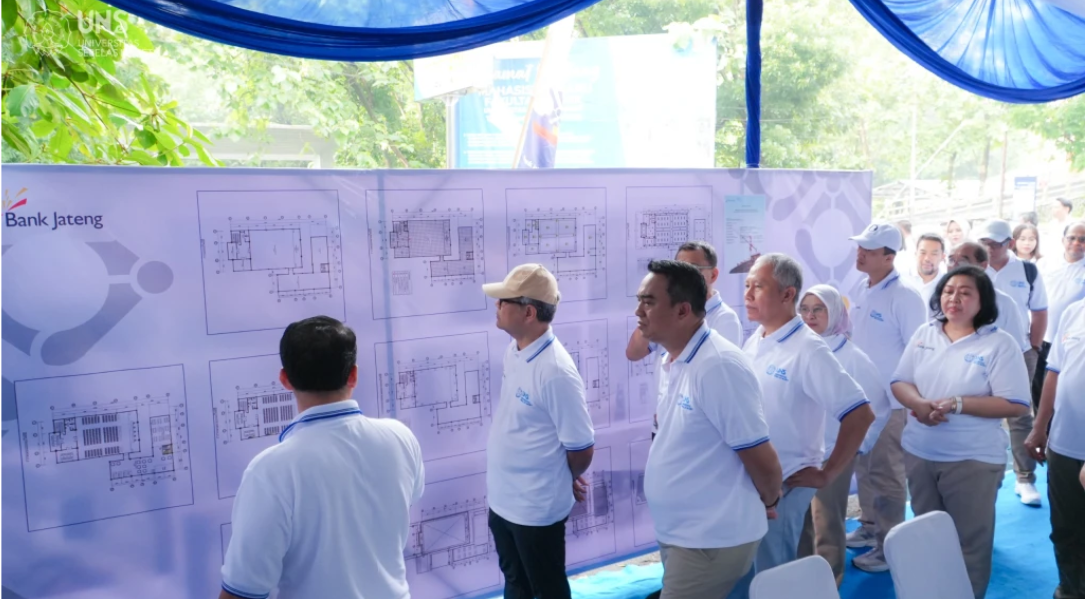
In November 2025, UNS initiated the construction of a Bank Jateng Sub-Branch Office (KCP) and supporting facilities on a site previously occupied by the university’s Student Cooperative (KOPMA) and canteen. This project redevelops previously developed campus land by transforming an existing commercial and service facility site into a new banking and community service facility.
By reusing an already developed site, UNS meets new institutional and community service needs without requiring additional land development in undeveloped areas. This initiative reflects the university’s approach to optimizing existing campus space and making more productive use of previously developed land.
Reference: UNS – Construction of Bank Jateng KCP and New Facilities Officially Begins
4. Conversion of an Underutilized FKIP Parking Area into a Canteen
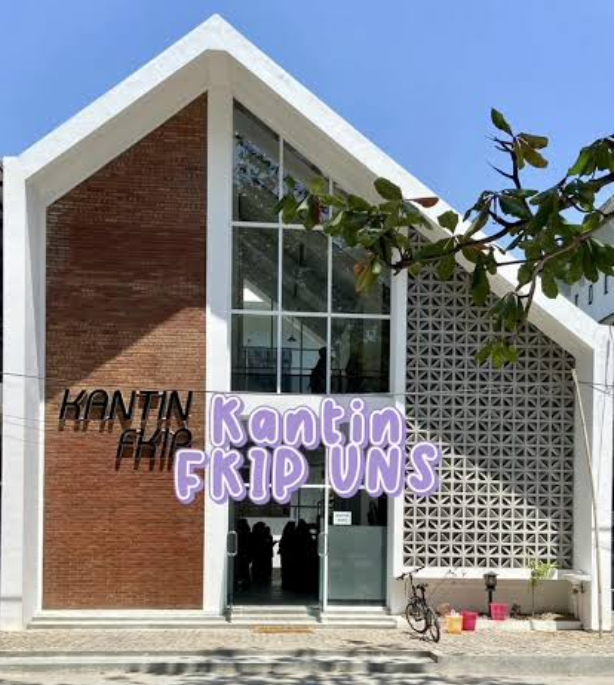
UNS promotes efficient campus land use by converting an underutilized parking area at the Faculty of Teacher Training and Education (FKIP) into a canteen. This initiative involves repurposing previously developed campus land to provide a functional facility that supports the daily needs of students, lecturers, staff, and other members of the university community.
By transforming an existing parking area into a more productive space, UNS demonstrates a campus development approach that prioritizes optimizing available land rather than allocating additional space for new facilities. The initiative also shows how previously developed areas can adapt to changing campus requirements while supporting more efficient land use.
Reference: FKIP UNS Canteen Grand Opening
5. Redevelopment of Existing Parking Facilities into a Multi-Level Parking Building at FKIP
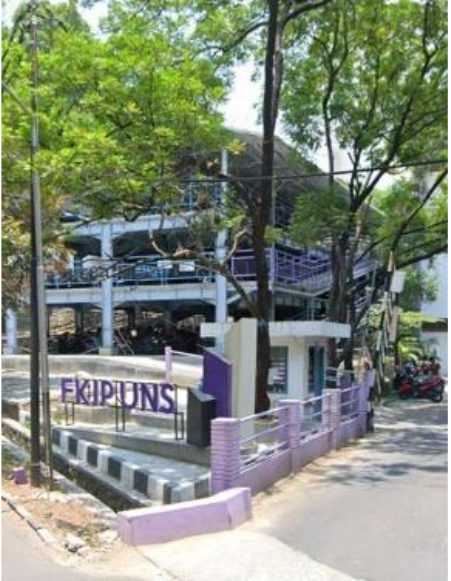
UNS promotes more efficient campus land use by redeveloping conventional parking facilities at FKIP into a multi-level parking facility. The previous parking arrangement occupied a considerable horizontal area, while the new vertical facility increases parking capacity through more efficient use of the existing site.
This project shows how vertical construction can optimize previously developed land rather than horizontal expansion. By increasing the capacity of existing parking areas, UNS seeks to reduce the need for additional land for vehicle parking and preserve space for other campus functions, including green spaces and pedestrian areas.
6. Redevelopment of the HB Sutopo Parking Area into an Integrated FSRD Laboratory Building
UNS has also redeveloped the HB Sutopo Building parking area into an academic facility for the Faculty of Fine Arts and Design (FSRD) by developing an Integrated Laboratory Building. The university’s procurement records identify the project as renovating the HB Sutopo Building parking area into a lecture building.
The construction procurement process began in 2024, followed by a second construction phase tendered in July 2025. The project repurposes previously developed campus land for educational infrastructure, demonstrating a focus on making more productive use of existing campus sites rather than expanding into undeveloped areas.
Reference: UNS Procurement Portal – Procurement Records
7. Revitalization and Redevelopment of Underutilized Campus Buildings
UNS also supports optimizing existing campus infrastructure by renovating, remodeling, and revitalizing buildings that are no longer fully utilized or are less suitable for current institutional needs. These improvements allow existing structures and developed sites to accommodate new or improved academic and non-academic functions.
Rather than relying exclusively on new construction, this approach extends the use of existing campus assets and improves their functional value. Reusing and improving previously developed buildings supports more efficient land management and aligns with the university’s broader commitment to sustainable campus development.
Conclusion
These initiatives show UNS’s efforts to prioritize brownfield sites where possible by redeveloping former building sites, adaptively reusing existing facilities, converting underutilized areas, and developing vertical infrastructure, illustrating the university’s commitment to making better use of previously developed land.
Through these practices, UNS seeks to accommodate institutional growth and improve campus facilities while minimizing the need to develop additional undeveloped land. This commitment to efficient land use and sustainable infrastructure supports SDG 11: Sustainable Cities and Communities.