

SDG 11 In Number
University expenditure (IDR)
1,561,027,263,159
University expenditure on arts and heritage (IDR)
220,320,172,206
11.4.8 Planning Development - New Build Standards
Implementation of Sustainable Building Standards in the Planning and Development of New Buildings
Universitas Sebelas Maret (UNS) is committed to integrating sustainable building standards into its campus infrastructure planning and development. Through institutional policies on energy efficiency, environmentally responsible construction, and green building practices, UNS promotes new buildings that minimize environmental impacts and use resources efficiently. These commitments are reflected in energy-efficient building features, smart building technologies, renewable energy, water conservation, and green open spaces across campus facilities. By incorporating sustainability principles into building planning, construction, and renovation, UNS supports SDG 11 and helps develop a more sustainable, environmentally responsible campus.
1. Sustainable Building Standards Policy
UNS demonstrates its commitment to sustainable building development through institutional policies that promote energy efficiency and environmentally responsible construction and renovation. Rector’s Circular Letter No. 83.4/UN27/HK.06/2024 provides guidance on implementing energy-efficiency standards for renovating existing buildings and constructing new ones. This policy establishes a framework for integrating sustainable building standards into campus infrastructure planning and development.
The policy emphasizes improving energy efficiency, incorporating energy-saving equipment, utilizing renewable energy, increasing vegetation, and maintaining green open spaces. It also requires buildings to allocate and maintain at least 30% of designated development blocks as green open space (Ruang Terbuka Hijau/RTH), while maintaining proportional land use. These provisions encourage resource-efficient building development, reduce environmental impacts, and support a more sustainable campus environment.
Through this policy framework, UNS integrates environmental considerations into campus building planning, construction, and management. Implementing sustainable building standards contributes to SDG 11 by promoting sustainable infrastructure, efficient land use, and environmentally responsible urban and campus development.
References:
- Rector’s Circular Letter No. 83.4/UN27/HK.06/2024 – Energy Efficiency Standards for Building Renovation and New Construction (October 1, 2024)
- Rector’s Circular Letter No. 2365.2/UN27/HK.06/2023 – Renovation and Construction of New Buildings at UNS Must Use Energy Efficiency Standards (June 12, 2023)
2. Energy Efficiency in Building Design and Construction
UNS promotes energy efficiency in campus buildings through sustainable design and energy-saving measures. These efforts aim to reduce electricity consumption, optimize energy use, and minimize the environmental impact of campus infrastructure. Energy efficiency is a key consideration in planning, construction, and renovation of university buildings, in line with the university’s energy-efficiency policy.
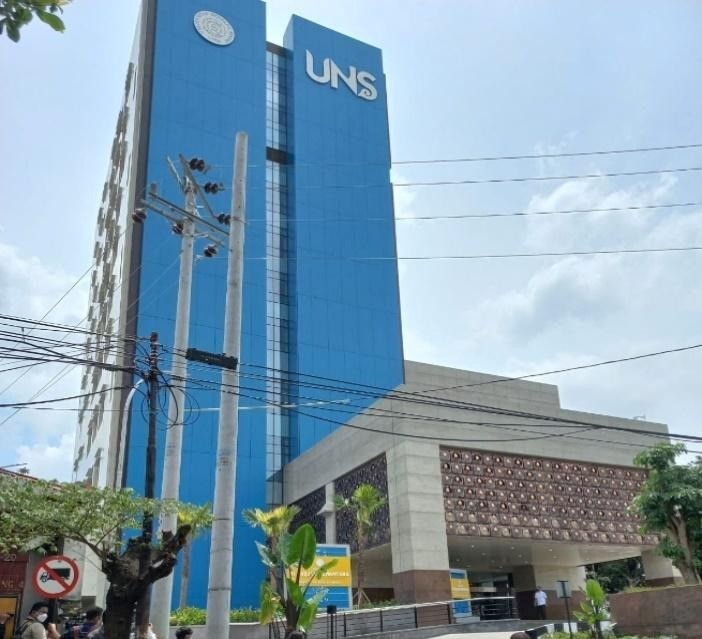
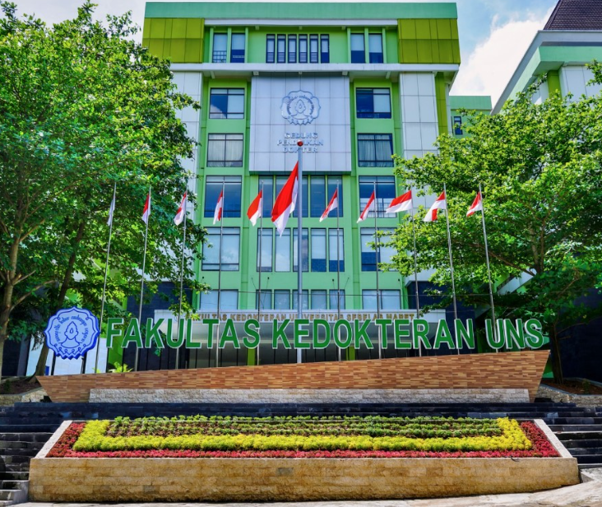
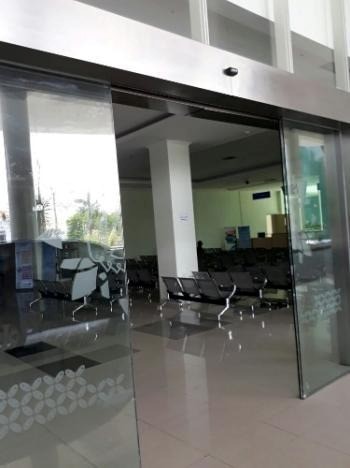
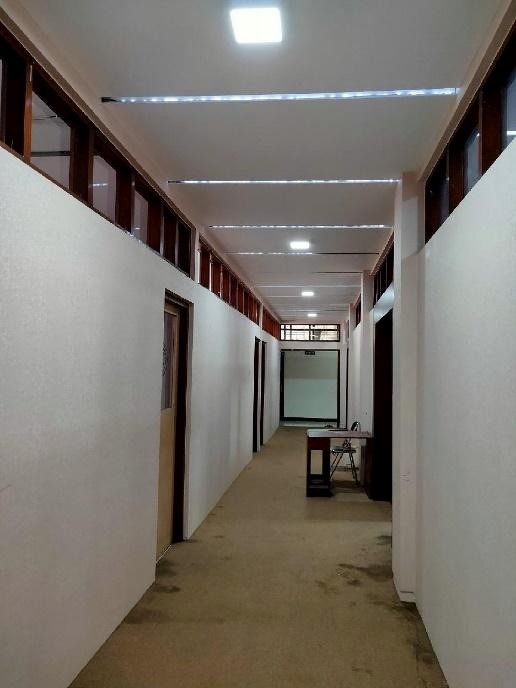
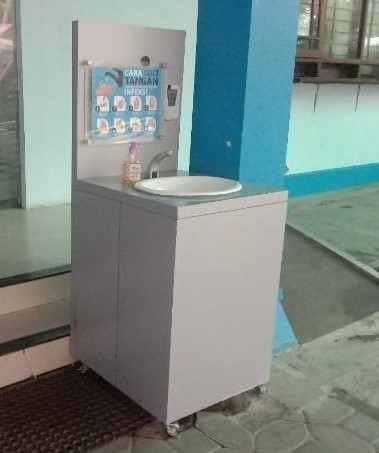
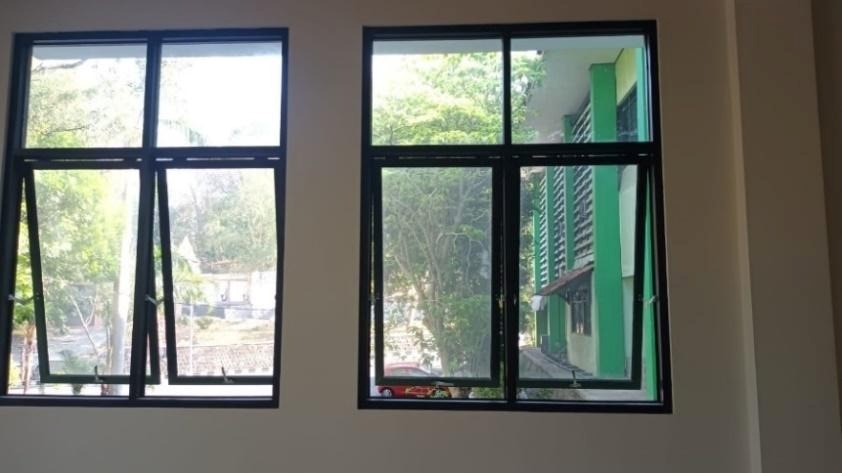
Several campus facilities implement energy-efficient building features. The Ki Hajar Dewantara Tower incorporates energy-saving principles, while the Faculty of Medicine includes smart building features. Other examples include automatic doors at UNS Hospital, automatic sensor lighting at the Faculty of Teacher Training and Education (FKIP), LED lighting, natural lighting at the Faculty of Agriculture, and automatic water faucets at the Faculty of Mathematics and Natural Sciences (FMIPA). These features demonstrate the application of sustainable building principles in campus infrastructure.
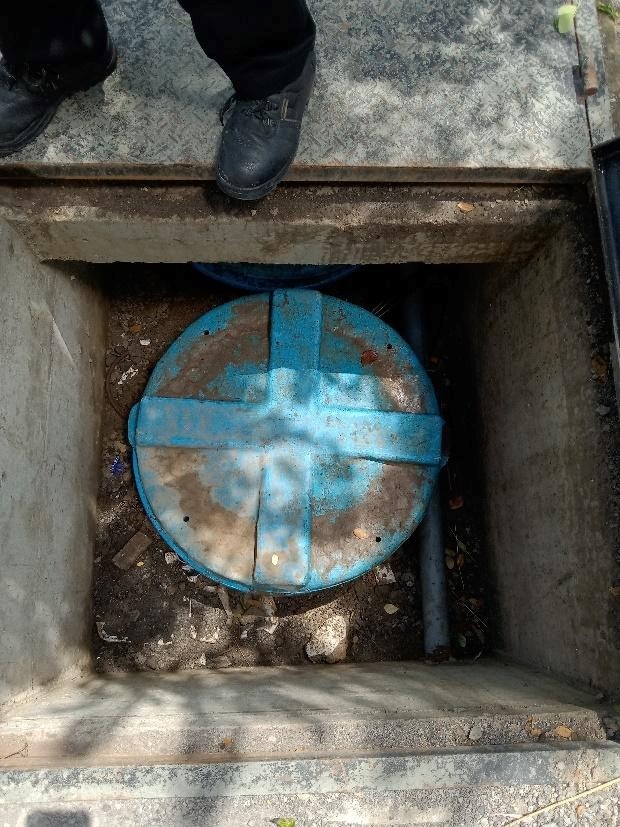
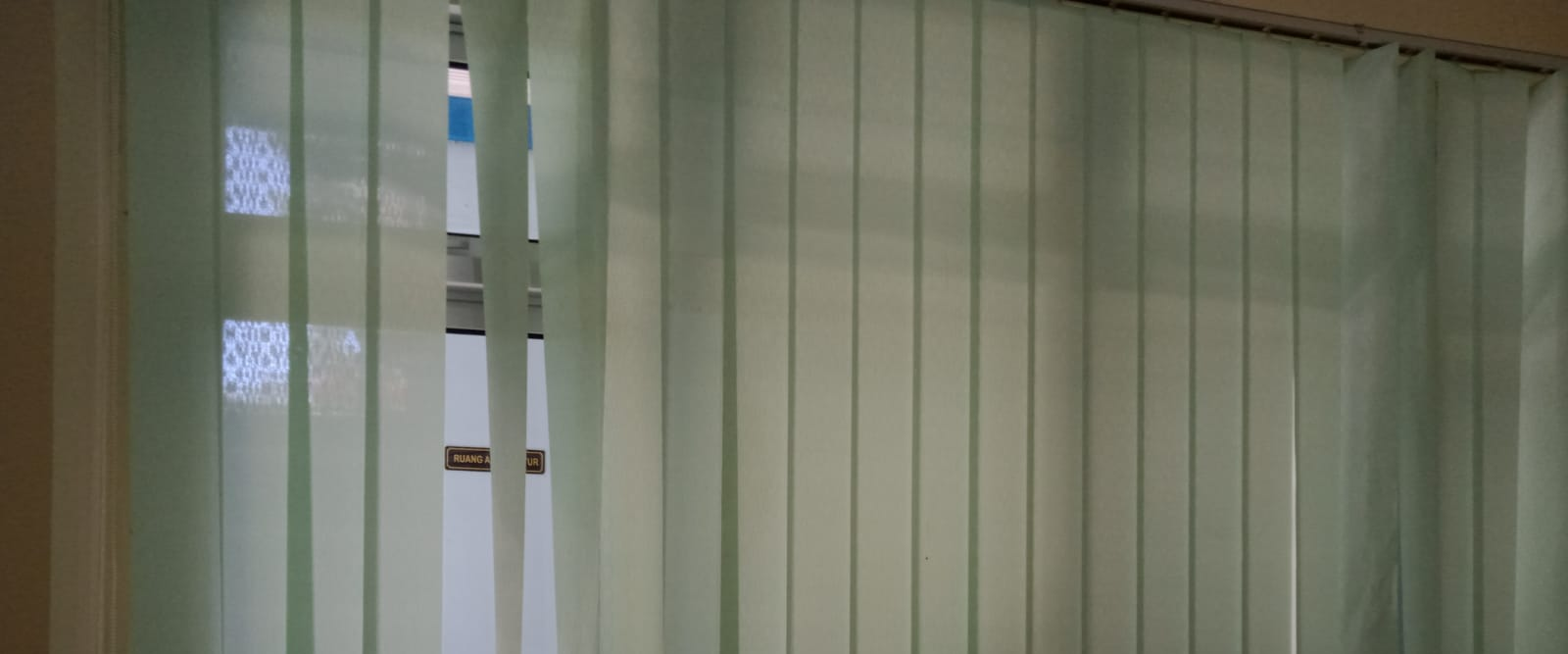
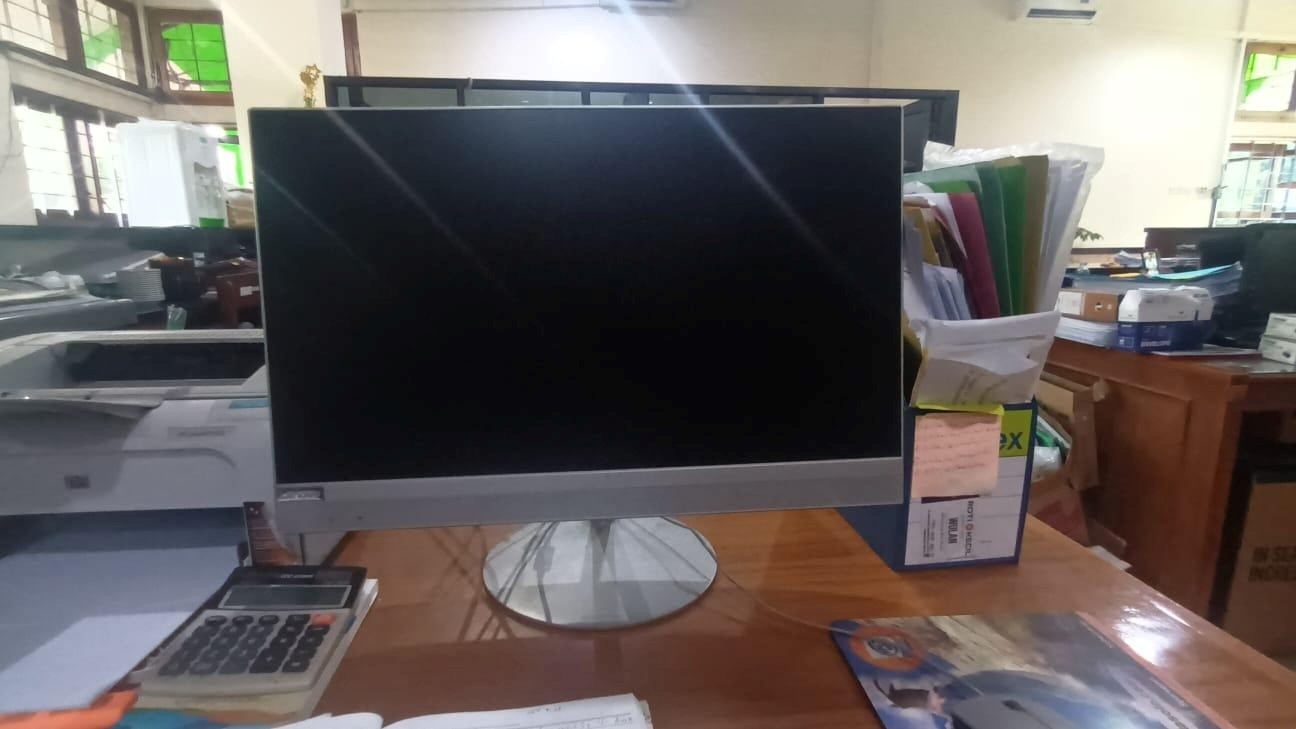
Additional measures include infiltration wells at the Ki Hajar Dewantara Building, energy-efficient LED computers at the Faculty of Agriculture, and window curtains at FMIPA to support indoor environmental management. Together, these measures reflect UNS’s efforts to incorporate energy efficiency, water conservation, indoor environmental quality, and environmentally responsible building operations into campus development, supporting SDG 11 through more sustainable and resource-efficient buildings.
References:
3. Smart Building Implementation Across Campus Buildings
UNS supports sustainable building development by implementing smart building features across its campus infrastructure. UNS has identified 46 buildings with various smart building features covering automation, safety, energy, water management, indoor environmental quality, and lighting. These features improve building efficiency and support the implementation of sustainable building principles.
The documented smart building facilities include the Ki Hajar Dewantara Tower, UNS Hospital, Library Building, Rectorate Building, Faculty of Medicine buildings, Faculty of Engineering buildings, and other faculty facilities. The total area of buildings classified as smart buildings reaches 418,666.42 m², representing approximately 80% of the university’s total building area of 523,299 m². This demonstrates how UNS has integrated energy-efficient and environmentally responsible features into its campus infrastructure.
Implementing these features supports the university’s sustainable building standards by improving building performance, resource efficiency, safety, and indoor environmental quality. These efforts contribute to SDG 11 by developing and managing more sustainable campus buildings.
References:
4. Green Building Principles and Environmentally Responsible Building Practices
UNS further demonstrates its commitment to sustainable building development by applying green building principles across campus facilities. The university’s green building implementation is reflected in several environmental elements, including energy efficiency, water conservation, indoor environmental quality, resource management, and reduced environmental impacts from building operations. These principles are consistent with the Green Building Index (GBI) framework and provide a reference for evaluating environmentally responsible building practices.
Examples include natural lighting at the Center of Excellence for Javanology and UNS Hospital; energy-efficient lighting at FKIP; solar panel use at UNS Inn; infiltration wells at campus facilities; rainwater harvesting; and energy-efficient equipment. These facilities demonstrate how environmental considerations are incorporated into building operations and campus infrastructure management.
According to the university’s UI GreenMetric evidence, UNS has implemented more than three main green building elements across its buildings. Although further improvements are needed to achieve more comprehensive green building standards, these initiatives demonstrate the university’s ongoing efforts to integrate sustainable building principles into campus development and support SDG 11.
References:
5. Research and Knowledge Development in Green Building Design and Construction
In 2025, UNS also supported the advancement of sustainable building knowledge through academic activities focused on green building design and construction. On November 23, 2025, the Civil Engineering Study Program at the Faculty of Engineering organized the International Seminar Civilweek 2025 under the theme “Towards a Greener Future: Innovations and Strategies in Green Building Design and Construction.”
The seminar addressed important aspects of sustainable building development, including energy efficiency, environmentally friendly building materials, low-carbon construction, and sustainable construction strategies. It provided a platform for academics, students, and practitioners to exchange knowledge and discuss innovations in environmentally responsible building design and construction.
These academic activities strengthen the knowledge base supporting sustainable building development at UNS. By promoting research, innovation, and knowledge exchange on green building design and construction, UNS supports the broader implementation of sustainable building standards and contributes to SDG 11.
Reference: International Seminar Civilweek 2025: Towards a Greener Future – Faculty of Engineering, UNS.
Conclusion
Through institutional policies, energy-efficiency requirements, smart building implementation, and the integration of green building principles, Universitas Sebelas Maret demonstrates its commitment to incorporating sustainable building standards into campus infrastructure planning, construction, and renovation. Rector’s Circular Letters No. 2365.2/UN27/HK.06/2023 and No. 83.4/UN27/HK.06/2024 provide an institutional framework to ensure that new buildings and renovation projects follow energy-efficient and environmentally responsible development principles.
These initiatives demonstrate UNS’s efforts to build and manage campus infrastructure in accordance with sustainable building principles, emphasizing energy efficiency, renewable energy, water conservation, green open spaces, and responsible resource management. Through these measures, UNS contributes to SDG 11 by promoting sustainable, resource-efficient, and environmentally responsible buildings and campus development.