
SDG 6 In Number
Volume of water used in the university: Inbound (treated/extracted water) (m³)
60,056
Campus population
31,279
6.3.4 Water-Conscious Building Standards
Implementation of Water-Conscious Building Standards to Minimize Water Use
In line with SDG 6: Clean Water and Sanitation, Universitas Sebelas Maret (UNS) is strongly committed to implementing water-conscious building standards to ensure efficient, sustainable use of water resources across its campuses. As part of the university’s broader Green Campus initiative, UNS adopts strategies in building design, construction, and maintenance to minimize water use, promote water conservation, and reduce the environmental impact of campus operations. The UNS Green Campus Action Plan 2025–2029 guides these efforts, emphasizing innovation in water-saving technologies and the development of eco-friendly infrastructure.
UNS consistently demonstrates its commitment to sustainable water management by applying water-conscious building standards across its campuses. These standards are reflected in the installation, upgrading, and maintenance of water-efficient building fixtures and infrastructure designed to minimize water use in daily campus activities. The implementation focuses on high-frequency water-use areas, particularly toilets, showers, and handwashing facilities, using water-saving toilet flush systems, efficient showerheads, and automatic sensor faucets.
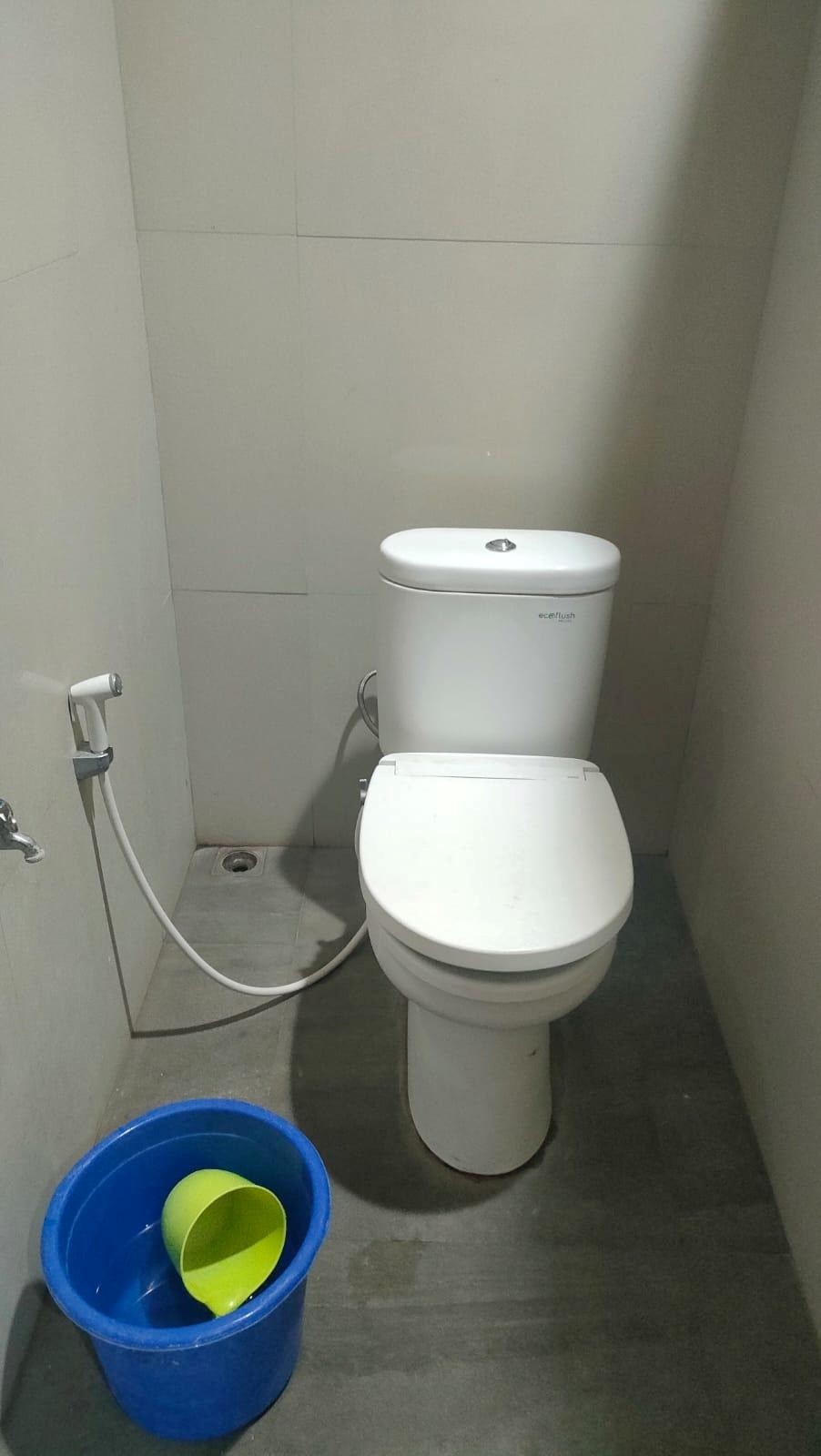
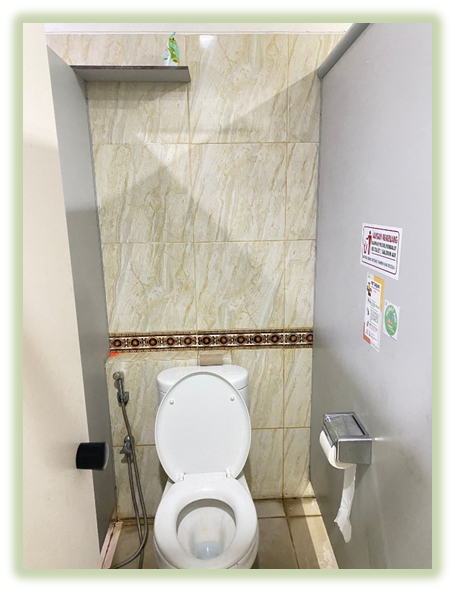
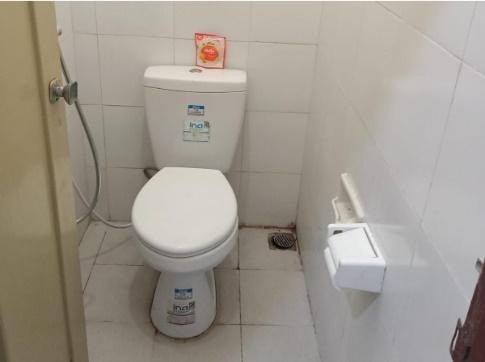
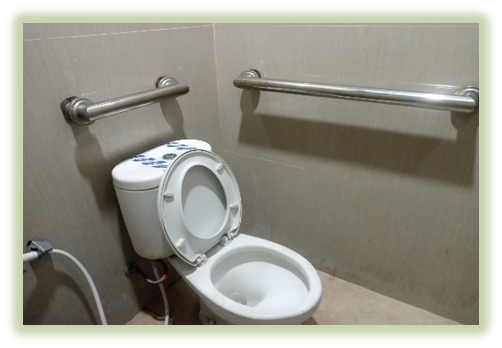
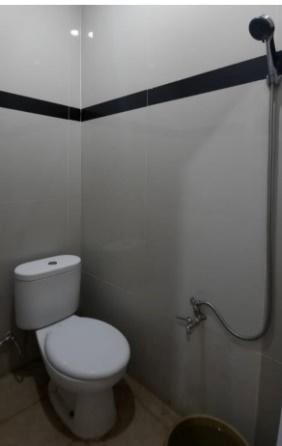
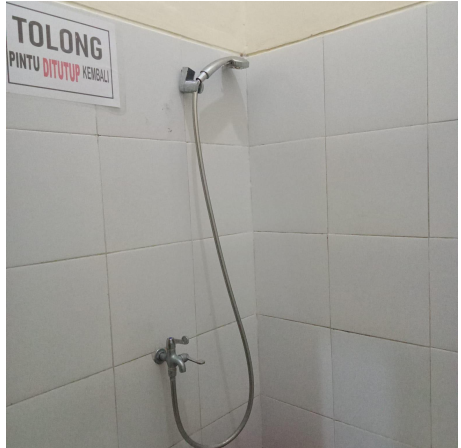
One concrete action is installing and upgrading water-efficient toilet facilities across faculties and campus buildings. The 2026 inventory records 856 water-efficient toilets out of 1,514 units (56.54%). Many of these facilities are also accessible to people with disabilities, demonstrating the integration of water-conservation measures with inclusive building design. To further promote efficient water use, several buildings are equipped with shower facilities. The inventory records 98 efficient showerheads out of 98 units (100%), allowing users to control water consumption during daily hygiene activities.
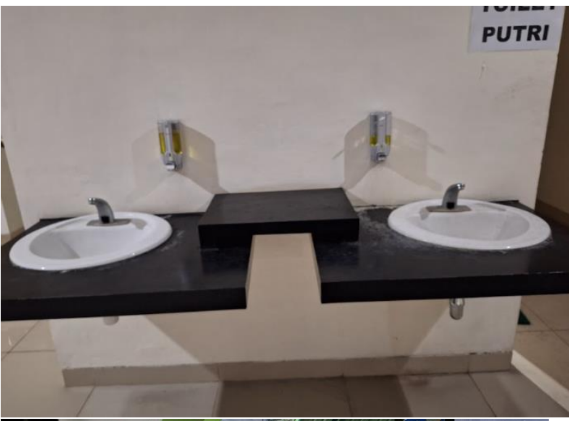
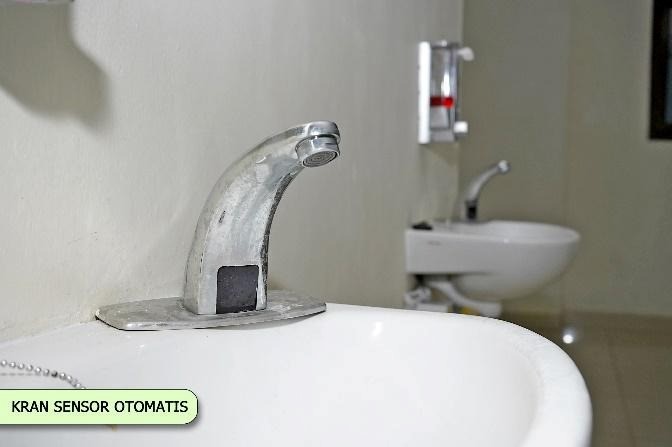
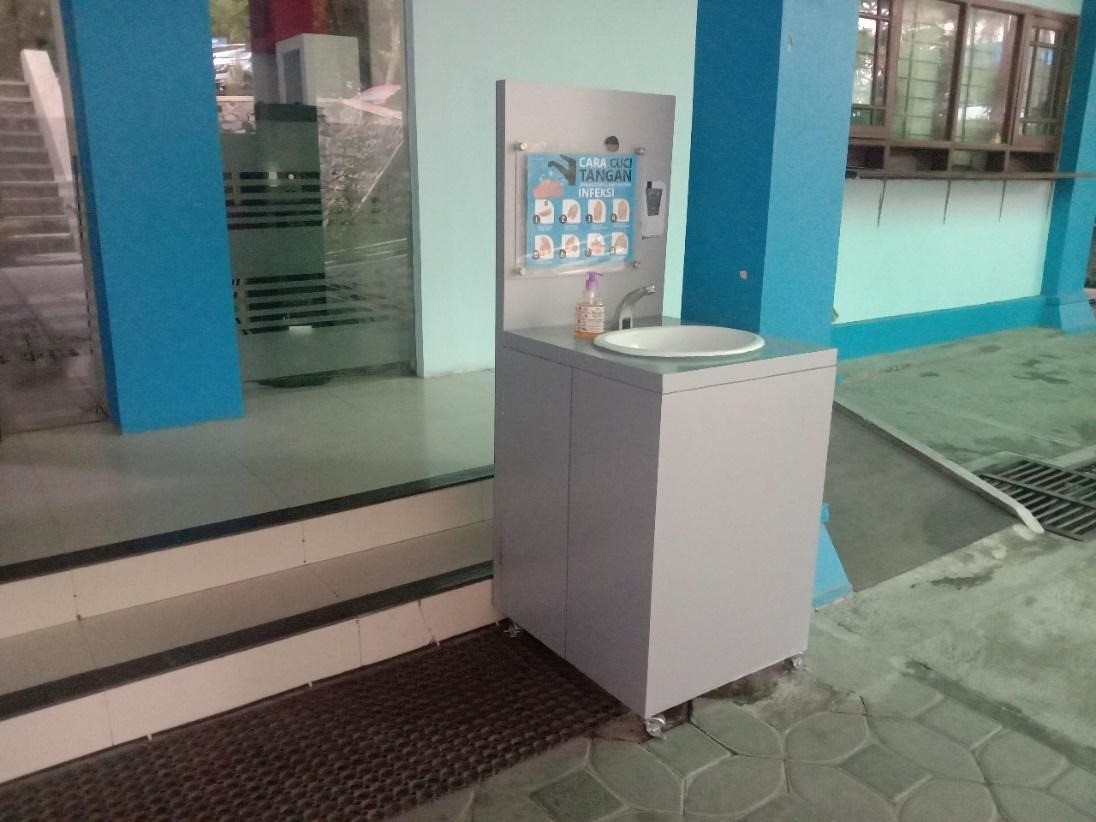
Additionally, the inventory records 322 efficient taps out of 1,428 units (22.55%) across UNS facilities. Several faculties have installed automatic sensor faucets, including the Faculty of Medicine, Faculty of Agriculture, and Faculty of Mathematics and Natural Sciences. These faucets release water only when needed, preventing unnecessary water flow and reducing avoidable water consumption. Overall, the reported average coverage of water-efficient appliances reaches 59.69%. Implementing these water-saving devices directly reduces clean-water consumption and minimizes the volume of wastewater discharged to the Wastewater Treatment Plant (WWTP) at the UNS Kentingan Campus.
Beyond water-efficient building fixtures, UNS integrates water conservation measures into its campus infrastructure and landscape planning. Through the Green Campus Action Plan 2020–2024, the university built shallow infiltration wells and biopore infiltration holes across campuses to increase groundwater recharge and support rainwater absorption. The milestones achieved include:
Shallow Infiltration Wells:
- 175 units built in total.
- 100 units in Kentingan Campus.
- 17 units in FKOR Manahan Campus.
- 15 units in PGSD Campus.
- 10 units each in Pabelan and JPTK FKIP Campuses.
- 8 units in Mesen Campus.
Biopore Infiltration Holes:
- 1,150 units built in total.
- 250 units in Kentingan Campus.
- 100 units in FKOR Manahan Campus.
- 250 units in Ngoresan Campus.
- 150 units in Pabelan Campus.
- 200 units in PGSD Campus.
- 100 units in Mesen Campus.
These initiatives are complemented by maintaining open soil, grass-covered areas, and permeable paving surfaces that facilitate rainwater infiltration. The 2026 campus inventory records 280,819 m² of water absorption areas distributed across 16 campus sites, representing approximately 6.24% of the university’s total campus area of 4,500,174 m². These permeable surfaces support groundwater recharge, reduce surface runoff, and strengthen sustainable water management across the campus environment.
By integrating water-conscious building standards, water-efficient sanitation and handwashing fixtures, and rainwater absorption infrastructure, UNS incorporates water conservation into its building development, facility management, and campus planning practices. These measures demonstrate the university’s institutional commitment to minimizing water use, improving water efficiency, and promoting sustainable water management. By reducing clean-water consumption and supporting groundwater conservation, UNS contributes directly to SDG 6: Clean Water and Sanitation, while ensuring that campus infrastructure development supports long-term environmental sustainability.
References: