
SDG 3 In Number
Number of graduates
6.192
Number of graduates in health professions
927
3.3.1 Current Collaborations With Health Institutions
Universitas Sebelas Maret (UNS) is committed to improving health and well-being outcomes through current collaborations with local, national, and international health institutions and partners. In 2025, UNS engaged in collaborative initiatives addressing key health challenges, including mental health awareness, maternal and child health, access to healthcare during disaster recovery, herbal medicine development, and digital skills in medical education. These collaborations bring together healthcare providers, government agencies, community organizations, and international academic and professional institutions to strengthen health education, preventive services, research, and healthcare capacity.
A. LOCAL COLLABORATION
1. UNS Hospital and Kartasura Community Health Center Collaborate to Improve Mental Health Awareness and Early Detection
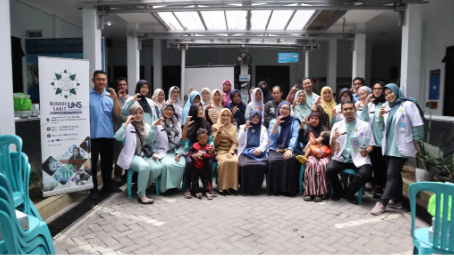
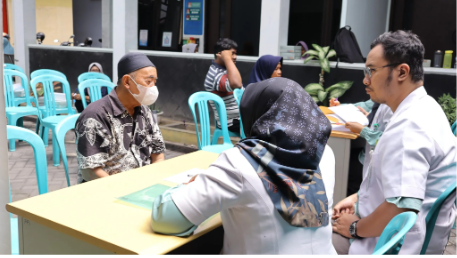
In October 2025, Universitas Sebelas Maret (UNS), through UNS Hospital, the hospital’s Psychiatry Medical Staff Group, and UNS Psychiatry Residency Program, collaborated with Kartasura Community Health Center (Puskesmas Kartasura) to improve local health and well-being outcomes through mental health education and early detection services. Held on October 14, 2025, in commemoration of World Mental Health Day, the activity featured an educational session on the importance of detecting mental health disorders as early as physical health conditions.
The program provided patients and their family members with opportunities to learn about mental health, participate in mental health screening, and consult directly with a psychiatrist. Participants requiring further support could receive additional consultations with dr. Lisetiawati, Sp.KJ. Through this collaboration between a university hospital and a local primary healthcare institution, UNS helped raise public awareness of mental health, encourage early detection, and improve access to professional support, contributing to better mental health and well-being in the local community.
2. Paragonian Bergerak for Healthy Mothers and Happy Toddlers: A Local Collaboration for Maternal and Child Health
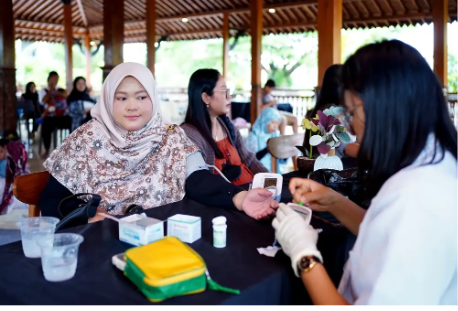
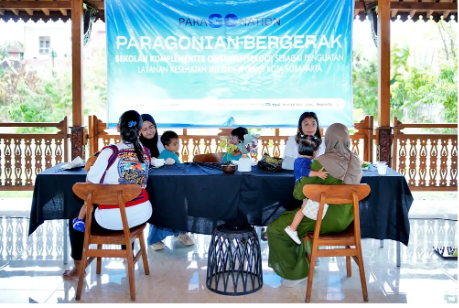
In October 2025, Universitas Sebelas Maret (UNS), through lecturers from the Undergraduate Midwifery and Midwifery Professional Education programs at the Faculty of Medicine, collaborated with PT Paragon Technology and Innovation and the Sekolah Komplementer Cinta Ibu (SEKOCI) community to improve local health and well-being outcomes for pregnant women and mothers with toddlers in Surakarta. The collaboration included educational sessions on maternal health, pregnancy relaxation, parenting, age-appropriate child nutrition, and child development, followed by free health screenings and consultations at DNA Spot Café Surakarta on October 26, 2025.
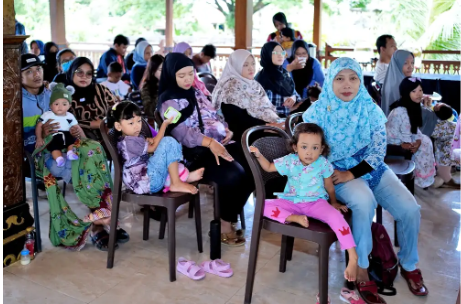
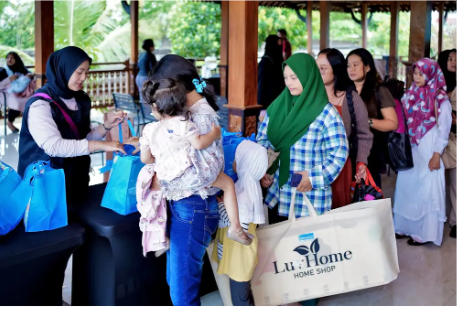
The health services included blood pressure and blood glucose checks, as well as consultations on child growth and development. The program also provided practical support for maternal and child well-being through educational activities and health-related supplies for pregnant women and toddlers. Supported by the Surakarta City Government and the Surakarta City Health Office, this cross-sector collaboration connected the university’s academic expertise with community initiatives and private-sector support to strengthen local preventive and health promotion services. Through this ongoing initiative, UNS helped improve maternal and child health, support family well-being, and promote healthier communities.
B. NATIONAL COLLABORATION
1. UNS Collaborates with UNIMAL SAR and Langkahan Community Health Center to Restore Healthcare Services in Disaster-Affected Aceh Utara
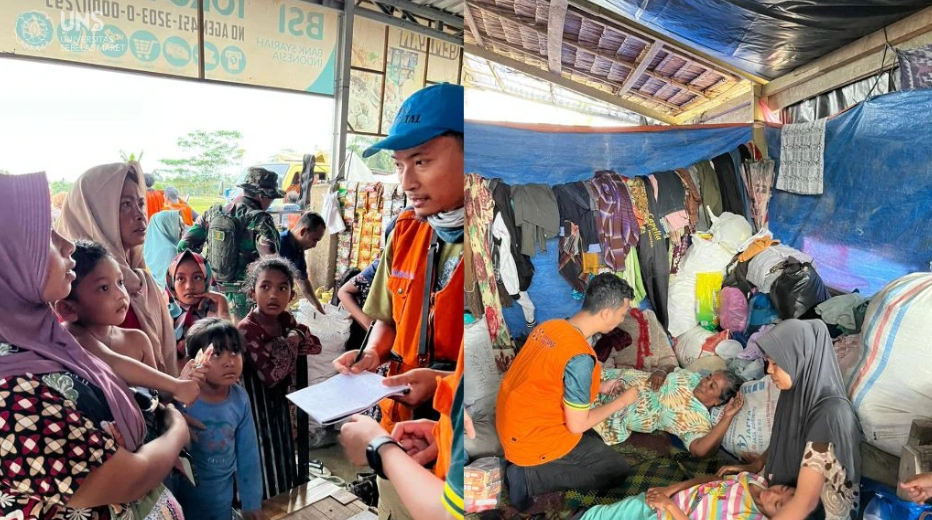
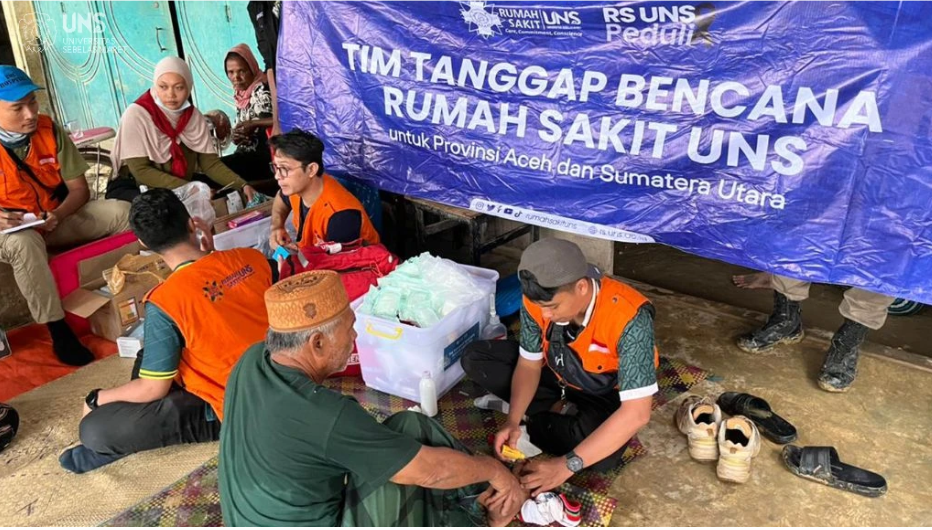
From December 9–11, 2025, Universitas Sebelas Maret (UNS) deployed its UNS Cares for Sumatra Task Force to support disaster response and improve health and well-being outcomes in Aceh Utara, Aceh. The team, made up of medical personnel and volunteers, collaborated with the Search and Rescue team of Universitas Malikussaleh (UNIMAL) and Langkahan Community Health Center (Puskesmas Langkahan) to provide mobile healthcare services, distribute essential supplies, and coordinate the recovery of disaster-affected healthcare facilities. On December 9, the medical team treated 39 residents in Jambo Aye and Langkahan, followed by 29 residents at an evacuation shelter in Rumoh Rayeuk Village on December 10.
The collaboration also focused on restoring access to essential healthcare for communities facing difficult travel conditions and disrupted medical services. On December 11, UNS teams and UNIMAL SAR met with the head of Langkahan Community Health Center to discuss recovery measures, including plans to establish emergency medical services and restore the health center’s operations. Through this cross-institutional collaboration, UNS supported the delivery of basic medical care to disaster-affected residents, including children and older people, while coordinating with local healthcare providers to strengthen access to healthcare and support community recovery.
2. UNS–BPOM Collaboration to Advance Herbal Medicine Research and Improve Health Outcomes in Indonesia
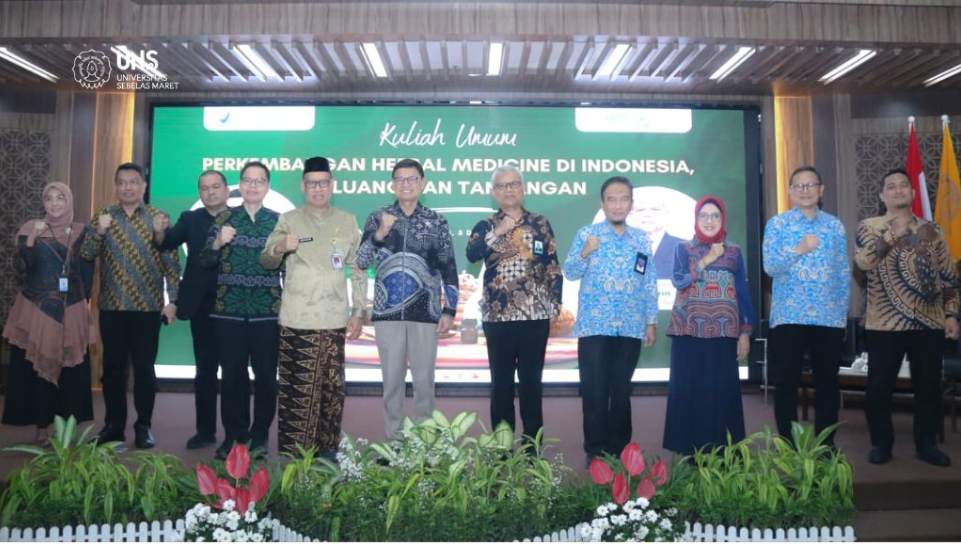
In December 2025, Universitas Sebelas Maret (UNS), through its Faculty of Medicine, engaged in a national collaboration with Indonesia’s National Agency of Drug and Food Control (BPOM) to strengthen herbal medicine research and support the development of safe, standardized, and effective herbal medicines. This collaboration was highlighted during a public lecture titled “The Development of Herbal Medicine in Indonesia: Opportunities and Challenges,” delivered by BPOM Head Prof. Taruna Ikrar at UNS and attended by more than 100 medical students and postgraduate students. The session addressed key challenges in herbal medicine development, including research standardization, product development, industrialization, and access to healthcare services.
During the event, BPOM said it is ready to work with UNS to strengthen research, improve product standardization, and encourage the integration of herbal medicines into healthcare services. UNS also outlined plans to develop a Tropical Herb Medicine and Biomedical Engineering Center integrated with UNS Hospital, drawing on its medical, pharmaceutical, agricultural, and biomedical research facilities. Through this national collaboration, UNS and BPOM aim to bridge academic research and practical healthcare applications, support the development of standardized herbal medicines and phytopharmaceutical products, and improve health and well-being outcomes for the Indonesian population.
C. INTERNATIONAL COLLABORATION
UNS–European Consortium Collaboration to Strengthen Digital Skills in Medical Education through the DISCERN DSS Project
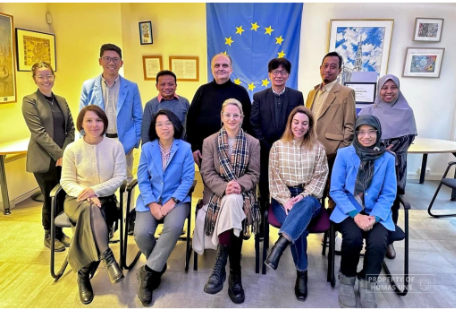
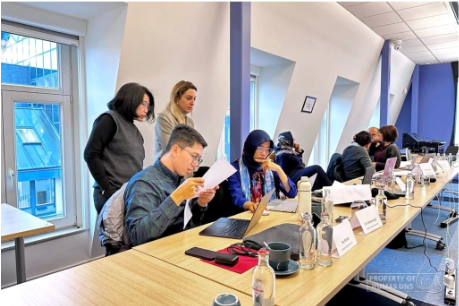
In 2025, Universitas Sebelas Maret (UNS), through its Faculty of Medicine, participated in an international collaboration under the Digitally Enhanced Scenario-Based Learning for Digital Soft Skills (DISCERN DSS) project, funded by the European Commission through the Erasmus+ Capacity Building in Higher Education program. The consortium includes UNS, Universitas Gadjah Mada, Universitas Muhammadiyah Yogyakarta, the European Union of Medical Specialists in Belgium, and Karolinska Institutet in Sweden, with Aristotle University of Thessaloniki in Greece serving as the consortium coordinator. The project aims to improve medical students’ digital skills through interactive, scenario-based learning and by transferring knowledge to lecturers and academic staff.
The collaboration began with a kick-off meeting in Brussels, Belgium, on February 11–13, 2025, where partners aligned project objectives and planned activities for 2025–2027. The partners also agreed to develop digital soft skills programs for integration into medical and health education curricula, including a Training of Trainers program. Through this international collaboration, UNS works with European and Indonesian academic and professional institutions to strengthen digital competencies in future healthcare professionals, improve the quality of medical education, and support better health and well-being outcomes by using digital technology more effectively in healthcare.
Source: https://uns.ac.id/id/kerja-sama-uns/fk-uns-menjadi-salah-satu-partner-erasmus-project.html
Conclusion
Through these collaborations, UNS helps improve access to healthcare services, promote disease prevention and early detection, strengthen health research, and build the capacity of current and future healthcare professionals. By working with partners across local, national, and international levels, UNS connects academic expertise with practical health needs and community priorities. These ongoing collaborative efforts demonstrate the university’s commitment to improving health and well-being outcomes and strengthening more responsive healthcare systems.