Student Representation on UNS Governing Body
Universitas Sebelas Maret (UNS) ensures formal and elected student representation in its highest governing body, the Board of Trustees (Majelis Wali Amanat/MWA).
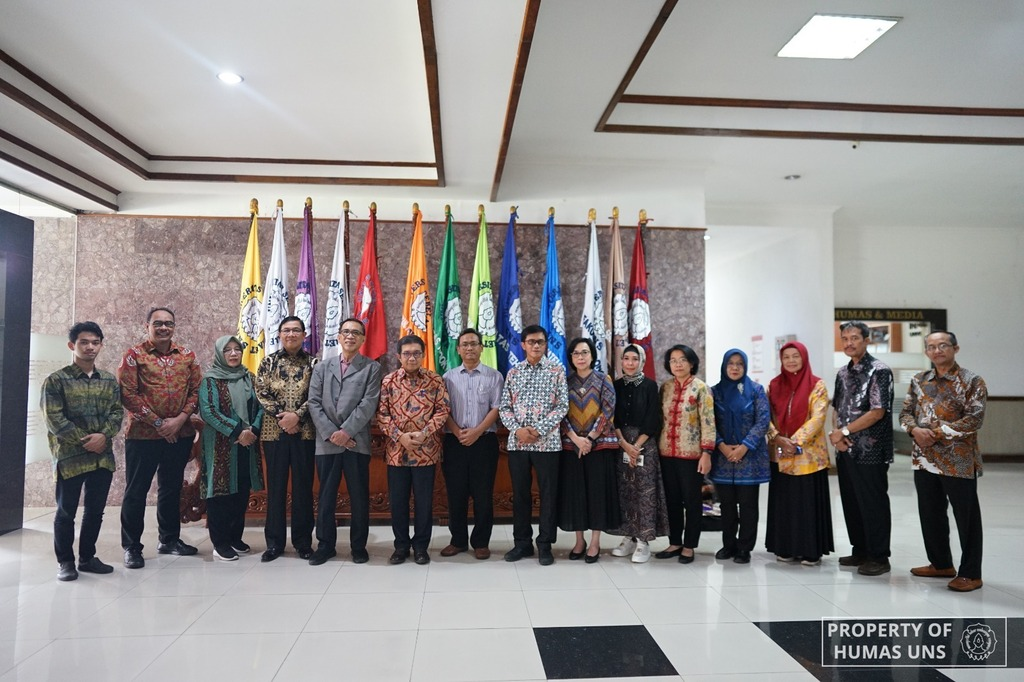
Under Government Regulation No. 56 of 2020, UNS as a Legal Entity State University (PTN-BH) establishes the MWA as the supreme governance body responsible for strategic decision-making, including approval of the university’s strategic plan and annual budget, appointment and dismissal of the Rector, and oversight of non-academic management.
The MWA consists of 17 members, comprising:
- Ex officio members (Minister, Rector, Chair of Academic Senate)
- 4 representatives from society
- 7 representatives from the Academic Senate
- 1 alumni representative
- 1 representative of the educational staff
- 1 elected student representative
The student member is selected through a democratic election process conducted by student representative bodies (e.g., Student Council/Dewan Mahasiswa) before being formally appointed. The position is limited to a one-year non-consecutive term, ensuring continuous renewal and broader student participation. For recent periods, Ahmad Brian Anggoro (Faculty of Economics and Business) served as student representative for 2024–2025, and Muhamad Azhar (Faculty of Agriculture) serves as student representative for 2025–2026.
Importantly, the student representative holds equal voting rights with other MWA members in strategic decision-making processes, including rector selection and policy approval. The student member also holds equal standing in governance and participates directly in high-level decision-making processes. This demonstrates that student participation is substantive rather than symbolic.
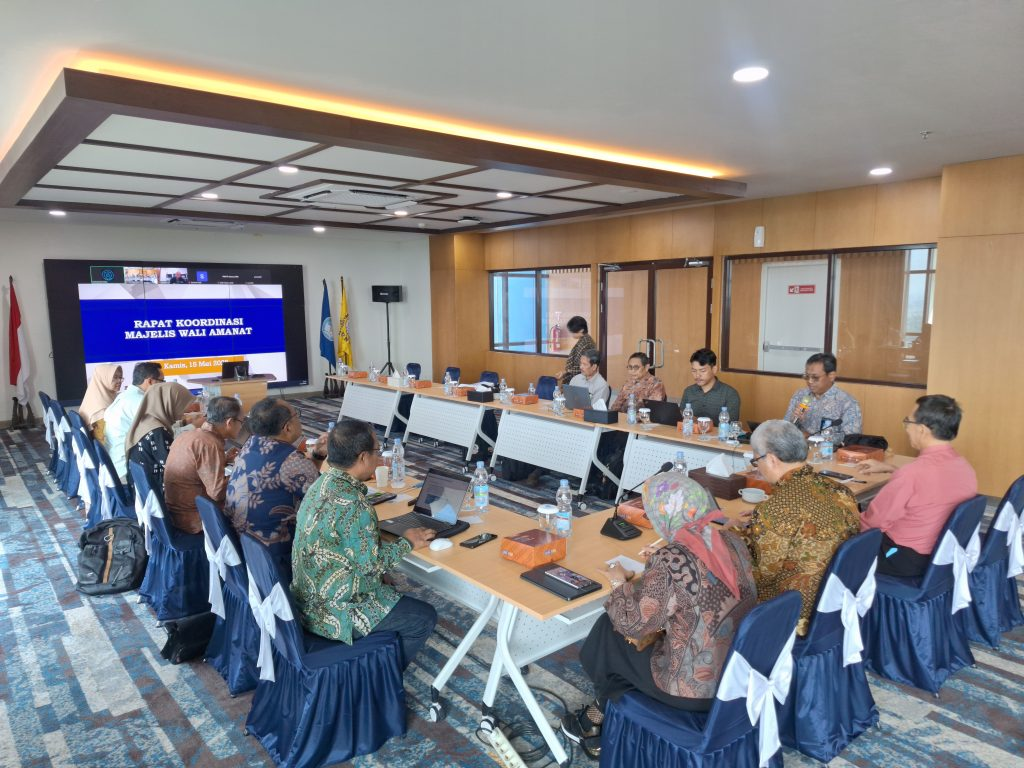
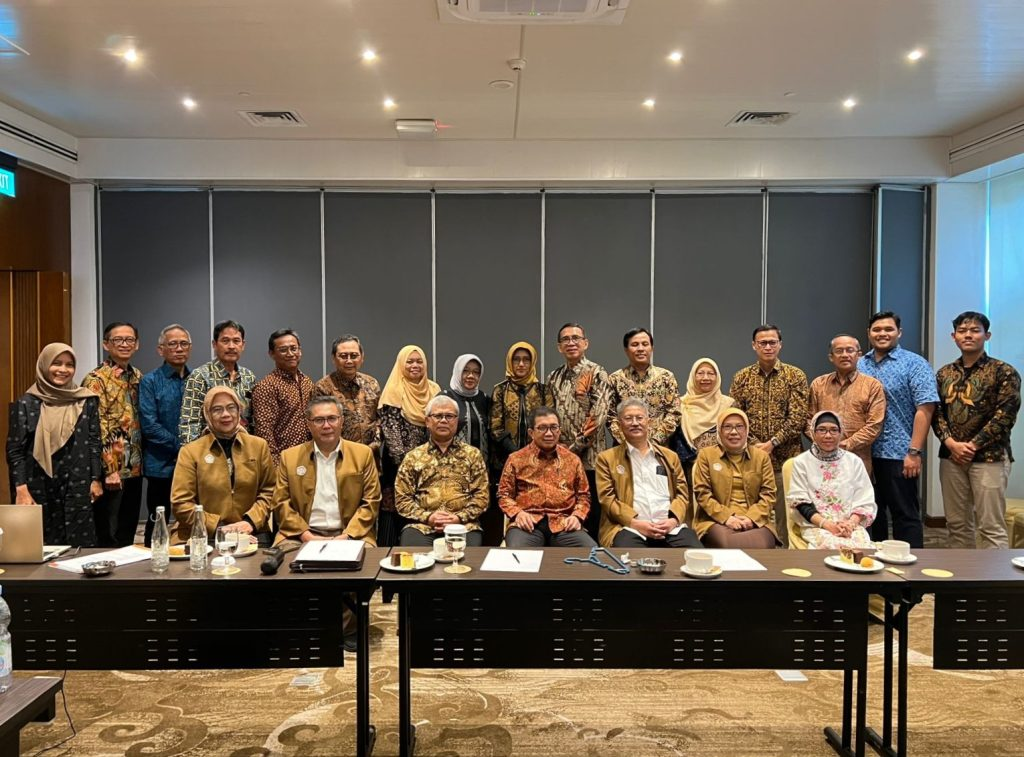
Evidence of active participation is demonstrated through official MWA meetings, where student representatives:
- attend and contribute to plenary and coordination meetings
- engage in discussions on strategic issues such as finance, human resources, and institutional planning
- serve in formal governance structures, including appointment as members of MWA commissions (e.g., Human Resources Commission)
Through this governance structure, UNS ensures:
- Direct student participation at the highest decision-making level
- Elected and legitimate representation of the student body
- Inclusive governance, involving students, faculty, and staff
- Accountability and transparency
This confirms that student representation at UNS is active, substantive, and institutionalized, rather than symbolic.
Supporting Evidence:
- Official MWA UNS Website
- MWA Plenary Meeting, August 2025
- MWA Coordination Meeting, May 2025
- MWA Coordination Meeting, July 2025 (A student representative member was appointed as a member of the Human Resources Commission)
- Minister of Education, Culture, Research and Technology Decree No. 26871/M/06/2024 on the Appointment of Members of the Board of Trustees (Majelis Wali Amanat/MWA) of Universitas Sebelas Maret (UNS) for the 2024–2029 term