

SDG 2 In Number
Total food waste (mt)
1,66
Campus population
31,279
Number of graduates
6,213
Number of graduates from agriculture and aquaculture courses including sustainability aspects
1,727
2.3.5 Staff Hunger Interventions
Supporting Food Security and Staff Well-Being through Campus Initiatives
Universitas Sebelas Maret (UNS) is committed to supporting employee well-being by ensuring access to essential food supplies and providing a supportive work environment. This commitment is reflected in several institutional initiatives designed to prevent or alleviate hunger, improve food accessibility, and promote healthy lifestyles among members of staff.
1. Promoting Healthy Lifestyles through Morning Exercise and Free Meals for Staff

UNS promotes a healthy, supportive work environment through regular morning exercise sessions held every Wednesday across various faculties and administrative units. These activities aim to improve physical fitness while strengthening social connections among university employees.
In addition to physical activities, UNS provides free shared meals for employees and staff after the exercise sessions. This initiative is a practical institutional intervention that supports staff well-being by providing access to food within the university environment. It also creates opportunities for employees to interact, build stronger relationships, and develop a sense of solidarity.
The meals are prepared with varied menus that consider balanced nutrition, helping staff meet their nutritional needs while encouraging healthier daily habits. By combining physical activity with free meals, UNS demonstrates its commitment to interventions that support food access and help prevent hunger and inadequate nutrition among staff.
This initiative contributes to SDG 2 by promoting food accessibility, supporting adequate nutrition, and ensuring that employees receive institutional support for their basic food needs.
Sources:
2. Providing Drinking Water and Food through Workplace Pantry Facilities

UNS supports staff well-being by providing drinking water and food in workplace pantry areas. These facilities allow employees to access basic food and beverages conveniently while carrying out their daily responsibilities on campus.
Food in staff pantries reflects an institutional effort to ensure access to essential supplies in the workplace. By making food available to employees, UNS provides practical support for their daily consumption needs and helps create a working environment that considers the basic welfare of its human resources.
Access to drinking water also supports staff hydration throughout the working day. Together, providing food and drinking water reflects UNS’s commitment to creating a workplace that prioritizes employee welfare, health, and access to basic necessities.
Through these facilities, UNS contributes to SDG 2 by supporting food accessibility and implementing practical measures to help prevent or alleviate hunger among members of staff.
3. Expanding Food Access through the UNS Food Bank
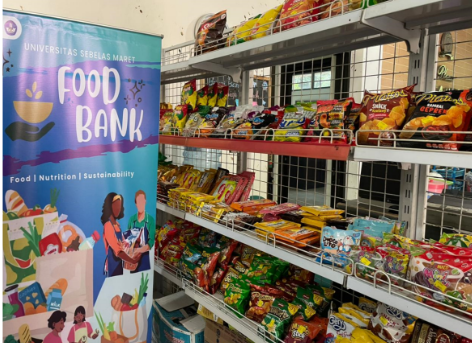
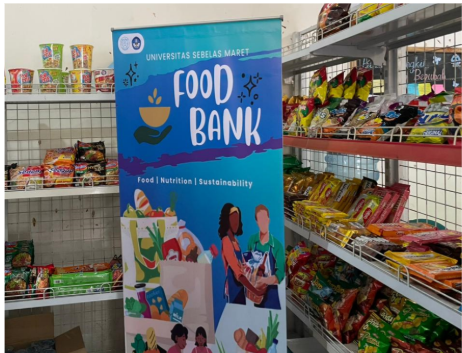
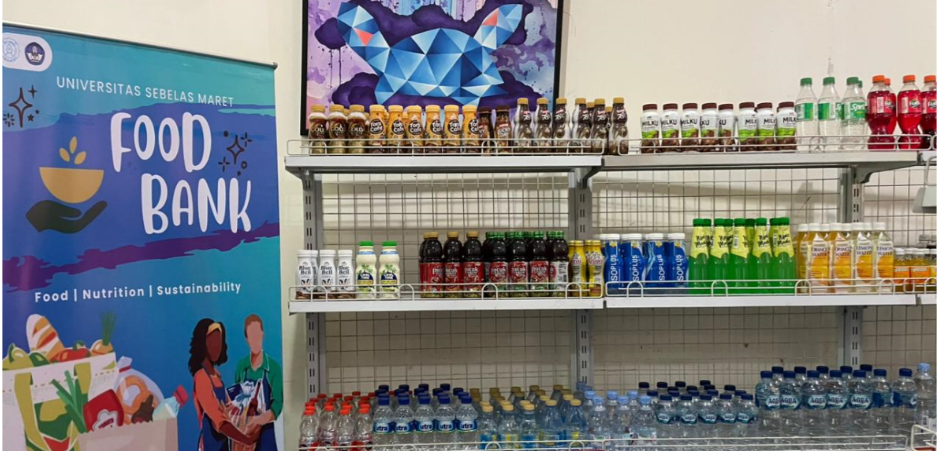
UNS operates a Food Bank program that functions as an on-campus food pantry, providing essential food supplies such as snacks, instant noodles, dairy products, and beverages. The program was established to support students from financially vulnerable backgrounds and those living away from their families who may experience difficulties meeting their daily food needs.
Beyond supporting students, the Food Bank facility also provides an institutional mechanism to help staff members access essential food supplies when needed. As an on-campus food pantry, it offers an additional channel for making food accessible to members of the university community, including employees.
By providing access to basic food supplies, the UNS Food Bank serves as a practical intervention to prevent or alleviate hunger and address food insecurity within the university environment. This initiative reflects UNS’s broader commitment to ensuring community members have access to essential food resources.
Through the Food Bank, UNS strengthens its contribution to SDG 2 by improving food accessibility, supporting people facing food insecurity, and promoting a more inclusive and supportive campus environment.