
SDG 2 In Number
Total food waste (mt)
1.75
Campus population
31.364
Number of graduates
6.192
Number of graduates from agriculture and aquaculture courses including sustainability aspects
1.705
2.5.2 Events For Local Farmers and Food Producers
UNS Initiatives in Supporting Local Farmers and Food Producers
As part of its strong commitment to food security and sustainable agricultural development, Universitas Sebelas Maret (UNS) regularly organizes various educational and collaborative activities to empower local farmers and food producers. Through festivals, seminars, and community service programs, UNS actively strengthens connections between academics, students, and farming communities to encourage knowledge exchange, technology sharing, and sustainable agricultural innovation. These initiatives not only expand farmers’ access to modern agricultural knowledge and environmentally friendly practices but also serve as a platform to recognize and appreciate the vital contribution of local farmers in supporting national food security.
- SEHATI 2024: UNS Strengthens Education and Appreciation for Local Farmers
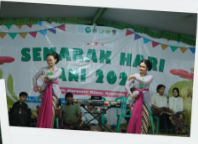
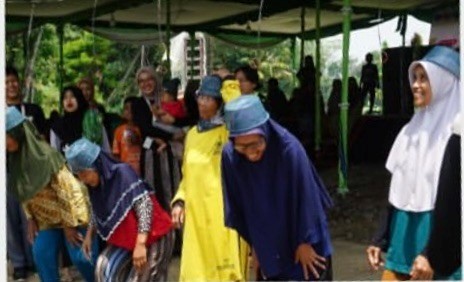
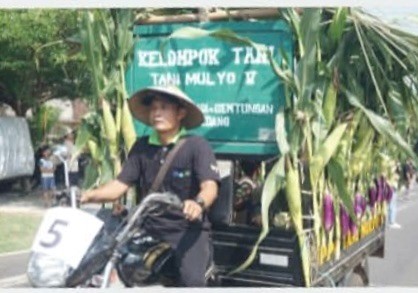
In response to the challenges of farmer regeneration and the lack of appreciation for the agricultural sector in Indonesia, the Village Partnership Development Ministry of the Student Executive Board, Faculty of Agriculture, Universitas Sebelas Maret (UNS), organized the Semarak Hari Tani (SEHATI) Bersama Desa event on 26–29 September 2024 at Embung Setumpeng, Gentungan Village, Mojogedang District, Karanganyar Regency, Central Java. This collaborative event served as a platform that connected local farmers, village communities, and academics to share knowledge and skills related to food security and sustainable agriculture.
Throughout the festival, various activities were held, including art performances, traditional candy-making workshops, MSME promotion sessions, discussions with agricultural figures, creative competitions, folk performances, and a farmers’ carnival parade. These activities served not only as a form of appreciation and celebration for local farmers but also as a knowledge and technology transfer event, facilitating direct interaction among students, lecturers, and the community.
Importantly, all sessions and activities were open and completely free of charge for local farmers and community members, ensuring inclusive access to information, innovation, and sustainable agricultural practices. This free participation model reflects UNS’s commitment to creating accessible learning opportunities for all food producers, particularly those in rural areas.
The SEHATI initiative demonstrates UNS’s active support for Sustainable Development Goal (SDG) 2: Zero Hunger by providing events that connect local farmers and food producers, enabling them to share knowledge. The outcomes of this activity include increased capacity and motivation among local farmer groups, strengthened collaboration between academics and rural communities, and greater awareness among the younger generation about the importance of sustainable agriculture.
As a follow-up, the Faculty of Agriculture at UNS plans to continue partnerships with local villages through community service programs, appropriate technology training, and applied research in organic agriculture and agroecology. Through these ongoing initiatives, UNS reinforces its role as a bridge between academic knowledge and local agricultural development, empowering communities and promoting long-term food security.
Source : https://www.instagram.com/p/DCYGCKEvvJH/?img_index=3
- Gebyar Memanen Festival with Young Farmers (GEMERICIK)
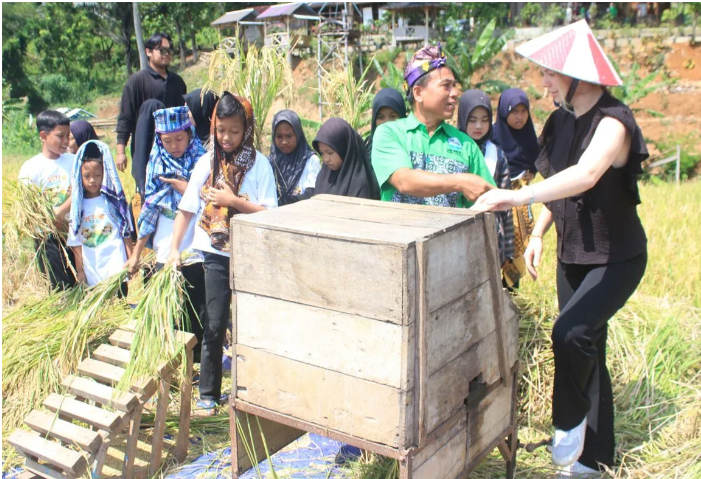
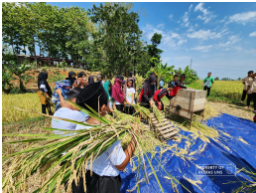
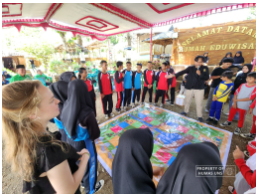
Universitas Sebelas Maret (UNS) held the Gebyar Memanen Festival with Young Farmers (GEMERICIK) on Thursday, 24 October 2024, at the Embung Setumpeng tourism area, Ngampel, Gentungan, Mojogedang, Karanganyar Regency. This collaborative event involved UNS, educational institutions, and local farming communities, aiming to strengthen connections between academics, farmers, and young generations through hands-on agricultural practice. The festival was also part of the Merdeka Belajar Kampus Merdeka (MBKM) program, engaging students from various disciplines.
The festival featured diverse activities, such as traditional farming education, poster and animation exhibitions on food systems, training on agricultural disaster mitigation, and an interactive bamboo installation at “Rumah Tani Mulyo.” These activities provided an engaging and practical learning space for transferring knowledge and skills in sustainable agriculture, designed to be easily understood by children and local communities. Local farmers participated as facilitators and speakers, sharing their experiences in eco-friendly farming practices and harvest management.
All sessions and workshops in the GEMERICIK Festival were open and completely free of charge for farmers, students, and community members. This free participation policy ensured that no financial barriers limited access to agricultural knowledge, innovation, and capacity-building opportunities. It also reflected UNS’s strong commitment to providing inclusive and equitable access to education and technology for local food producers and small-scale farmers.
The GEMERICIK Festival supports Sustainable Development Goal (SDG) 2: Zero Hunger by providing events that connect local farmers and food producers, enabling them to share knowledge and expertise. The event successfully created a space where farmers, academics, and young participants could interact, exchange ideas, and learn from each other in an engaging and interactive setting. Moreover, it raised youth awareness about the importance of sustainable food systems, local self-sufficiency, and environmental preservation.
Through initiatives such as GEMERICIK, UNS continues to strengthen its role as an active higher education institution that empowers local communities, supports sustainable farming, and broadens access to food security knowledge and technology for all.
Source:
https://jateng.antaranews.com/berita/557121/uns-gelar-festival-gebyar-memanen-bersama-petani-cilik
https://uns.ac.id/id/iku/iku-2/festival-gemericik-kampanye-cinta-pertanian-oleh-uns-dan-komunitas-tani-mojogedang.html
- National Seminar on “Advancing Agricultural Innovation in the Industrial Revolution 4.0 Era”
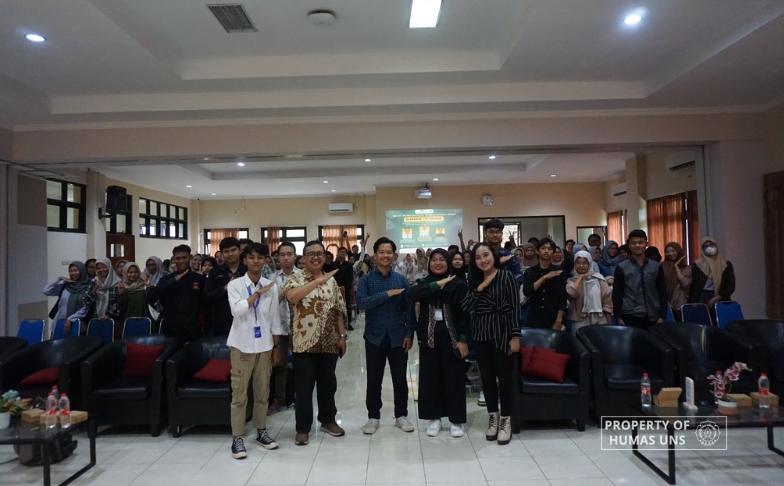
To strengthen networks and broaden the dissemination of knowledge in the field of sustainable agriculture, Universitas Sebelas Maret (UNS) organized a National Seminar titled “Advancing Agricultural Innovation in the Industrial Revolution 4.0 Era.” This seminar served as a collaborative platform connecting local farmers, academics, researchers, and agricultural industry practitioners to exchange knowledge, share experiences, and transfer innovative technologies to address the challenges of agricultural modernization.
The seminar aimed to promote digital transformation in agriculture through the adoption of technologies such as the Internet of Things (IoT), data analytics, smart sensors, and intelligent mechanization, which help improve efficiency, productivity, and the sustainability of farming practices. Through expert presentations, scientific discussions, and innovation showcases, the event provided open access to modern agricultural knowledge and skills, supporting the development of national food security.
All seminar sessions were open and offered free of charge to participants from diverse backgrounds, including local farmers, agricultural entrepreneurs, students, and the general public. By ensuring free participation, UNS removed financial barriers that might limit the involvement of smallholder farmers and food producers. This inclusive approach reflects UNS’s commitment to expanding equitable access to agricultural education, technology, and innovation across communities.
The seminar’s outcomes included enhanced participant capacity in using digital farming technologies, the formulation of policy recommendations based on scientific discussions, and stronger collaboration between universities, local governments, and farming communities.
Moving forward, UNS plans to continue and expand this initiative through follow-up programs, such as village-based agricultural technology training, the establishment of faculty-level composting centers, the development of community-based compost business models, and strategic partnerships with agricultural agencies and regional governments. Through these continuous efforts, UNS not only acts as an academic institution but also as a transformative agent that promotes resilient, independent, and sustainable agriculture for the broader society.
In addition to the programs mentioned above, Universitas Sebelas Maret (UNS) is also actively engaged in research and community service activities. The following are several examples of its research and community engagement initiatives:
- Community Empowerment Program on Butterfly Pea Tea Production in Surakarta
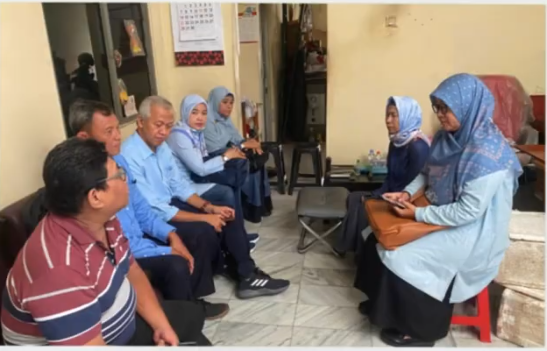
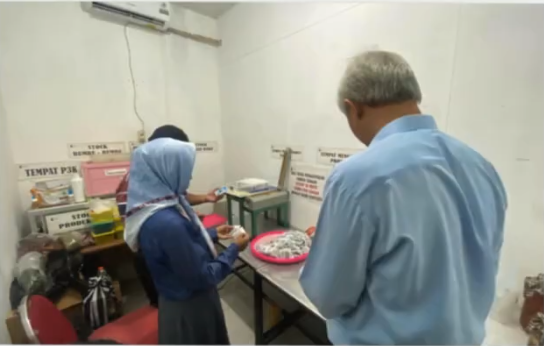
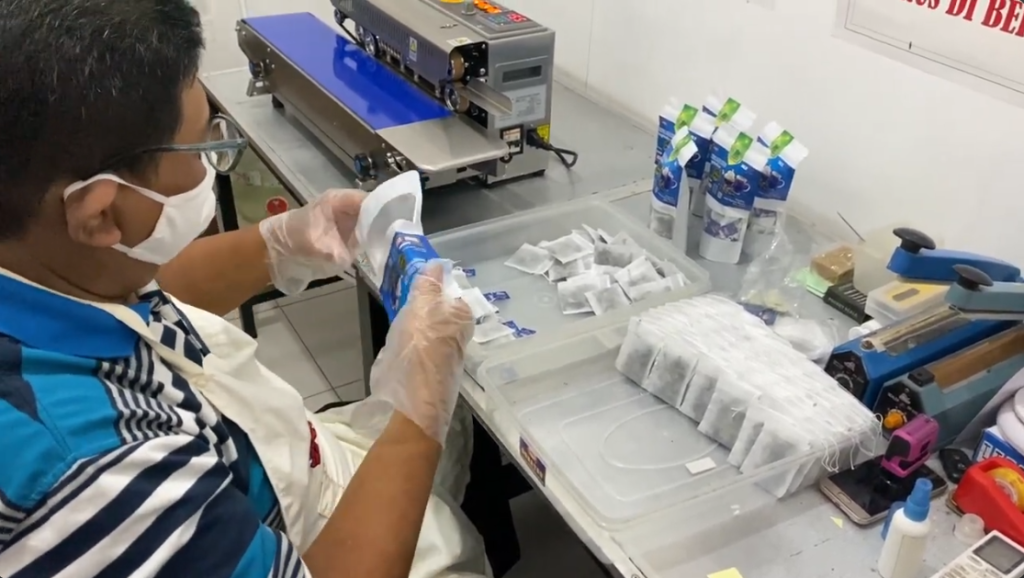
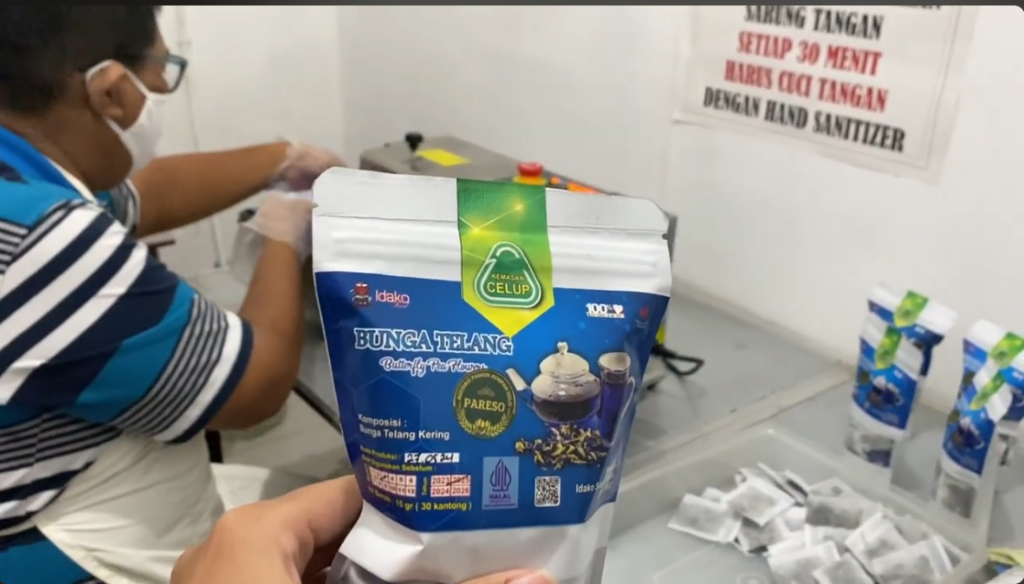
To strengthen the connection between academia and local food producers, Universitas Sebelas Maret (UNS) organized a community service activity under the Community Partnership Program (PKM) titled “PKM HGR – Development of Butterfly Pea Tea Business in Surakarta.” This event served as a collaborative platform that brought together university experts, students, and small food producers to share knowledge and transfer technical skills in processing and packaging herbal tea products.
During the program, the UNS team supported local tea producers by introducing and demonstrating the use of continuous band sealer technology—a modern packaging tool that helps increase production efficiency while maintaining product quality and hygiene. Through mentoring sessions and hands-on demonstrations, participants gained practical knowledge in production management, quality standards, and business development strategies based on technological innovation.
All activities were free of charge and open to small food business owners and local producers in the Surakarta area. This inclusive approach ensured that participants could access new knowledge, skills, and appropriate technology without financial barriers, supporting equal opportunities for local economic growth.
This initiative reflects UNS’s strong commitment to achieving Sustainable Development Goal (SDG) 2: Zero Hunger, particularly through events that enable local farmers and food producers to connect and share knowledge. Beyond improving technical capacity, the program also built collaborative networks among universities, small entrepreneurs, and local communities, reinforcing UNS’s role as a strategic partner in advancing sustainable agriculture and food production at the regional level.
In the future, UNS plans to expand this initiative through thematic workshops, food technology exhibitions, and field-based training programs to widen the scope of knowledge transfer and promote local economic independence. Such community programs not only enhance technical competencies but also contribute directly to empowering local food producers and achieving long-term food security.
- Capacity Building for Gemah Ripah 1 Farmer Group in Glagahwangi Village toward Organic Rice Transformation
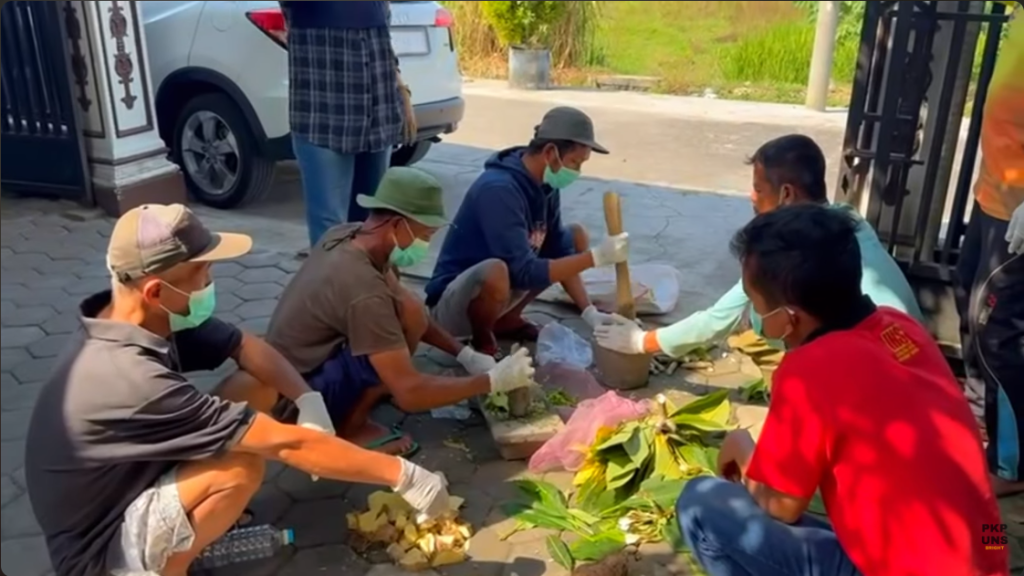
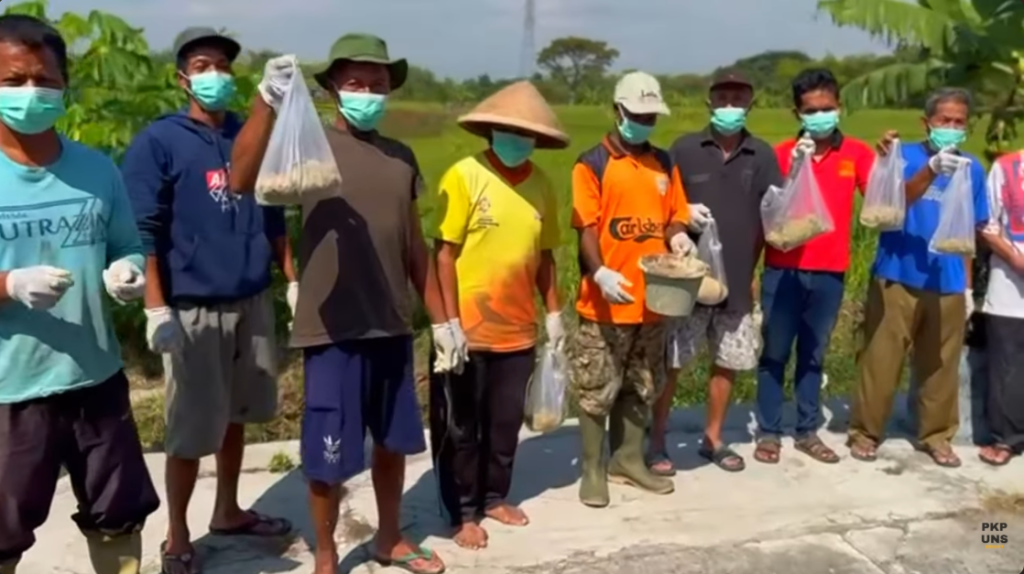
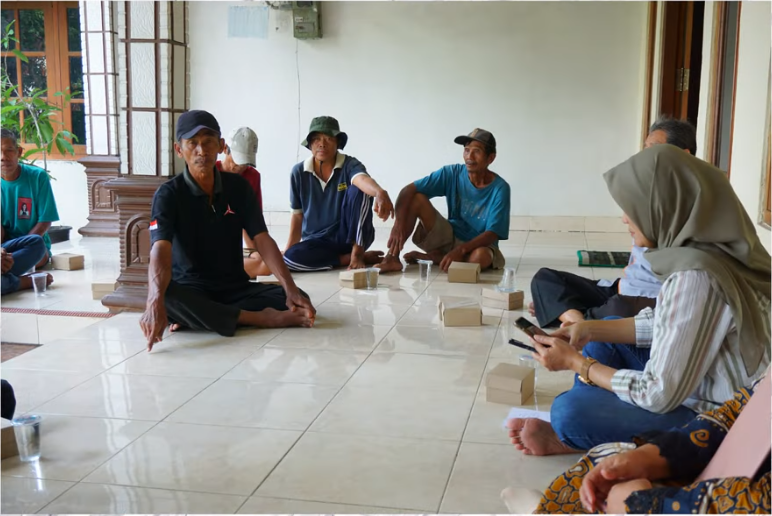
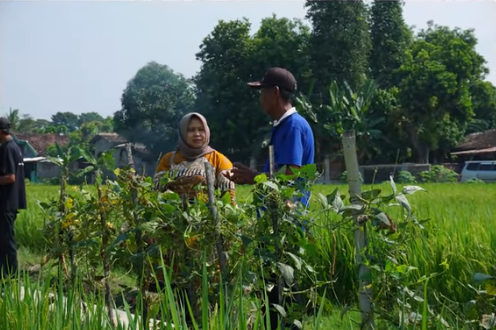
Through its Research Group (RG) initiative, UNS also implemented a community engagement program with the Gemah Ripah 1 Farmer Group in Glagahwangi Village, Polanharjo Subdistrict, Klaten Regency. As shown in the video “Pengabdian RG – Peningkatan Kapasitas Kelompok Tani Gemah Ripah 1,” this event was designed as a collaborative forum that connected local farmers with UNS agricultural experts to exchange knowledge, share field experience, and develop practical skills in innovative organic farming.
The program provided on-site training and mentoring sessions focused on cultivating the Rojolele Srinuk organic rice variety, sustainable farm management, and improving the supply chain of agricultural products. Participants also learned about eco-friendly agricultural practices and organic certification processes to enhance their competitiveness in the domestic market.
Importantly, this event was free and open to all members of the farmer group and nearby communities, ensuring inclusive participation and equal access to agricultural knowledge, modern techniques, and sustainable farming innovations.
This initiative serves as a concrete example of UNS’s contribution to SDG 2: Zero Hunger, particularly in facilitating events that help local farmers and food producers connect and transfer knowledge. Within the framework of the university’s Tridharma principles, this program not only supports community service but also acts as a platform for applied research and multi-sector collaboration between academia, farmers, and local stakeholders.
As a result, farmers in Glagahwangi Village have improved their capacity in organic farming methods, land management, and agribusiness networking. Moving forward, UNS is committed to expanding this model to other rural areas through sustainable agriculture forums, thematic workshops, and technology-based mentoring programs. Through these efforts, UNS aims to foster a more independent, productive, and competitive agricultural community while contributing to regional food security and sustainability.
Source : https://www.youtube.com/watch?v=sI_K_wDk0k8
Through these various initiatives, Universitas Sebelas Maret (UNS) demonstrates a strong commitment to promoting food security and sustainable agricultural development. By connecting academic knowledge with community needs, UNS not only strengthens the capacity of local farmers and food producers but also contributes to achieving national food resilience. These continuous efforts reflect UNS’s dedication to realizing Sustainable Development Goal (SDG) 2 — ending hunger through inclusive education, research, and community empowerment.
To support efforts to end hunger, achieve food security and improved nutrition, and promote sustainable agriculture, in 2024, UNS provided research and community service funding on topics related to SDG 2. Several UNS researchers conducted studies aimed at addressing challenges related to food security and sustainable farming.
For example, UNS facilitates workshops, training sessions, and educational activities for farmers and local food producers to enhance sustainable agricultural practices. Dwiningtyas Padmaningrum’s research on Information and Knowledge Sharing for Farmers Based on Digital Technology, titled “Information and Knowledge Sharing Petani Berbasis Teknologi Digital Menuju Pertanian Berkelanjutan,” serves as a basis for technology-based training programs. Komariah’s work on Estimating Potato Production and Quality in Central Java Using a Machine Learning Approach, titled “Estimasi Produksi dan Kualitas Kentang di Jawa Tengah berdasarkan karakteristik lahan dengan pendekatan machine learning,” can support educational events focused on optimizing potato production, while Joko Sutrisno’s research on Dynamic System Simulation Model for Soybean Self-Sufficiency, titled “Model Simulasi Sistem Dinamik Swasembada Kedelai,” can be used in seminars or training sessions on large-scale soybean production systems.