

SDG 6 In Number
Volume of water used in the university: Inbound (treated/extracted water) (m³)
94.092
Campus population
31.364
6.3.5 Water Conscious Planting
Water-Conscious Planting for Efficient Water Use at UNS
As part of its commitment to Sustainable Development Goal (SDG) 6: Clean Water and Sanitation, Universitas Sebelas Maret (UNS) implements various water-conscious planting initiatives to minimise water usage in both agricultural activities and campus landscaping. Through innovative research and sustainable greening programs, UNS promotes the use of drought-tolerant plants and develops efficient irrigation systems to preserve water resources and support a green, sustainable campus environment.
Using Drought-Tolerant Zoysia Grass in the Main Building Area
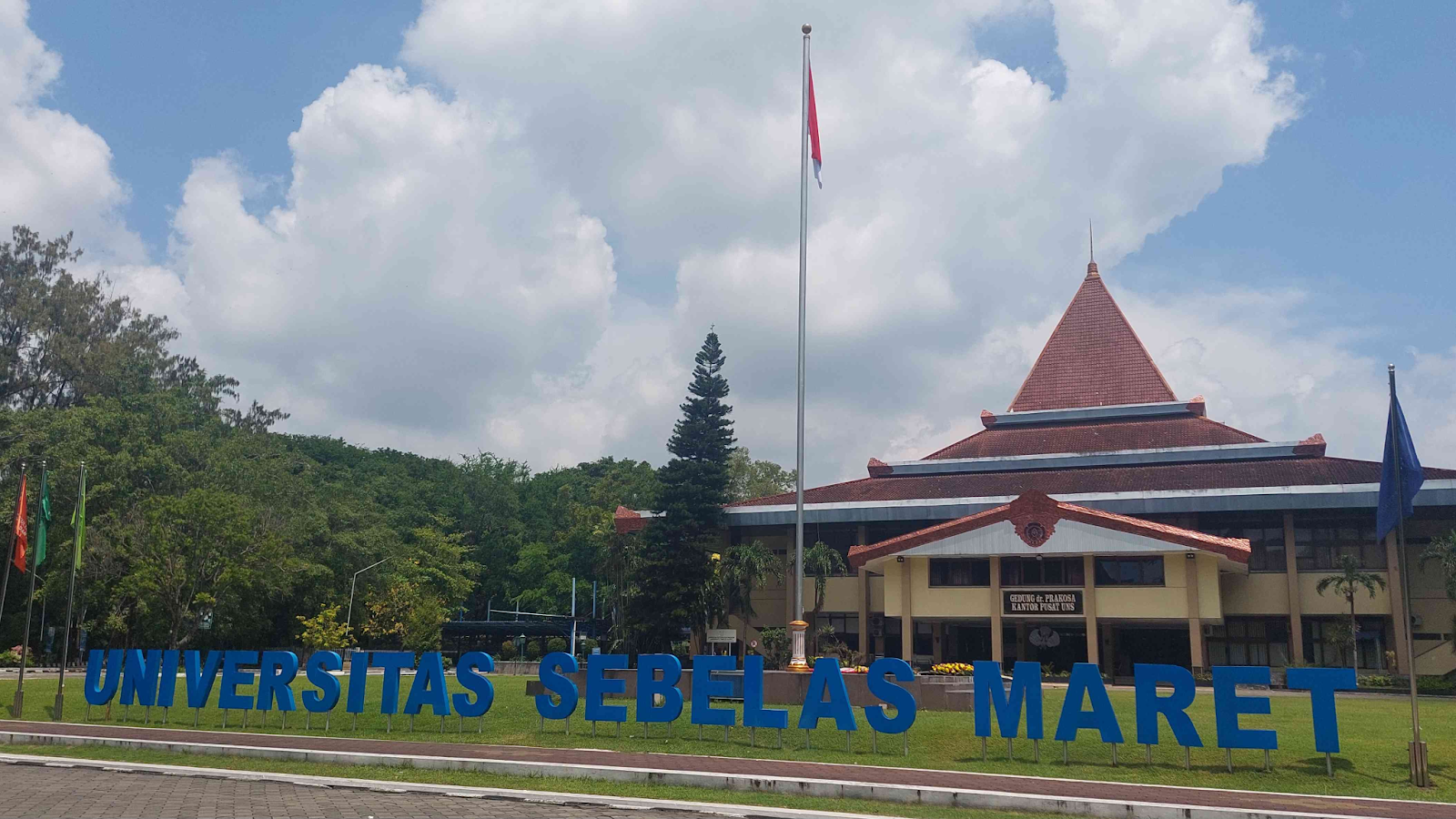
As part of the Green Campus program, Universitas Sebelas Maret (UNS) also employs water-conscious landscaping practices in its management by planting Zoysia grass in the courtyard of the Dr. Prakosa Main Building at the Kentingan Campus.
Zoysia was chosen as a drought-tolerant plant that requires minimal maintenance, helping to conserve water and reduce the need for fertilizer. The planting process included preparing the soil with a mix of sand, sediment from the Bengawan Solo River, and organic material to ensure good water absorption.
The result is a healthy, dense, and green lawn that has thrived for several years, helping to absorb rainwater, reduce surface temperature, and prevent soil erosion. This initiative reflects UNS’s real effort to minimise water use in campus landscaping and maintain environmental sustainability.
Cultivating Rice and Legumes in Pots as a Water-Efficient Planting Practice
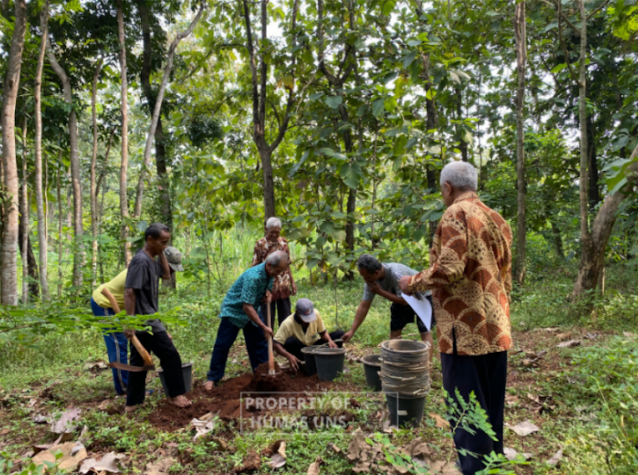
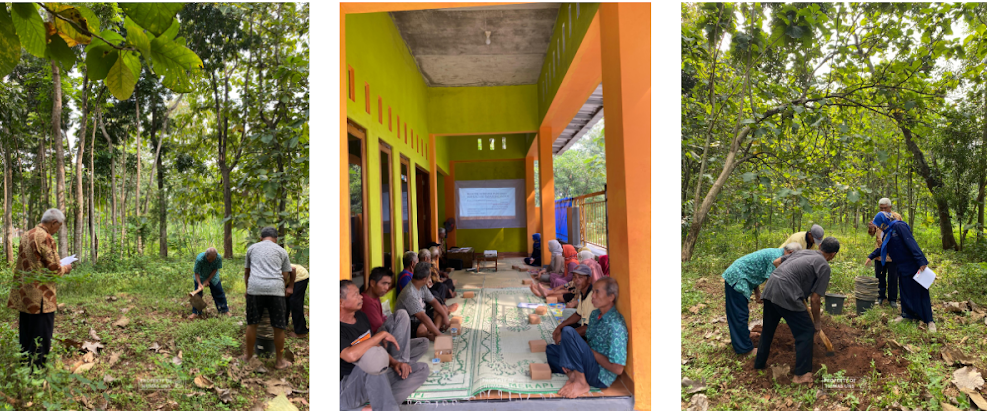
As part of implementing water-conscious planting and promoting efficient water use in agriculture, the Food and Plantation Crops Research Group from the Agrotechnology Study Program, Faculty of Agriculture, Universitas Sebelas Maret (UNS), developed a method of growing rice and various types of legumes in pots in Bakaran Hamlet, Sukosari Village, Jumantono District, Karanganyar.
This cultivation method helps minimise water usage by allowing farmers to precisely manage the water needs of each plant. The pot system enables better control over the amount of water, watering frequency, and irrigation system, thus reducing water waste. This approach is also suitable for limited land areas or urban farming.
This initiative demonstrates UNS’s commitment to responsible and sustainable water use through environmentally friendly planting practices.
Through its various water-conscious planting initiatives in agricultural research and campus landscaping, Universitas Sebelas Maret continues to demonstrate its commitment to minimising water usage, promoting efficient irrigation systems, and planting drought-tolerant species. These actions are essential contributions to achieving Sustainable Development Goal 6: Clean Water and Sanitation.