
No | Program |
1. | Emission-Free Day
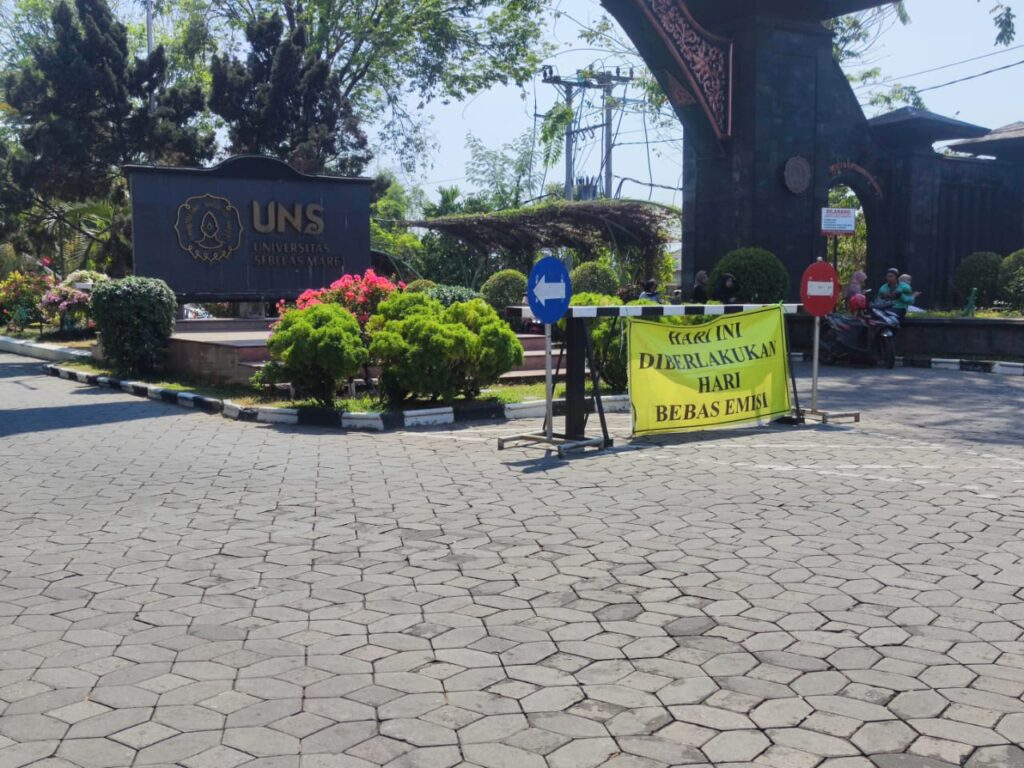
Under Rector’s Decree Number 87/UN27/HM.06.00/2023, the university prohibits cars and motorbikes powered by fossil fuels from entering the campus on the first and third Fridays of every month. On these days, students, staff, and visitors are encouraged to walk or use emission-free transportation and campus-provided public transit, significantly reducing air pollution and fuel use in line with SDG 7’s goal to expand access to clean, modern energy. https://uns.ac.id/id/uns-update/uns-terapkan-hari-bebas-emisi-dua-kali-sebulan.html |
2. | Electric Vehicles
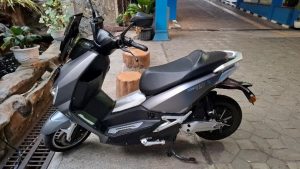
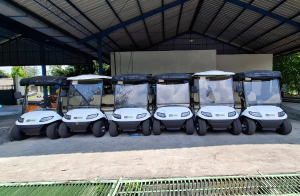
To ensure smooth mobility during Emission-Free Days, UNS operates a fleet of electric motorcycles and cars. Since Circular Letter Number 44/UN27/SE/2020 was issued, this initiative has expanded to include approximately ten electric vehicles, each capable of carrying up to seven passengers per trip. This initiative supports an accessible, low-emission transportation system on campus, serving as a practical example of how UNS integrates clean energy technologies into daily operations while directly supporting national and global emission reduction targets. https://uns.ac.id/id/uns-update/bank-mandiri-serahkan-empat-unit-mobil-listrik-kepada-uns.html |
3. | Renewable Energy
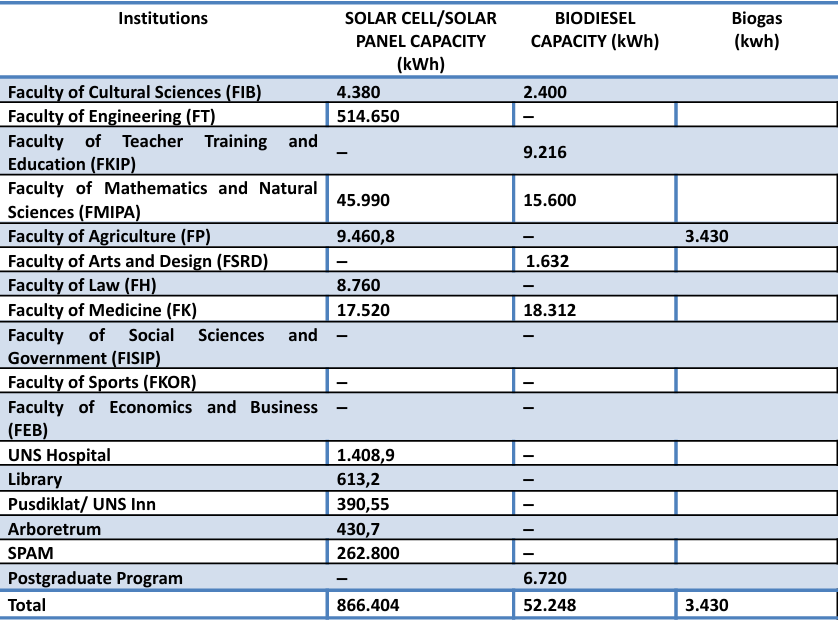
UNS’s commitment to sustainable energy also extends to renewable power generation. Solar panels installed throughout the campus and UNS Hospital convert sunlight into electricity for street lighting, parks, and backup reserves, reducing dependence on fossil fuels and providing a cleaner, more affordable energy supply. Alongside solar energy, UNS produces and utilizes biodiesel as a renewable fuel source for generators and other energy needs. In 2024, renewable energy produced by 12 buildings, including seven faculties and five institutions within UNS, reached 918.652 kWh, whereas in 2023, UNS produced only 778.454,6 kWh. This increase is attributed to the installation of solar panels in several faculties and an improvement in the productivity of the existing solar panels. The UNS’s use of renewable energy further reduces greenhouse gas emissions and enhances energy diversification, aligning with SDG 7 and Indonesia’s emission reduction roadmap. |
4. | Research and Innovation
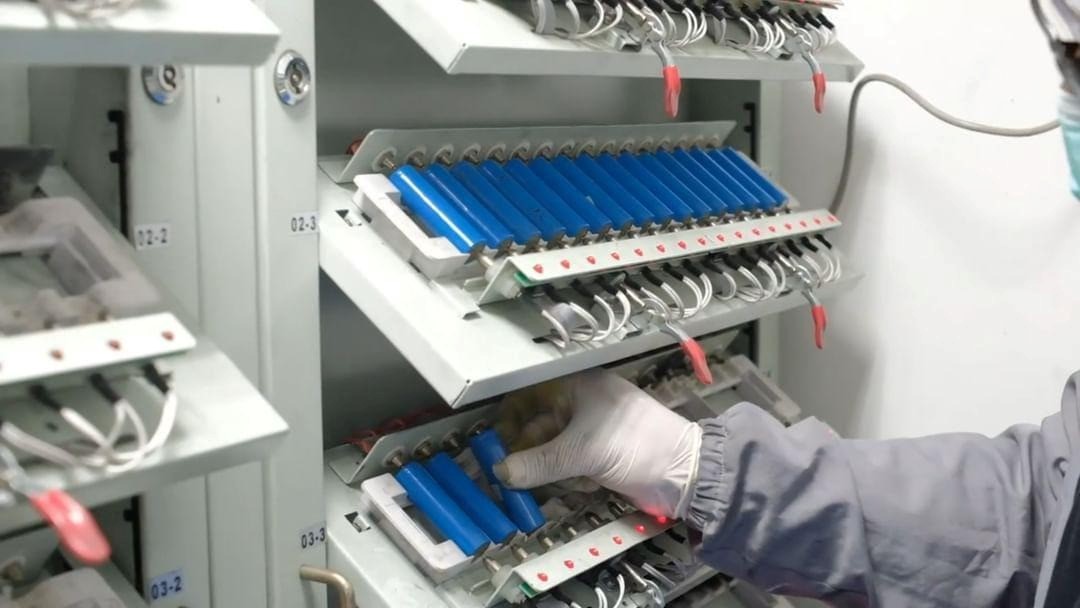
Beyond daily campus operations, UNS continues to advance research and innovation in clean energy technology. The UNS Center for Excellence in Science-Higher Education (PUI-PT) for Electric Energy Storage Technology, established in 2020, is the culmination of years of battery research at UNS. Led by Prof. Dr. Eng. Agus Purwanto, S.T., M.T., the PUI Lithium Battery focuses on developing lithium batteries and advanced energy storage systems to support the nationwide use of electric vehicles and renewable energy. This work is strengthened through the ABG (Academic, Business, Government) collaboration approach, partnering with major players such as PT Pertamina, PT LEN Industri, LIPI, BPPT, B4T, BSN, BATAN, and the MIND ID mining consortium, all working together to expand affordable and clean energy solutions for Indonesia’s sustainable future. |