SDG 11 In Number
University expenditure (IDR)
1.550.122.866.706
University expenditure on arts and heritage (IDR)
20.280.022.432
11.4.7 Local Authority Collaboration Regarding Planning and Development
Collaboration between Universitas Sebelas Maret and Local Government in Urban Planning and Development to Ensure Access to Adequate and Affordable Housing
Universitas Sebelas Maret (UNS) consistently develops collaborations with local governments and various stakeholders to support sustainable urban planning and development. Through a range of activities, including workshops, seminars, Field Work Courses (KKL), and cooperation agreements, UNS actively strengthens the synergy among academics, government, and the community. This collaborative approach emphasizes the importance of participatory planning that considers the interests of local residents, including ensuring access to adequate and affordable housing, in line with the objectives of SDG 11.
- ARSI – SIPIL KAMPUNG KOTA 2024 WORKSHOP: International Collaboration for the Revitalization of Slum Settlements in Surakarta

Universitas Sebelas Maret (UNS) collaborated with the Surakarta City Government to organize a workshop entitled “Understanding the Structure, Design, and Housing Environment in Surakarta” at UNS Tower. The activity focused on slum revitalization and the planning of adequate housing as part of a collaborative effort between academics, the government, and the community to improve urban environmental quality.
The workshop was attended by academics and practitioners from Indonesia and Japan, including experts from Kyushu University, as well as representatives from the Surakarta City Government. Speakers from the city government, including the Head of the Housing Division at Disperumkimtan and Experts on Slums, presented various initiatives and systems for improving uninhabitable housing. Meanwhile, academics provided international perspectives and innovations that could be applied in Surakarta. Discussions were facilitated to encourage interaction among participants, students, and practitioners.
Through this activity, students and participants gained an understanding of collaborative and participatory urban planning practices, in which the interests of residents, the government, and academic parties are balanced. This approach emphasizes the importance of working with local authorities in planning development and ensuring community access to adequate and affordable housing, enabling slum revitalization to be effective and provide direct benefits to residents.
The involvement of both international and national parties in the workshop underscores UNS and the Surakarta City Government’s commitment to building a more inclusive, sustainable, and responsive city. This collaboration is expected to accelerate the implementation of slum revitalization programs in line with the objectives of SDG 11, which aim to create cities and settlements that are safe, adequate, and affordable for all.
2024 PWK UNS Field Work Course – Collaborative Coastal Area Planning

The Urban and Regional Planning (PWK) Study Program at Universitas Sebelas Maret (UNS) conducted the 2024 Field Work Course (KKL) from November 11–14, 2024, under the theme “Collaborative Coastal Area Planning” in Banyuwangi Regency. The activity aimed to provide students with knowledge and skills in planning practices that involve the active participation of various stakeholders, including local government, communities, the private sector, and non-governmental organizations. This collaborative approach emphasizes the importance of cross-sector cooperation in addressing sustainable development and planning issues in coastal areas.
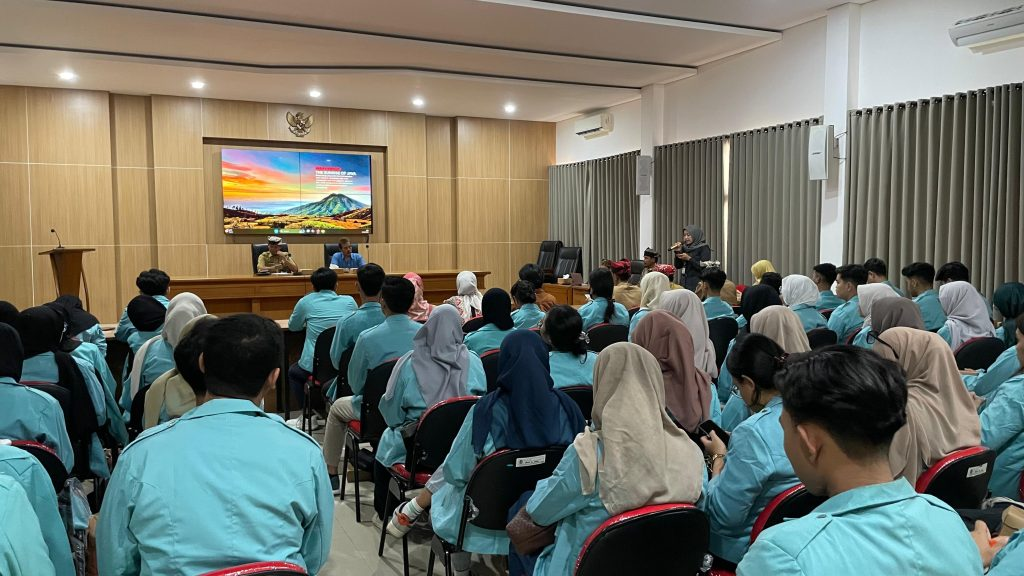
During the program, students visited various government agencies, including the Environmental Service, the Regional Disaster Management Agency, the Department of Culture and Tourism, the Fisheries Department, and BAPPEDA Banyuwangi Regency. They also conducted field visits to Bangsring Underwater, Baluran National Park, Muncar Beach, De Jawatan, and Pulau Merah Beach, complemented by Focus Group Discussions with local community groups. These activities allowed students to collect field data, understand local challenges, and evaluate government programs.
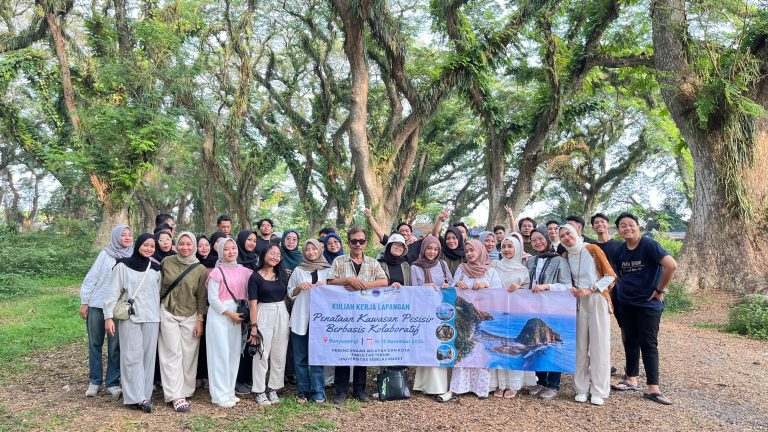
Through this Field Work Course, students learned collaborative and inclusive planning practices, where the interests of all parties are considered in developing recommendations for development. This approach aligns with SDG 11 indicators, as it emphasizes collaboration with local authorities and other stakeholders to plan effective and sustainable development.
In addition to enhancing students’ capacity in regional planning, the activity highlighted the importance of ensuring community access to adequate facilities and housing, so that planning outcomes are not only technical but also provide tangible benefits to local communities in Banyuwangi’s coastal areas.
Source:
https://pwk.ft.uns.ac.id/kkl-pwk-uns-tahun-2024-penataan-kawasan-pesisir-berbasis-kolaboratif
MPWK UNS Collaborates with IAP Central Java – Seminar on “Smart City Dynamics and Their Implications for Urban and Regional Planning”
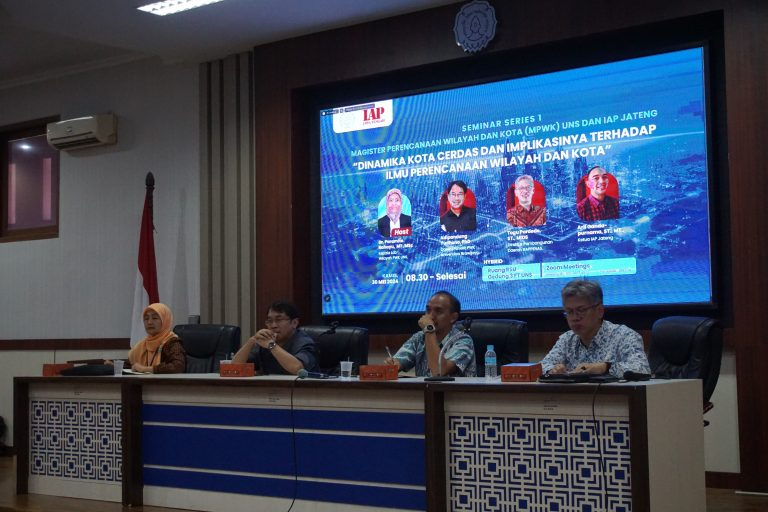
The Master’s Program in Urban and Regional Planning (MPWK) at Universitas Sebelas Maret (UNS) collaborated with the Association of Urban Planners (IAP) Central Java to hold Seminar Series I on May 30, 2024. This hybrid event focused on “Smart City Dynamics and Their Implications for Urban and Regional Planning,” highlighting the rapid development of Smart Cities and their impact on urban development in Indonesia. The seminar emphasized the importance of collaboration among academics, local authorities, and practitioners in addressing the challenges of modern urban planning.
The seminar was attended by various experts, including the Director of Regional Development at BAPPENAS, academics from Universitas Brawijaya, and the Chair of IAP Central Java. Discussions highlighted that Smart City development must be supported by adequate IT knowledge and skills, proper regulations, and targeted financing to ensure effective urban governance. This highlights the crucial role of cross-sector collaboration in developing sustainable and inclusive urban development strategies.
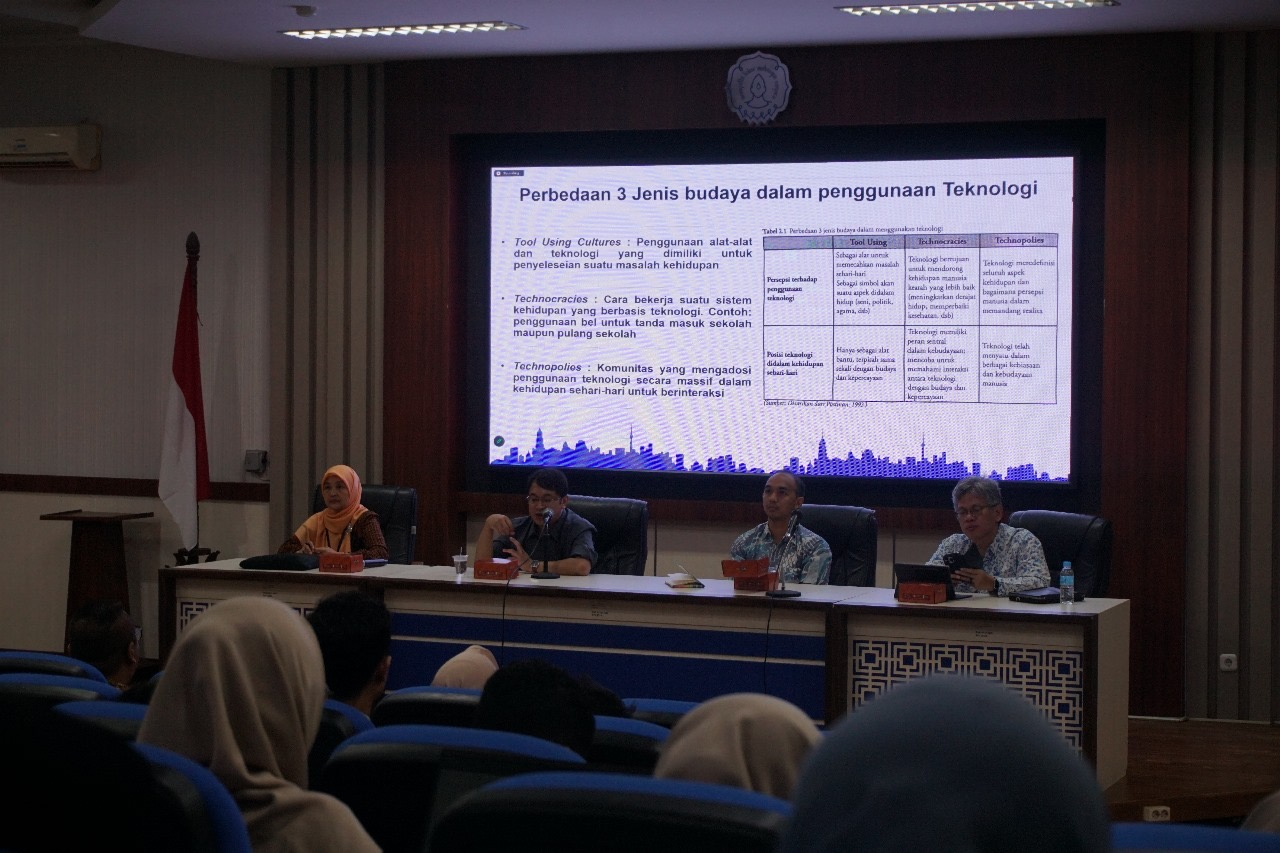
Prof. Ir. Winny Astuti, M.Sc., Ph.D., Head of the MPWK Program at UNS, stated that UNS is pioneering a Smart City program to accelerate the development of competent and purpose-driven urban planners in the digital era. These efforts not only strengthen urban planning capacity but also contribute to more effective use of urban space, including ensuring that urban development considers residents’ access to public facilities and adequate, affordable housing.
Through this seminar, UNS reaffirmed its commitment to supporting local governments and other stakeholders in planning smart, inclusive, and sustainable cities. This approach aligns with SDG 11 indicators, emphasizing collaboration with local authorities to address urban planning and development issues while ensuring direct benefits for communities, including access to adequate and affordable housing.
FT UNS Signs Cooperation Agreement with BRIDA Surakarta
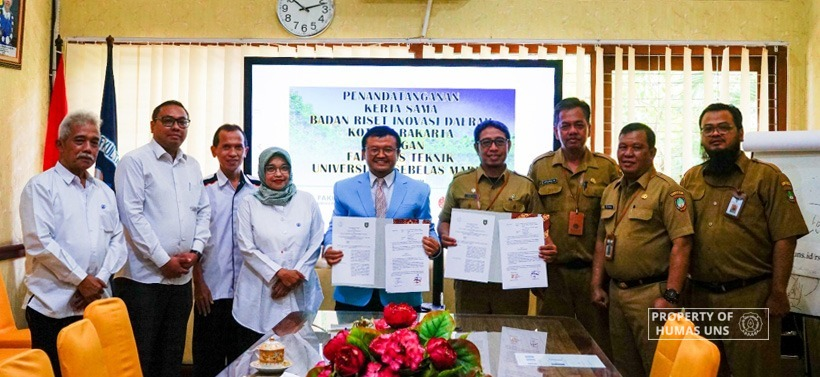
The Faculty of Engineering at Universitas Sebelas Maret (UNS) Surakarta signed a Cooperation Agreement (PKS) with the Regional Innovation Agency (BRIDA) of the Surakarta City Government on October 14, 2024. This agreement covers the planning of regional infrastructure as well as urban research and development, following up on a previous MOU between UNS and the Surakarta City Government. The initiative underscores the commitment of both parties to strengthen collaboration between the university and local authorities in addressing urban planning and development issues.
In implementing this cooperation, the UNS Faculty of Engineering involved the Research Development Team from the Urban and Regional Planning (PWK) Study Program to study and develop urban planning strategies, including transportation research focused on revitalizing public transportation to support tourism in Solo City. The research results have been submitted to city government leaders for further action, demonstrating UNS’s role in supporting evidence-based urban planning and development processes.
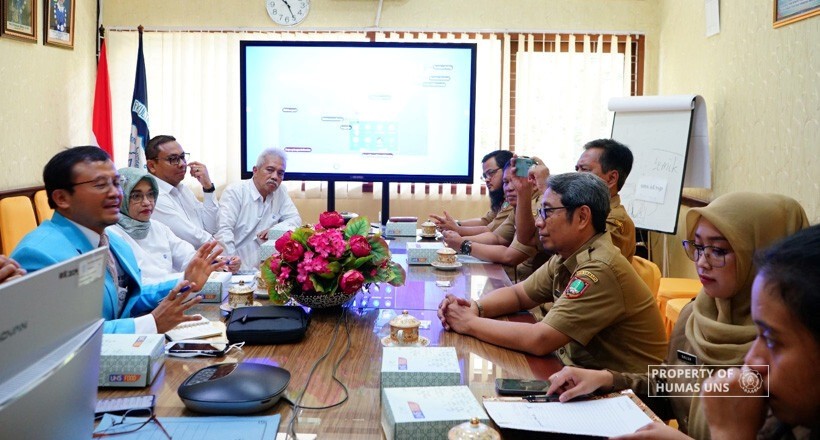
BRIDA Surakarta emphasized its role in promoting sustainable and impactful innovation. In addition to research and pilot projects, BRIDA facilitates the downstream application of innovations into products that benefit the community and industry, ensuring that urban development focuses not only on physical planning but also on improving residents’ access to adequate and affordable facilities and housing.
Through this cross-sector collaboration, UNS and BRIDA contribute to strengthening Surakarta as a resilient, inclusive, and sustainable innovation hub. This approach aligns with SDG 11 indicators, emphasizing the importance of working with local governments to address urban planning and development challenges while ensuring local residents have access to adequate housing and urban facilities.
The various initiatives carried out by UNS demonstrate how cross-sector collaboration can create tangible solutions to urban challenges, ranging from slum revitalization to coastal area development and Smart City initiatives. By prioritizing cooperation with local authorities, communities, and international partners, UNS not only contributes to strengthening the capacity of urban planners and city innovations but also ensures that urban development delivers direct benefits to residents, including access to adequate and affordable housing. These efforts reaffirm UNS’s commitment to supporting inclusive, resilient, and sustainable cities, in line with the principles of SDG 11.
RELEVANT RESEARCH
To achieve SDG 11: Make cities and human settlements inclusive, safe, resilient, and sustainable, in 2024, UNS provided research and community service funding focused on SDG 11 topics. For example, the research “Sustainable Development Policy Model with Environmental Insight through the Forest City Concept” by Dr. Rahayu Subekti, S.H., M.Hum. highlights the importance of collaboration with local authorities in planning green cities and sustainable infrastructure development, ensuring urban development is more inclusive, safe, and environmentally friendly.