SDG 1 In Number
Number of student 2024
27.604
Number of low income students receiving financial aid
20.353
1.3.3 Low-Income Student Support
Support for Low-Income Students
Universitas Sebelas Maret (UNS) is strongly committed to supporting students from low-income families to successfully complete their studies. This commitment is implemented not only through financial assistance such as scholarships and tuition fee reductions but also through a range of non-financial support designed specifically for students from lower-income backgrounds. These initiatives help students meet their basic needs, mobility, and legal access, enabling them to focus on their academic success.
- Food Assistance (Free)
Through the UNS Zakat Collection Unit (UPZ), low-income students regularly receive food assistance in the form of nutritional packages. This free program ensures that students continue to have access to basic daily necessities without additional financial burden. The initiative helps maintain food security among underprivileged students and supports the continuity of their studies.
In addition, UNS provides numerous campus canteens located across almost all faculties and other strategic spots within the university area. Each canteen includes several food vendors, similar to food courts, offering nutritious meals at affordable and subsidized prices for students. These canteens not only make it easier for students to access healthy and inexpensive food but also reflect UNS’s commitment to creating an inclusive campus environment that supports the well-being and basic needs of students from all economic backgrounds.
Moreover, mosques within the UNS campus area regularly organize the Jumat Berkah (Blessed Friday) program, providing free lunch on Fridays for students, particularly those from economically disadvantaged backgrounds. This initiative, supported by donations from the academic community and managed by mosque committees, aims to foster a caring culture while helping fulfill students’ nutritional needs at the end of the week.
- Transportation (Free Campus Bus Service)
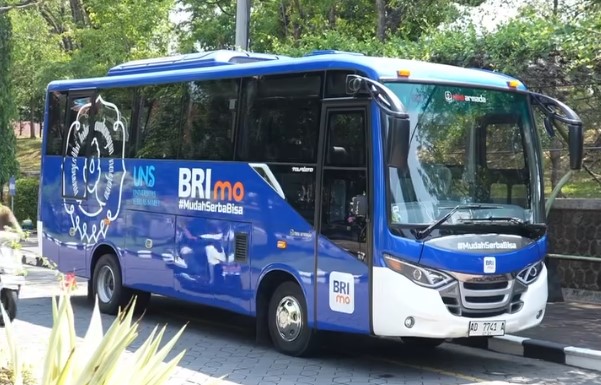
UNS provides a Free Campus Bus Service as part of its non-financial support for the entire academic community, including students from low-income families. The buses operate on a regular schedule from Monday to Friday, covering routes that connect almost all faculties and major campus units.
This service is completely free of charge, allowing students to travel safely and comfortably without having to worry about transportation costs. It helps reduce the financial burden of daily commuting, especially for students from lower-income groups. The campus bus system also promotes safety, convenience, and time efficiency for students in carrying out academic and extracurricular activities.
Information and documentation about this service are available through official UNS channels and social media, including video coverage showing bus operations at several campus stops. This initiative demonstrates UNS’s strong commitment to providing inclusive access to higher education and contributes directly to SDG 1: No Poverty through equal access to non-financial facilities.
Sources:
https://www.instagram.com/reel/DPAdSpdkgCO/
https://uns.ac.id/id/fasilitas-kampus/transportasi-kampus#:~:text=Bus%20Kampus.,untuk%20menunggu%20kedatangan%20bus%20ini
https://uns.ac.id/fasilitas-kampus/transportasi-kampus
- Housing Facilities (Subsidized Student Dormitory and Free Dormitory Scholarship)
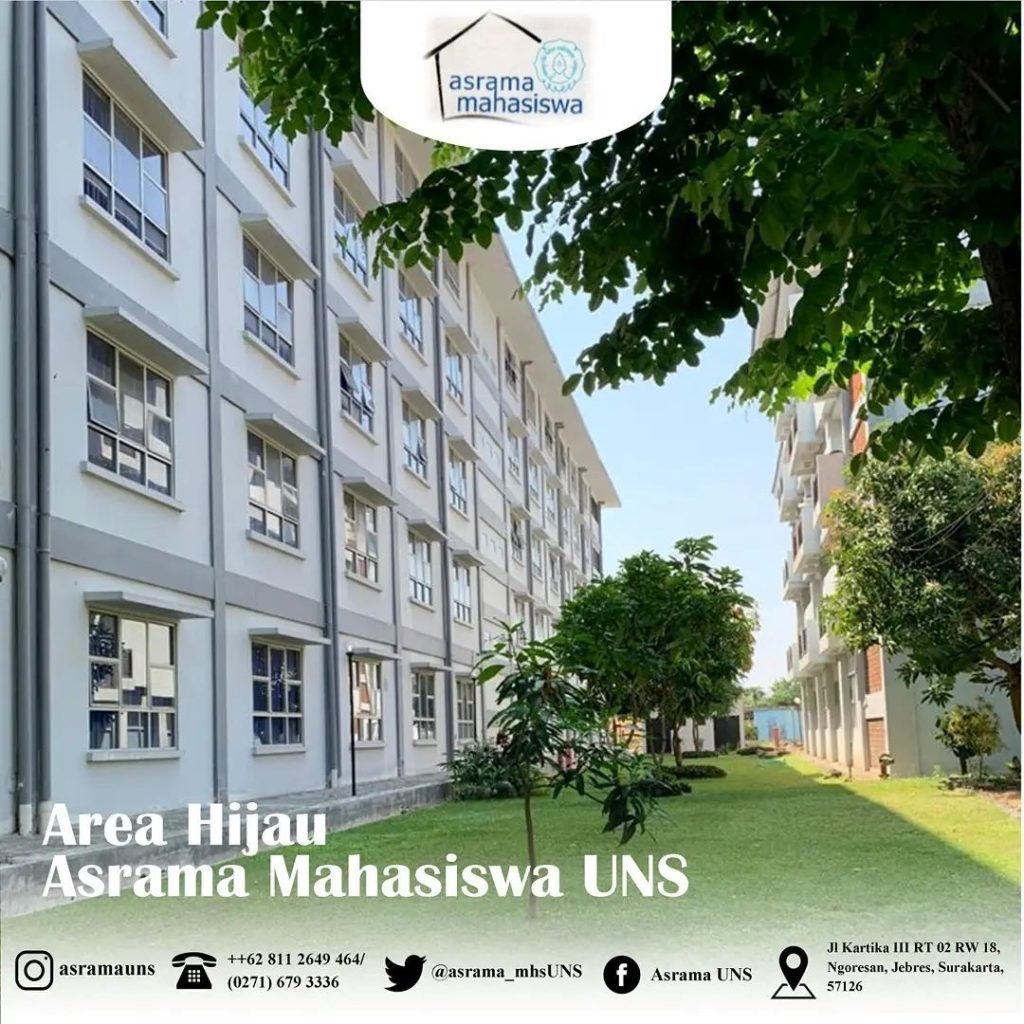
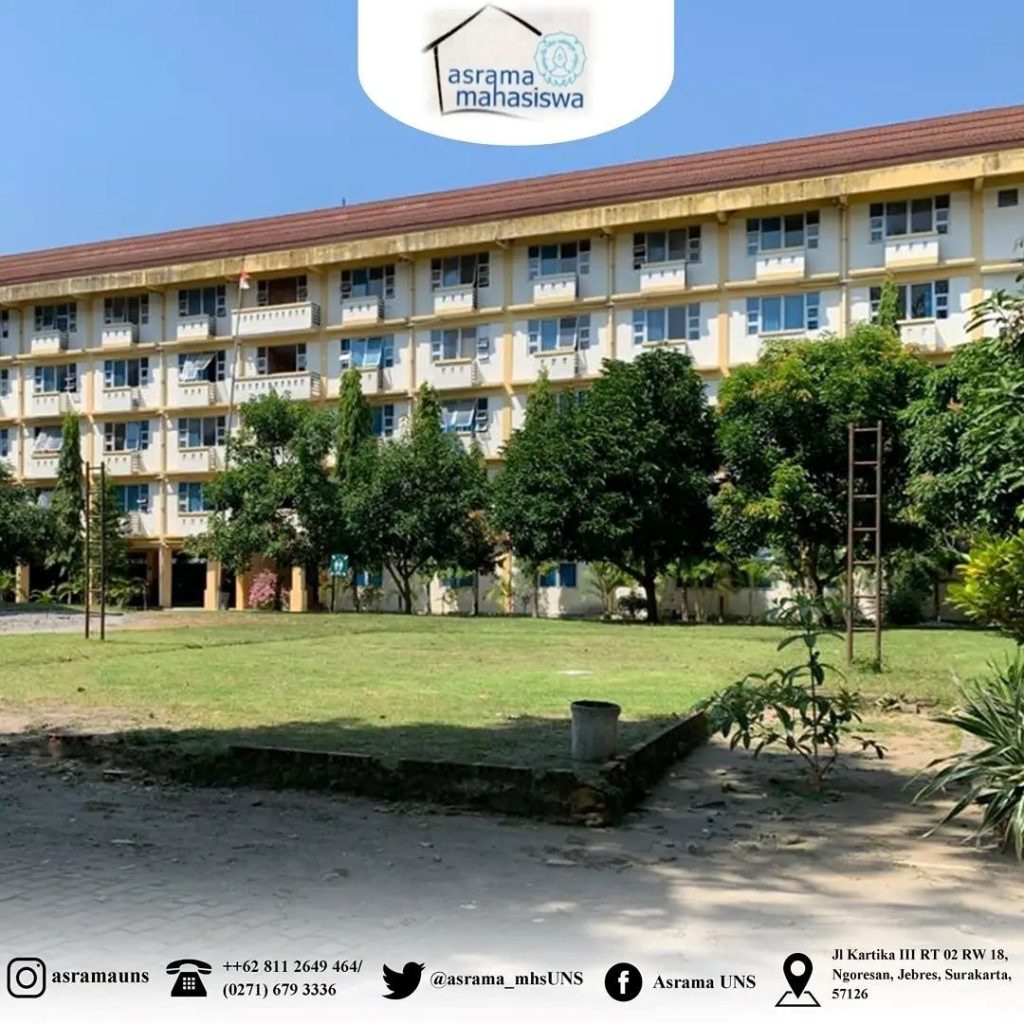
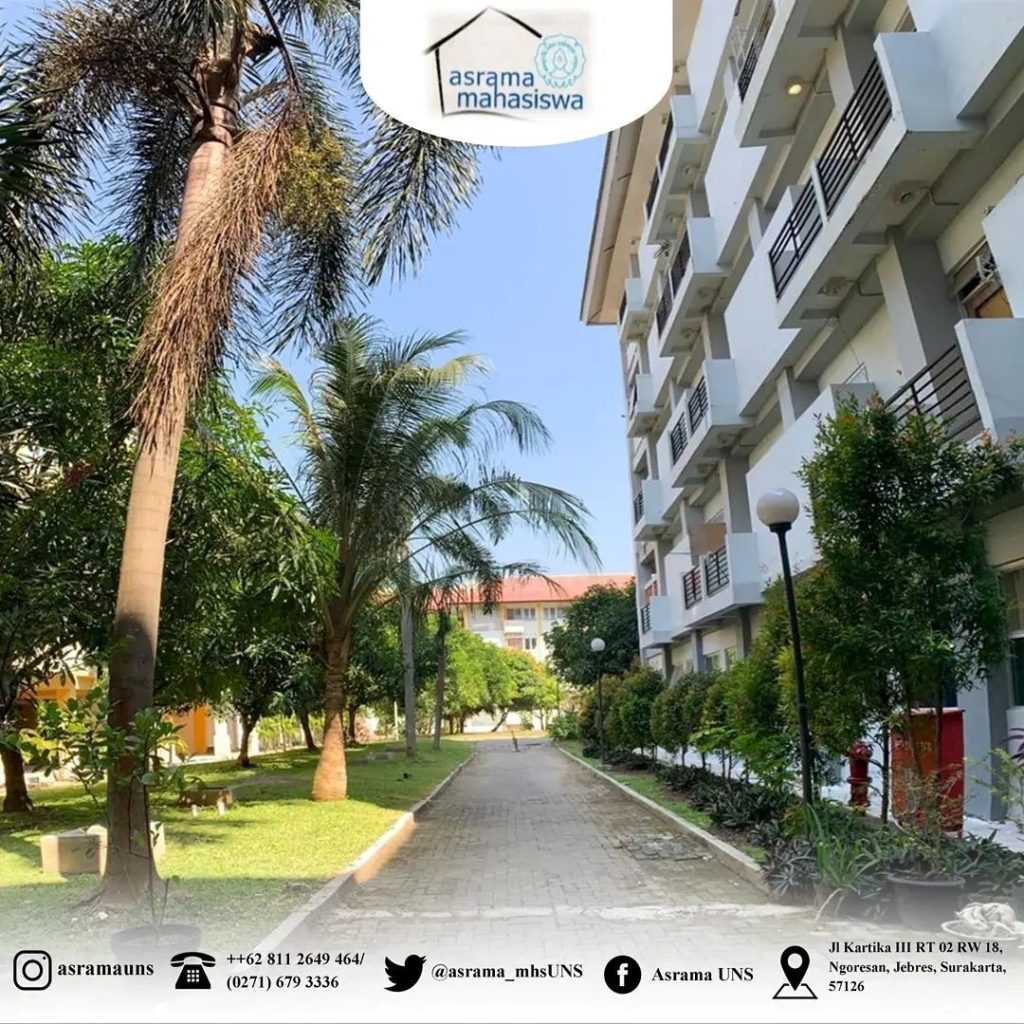
UNS provides Student Dormitories as a form of non-financial support, especially for students from outside the city and from low-income families. Located on Jalan Kartika III, Ngoresan, Jebres, Surakarta, the dormitory complex consists of four main buildings (A, B, C, and D) that accommodate diploma, undergraduate, and postgraduate students.
The dormitories include shared facilities such as lobbies, canteens, and meeting rooms. There are two room types—Single and Sharing—each equipped with a bed, study desk, chair, and wardrobe to support student comfort and academic activities. Room rental prices range from IDR 500,000 to IDR 1,500,000 per month, depending on room type and facilities. These prices are subsidized by UNS to remain affordable for students.
In addition, UNS provides a Dormitory Scholarship for students with financial difficulties. This program offers free accommodation or a partial rent subsidy, reducing housing expenses so that low-income students can live in a safe and supportive environment.
Through these affordable housing options and dormitory subsidies, UNS ensures that all students have access to decent accommodation. This initiative contributes to SDG 1: No Poverty by reducing living costs and helping students stay focused on their studies.
Source: https://uns.ac.id/id/fasilitas-kampus/asrama-mahasiswa
- Legal Services (Free Legal Aid and Consultation)
- Legal Aid Post by the Student Executive Board (BEM), Faculty of Law
UNS, through the Faculty of Law, actively provides a Legal Aid Post (Posko Bantuan Hukum/PBH) as part of its non-financial support accessible to both the university community and the general public. This initiative is a collaboration between the BEM Faculty of Law and PBH PERADI Karanganyar, offering free legal consultation and assistance.
The service is intended for individuals with limited financial means or those facing challenges in accessing justice. With a simple procedure (registration, confirmation, scheduling, and consultation), the program ensures equal access to legal assistance for all. Beneficiaries include residents of Karanganyar and Surakarta, as well as UNS students and staff.
This initiative highlights UNS’s commitment to equal and fair legal access, providing essential support for low-income individuals, including students who may face legal issues that affect their academic continuity. By offering free legal aid, UNS directly contributes to SDG 1: No Poverty by reducing non-financial barriers that may hinder students from completing their studies.
Source: https://www.instagram.com/posbakumbemfhuns/
- Legal Consultation and Aid Institute, Faculty of Law
The Legal Consultation and Aid Institute of the Faculty of Law also offers free legal consultation services for both students and the public. As an official part of the Faculty of Law, this institute strengthens the university’s commitment to promoting justice and supporting low-income individuals.
Through the combined presence of the Legal Aid Post and the Legal Consultation Institute, UNS ensures that students in need can receive free legal advice, counseling, and advocacy. These services help reduce non-academic burdens and promote an equitable study environment, allowing students to complete their education under fairer conditions.
Source: https://hukum.uns.ac.id/lembaga-konsultasi-dan-bantuan-hukum/
Conclusion
Through this wide range of non-financial support—both free and subsidized—Universitas Sebelas Maret (UNS) demonstrates a strong institutional commitment to ensuring that students from low-income families can continue and complete their higher education. These efforts directly contribute to the achievement of SDG 1: No Poverty, by reducing economic and non-economic barriers to education and by promoting inclusive, equitable, and sustainable access to university life.
UNS’s commitment to the Anti-Poverty Program (SDG 1), particularly through providing support for students from low-income families, is supported and strengthened by relevant empirical research conducted by UNS scholars. One such study is “Why are low-income eligible students reluctant to apply for financial aid? An empirical study from Central Java, Indonesia” (Springer, 2024). The study reveals that the barriers faced by low-income students in pursuing higher education are not only financial but also related to expectations and social support. The research found that low academic self-confidence and limited knowledge about scholarship systems make many poor students hesitant to apply for financial assistance. These findings underscore the necessity for a comprehensive support system for students from low-income families, encompassing access to basic necessities (such as food, housing, and transportation), counseling services, and academic mentoring. Such support helps ensure that students can complete their studies successfully and break the cycle of poverty