SDG 6 In Number
Volume of water used in the university: Inbound (treated/extracted water) (m³)
94.092
Campus population
31.364
6.5.2 Off-Campus Water Conservation Support
UNS Community Initiatives in Supporting Practical Water Conservation Off-Campus
Universitas Sebelas Maret (UNS) has actively contributed to SDG 6: Ensure availability and sustainable management of water and sanitation for all through various initiatives aimed at supporting practical water conservation off campus. In 2024, UNS implemented several community-based programs across Central Java. These initiatives combine technological solutions, community education, and participatory engagement to conserve water resources while improving local well-being.
- Solar-powered Pump Installation in Dukuh Kalisogo, Desa Plesan, Nguter, Sukoharjo
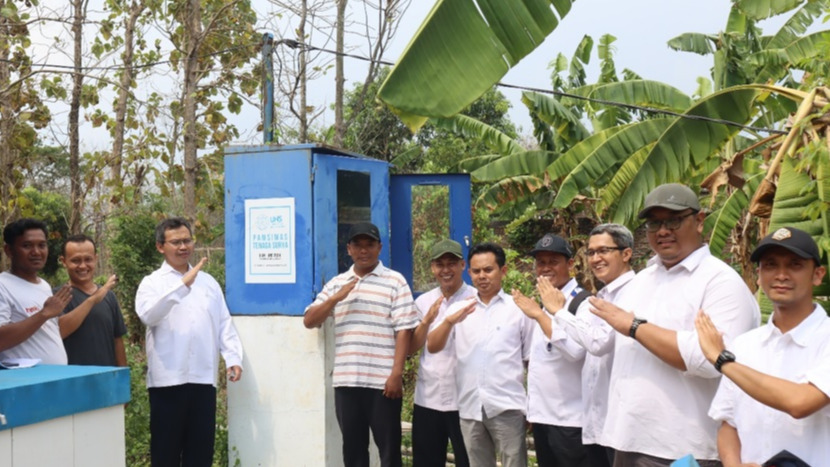
In 2024, Universitas Sebelas Maret (UNS) demonstrated its strong commitment to off-campus water conservation support through a community service project in Dukuh Kalisogo, Desa Plesan, Nguter, Sukoharjo. A research team from the D3 Informatics Engineering Program designed and installed a solar-powered water pump system to provide the local community with easier and more sustainable access to clean water. This practical initiative directly supports water conservation efforts off campus by promoting renewable energy use, reducing dependency on non-renewable sources, and ensuring efficient water distribution during the dry season.
The project involved close collaboration between UNS lecturers, students, and local residents, creating a positive model of community engagement in practical water conservation. The villagers actively participated in the installation process, helping to build the solar panel foundation and prepare the equipment, which reflected a shared sense of ownership and responsibility. Through this participatory approach, the project not only delivered technological benefits but also strengthened local capacity to maintain and manage the water system independently, ensuring its long-term sustainability.
As a result, the solar-powered pump now enables residents to access clean water more easily and affordably, especially during long drought periods. This initiative exemplifies how universities can provide off-campus practical support for water conservation by combining appropriate technology, community empowerment, and sustainable resource management. The UNS team hopes this model will inspire similar initiatives that integrate technology-based solutions with local participation to improve community welfare and environmental resilience.
- Sustainable Groundwater Management in Madiun
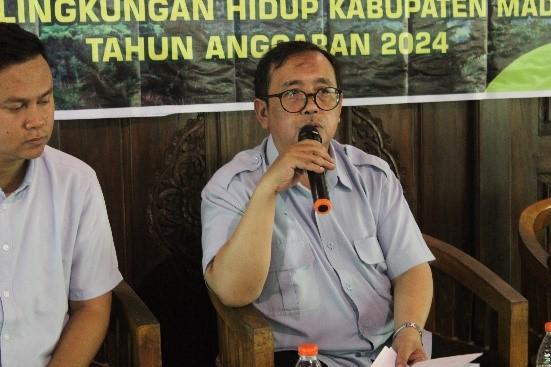
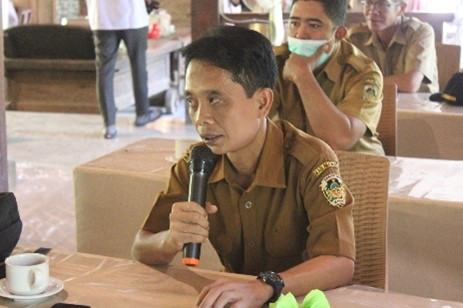
On 16 July 2024, the Center for Environmental Research (PPLH) of Universitas Sebelas Maret (UNS) carried out a community service program titled “Sustainable Utilization of Shallow Groundwater in Madiun Regency.” This initiative exemplifies off-campus water conservation support, as it provides practical guidance for sustainable water resource management beyond the university campus. The program, held in collaboration with the Madiun Environmental Office, involved local communities, NGOs, and government officials. It aimed to address issues of declining groundwater quantity and quality while promoting better water conservation practices at the community level.
During the session, PPLH UNS researchers delivered materials on shallow groundwater characteristics and facilitated an open discussion on local water problems. The participants actively shared their experiences regarding water scarcity, pollution, and improper waste management. The event resulted in practical recommendations for water conservation off campus, including improving irrigation systems, implementing rainwater harvesting through biopores and infiltration wells, and optimizing public water services to reduce excessive groundwater extraction. These actions represent concrete and community-driven steps to ensure sustainable water availability.
The program also emphasized maintaining groundwater quality through stricter waste management, regular water monitoring, and the integration of environmental information systems. By providing education, technical advice, and actionable solutions, UNS through PPLH demonstrated its commitment to supporting practical water conservation off campus. This initiative not only contributes to achieving SDG 6: Ensure availability and sustainable management of water and sanitation for all, but also strengthens collaboration between universities, local governments, and communities in promoting sustainable environmental practices.
- River Education and Community Empowerment at Kali Anyar
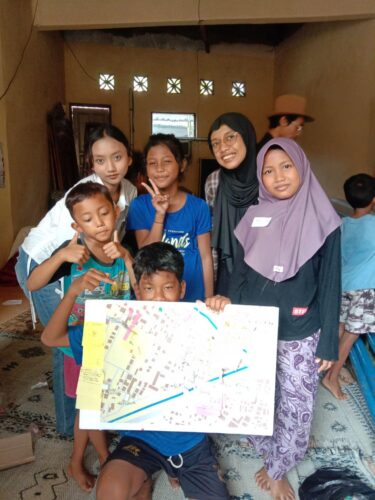
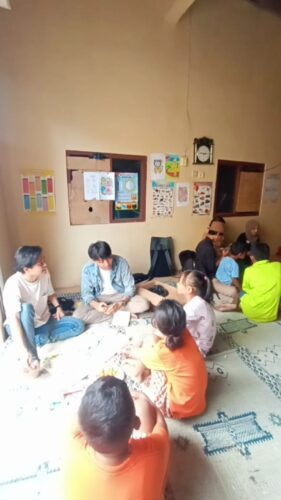
The Japan Study Center (PSJ) of Universitas Sebelas Maret (UNS), in collaboration with KPS – Pekarya Sungai Sumber and the Faculty of Engineering, Kyushu University, Japan, conducted a community-based river conservation program at the Kali Anyar riverside. This initiative exemplifies off-campus water conservation support by promoting practical water conservation and environmental education for the local community. The activities included river clean-ups, waste management education, and creative art-based awareness campaigns. The program was part of the PKMI-UNS 2024 P2M community service scheme, emphasizing collaborative learning between university researchers, students, and local environmental activists.
The program adopted Japan’s Iza! Kaeru Caravan’s advocacy and disaster mitigation methods are adapted into creative educational tools for children in the Sumber community. Architecture students from UNS collaborated with local youth to develop engaging materials, including board games, card games, and interactive learning kits, that communicate the importance of river conservation and clean water management. A Focus Group Discussion (FGD) held on 28 April 2024 involved 16 children from the Sumber area, where they shared their experiences and knowledge about the river ecosystem and local environmental challenges.
Through this participatory and educational approach, UNS successfully strengthened the community’s capacity to protect and manage river ecosystems while instilling environmental awareness among the younger generation. This program exemplifies how a university can support practical water conservation off campus by combining local wisdom, education, and creative advocacy. It also reinforces UNS’s contribution to achieving SDG 6: Ensure availability and sustainable management of water and sanitation for all, through sustained collaboration and empowerment of local communities in river conservation efforts.
- Empowering Local Communities through Sustainable Tourism and Environmental Stewardship at Jurang Jero Waterfall, Karanganyar
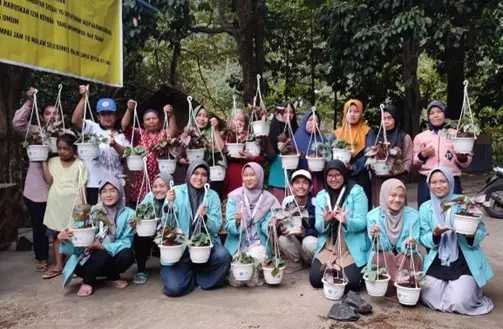
Students from Universitas Sebelas Maret (UNS) participating in the Community Service Program (KKN) Group 88 in 2024 carried out activities related to water conservation and environmental preservation at Jurang Jero Waterfall, located in Gerdu Village, Karangpandan District, Karanganyar Regency.
This program focused on community-based water resource conservation and environmental management through several initiatives, including planting ornamental plants around the waterfall area to maintain soil moisture and reduce erosion, as well as training local residents in sustainable planting and maintenance techniques. These actions directly supported efforts to preserve water resources in the natural tourism area.
In addition to conservation efforts, UNS students also promoted environmentally friendly tourism management by creating nature-themed photo spots and using digital platforms to raise public awareness about maintaining cleanliness and protecting water sources in tourist destinations.
The collaboration between UNS students and the local community serves as a concrete example of the university’s commitment to supporting practical off-campus water conservation, integrating ecological, educational, and economic empowerment aspects in a sustainable way.
- Aquaponics and Sustainable Living in Joyotakan
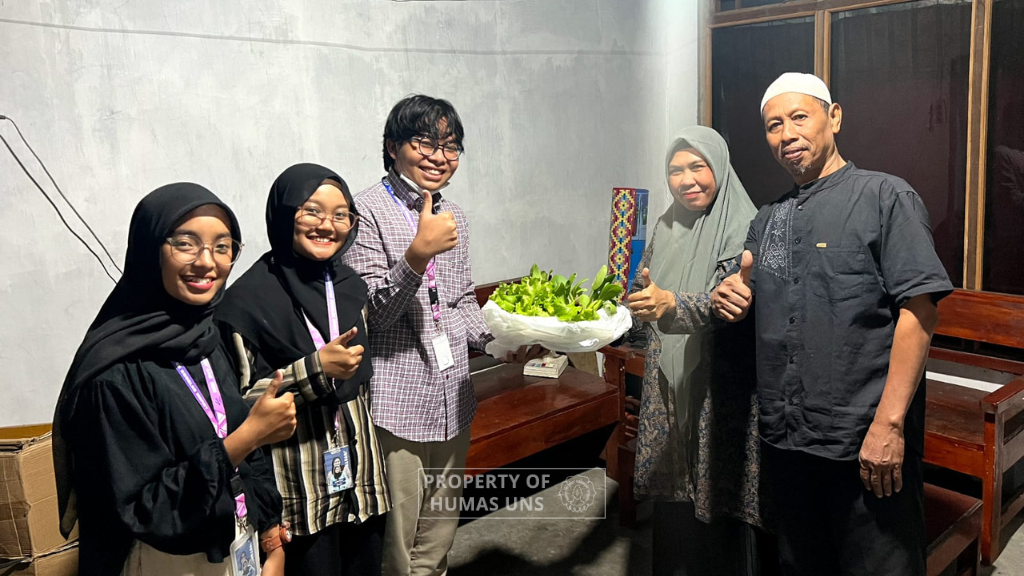
Students from Universitas Sebelas Maret (UNS) participating in the Community Service Program (KKN) Group 247 implemented several initiatives in Kelurahan Joyotakan, Serengan, Surakarta, to promote sustainable living practices and practical water conservation off campus. The main program involved aquaponics cultivation, where fish and plants are grown together in an integrated system. This approach conserves water by reusing fish waste as nutrients for plants while the plants filter water for the fish, creating a self-sustaining and resource-efficient ecosystem. Residents received intensive training on designing, maintaining, and managing the system, which empowers them to continue practicing off-campus water conservation independently.
In addition to aquaponics, UNS students supported environmental sustainability through programs such as recycling used cooking oil into aromatherapy candles, which reduces waste and encourages resource efficiency. These initiatives directly contribute to practical water conservation off campus by fostering awareness about responsible use of natural resources and promoting environmentally friendly practices within the community.
The KKN program also included educational activities in health, science, and creativity to strengthen the community’s understanding of sustainable practices. By combining technical solutions, education, and community empowerment, UNS demonstrates how universities can provide practical off-campus support for water conservation, improving both environmental management and community well-being. These efforts align with SDG 6: Ensure availability and sustainable management of water and sanitation for all, showing a measurable impact on local water conservation and sustainable resource use.
Collectively, these programs demonstrate how UNS provides practical support for water conservation off campus by empowering communities, promoting sustainable management of water resources, and raising awareness about environmental stewardship. Each initiative contributes to tangible improvements in water availability, efficiency, and quality, reflecting UNS’s commitment to fostering sustainable practices that can be replicated in other regions. Through these efforts, UNS not only advances SDG 6 but also strengthens the capacity of local communities to actively manage and preserve their water resources for long-term benefits.
In 2024, UNS provided research and community service funding, focusing on SDG 6 topics, to achieve SDG 6: Ensure availability and sustainable management of water and sanitation for all. For example, several studies supported off-campus water conservation initiatives, including:
- Nanang Maulana Yoeseph with “Optimization of Solar-Powered and IoT-Based Water Pump for Community-Based Drinking Water and Sanitation Supply in Dukuh Kalisogo”,
- RR. Ratri Werdiningtyas with “Allocation and Distribution of Water in the Colo Irrigation Area, Bengawan Solo”,
- Dr. Paramita Rahayu with “Vulnerability Reduction Planning Framework in Watershed: Responding to Climate Change and Rapid Urbanization in Urban Regions of Bengawan Solo River Basin”, and
- Dr. Budi Legowo, S.Si., M.Si. with “Application of Infiltration Wells as a Groundwater Conservation Effort at Ath Taifuriyah Islamic Boarding School, Plesungan Village.”
All of these studies demonstrate UNS’s strong contribution to supporting practical water conservation in communities.