SDG 13 In Number
Total energy used (GJ)
20.148
Total energy used from low-carbon sources (GJ)
9.308
13.2.1 Low-Carbon Energy Tracking
Tracking Low-Carbon Energy Usage Across UNS
Universitas Sebelas Maret (UNS) is committed to supporting efforts to combat climate change by monitoring low-carbon energy use on campus. This effort aligns with SDG 13 on sustainable development, which emphasizes the importance of measuring the carbon footprint of energy use on campus. This measurement covers all faculties and main units of UNS, representing the whole university.
This indicator evaluates the effectiveness of UNS in maximizing the use of low-carbon energy in its operational activities. UNS has three types of renewable energy: solar panels, biodiesel, and biogas. In 2024, there will be an increase in energy capacity. This is due to the installation of solar panels in the Faculty of Law (FH) and the Faculty of Engineering (FT). The following is data on low-carbon energy use in each faculty:
|
Unit |
Solar Cell/ |
Biodiesel (kWh) |
Biogas (kWh) |
|
Faculty of Cultural Sciences (FIB) |
12,293.9 |
6,732.0 |
– |
|
Faculty of Engineering (FT) |
1,443,566.3 |
– |
– |
|
Faculty of Teacher Training and Education (FKIP) |
– |
25,882.1 |
– |
|
Faculty of Mathematics and Natural Sciences (FMIPA) |
128,159.0 |
43,788.0 |
– |
|
Faculty of Agriculture (FP) |
26,546.7 |
– |
9,626.0 |
|
Faculty of Arts and Design (FSRD) |
– |
4,582.5 |
– |
|
Faculty of Law (FH) |
24,588.0 |
– |
– |
|
Faculty of Medicine (FK) |
49,170.6 |
51,419.0 |
– |
|
Faculty of Social and Political Sciences (FISIP) |
– |
– |
– |
|
Faculty of Sports (FKOR) |
– |
– |
– |
|
Faculty of Economics and Business (FEB) |
– |
– |
– |
|
UNS Hospital |
3,950.0 |
– |
– |
|
Library |
1,720.9 |
– |
– |
|
Pusdiklat/UNS Inn |
1,096.3 |
– |
– |
|
Arboretum |
1,208.7 |
– |
– |
|
SPAM |
736,674.0 |
– |
– |
|
Postgraduate Program |
– |
18,865.0 |
– |
|
Total (kWh) |
2,429,974.3 |
151,268.6 |
9,626.0 |
|
Total (GJ) |
8,747.9 |
544.6 |
33.6 |
|
Grand Total (GJ) |
≈ 9,308 GJ |
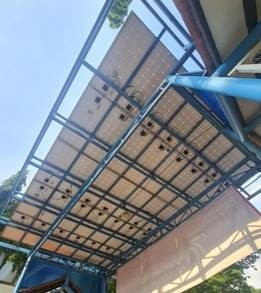
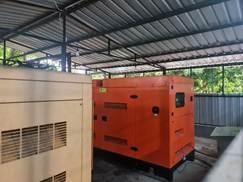
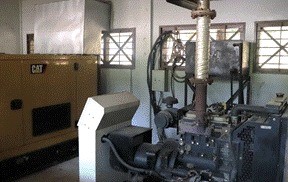
Biodiesel is used when the PLN electricity goes out
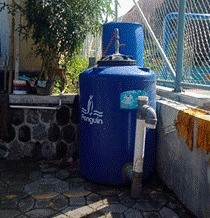
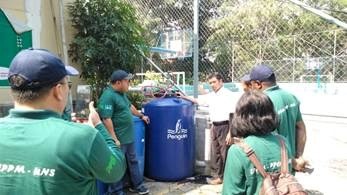
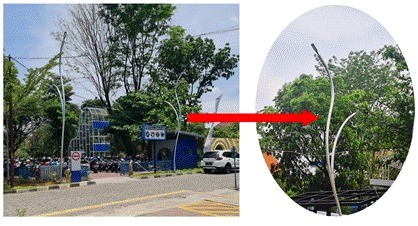
Biogas for canteen and kitchen in FMIPA and Jatikuwung Campus
In addition, other supporting evidence, in the form of energy efficiency policies, has also been adopted by UNS through the UNS Rector’s Instruction concerning the Energy Conservation Program. The instruction covers six main points:
- Realizing a sustainable campus through energy conservation.
- Developing the three pillars of higher education by incorporating energy conservation aspects into educational, research, and community service activities.
- Promoting energy efficiency, particularly through the use of energy-efficient electrical equipment such as lights and air conditioners (AC).
- Reorganizing electrical lighting points to be more strategic and efficient without reducing lighting.
- Increasing the use of renewable and alternative energy.
- Ensuring control over electricity usage by turning off equipment when not in use.
|
Policy |
Link |
Summarize the entire regulation |
Related Article |
|
UNS Chancellor’s Instruction Number 27 of 2023 concerning the Energy Conservation Program
|
This policy encourages all parts of the university to conserve and manage energy wisely, utilize renewable energy sources, and ensure that electrical equipment is turned off when not in use. |
First instruction to sixth instruction |