SDG 16 In Number
Number of graduates
6,192
Number of graduates from law and enforcement related courses
1,509
16.2.5 University Principles on Corruption and Bribery
UNS Commitment to University Principles on Corruption, Bribery, and Organized Crime through Integrity Zones
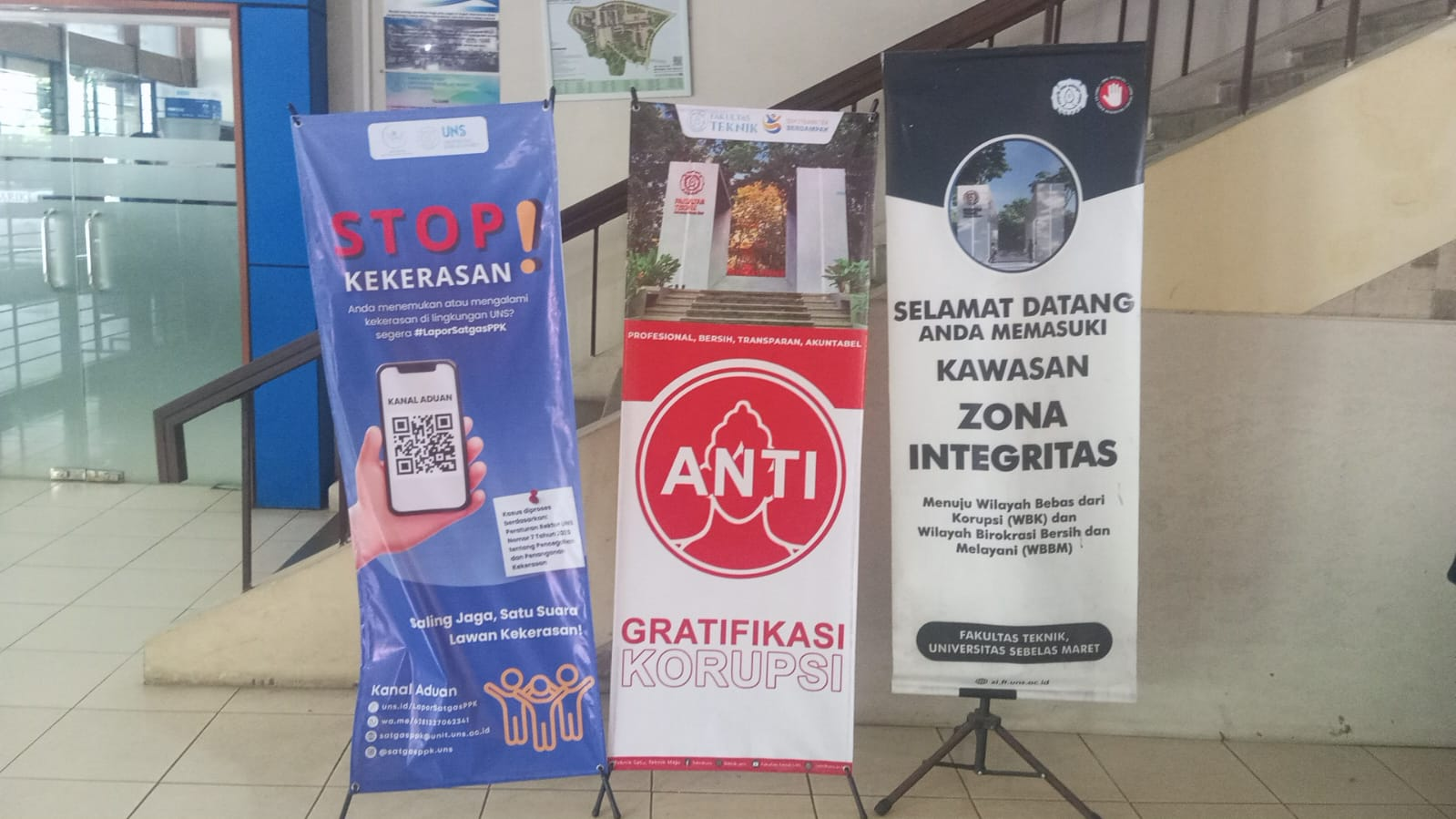
Universitas Sebelas Maret (UNS) has taken strategic steps through the development of Integrity Zones (IZ) across its units, particularly through the Institute for Educational Development and Quality Assurance (LPPMP). This initiative demonstrates the institution’s strong commitment to upholding the university’s principles and values regarding anti-corruption, anti-bribery, and the prevention of organized crime, in line with the spirit of SDG 16.
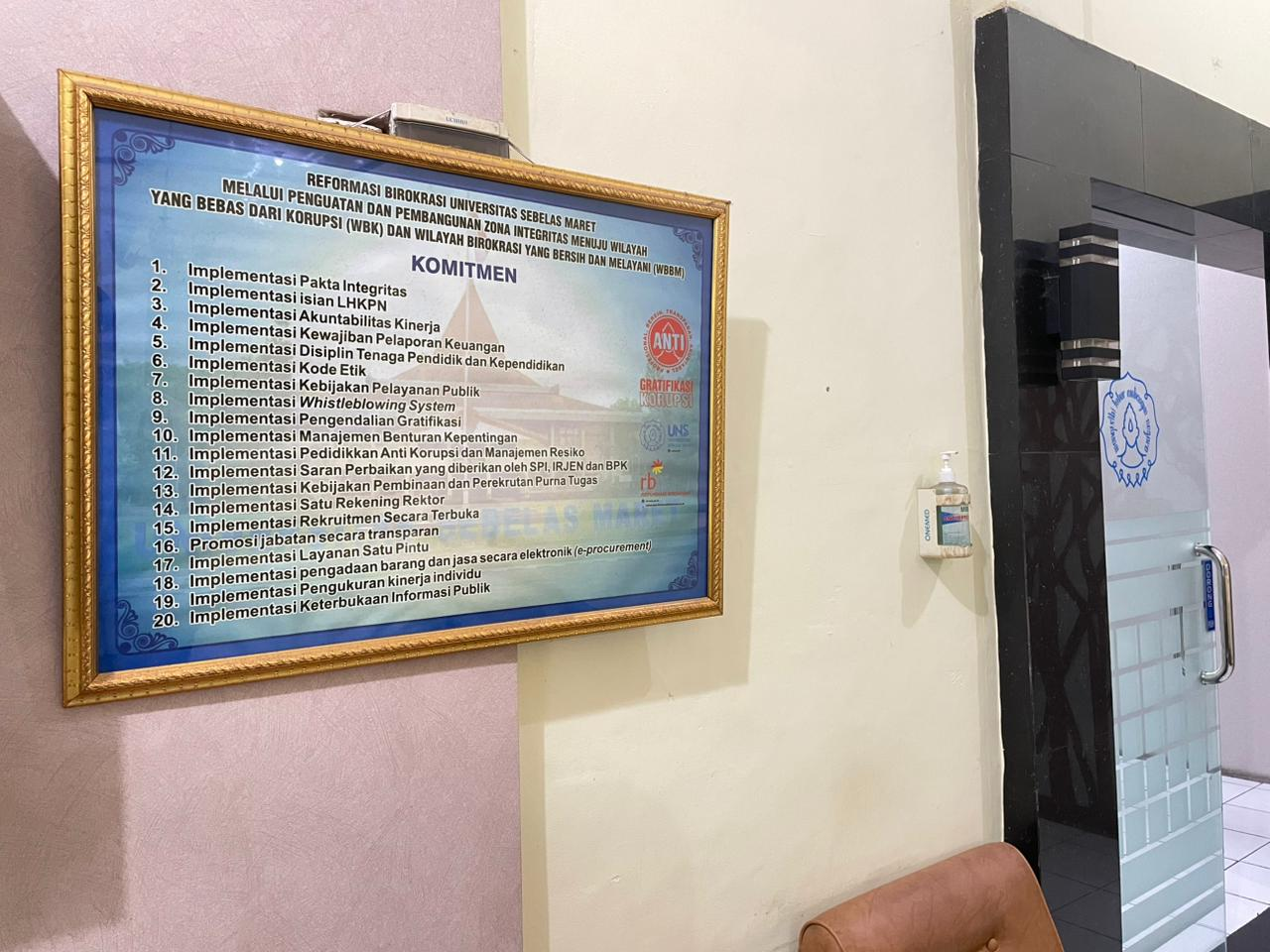
Evidence of UNS’s Commitment and Transparent Policies through Integrity Zones
The following are concrete examples from the LPPMP UNS Integrity Zone website that show UNS has implemented the aspect of “University principles on corruption & bribery”:
- Signing of the Integrity Pact and Commitment Declaration
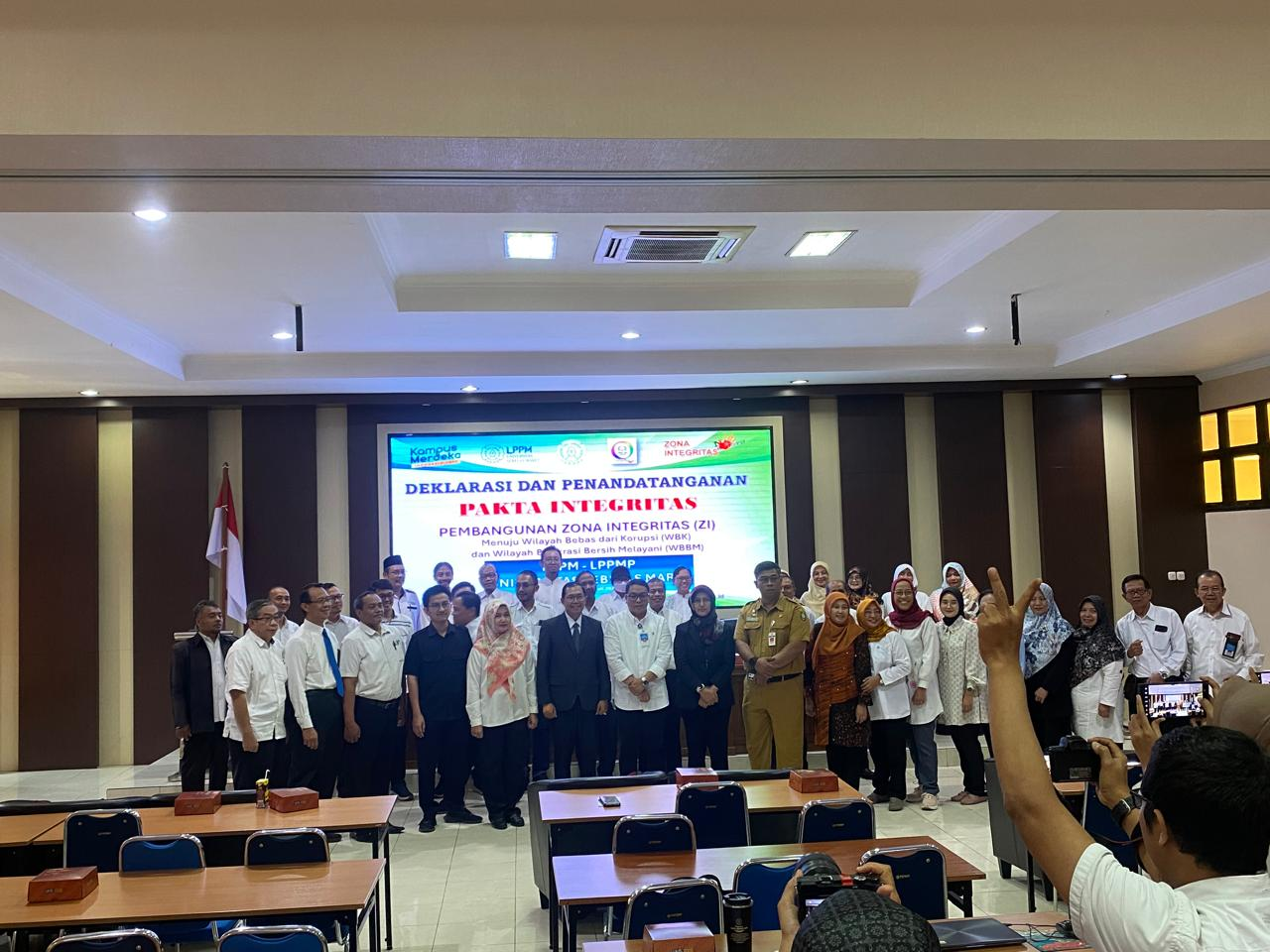
LPPMP and LPPM UNS launched the Integrity Zone (IZ) as a formal statement that the institution is committed to providing clean services, free from corruption and bribery, and rejecting organized crime practices. During the event, leaders and stakeholders signed the Integrity Pact as a symbol of collective commitment. The Head of LPPMP stated that the Integrity Pact would be widely published, allowing the public to monitor the program’s implementation.
- Prevention Instruments and Internal Regulations
In preparing the development of the IZ, LPPMP UNS established SOPs, internal regulations, and instruments to prevent corruption, bribery, and organized crime. The IZ unit at LPPMP has a structured change management area, including process management, administrative organization, strengthened supervision, and accountability — all key areas for applying university principles related to anti-corruption and anti-bribery.
- Reporting System and Whistle Blowing System (WBS)
LPPMP provides a reporting platform and Whistleblowing System (WBS) that enables the public or staff to report suspected integrity violations, bribery, or organized criminal activities. In the WBS, reporters can submit allegations confidentially, serving as a formal mechanism to enforce the university’s principles.
Source:
https://zi-lppmp.uns.ac.id/articles/lppmp-uns-sediakan-media-pengaduan-untuk-pengembangan-zona-integritas-wbk-wbbm?utm
https://zi-lppmp.uns.ac.id/pengaduan?form=wbs&utm_
- Regular Evaluation and Monitoring
LPPMP UNS conducts quarterly evaluations regarding the implementation of the Integrity Zone action plan, discussing achievements and challenges, including the enforcement of anti-corruption and anti-bribery policies. The evaluation also includes reviewing the Evaluation Work Sheet (LKE) and implementing improvements based on the results.
- Employee Involvement in Integrity Development
In developing the Integrity Zone, LPPMP collects input from employees, identifies key services, strategic issues, and risks that may be related to corruption, bribery, or organized crime. The results serve as the basis for the action plan and strengthen the institution’s commitment to university principles regarding corruption and bribery.
Through the development of Integrity Zones and the implementation of comprehensive policies, UNS demonstrates a strong and transparent commitment to upholding university principles on corruption, bribery, and organized crime. These efforts not only strengthen institutional integrity but also align UNS with global standards of accountability, fostering a culture of ethical conduct among staff and the wider university community.