
SDG 2 In Number
Total food waste (mt)
1.75
Campus population
31.364
Number of graduates
6.192
Number of graduates from agriculture and aquaculture courses including sustainability aspects
1.705
2.3.3 Sustainable Food Choices On Campus
UNS Provides Healthy and Sustainable Food Options to Improve Food Security on Campus
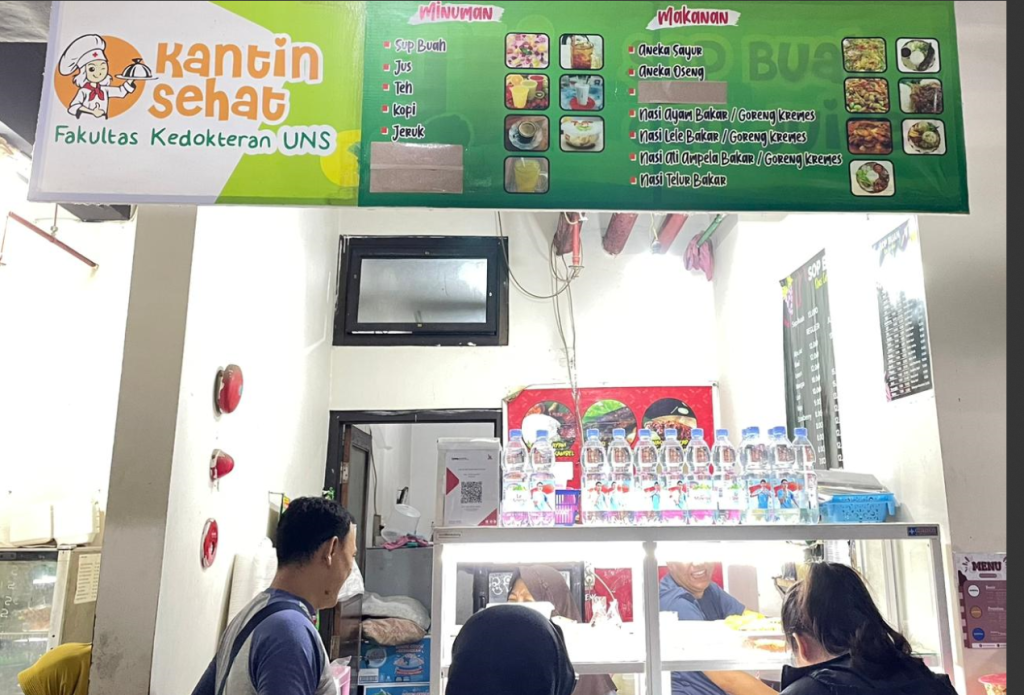
Universitas Sebelas Maret (UNS) continues to demonstrate its commitment to supporting food security and environmental sustainability by providing healthy and sustainable food options on campus. This step is part of the implementation of Sustainable Development Goals (SDGs) 2, Zero Hunger, which aims to promote nutritious, safe, and environmentally friendly diets for the entire academic community.
Through its canteen management policies and collaborations with various parties, UNS encourages the use of local food, reduces plastic waste, and provides nutritious menus. All food outlets across the UNS campus are required to provide sustainable food choices for all, including vegetarian and vegan food, ensuring that every member of the campus community can access healthy and environmentally responsible meals. More than 15 canteens across the UNS campus offer a diverse menu, including vegetarian and vegan options, at affordable prices, so students can choose meals that suit their budget. This program also seeks to raise student awareness of the importance of consuming healthy and sustainable food as part of a green campus lifestyle. With this concept, UNS not only provides access to healthy food but also plays an active role in creating a more productive learning environment and caring for the well-being of the campus community.
In addition to being part of the Green Campus strategy, this initiative strengthens UNS’s position as a sustainability-oriented university. Efforts to provide healthy food on campus prove that UNS is not only focused on academic development, but also plays a real role in creating a healthy, independent, and globally competitive campus ecosystem.
Source:
- UNS Faculty of Agriculture Students Create Functional Food Innovations from Job’s Tears and Bananas
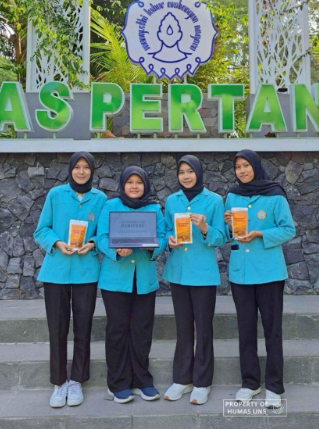
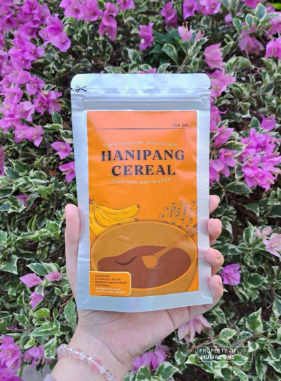
A group of students from the Faculty of Agriculture (FP) at Sebelas Maret University (UNS) successfully created a breakthrough healthy cereal product utilizing two nutrient-rich local commodities: Job’s Tears (Jali-jali) and bananas. The product was named Hanipang, an abbreviation of Hanjeli Pisang, on Tuesday (July 2, 2024). This local crop is often mistaken for barley, but it actually possesses unique nutritional properties and is dubbed a superfood. Job’s Tears is rich in fiber, protein, and essential nutrients, making it an ideal substitute for regular rice. Hanipang cereal combines processed Job’s Tears (Jali-jali) with bananas to create a breakfast that is not only quick but also high in nutrition. The product is packaged in a 150-gram aluminum ziplock pouch, offering a healthy and practical breakfast solution for four days at an affordable price.
This activity directly supports SDGs 2, particularly indicator 2.3.3, namely sustainable food choices, by providing food choices rich in benefits. These functional food innovations also encourage sustainable food availability that can be distributed and promoted across all food outlets on campus, supporting the creation of a more resilient and health-conscious food ecosystem. Through this activity, UNS will focus on strengthening the ecosystem so that these student innovations do not stop as PKM products, but become real solutions for food security and public health.
Source: