SDG 12 In Number
Amount of waste generated (mt)
122
Amount of waste recycled (mt)
91
Amount of waste sent to landfill (mt)
31
12.3.1 Waste Tracking
Waste Tracking and Sustainable Waste Management
As a manifestation of the university’s commitment to addressing waste problems, Universitas Sebelas Maret (UNS) tracks the amount of waste produced on campus through waste monitoring. Waste tracking is a strategic step in line with SDG 12, Responsible Consumption and Production, as it enables the university to measure, monitor, and reduce the environmental impact of the waste it produces.
Waste Tracking Across the University
At UNS, waste tracking is carried out comprehensively and documented to ensure accurate measurement and monitoring. This waste tracking covers the whole university to ensure that all types of waste are measured and recycled systematically. With this system in place, UNS strives to accurately measure the environmental impact of its operational activities and monitor its waste management efforts.
Annual Waste Data and Recycling Rates
The total waste produced annually at UNS is 122 tons, comprising organic, inorganic, and toxic waste, with a total of 91 tons successfully recycled, indicating that 74% of the waste has been successfully recycled.
Type of Waste | Total Produced (tons/year) | Total Recycled (tons/year) |
Organic Waste | 51.59 | 48.68 |
Inorganic Waste | 55.41 | 27.93 |
Toxic Waste | 15.09 | 14.59 |
Total | 122.09 | 91 |
Management of Organic, Inorganic, and Toxic Waste
Each type of organic, inorganic, and toxic waste receives different treatment for recycling management. Organic waste processing is carried out by making compost using a drum composter, producing eco-enzymes from vegetables and fruits, and utilizing a simple biogas reactor. Additionally, some waste is processed into eco-print or used to create patterns on fabric/items from leaves and plant waste.
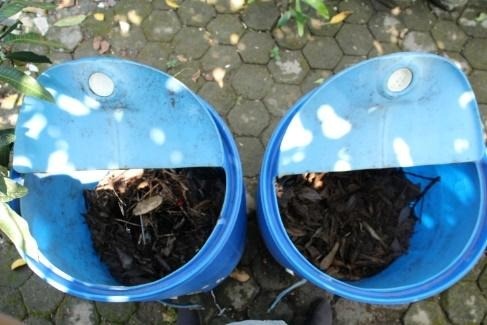
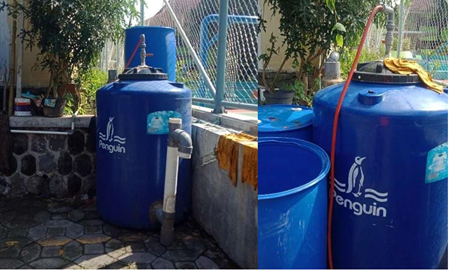
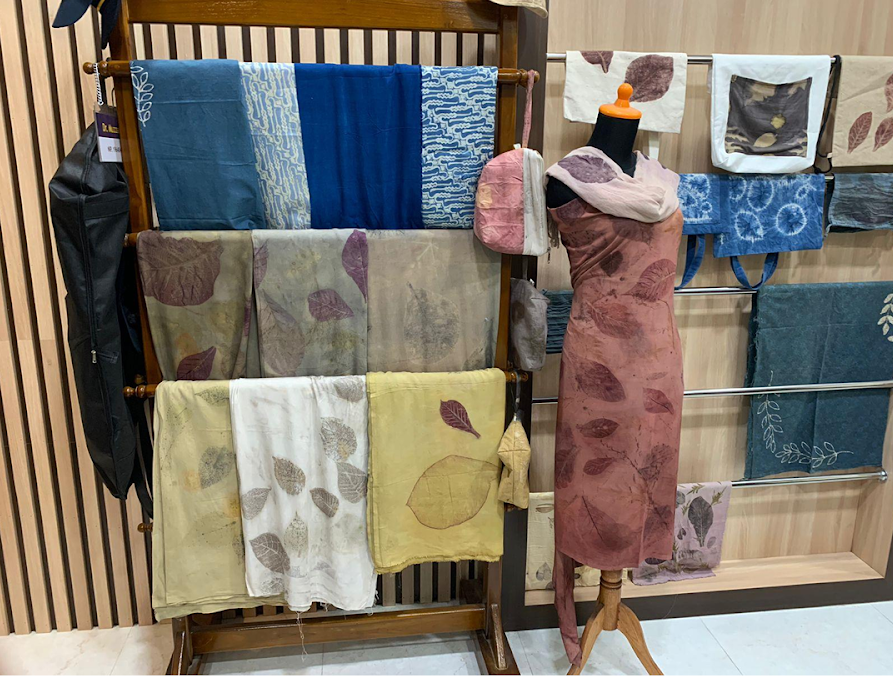
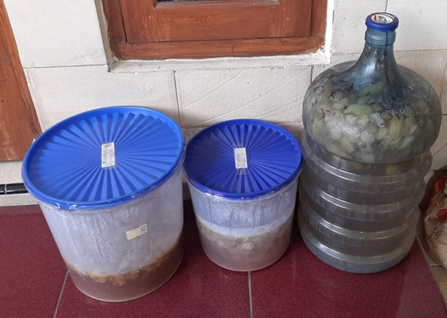
Organic waste processing products
For inorganic waste, a comprehensive series of processes is carried out, starting from waste sorting and collection, and material recycling to convert waste into reusable products, such as construction materials and handicrafts.
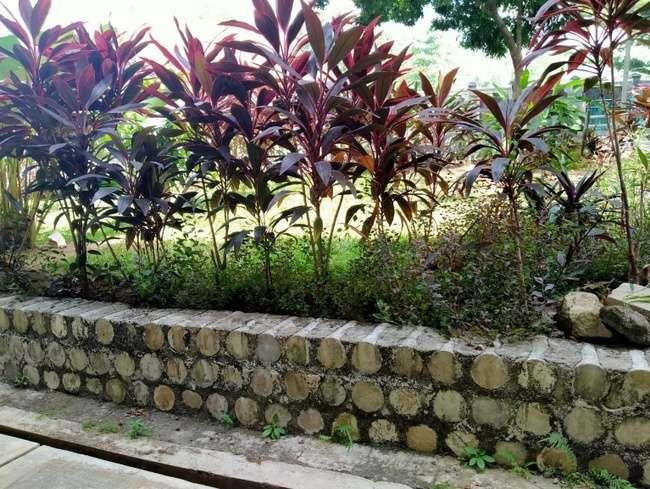
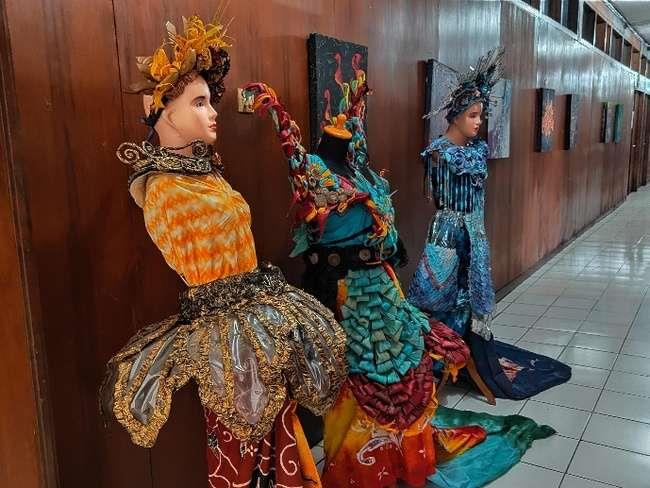
Inorganic waste processing products
For inorganic waste, a comprehensive series of processes is carried out, starting from waste sorting and collection, and material recycling to convert waste into reusable products, such as construction materials and handicrafts.
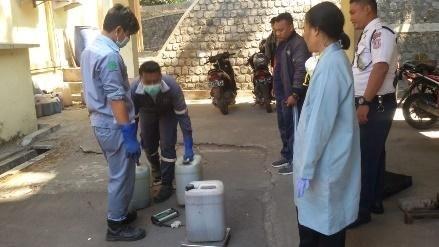
Toxic Waste Transporting
Thus, a direct contribution can be made towards achieving SDG 12, which emphasizes the importance of sustainable waste management and reducing the ecological footprint of human activities. The data-driven approach through waste tracking helps UNS identify areas for improvement and implement targeted waste reduction strategies.
Community Collaboration and SDG Impact
UNS continues to develop innovations in waste management, one of which is the processing of organic waste into pellets. This innovation is carried out by the Community Partnership and Service (PKM) team of UNS in Karangasem, Laweyan, Surakarta, in collaboration with the Gajah Putih Waste Bank. The organic pellets produced are made from leaves and household waste rich in nutrients, resulting in high-quality, environmentally friendly compost.
The production process of the compost pellets involves a formulation of 2 parts organic and household waste, 1 part rice bran, and 1 part dried goat manure, supplemented with 5% dolomite of the total mixture weight, followed by a one-month fermentation period. The mixture is then molded with a 6.25% starch solution as a binder and dried until the moisture content reaches approximately 15%. This innovation aims not only to process waste but also to support the creation of a sustainable environmental ecosystem.
The UNS PKM program has been running since July 2025 and is expected to continue in conjunction with other development programs, fostering synergy between the university and the community. The Head of Gajah Putih Waste Bank stated that this program provides direct benefits to residents, including the potential for local economic development through the sale of organic pellets.
This initiative aligns with the Sustainable Development Goals (SDGs), particularly SDG 12, as it promotes systematic and sustainable waste management and strengthens strategic collaboration between academics and the community. This collaboration serves as an initial step in creating sustainable change at the local level and supporting other SDG targets.
The series of initiatives undertaken represents a long-term commitment to achieving zero waste. By measuring the amount and type of waste, UNS aims to identify opportunities to reduce waste, increase recycling, and optimize resource use, ultimately achieving zero waste. Waste tracking plays a crucial role in measuring progress on an ongoing basis, enabling the university to take proactive steps to reduce waste and move closer to its long-term goal of achieving zero waste more efficiently.
RELEVANT RESEARCH
UNS supports research to monitor and reduce waste across campus and in local communities. The studies “Pengembangan Usaha Batik Ecoprint pada UMKM Soloecoprint.id Melalui Peningkatan Kualitas Produksi Corak Pewarna Alam” by Prof. Dr. Sayekti Wahyuningsih, and “Diversifikasi Produk UMKM Dewi Batik Boyolali melalui Penerapan Teknik Batik Cap Kertas dan Pewarnaan Alami untuk Pengembangan Motif Batik Simplicity” by Prof. Dr. Sarwono, allow for partial tracking of waste generated during batik production. By using natural materials and paper-based methods, the amount of hazardous residues is reduced, and some waste can be recycled, contributing to sustainable production patterns.