SDG 6 In Number
Volume of water used in the university: Inbound (treated/extracted water) (m³)
94.092
Campus population
31.364
6.3.4 Water-Conscious Building Standards
Implementation of Water-Conscious Building Standards to Minimise Water Use
In line with SDG 6: Clean Water and Sanitation, Universitas Sebelas Maret (UNS) is strongly committed to implementing water-conscious building standards to ensure the efficient and sustainable use of water resources across its campuses. As part of the university’s broader Green Campus initiative, UNS adopts various strategies in building design, construction, and maintenance that aim to minimise water use, promote water conservation, and reduce the environmental impact of campus operations. These efforts are systematically guided by the UNS Green Campus Action Plan 2020–2024, which emphasizes innovation in water-saving technologies and the development of eco-friendly infrastructure.
Universitas Sebelas Maret (UNS) consistently demonstrates its commitment to sustainable water management by applying water-conscious building standards across its campuses. These standards are implemented through the use of water-efficient equipment and infrastructure that minimizes water use.
One of the concrete actions taken is the installation of 1,279 toilet units with flushing systems in various faculties, many of which are also accessible for persons with disabilities. To further promote efficient water use, several buildings are equipped with showers, which allow users to better control water consumption compared to traditional bucket usage.
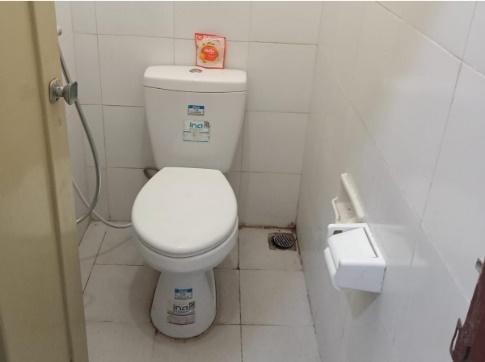
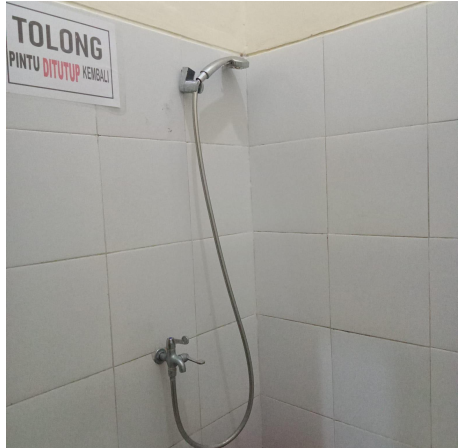
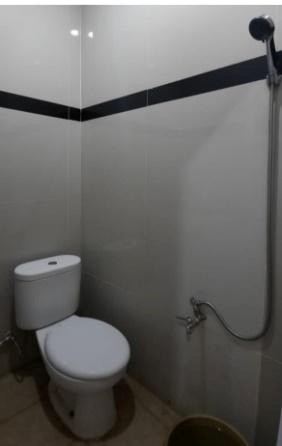
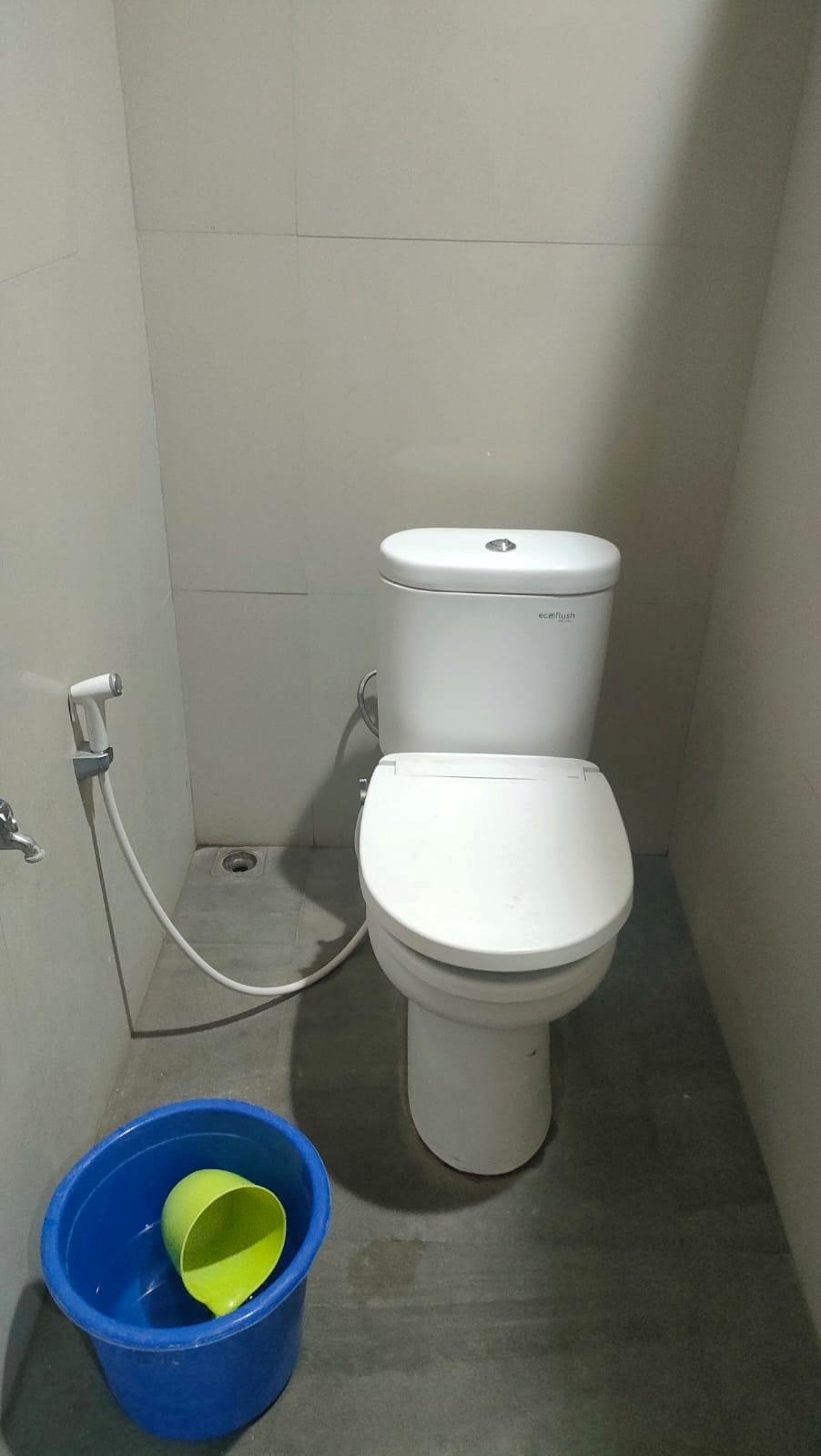
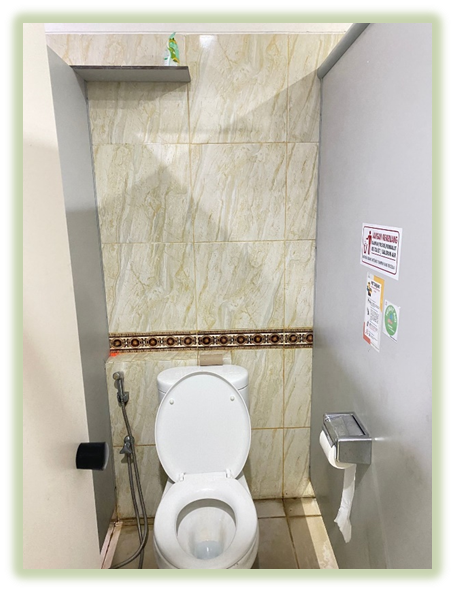
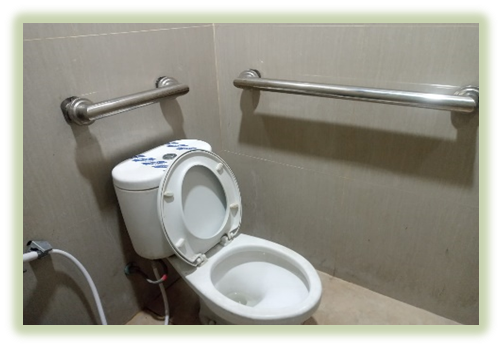
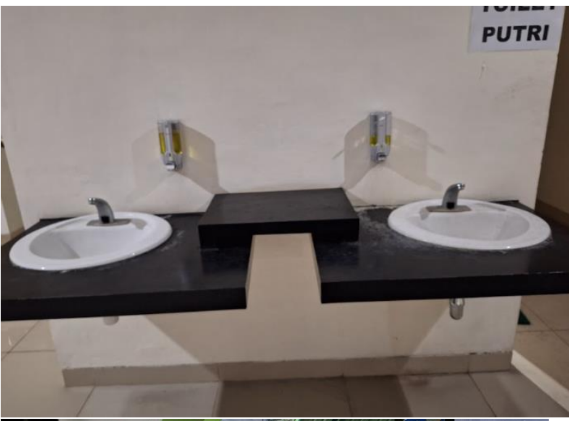
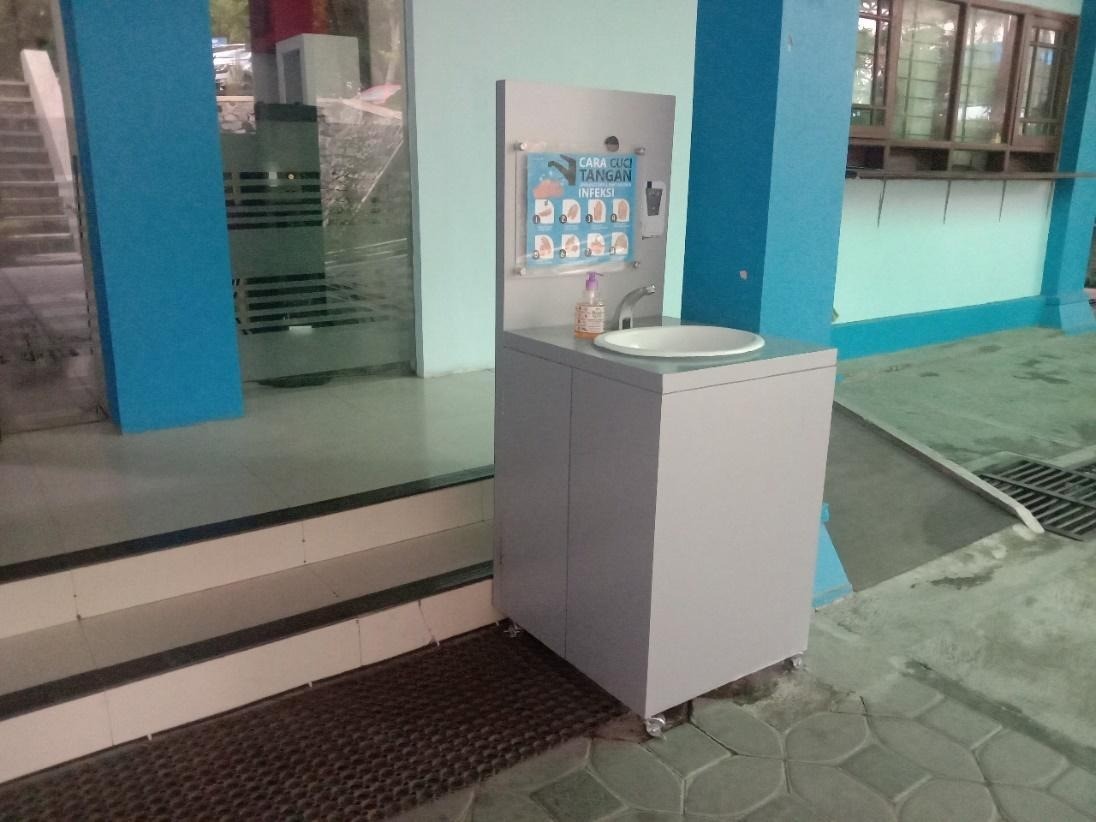
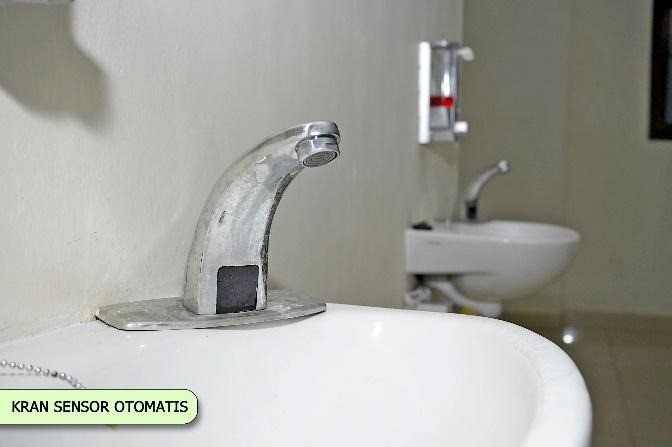
Additionally, automatic sensor faucets have been installed, ensuring that water only flows when hands are detected, thus preventing unnecessary waste. The implementation of these water-saving devices directly contributes to reducing clean water consumption and minimizing the amount of wastewater discharged into the Wastewater Treatment Plant (WWTP) at the UNS Kentingan campus.
In line with these efforts, UNS integrates water conservation measures into the Green Campus Action Plan 2020–2024. This includes the construction of shallow infiltration wells and biopore infiltration holes across different campuses to increase groundwater recharge and support rainwater harvesting initiatives. The milestones achieved include:
Shallow Infiltration Wells:
175 units built in total
100 units in Kentingan Campus
17 units in FKOR Manahan Campus
15 units in PGSD Campus
10 units each in Pabelan and JPTK FKIP Campuses
8 units in Mesen Campus
Biopore Infiltration Holes:
1,150 units built in total
250 units in Kentingan Campus
100 units in FKOR Manahan Campus
250 units in Ngoresan Campus
150 units in Pabelan Campus
200 units in PGSD Campus
100 units in Mesen Campus
Furthermore, the university progressively replaced existing toilet facilities with water-saving toilets, achieving 60% installation coverage across all UNS campuses in 2024.
Through the integration of building standards that minimize water use, installation of water-efficient equipment, and implementation of rainwater harvesting and infiltration systems, UNS ensures that every development project aligns with its long-term sustainability commitment under SDG 6: Clean Water and Sanitation.