SDG 7 In Number
Total energy used (GJ)
20.148
University floor space (m²)
505.885
Total energy used from low-carbon sources (GJ)
9.308
7.4.4 Policy Development For Clean Energy Technology
UNS Contributions to Energy Efficiency and Clean Energy Policy Development
In its dedication to promoting a sustainable future, Universitas Sebelas Maret (UNS) has embraced a proactive role in supporting the development of clean energy policies and energy-efficient technologies. Recognizing the strategic importance of government collaboration in driving a low-carbon transition, UNS actively contributes to policy dialogue, provides scientific expertise, and facilitates knowledge transfer in the development of policy. This commitment reflects UNS’s broader mission to align research and education with sustainability priorities at multiple levels, fostering an enabling environment for evidence-based decision-making. These initiatives are closely aligned with Sustainable Development Goal (SDG) 7: Affordable and Clean Energy, while advancing efforts toward inclusive, resilient, and sustainable development at local, regional, national, and global levels.
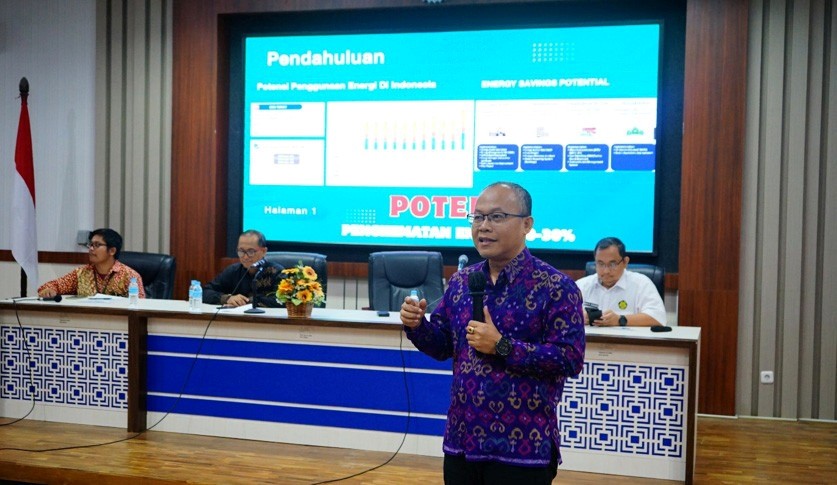
In a strategic partnership, the Faculty of Engineering at Universitas Sebelas Maret (FT UNS) joined forces with the Directorate General of New, Renewable Energy and Energy Conservation (Ditjen EBTKE) of the Kementerian Energi dan Sumber Daya Mineral Republik Indonesia (ESDM) to organize a “Sosialisasi Konservasi Energi” (Energy Conservation Outreach) seminar at the UNS campus in Surakarta. The event brought together key experts, ranging from local government officials to regional authorities, national policymakers, and academic researchers, to disseminate knowledge about energy efficiency policies, regulatory frameworks, and best practices that support clean energy transitions across multiple governance levels.
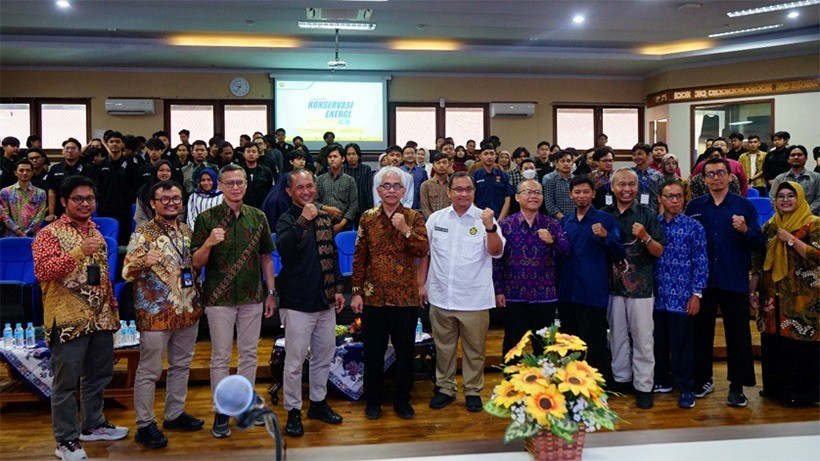
A central focus of the workshop was to inform and support government actors in developing policies for clean energy and energy-efficient technologies. During the seminar, representatives from Ditjen EBTKE presented the rationale behind Government Regulation No. 33 of 2023 on energy conservation, emphasizing the need for a strengthened regulatory scope, expanded implementation capacity, and enhanced coordination among local and regional governments. Academic experts from FT UNS also provided input on sustainable energy management strategies, emphasizing how collaborative research, technological innovation, and adaptive policy measures can support efficient energy use and carbon reduction. Additionally, discussions on electric vehicle conversion technologies highlighted how technical advancements can be integrated with regulatory measures and national energy goals, while lessons learned could inform regional and global clean energy initiatives.
This collaboration highlights the strategic role of universities in bridging the gap between research, policy, and implementation. By facilitating structured policy dialogues and knowledge exchange across local, regional, national, and global levels, FT UNS and Ditjen EBTKE are contributing to the development of evidence-based energy conservation strategies. Such initiatives strengthen institutional capacity, inform government decision-making, and accelerate the adoption of energy-efficient technologies, thereby supporting clean energy transitions and sustainable development at multiple governance scales.
This collaboration highlights the strategic role of universities in bridging the gap between research, policy, and implementation. By facilitating structured policy dialogues and knowledge exchange, FT UNS and Ditjen EBTKE are contributing to the development of evidence-based energy conservation strategies. Such initiatives strengthen institutional capacity, inform government decision-making, and accelerate the adoption of energy-efficient technologies, thereby supporting the national agenda for clean energy transition and sustainable development.
RELEVANT RESEARCH
In 2024, UNS provided research and community service funding with a focus on SDG 7 topics to achieve SDG 7: Ensure access to affordable, reliable, sustainable, and modern energy for all. Research by Dr. Eng. Risa Suryana (Material Maju untuk Mendukung Energi Terbarukan dan Produk Green Technology) and Dr. Eng. Kusumandari (Pengembangan Energi Alternatif Biogas dari Sampah Organik di Desa Wonorejo, Polokarto, Sukoharjo) can serve as evidence-based references for developing clean energy policies at both local and national levels.