

15.2.3 Maintain and Extend Current Ecosystems' Biodiversity
Maintaining and Extending Ecosystem Biodiversity through Conservation and Restoration Initiatives at Universitas Sebelas Maret (UNS)
Universitas Sebelas Maret (UNS) demonstrates a strong commitment to maintaining and extending existing ecosystems and their biodiversity, especially those under ecological threat. The university actively protects natural habitats, restores degraded areas, and enhances biodiversity through education, research, and community engagement in line with Sustainable Development Goal (SDG) 15: Life on Land.
- Management of the Bromo Educational Forest (KHDTK Bromo)
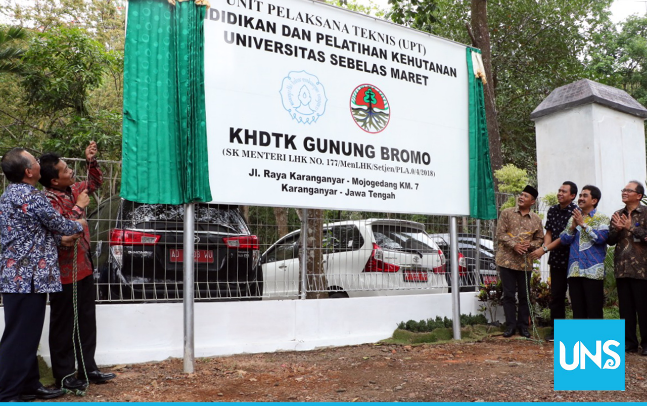
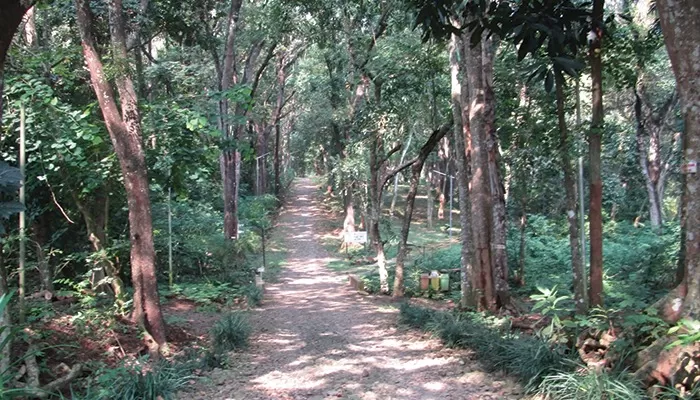
UNS was entrusted by Indonesia’s Ministry of Environment and Forestry to manage the Kawasan Hutan dengan Tujuan Khusus (KHDTK) Bromo, or the Bromo Educational Forest, located in Karanganyar, Central Java. Covering 122.78 hectares, this forest is managed for education, research, community service, and sustainable tourism. The management is regulated under UNS Rector’s Regulation No. 20 of 2023.
The forest serves as a living laboratory, enabling students and researchers to study forest ecology, biodiversity conservation, and sustainable forest management practices. It also serves as a habitat for numerous endemic and threatened species, such as the Javan Hawk-Eagle (Nisaetus bartelsi), alongside native medicinal plants and tall forest trees. Conservation actions include monitoring forest ecosystems, restoring vegetation through reforestation, and implementing community education programs to promote awareness about maintaining biodiversity and protecting forest ecosystems.
- Campus-Based Ecosystem Restoration and Tree Planting Programs
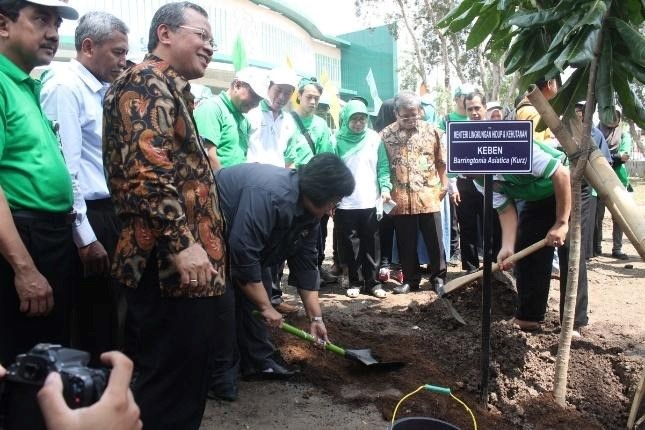
UNS extends its biodiversity conservation efforts beyond the forest through large-scale tree-planting movements. The One Student, Five Trees program, initiated in 2015, requires every student to plant and nurture five trees throughout their academic career. This initiative has led to the planting of thousands of protective, fruit-bearing, and rare trees within and around the campus, contributing to ecosystem restoration and biodiversity enhancement in urban areas.
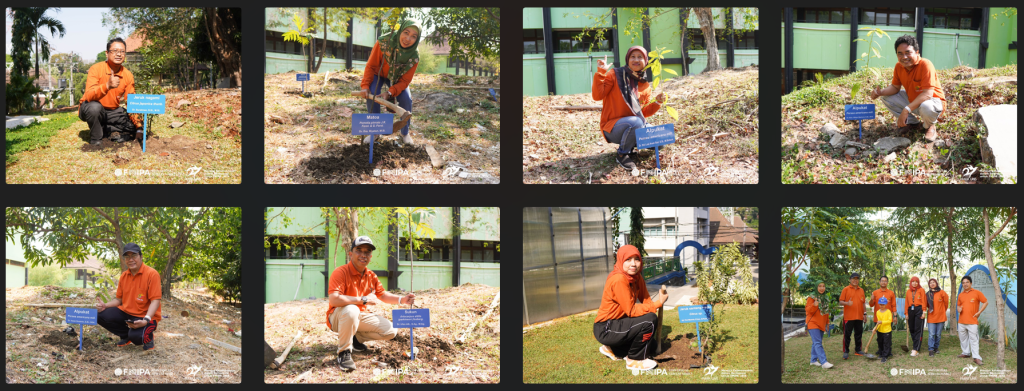
Similarly, the Tree Planting Movement by Newly Appointed Professors and Doctors symbolizes the academic community’s ecological responsibility. Through this initiative, lecturers plant native and rare tree species such as Sawo Kecik, Matoa, Ringin Putih, and Kenari, helping to extend the diversity of plant species and strengthen the campus’s role as a green ecosystem.
- Collaborations for Biodiversity Conservation
UNS also works directly with national conservation authorities to protect and maintain ecosystems under threat. The university collaborates with Baluran National Park (East Java) and Mount Merbabu National Park (Central Java) on programs that focus on biodiversity conservation, ecosystem research, and student field-based learning. Research in Mount Merbabu encompasses studies on endemic species, such as the Javan Langur (Trachypithecus auratus), and community-based conservation initiatives aimed at reducing human–wildlife conflict.
In partnership with Perhutani (State Forestry Enterprise) and Forest Village Community Institutions (LMDH), UNS also promotes land rehabilitation, agroforestry, and wildlife protection in community forests. Meanwhile, collaboration with Solo Safari (formerly Taman Satwa Taru Jurug) enhances in situ conservation research on protected animals, including tapirs, anoas, and Javan gibbons, ensuring sustainable management of captive wildlife populations.
- Scientific Contribution to Biodiversity Knowledge
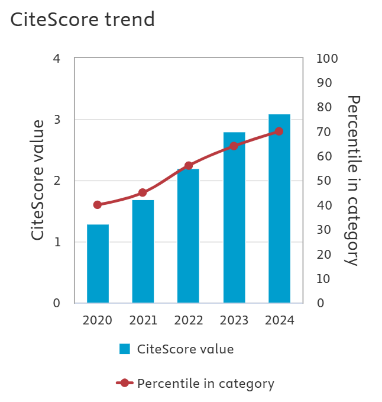
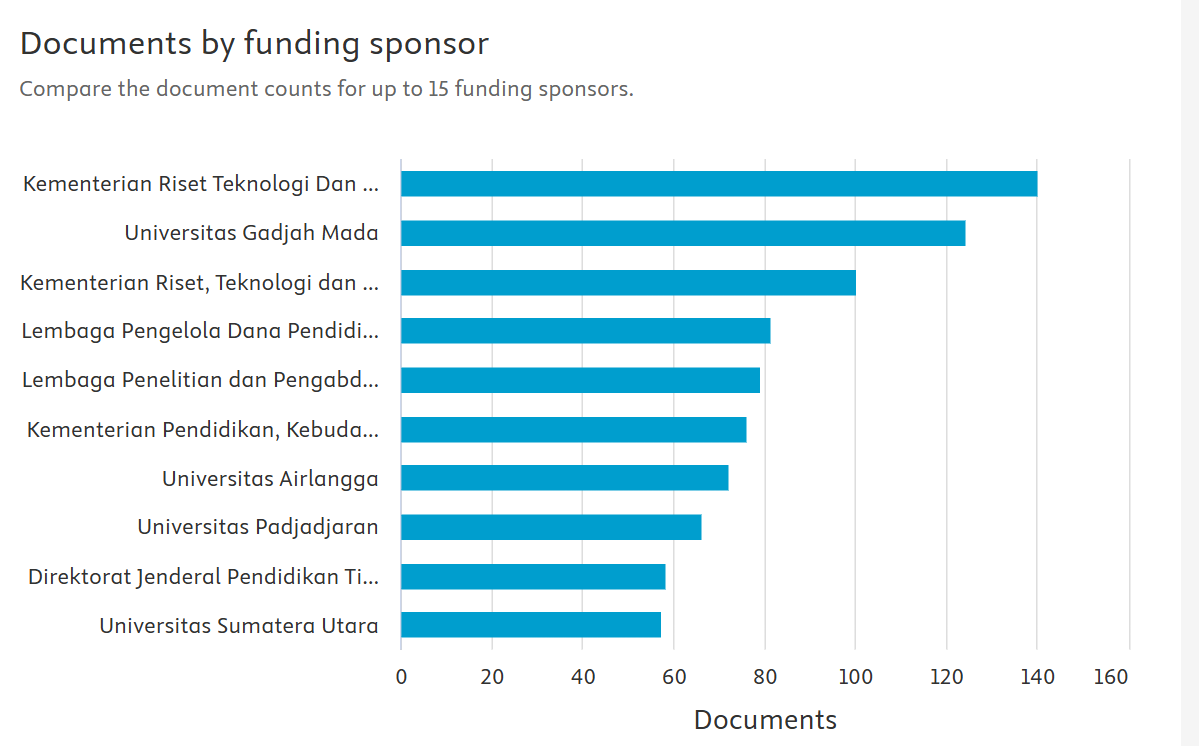
At the academic level, the Biodiversitas Journal of Biological Diversity, published by the Biology Department of UNS, serves as a global platform to disseminate biodiversity research. Indexed in Scopus (Q2, CiteScore 3.1 in 2024), the journal publishes thousands of scientific papers on the conservation, restoration, and management of ecosystems and species diversity, reinforcing UNS’s contribution to advancing biodiversity science worldwide.
Conclusion
Through integrated ecosystem management, reforestation programs, academic-led conservation efforts, and scientific publications, UNS actively works to maintain and extend the biodiversity of existing ecosystems. These continuous efforts not only protect endangered species and restore degraded habitats but also create a living example of how universities can become guardians of terrestrial ecosystems in support of SDG 15: Life on Land.