SDG 4 In Number
Number of graduates
6.192
Number of students starting a degree
9.032
Number of first-generation students starting a degree
6.205
Number of students
27.604
Number of graduates who gained a qualification that entitled them to teach at primary school level
6.192
4.3.1 Public Resources (Lifelong Learning)
UNS Strengthens Lifelong Learning: Open Access to Education for All through Programs, Facilities, and Digital Resources
Surakarta – Universitas Sebelas Maret (UNS) continues to support a variety of programs and policies that emphasize open access to education, aiming to provide inclusive and sustainable learning opportunities for the wider community, including those who are not enrolled as university students.
This commitment is realized through three main strategies: organizing free certified public training, opening access to university facilities for the public, and providing educational resources that are freely accessible through the university’s digital platforms.
- Free Access to Online Resources through UNS Open Science Education Platform
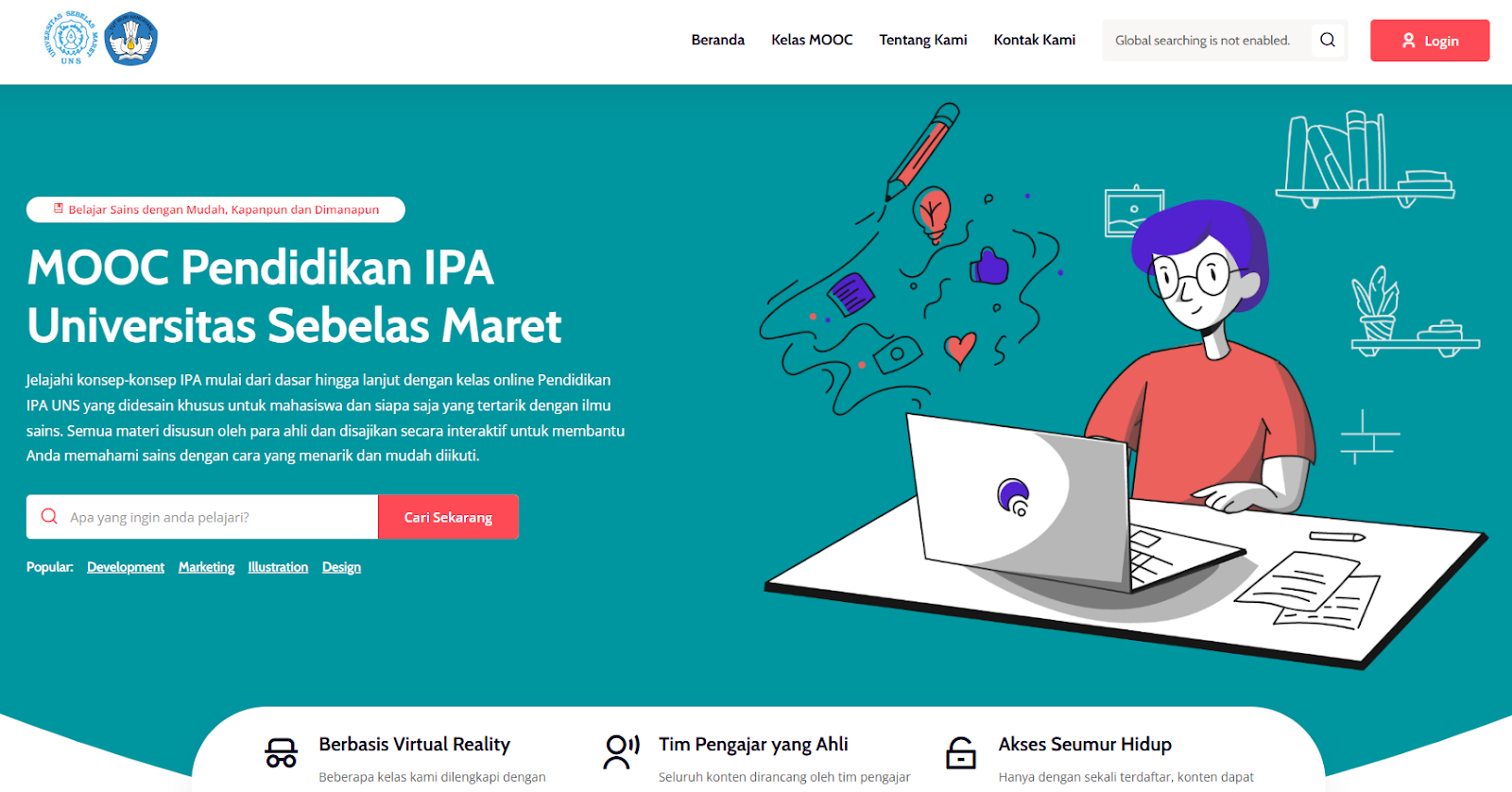
In support of achieving SDG 4: Ensure inclusive and equitable quality education and promote lifelong learning opportunities for all, Universitas Sebelas Maret (UNS) provides free access to online learning resources that can be utilized not only by university students but also by the general public. For example, the Faculty of Teacher Training and Education (FKIP), through the Science Education Study Program, offers free online courses via the platform: https://ipa.fkip.uns.ac.id/mooc/.
These free-access online courses allow anyone to explore science concepts ranging from basic to advanced levels. The courses are designed and curated by academic experts and presented in an engaging, interactive format to help learners understand scientific knowledge in an accessible and enjoyable way. This initiative demonstrates UNS’s commitment to promoting lifelong learning through free access to online educational resources for all members of society.
- Free Courses Leading to Certificate and Community Training for Lifelong Learning
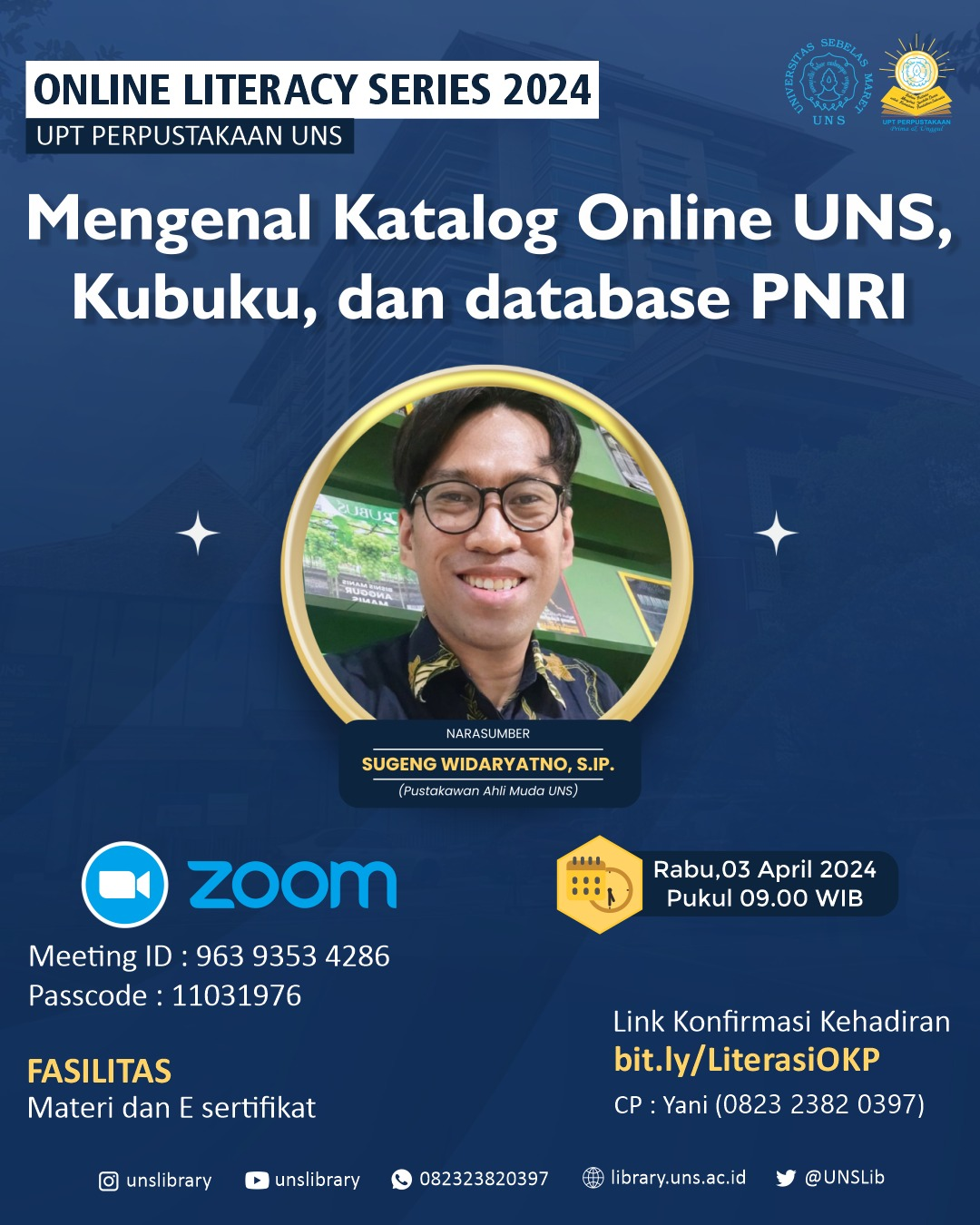
As part of its commitment to achieving SDG 4: Ensure inclusive and equitable quality education and promote lifelong learning opportunities for all, UNS provides free courses leading to certificates or awards and extends free access to community training through various initiatives.
One example is the Online Literacy Series (OLS) 2024, organized by the UPT Library of UNS, which offered a series of free online webinars open to the public. These sessions aimed to enhance digital literacy, research skills, and academic publication competence. The program included two main topics: “Publish Your Research: A Step-by-step Guide” (February 21, 2024) and “Introduction to UNS Online Catalog, Kubuku, and PNRI Database” (April 3, 2024). Participants who joined the program received official e-certificates, while the recorded sessions were made publicly available through the UPT Library’s official YouTube channel, ensuring free access to online resources for broader lifelong learning.
Additionally, UNS supports public education through its Community Service Program (P2M), which provides free access to campus facilities and training resources for the community. In 2024, these included the Halal Certification Training for MSMEs in Desa Geresik, Kuningan, and the AI Utilization Workshop by the Faculty of Economics and Business (FEB), where participants learned practical skills in digital marketing using Microsoft Copilot and Designer.
Source :
Perpustakaan UNS – OLS 2024
YouTube OLS 2024
Halal Certification Training for MSMEs in Desa Geresik, Kuningan
Workshop AI untuk UMKM Halal
- Free Access to Campus Facilities and Equipment for Public Learning
To support the achievement of SDG 4, UNS provides free access to its campus facilities and equipment, open to the general public, as part of its lifelong learning initiatives.
Through its UNS Museum and the Integrated Laboratory Unit (UPT Laboratorium Terpadu), UNS transforms its campus into a shared learning space that benefits not only students but also teachers, school groups, and the wider community.
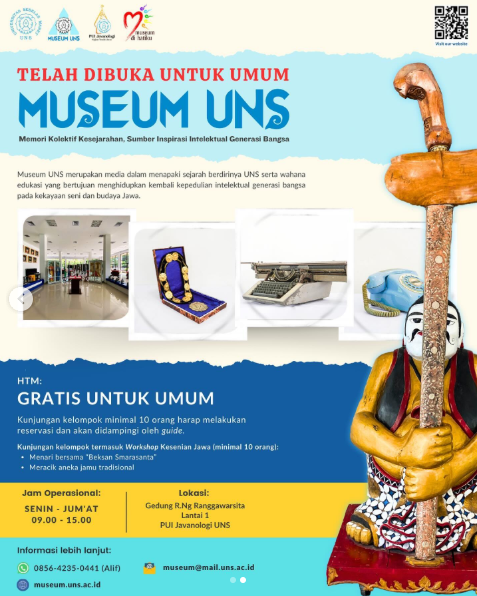
The UNS Museum functions as a public educational facility introducing the university’s history, academic achievements, and contributions to science and culture. It regularly welcomes visits and learning activities that promote science and higher education literacy among the public.
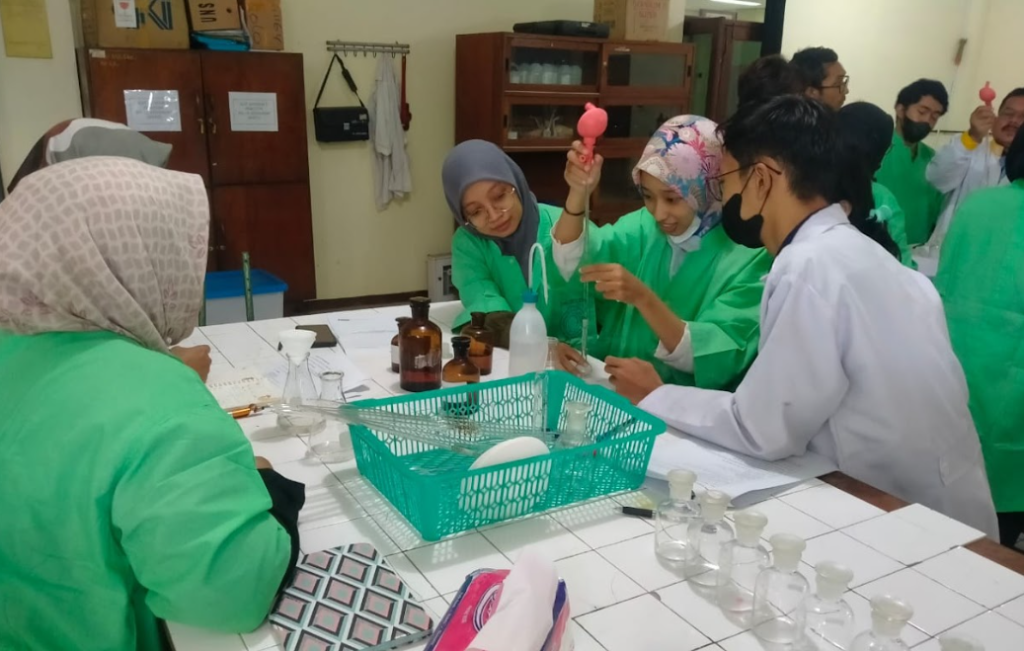
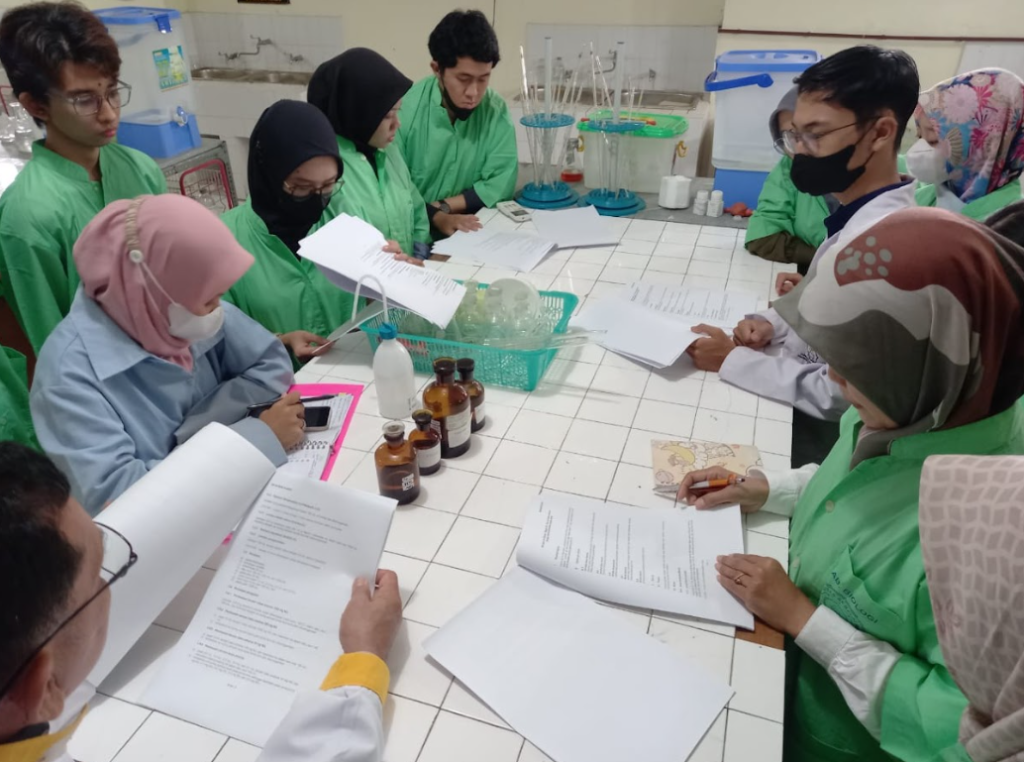
Meanwhile, the UPT Laboratorium Terpadu UNS provides educational and training services that are accessible to the community, students, and young researchers. Through collaborative research projects, experimental training, and practical programs, the laboratory enables the public to enhance its capacity in applied sciences and technological innovation.
This initiative clearly demonstrates UNS’s commitment to providing free access to campus facilities and equipment, ensuring that education, research, and innovation remain open and beneficial to all members of society.
Sources :
UPT Laboratorium Terpadu UNS – Program Pendidikan dan Pelatihan
MUSEUM UNS (@museum.uns) • Instagram photos and videos
- Free Access to Online Resources through Open Digital Learning Content
In alignment with SDG 4, which aims to ensure inclusive and equitable quality education and promote lifelong learning opportunities for all, Universitas Sebelas Maret (UNS) promotes free access to online resources by openly sharing educational and community service content with the public.
Through the Institute for Research and Community Service (LPPM), UNS published a video of the 2024 Community Service (PKM) DRTPM Grant on the official UNS YouTube channel. The video documents the Kawasan Pangan Lestari (KPL) program, which transformed idle land into a Pusat Latihan/Pelayanan Pertanian (PLP) in the Sewan area. In this initiative, local women received hands-on training to manage agricultural land productively and sustainably, enabling them to continue independently through the harvest stage.
By making this documentation publicly available, UNS ensures that the knowledge and skills developed through academic and community engagement activities can be accessed freely by the general public, educators, and local communities. This initiative provides free access to online learning resources, transforming UNS’s community service outcomes into valuable open educational materials that foster a culture of lifelong learning.
Through such efforts—complementing free certified public training and free access to campus facilities—UNS reinforces its role as a university committed to sustainability, knowledge sharing, and inclusive education for all.
Source :
Hibah PKM DRTPM 2024 LPPM UNS: Upaya Wujudkan Kawasan Pangan Lestari Guna Dukung Capaian SDGs 2030
In 2024, UNS allocated research and community service funding related to SDG 4: Ensure inclusive and equitable quality education and promote lifelong learning opportunities for all. Some UNS researchers conducted studies and community service to improve public access to educational resources:
- Prof. Dr. Sarwanto, S.Pd., M.Si. – “Inovasi Pembelajaran Berbasis Lifelong Learning untuk Mewujudkan Pendidikan yang Berkualitas“
This research develops learning innovations based on lifelong learning, providing open educational resources for the general public. - Cucuk Wawan Budiyanto, ST., Ph.D. – “Reimagining Learning: A Multifaceted Exploration of Innovative Pedagogical Approaches“
Explores innovative pedagogical approaches that allow the public to freely access educational materials. - Dr. Triana Rejekiningsih, S.H., K.N., M.Pd. – “Perwujudan Pendidikan Berkualitas untuk Mendukung Lingkungan Belajar yang Aman Anti Perundungan melalui Pengembangan Media Digital sebagai Implementasi dari SDGs di Kota Surakarta“
Develops digital media that can be accessed by the public as a learning resource, particularly for anti-bullying education. - Prof. Sulistyo Saputro, M.Si., Ph.D. – “Pengembangan Kompetensi Abad 21 melalui Pendekatan Social Emotional Learning (SEL), STEM, dan STEAM dalam Pembelajaran IPA“
21st-century learning materials (STEM/STEAM/SEL) are made accessible to the public to enhance competencies and literacy.