
SDG 2 In Number
Total food waste (mt)
1.75
Campus population
31.364
Number of graduates
6.192
Number of graduates from agriculture and aquaculture courses including sustainability aspects
1.705
2.5.3 University Access to Local Farmers and Food Producers
Supporting Local Farmers through Access to Facilities and Sustainable Farming Practices
As part of its commitment to Sustainable Development Goals (SDG) 2: Zero Hunger, Universitas Sebelas Maret (UNS) actively provides local farmers and food producers with access to a variety of facilities, technologies, and academic resources that support sustainable farming practices. These facilities and services are made freely accessible to local farmers and food producers as part of UNS’s community empowerment commitment. Through laboratories, agricultural land, production equipment, and analytical technologies, UNS facilitates the transfer of knowledge and technology that can be directly applied in the field. This approach not only strengthens the capacity of farming communities to improve productivity and the quality of their agricultural products but also bridges the gap between academic research and the practical needs of the local food sector, creating an innovative, inclusive, and sustainable agricultural ecosystem.
- Green House
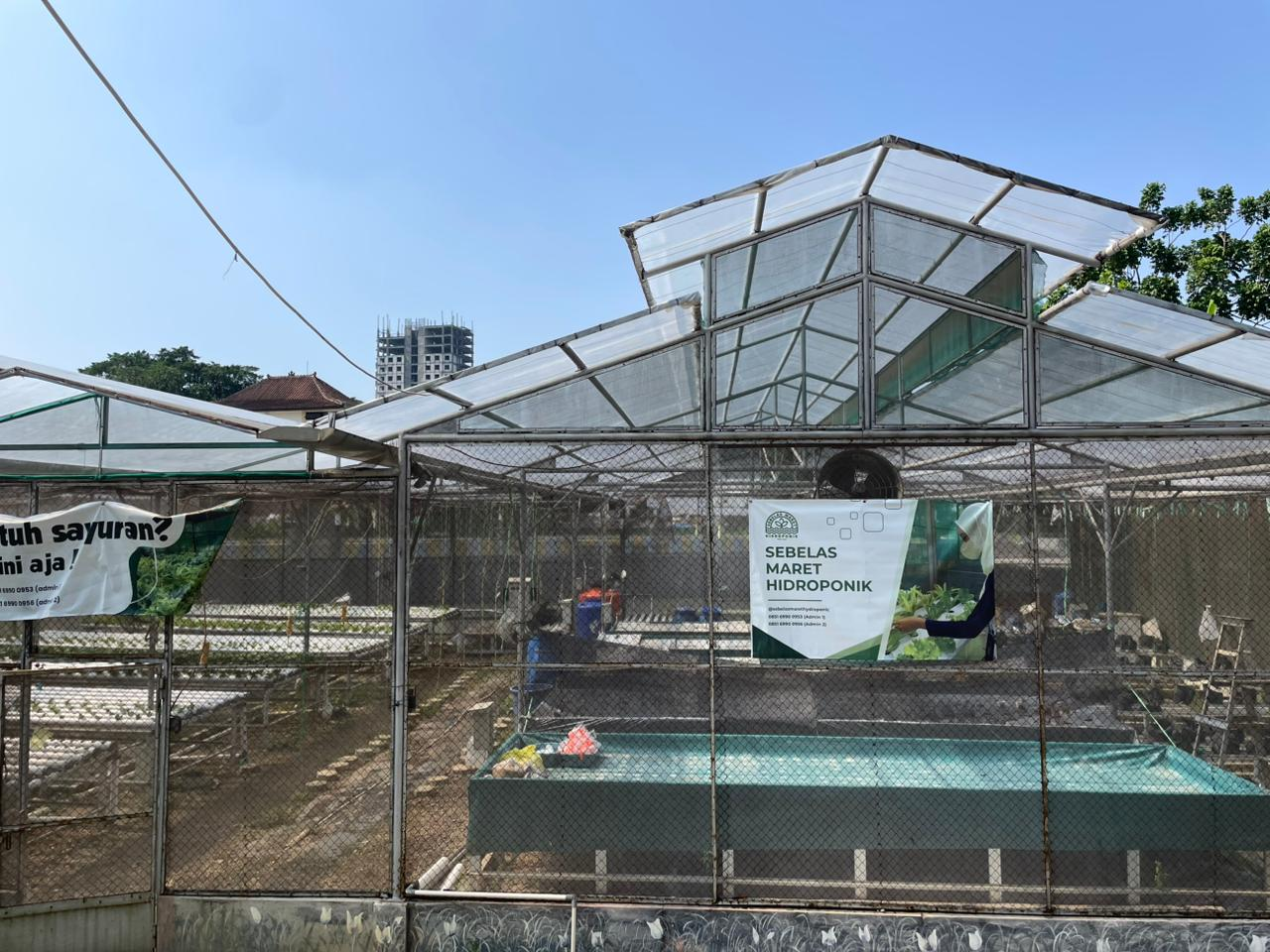

As part of its commitment to Sustainable Development Goals (SDG) 2: Zero Hunger, Universitas Sebelas Maret (UNS) continues to strengthen its role in supporting sustainable farming practices by providing and utilizing research and innovation facilities for the wider community. One of UNS’s flagship facilities is the Agricultural Greenhouse, which serves as a living laboratory for developing crop cultivation technologies, conserving plant genetic resources, and conducting innovative research in food security. This facility is not only used for the educational and research activities of students and faculty but is also accessible to local farmers and food producers in and around Surakarta. Access to the greenhouse and its training programs is provided free of charge to ensure inclusivity and community benefit.
Through collaborative activities, such as training sessions, technical assistance, and applied research, UNS offers farmers the opportunity to learn modern agricultural techniques, utilize organic fertilizers, employ environmentally friendly pest management practices, and implement efficient irrigation systems within the greenhouse. This approach enables UNS to transfer agricultural knowledge and technology directly to farming communities, enhancing productivity, crop quality, and the competitiveness of agricultural products in a sustainable manner.
These initiatives reflect UNS’s tangible commitment to strengthening the connection between academia and society, positioning the university as an inclusive innovation hub with a direct impact on local food security. By utilizing facilities such as the greenhouse, UNS actively contributes to accelerating the transformation of agriculture toward a resilient, sustainable, and equitable food system, in line with achieving SDG 2 by providing access to local farmers and food producers.
- Agricultural Land


In its efforts to support food security and strengthen sustainable farming practices, Universitas Sebelas Maret (UNS) continuously optimizes the use of its agricultural land as a platform for learning and community empowerment. These lands serve as centers for research, innovation, and training activities that are not only intended for students and faculty but are also open to local farmers and food producers. UNS provides free access to these agricultural lands for local farmers and communities to encourage participation in sustainable agriculture training and innovation. Through a collaborative approach, UNS actively bridges the academic world with the practical needs of farming communities, ensuring that modern agricultural technologies and knowledge can be applied directly in the field.
Activities carried out on UNS’s agricultural land include demonstrations of environmentally friendly cultivation techniques, implementation of organic farming systems, efficient use of water and fertilizers, and sustainable land management practices. Besides serving as practical training sites for students, these areas are also used for workshops and guidance programs for farmers, farmer groups, and local food producer communities around the campus. Through these activities, UNS transfers modern agricultural knowledge and technology, enabling farmers to gain new insights into precision farming innovations and soil conservation technologies that support increased production without harming the ecosystem.
The utilization of UNS’s agricultural land is also part of applied research and community service programs, where the university contributes to the development of superior crop varieties, value-added agricultural product processing, and agriculture-based entrepreneurship training. This synergy creates an integrated agricultural ecosystem that combines research, education, and community empowerment in a sustainable manner. By providing open access to its agricultural land for local farmers and food producers, UNS demonstrates its commitment as a university focused on sustainability and the well-being of society.
- Food Production Equipment
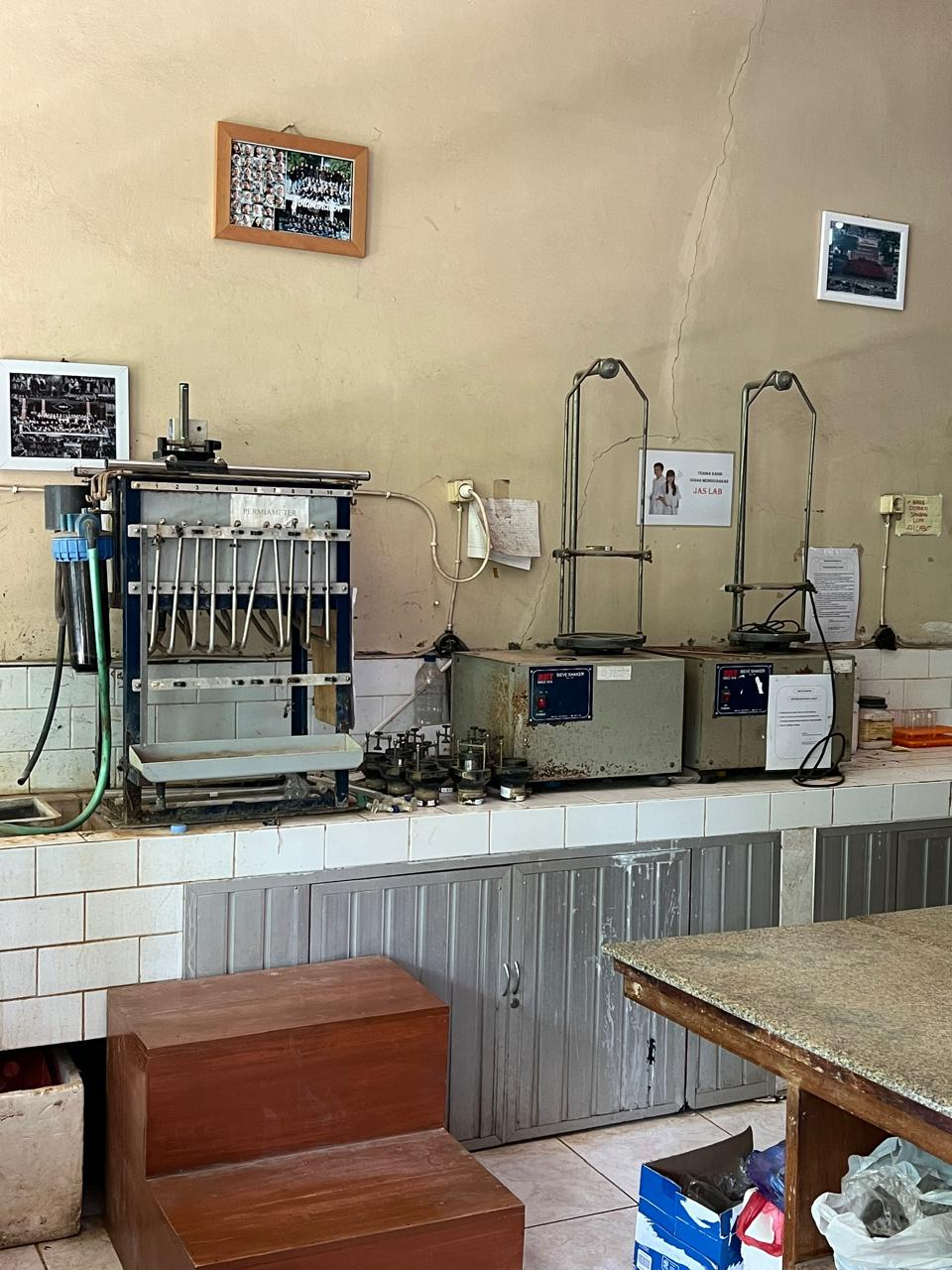
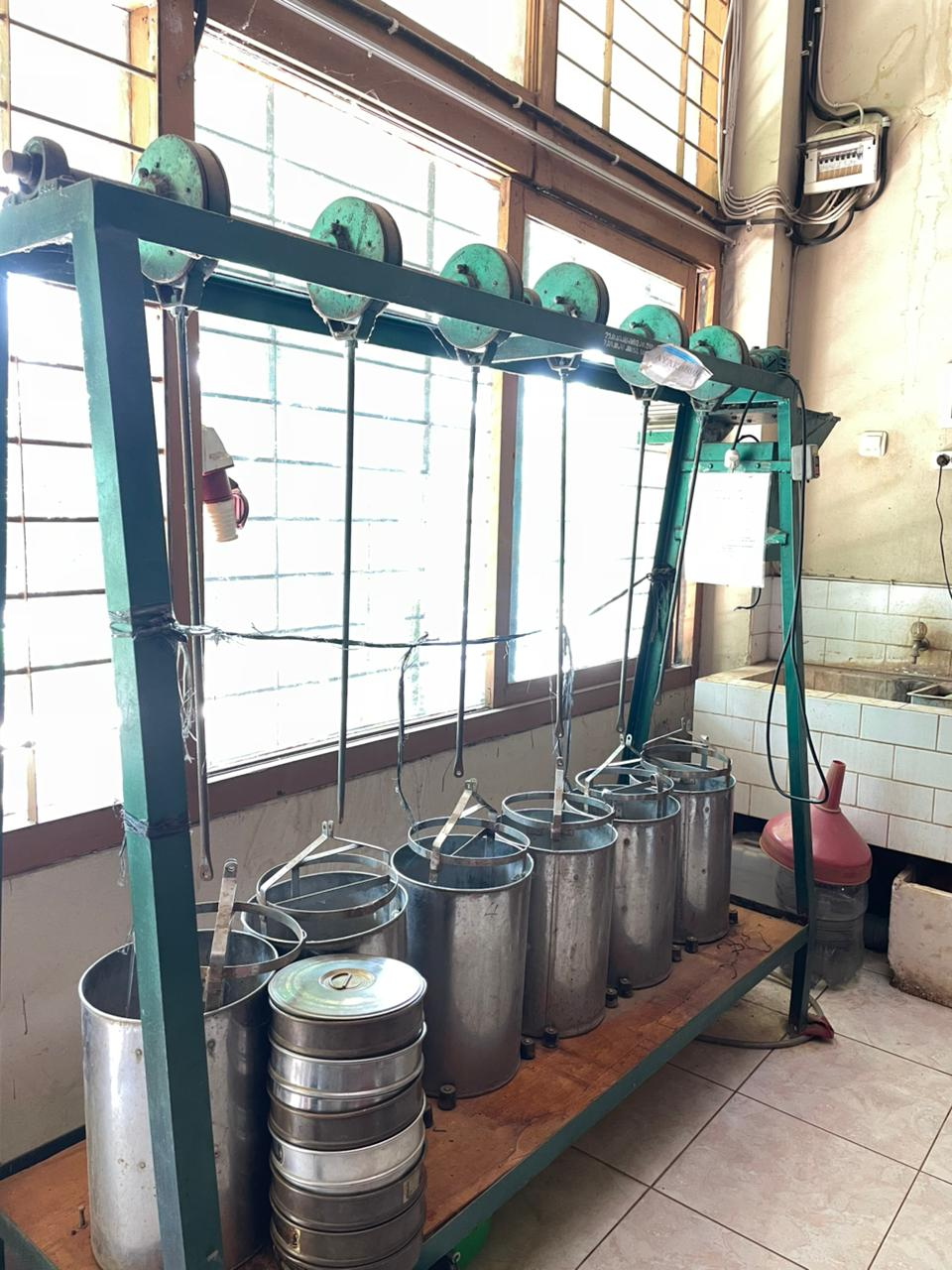
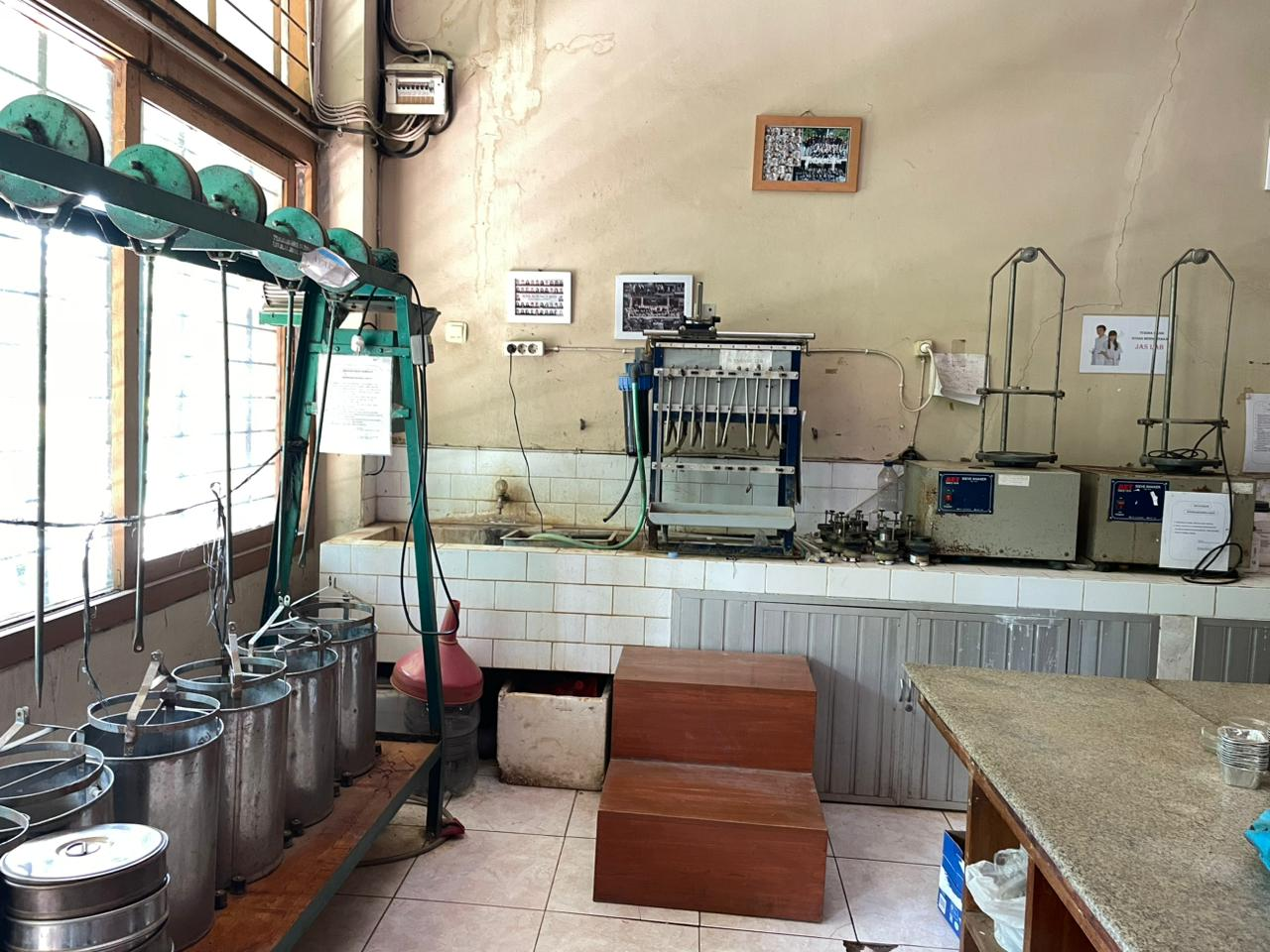
As a university committed to strengthening sustainable food systems and enhancing community capacity, Universitas Sebelas Maret (UNS) provides a range of food production equipment and facilities that can be utilized not only for academic activities but also by local farmers, food SMEs, and producers through training programs and community service initiatives. These facilities and trainings are available free of charge to ensure that local producers can fully benefit from UNS’s technological and educational resources. These facilities include agricultural product processing equipment, drying machines, vacuum sealers, packaging tools, and devices for supporting product quality testing. The availability of these facilities provides the community with opportunities to learn and develop skills in processing agricultural products into value-added goods that meet higher food safety standards.
Through collaboration between faculty, students, and local businesses, UNS actively transfers knowledge and technology for efficient and environmentally friendly food processing. Activities such as training in good manufacturing practices (GMP), product certification guidance, and food technology innovation workshops are regularly conducted to help producers enhance the competitiveness of their products. These initiatives not only support the improvement of local food production quality and sustainability but also strengthen UNS’s role as an innovation and education hub that is open to the wider community.
By providing access to food production equipment and technologies, UNS reinforces its commitment to linking scientific knowledge with practical community needs, particularly for local farmers and food producers.
- Agricultural and Food Analysis Equipment
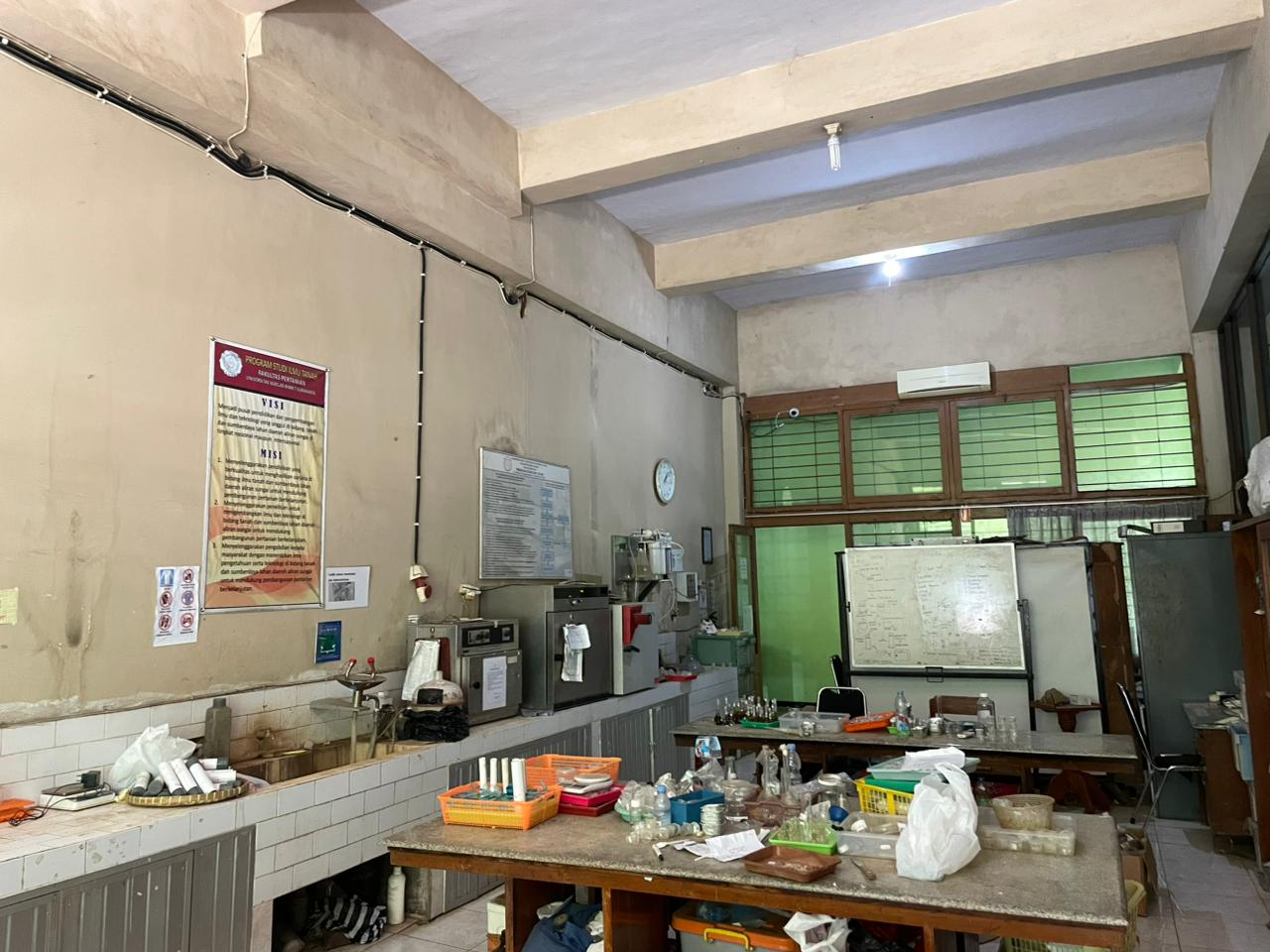
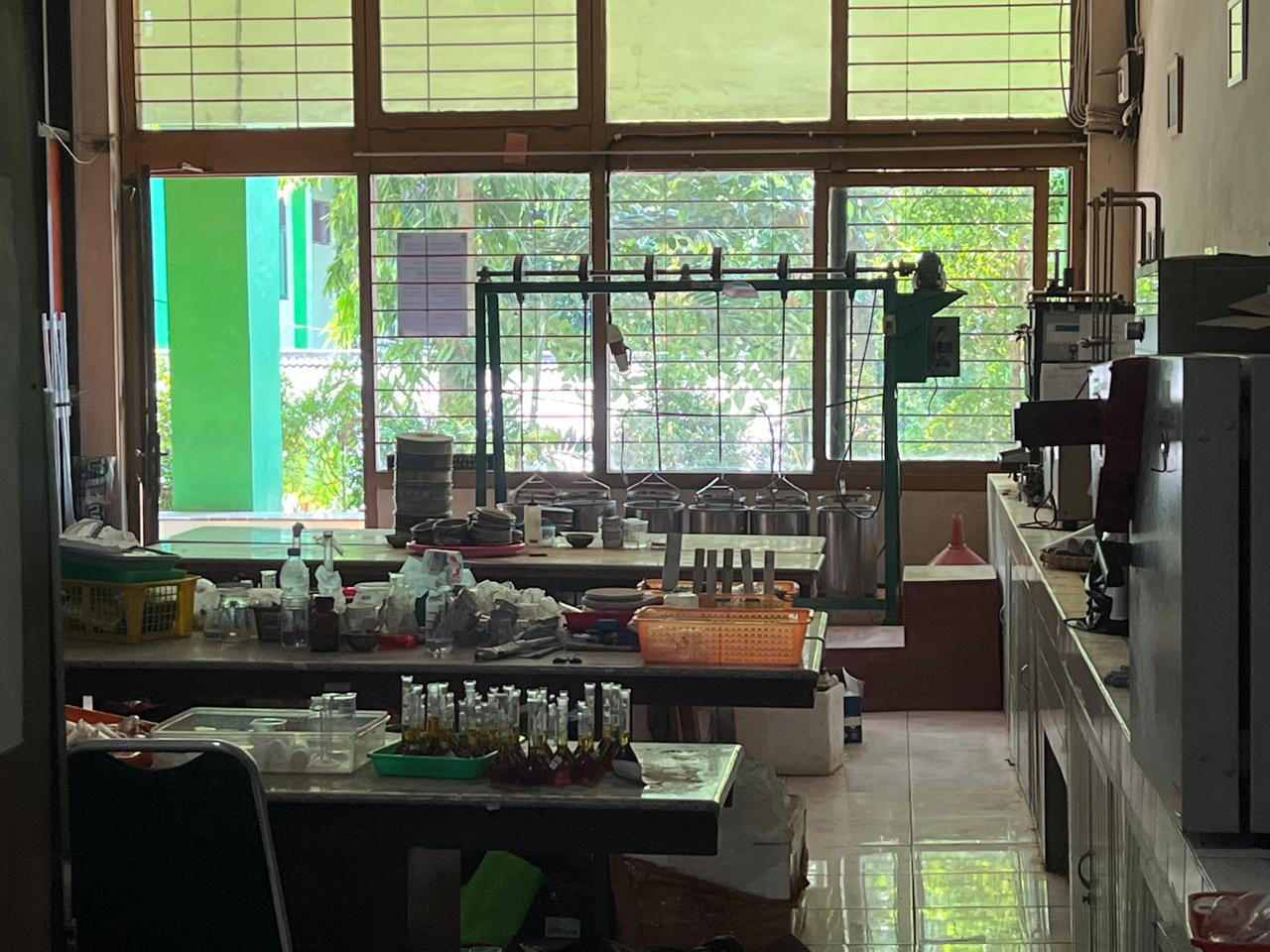
To strengthen its role as an innovation center and a driver of sustainable agriculture, Universitas Sebelas Maret (UNS) provides a variety of agricultural and food analysis equipment that can be utilized for research, learning, and community service activities. These analytical facilities include modern laboratory tools such as nutritional and food safety testing equipment, as well as devices for measuring the physical and chemical quality of agricultural products. These laboratory services are provided freely to local farmers and food producers participating in UNS community engagement programs. The availability of these facilities allows local businesses, farmers, and food producers to conduct quality, safety, and standardization tests under the guidance of UNS experts.
Access to this analytical equipment is provided through various training programs, collaborative research, and SME mentoring initiatives organized by the Faculty of Agriculture and the Vocational School of UNS. Through these programs, community members not only receive laboratory test results but also gain an understanding of how to apply agricultural product testing technologies, post-harvest management, and food safety systems in accordance with national standards. This collaboration positions UNS as a bridge between scientific knowledge and field practice, helping producers enhance the value and competitiveness of their products in a sustainable manner.
By providing open access to agricultural and food analysis equipment for the broader community, UNS actively contributes to strengthening a modern, science-based, and sustainable agricultural ecosystem.
- UNS Drinking Water Treatment System (SPAM)
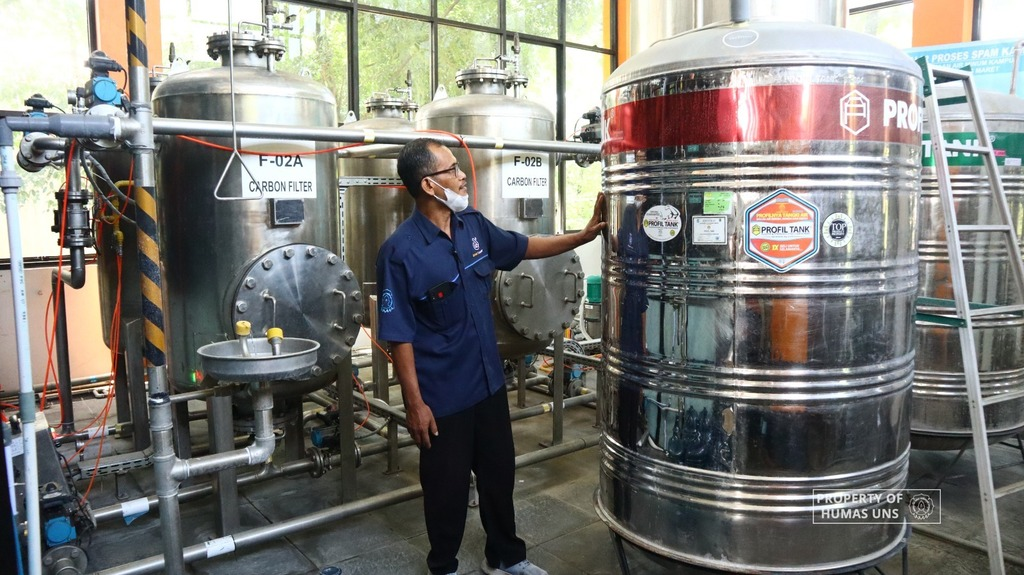
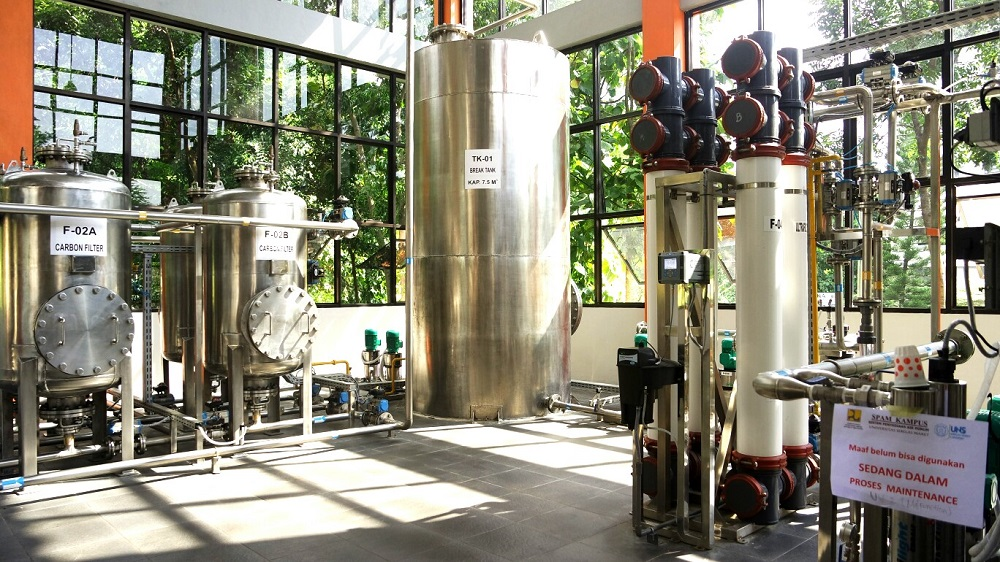
As part of its commitment to implementing a sustainable food system and supporting environmentally friendly production practices, Universitas Sebelas Maret (UNS), through its UNS Food unit, has implemented the SPAM (Drinking Water Treatment System) to provide clean and hygienic water for food production on campus. This system ensures the availability of safe, high-quality drinking water in accordance with health standards for all UNS Food production activities, where the unit acts as a local food producer supplying consumable products for the university community. The use and learning demonstrations of the SPAM system are open and free for local farmers, food producers, and students as part of UNS’s sustainability education efforts.
The application of the SPAM system at UNS Food demonstrates the university’s commitment to integrating sustainable water treatment technology into its food production process. The system involves filtration, sterilization, and strict quality control, ensuring that the treated water is not only used for internal needs but also serves as an educational tool highlighting the importance of efficient water resource management in the food industry. Through this facility, UNS demonstrates best practices in applying environmentally friendly technology to support a safe and sustainable local food supply chain.
This initiative also represents a tangible contribution by UNS to SDG 2, creating opportunities for collaboration between academia and the local production sector to establish a resilient and efficient food system. The use of the SPAM system by UNS Food not only strengthens institutional food security but also serves as a replicable model for other food producers in the community.
By providing access to research facilities, agricultural land, production equipment, analytical laboratories, and supporting technologies free of charge, UNS reinforces its role as a university driving the transformation of local agriculture toward a resilient and sustainable food system. These initiatives strengthen the capacity of farmers and food producers, support science-based innovation, and create opportunities for collaboration between academics and the community. Through these ongoing efforts, UNS contributes directly to achieving SDG 2, while also affirming its role as an innovation and education hub that impacts food security and the well-being of communities surrounding the campus.
To support efforts to end hunger, achieve food security and improved nutrition, and promote sustainable agriculture, in 2024, UNS provided research and community service funding on topics related to SDG 2. Several UNS researchers conducted studies aimed at addressing challenges related to food security and sustainable farming.
For example, UNS provides farmers and local producers with access to university facilities, technologies, and knowledge. The digital platform from Dwiningtyas Padmaningrum’s research on Information and Knowledge Sharing for Farmers Based on Digital Technology, titled “Information and Knowledge Sharing Petani Berbasis Teknologi Digital Menuju Pertanian Berkelanjutan,” data analysis and land management methods from Komariah on Estimating Potato Production and Quality in Central Java Using a Machine Learning Approach, titled “Estimasi Produksi dan Kualitas Kentang di Jawa Tengah berdasarkan karakteristik lahan dengan pendekatan machine learning,”, and the soybean production simulation model from Joko Sutrisno in “Model Simulasi Sistem Dinamik Swasembada Kedelai,” allow local communities to apply practical solutions, improving efficiency and sustainability in their farming practices.