

SDG 2 In Number
Total food waste (mt)
1.75
Campus population
31.364
Number of graduates
6.192
Number of graduates from agriculture and aquaculture courses including sustainability aspects
1.705
2.3.1 Student Food Insecurity and Hunger
UNS Canteen Demonstrates Commitment to Supporting Student Food Security
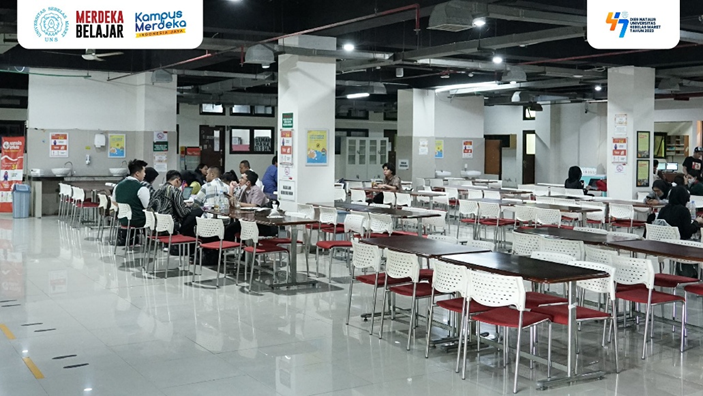
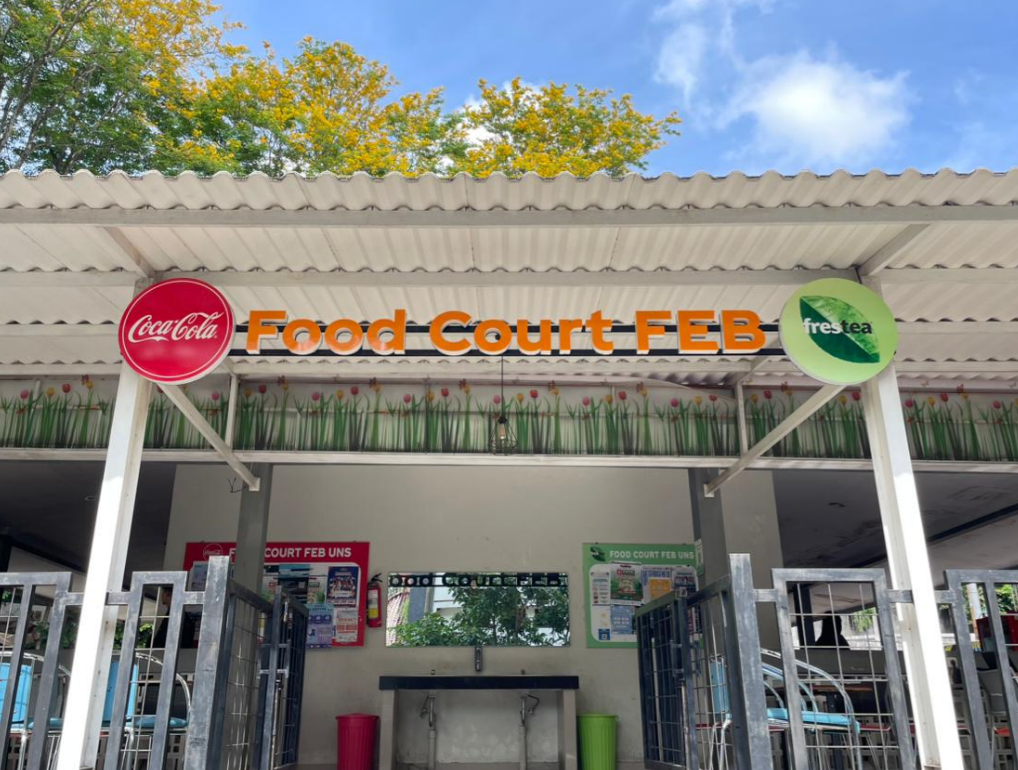
Universitas Sebelas Maret (UNS) demonstrates its commitment to supporting Sustainable Development Goals (SDGs) point 2, Zero Hunger, by managing a healthy, safe, and affordable canteen for students. The canteens at UNS now serve not only as dining venues but also as educational resources for developing healthy and sustainable consumption patterns.
UNS has more than 15 canteens spread across campus. Some canteens also serve multiple food vendors, providing students with a wide selection of menu options at affordable prices. These canteens provide nutritious meals that support students’ daily dietary needs. Through implementing hygiene standards, using locally sourced ingredients, and adapting prices to students’ budgets, UNS strives to reduce the potential for student food insecurity, or limited access to nutritious food. This initiative is also part of UNS’s collaboration with the Food and Drug Monitoring Agency (BPOM) through the Safe Food Goes to Campus program, which strengthens food safety literacy on campus.
In addition, throughout the month of Ramadan in 2024, Sebelas Maret University (UNS), in collaboration with Nurul Huda Mosque and the UNS Zakat Management Unit (UPZ UNS), distributed 500 dinner packages daily for 30 days to support students during the fasting month. For more details, please refer to the related news at the following link: https://upz.uns.ac.id/2024/04/18/pekan-pertama-ramadan-upz-uns-salurkan-2-900-paket-berbuka-puasa/
UNS is committed to continuously developing the canteen program to further enhance its effectiveness in the future. In the long term, UNS plans to expand this program by building new canteens based on sustainable food systems. The UNS canteens also support sustainable agriculture in providing raw food ingredients through collaboration with local farmers around campus, while minimizing food waste. This effort underscores UNS’s commitment to student welfare and its contribution to supporting national food security. With this commitment, UNS plays an active role in creating a healthy, resilient, and sustainable campus environment, in accordance with the Student Food Insecurity and Hunger indicators.