Fostering a Holistic Ethical Culture Through Institution-Wide Ethics Training at UNS
Institutional Commitment to Ethical Values
Universitas Sebelas Maret (UNS) develops clear ethical values and provides training aligned with them at all levels of the organization. Universitas Sebelas Maret (UNS) is committed to fostering a holistic, ethical organizational culture by promoting core values such as honesty, integrity, respect, fairness, discipline, and inclusivity. These values are systematically embedded and continuously internalized through structured programs targeting students, academics, researchers, and institutional leaders.
Student Level: Ethical Values and Inclusivity
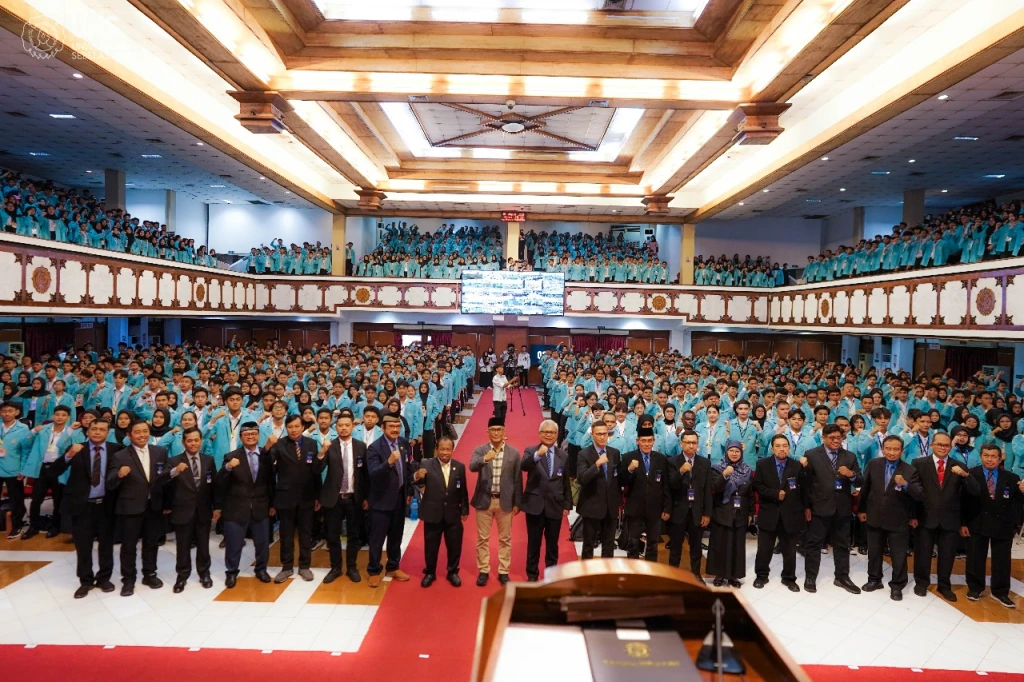
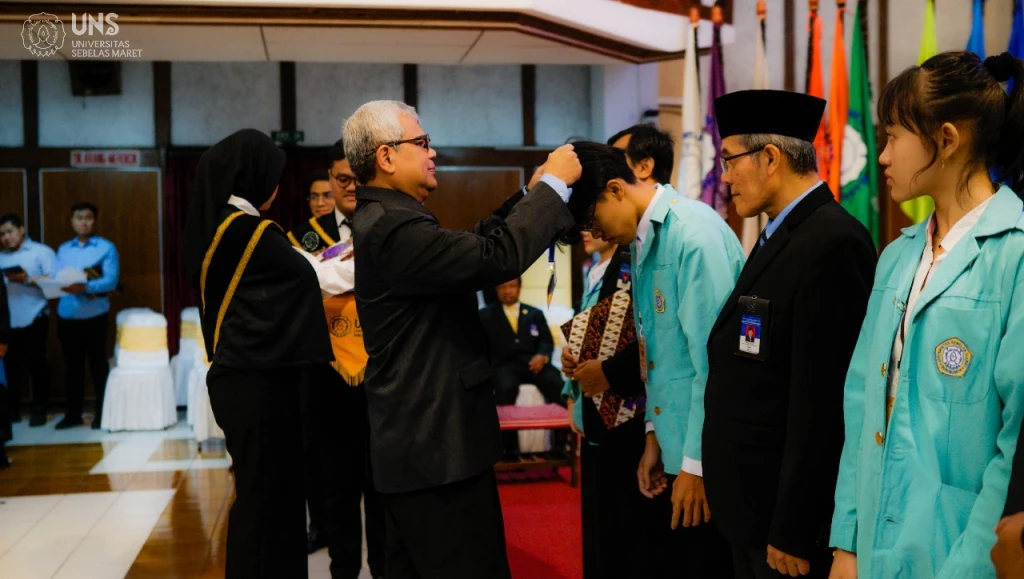
At the student level, UNS introduces and strengthens ethical values through the university-wide New Student Orientation Program (Pengenalan Kehidupan Kampus bagi Mahasiswa Baru/PKKMB) 2025. This mandatory five-day orientation program instills core values such as honesty, discipline, adaptability, and integrity through structured sessions, including Wawasan Kebangsaan, Jati Diri UNS, and character-building programs.
UNS further demonstrates its commitment to inclusivity and respect by welcoming students from diverse backgrounds, including 38 students with special needs across 12 faculties, reinforcing its position as an inclusive campus.
Academic and Research Level: Integrity in Practice
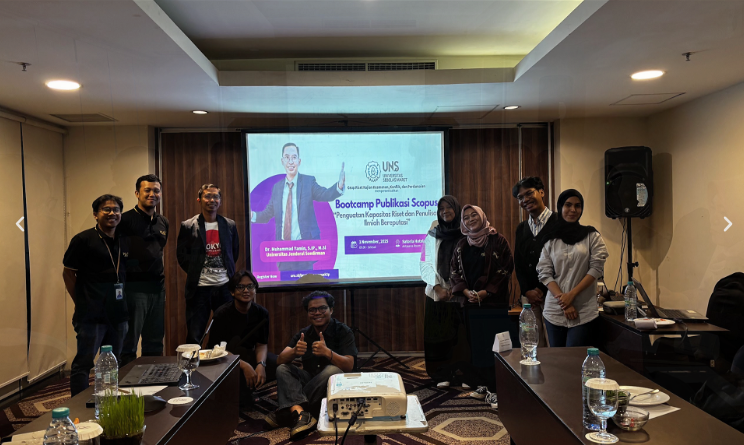
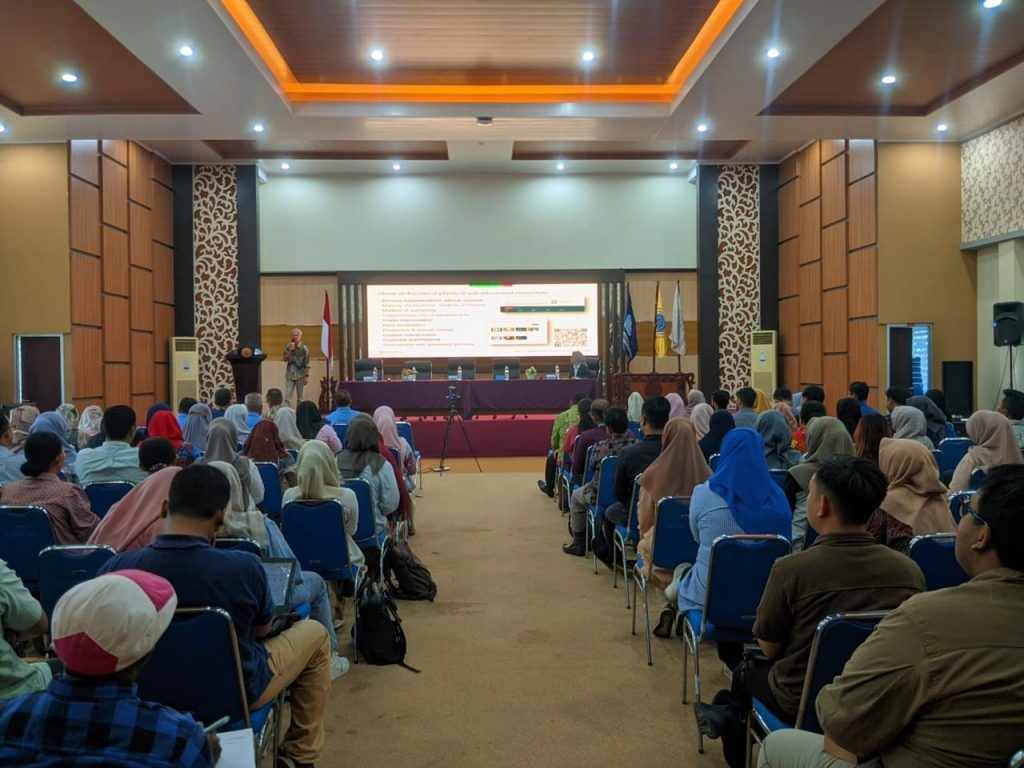
At the academic and research level, UNS delivers targeted capacity-building initiatives that explicitly integrate ethical principles into professional practice. These include academic writing workshops and a Scopus Publication Bootcamp, which emphasize research integrity, plagiarism prevention, and the responsible use of artificial intelligence in scholarly work.
Participants are trained to maintain originality, ensure transparency, and uphold accountability in line with international publication standards, positioning ethics as an integral component of academic excellence.
Leadership Level: Ethical Culture and Values-Based Governance

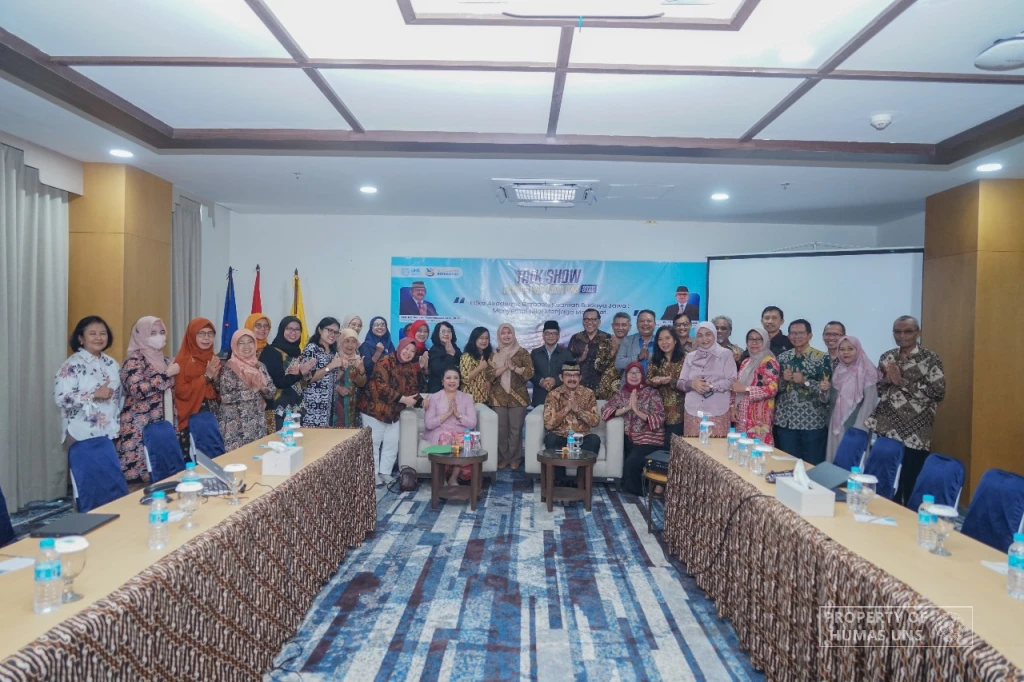
At the leadership level, ethical values are reinforced through institutional forums led by the Board of Professors, including discussions on academic ethics grounded in Indonesian and Javanese cultural wisdom. These initiatives highlight principles such as honesty, respect, and self-reflection (mulat sariro) as essential foundations for ethical leadership and decision-making.
Conclusion
By integrating mandatory student orientation, continuous ethics-based training for academics, and value-driven leadership engagement, UNS ensures that ethical principles are not only clearly articulated but actively taught, internalized, and practiced across all levels of the organization. This comprehensive approach demonstrates a sustained commitment to cultivating an ethical, inclusive, and responsible academic community aligned with both global standards and local cultural values.
Evidence links: