Dedicated Training on Social Aspects of Sustainability
Universitas Sebelas Maret (UNS) is deeply committed to fostering a socially sustainable campus environment that prioritizes inclusivity, safety, mental well-being, and ethical integrity. As part of its institutional strategy, UNS delivers annual dedicated training programs addressing key social sustainability issues. These programs are designed for faculty members, professional staff, and students, ensuring that the entire academic community is equipped with the knowledge and practical skills to address social challenges and contribute to an equitable and resilient society.
Training Initiatives
Disability Inclusivity and Accessibility Training
Annual Sign Language Training by PSD LPPM UNS
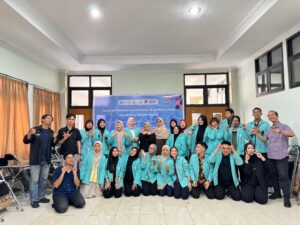
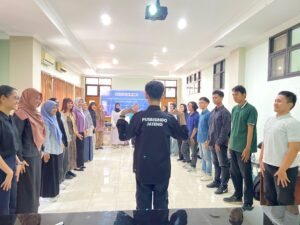
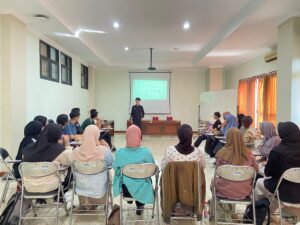
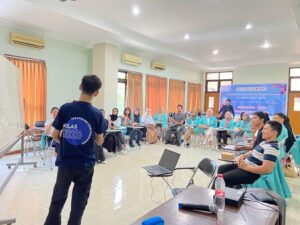
The Center for Disability Studies (PSD LPPM UNS) consistently organizes Basic Sign Language Training (Pelatihan Bahasa Isyarat Tingkat Dasar) as an annual dedicated program to bridge communication gaps within the campus.
In 2025, the training was held from 5–21 September 2025 in collaboration with the Indonesian Sign Language Center (Pusbisindo), Central Java, and the Student Executive Board (BEM) of UNS. Participants engaged in intensive, hands-on sessions covering Deaf culture, BISINDO (Indonesian Sign Language), visual communication techniques, and daily conversational practice. This training enhances the capacity of both staff and students to communicate inclusively and supports the development of a barrier-free campus environment for persons with disabilities.
Evidence: Sign Language Training by PSD LPPM UNS
Disability Sensitivity Training for Staff
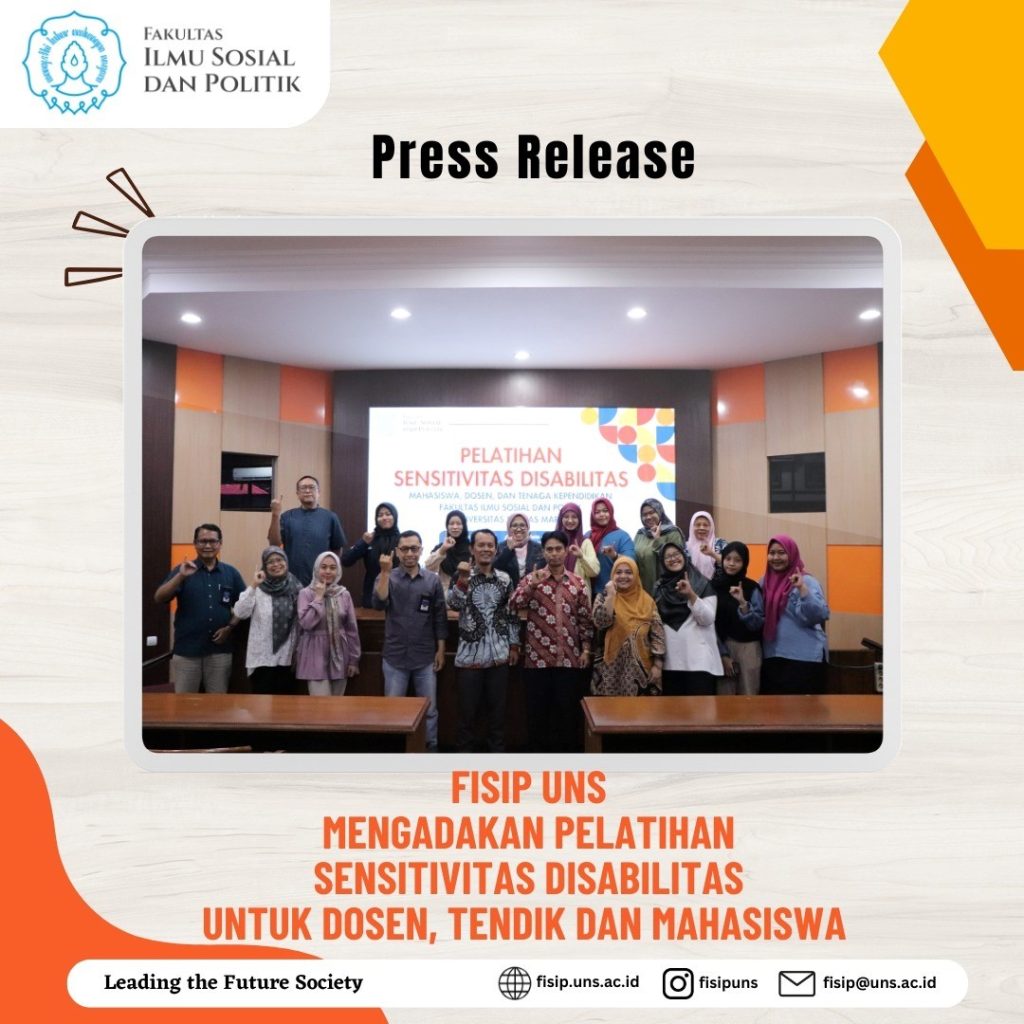
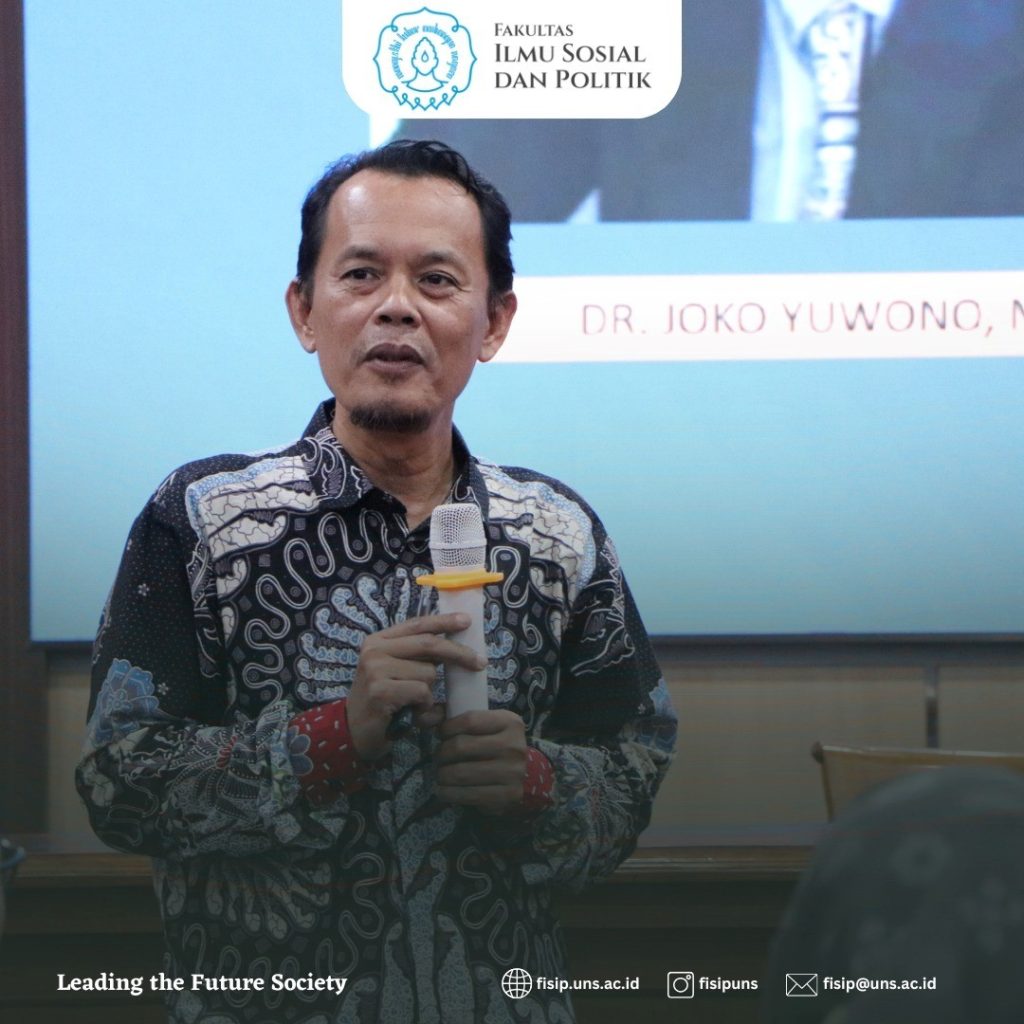
In addition to the annual sign language program, UNS conducts targeted disability sensitivity training for faculty and professional staff. One example is the training organized by the Faculty of Social and Political Sciences (FISIP) UNS on 20 March 2025, featuring a consultant in autism and inclusive education from PSD LPPM UNS and a senior consultant affiliated with the World Bank. This session equipped lecturers and administrative staff with practical competencies to implement inclusive teaching practices and accessible academic services.
Evidence: Disability Sensitivity Training organized by FISIP UNS
Violence Prevention and Safeguarding Training
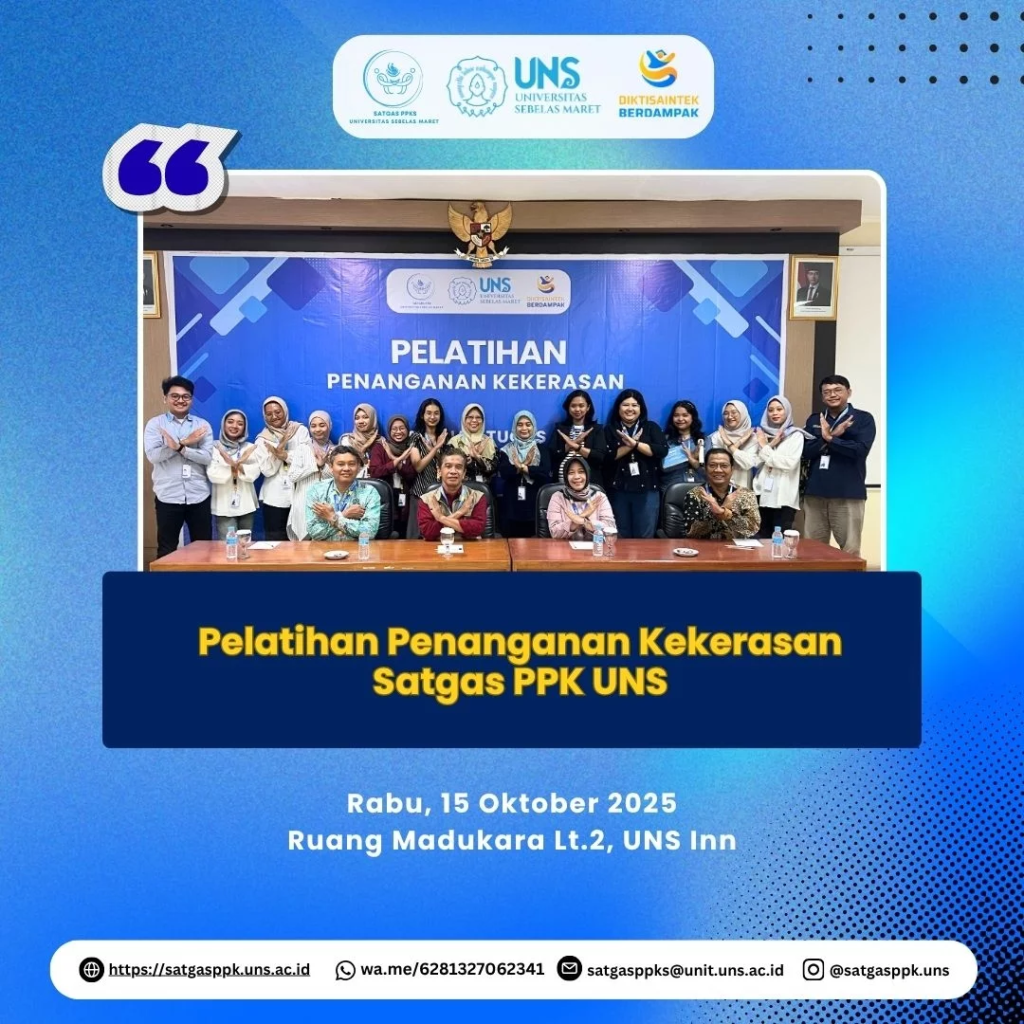
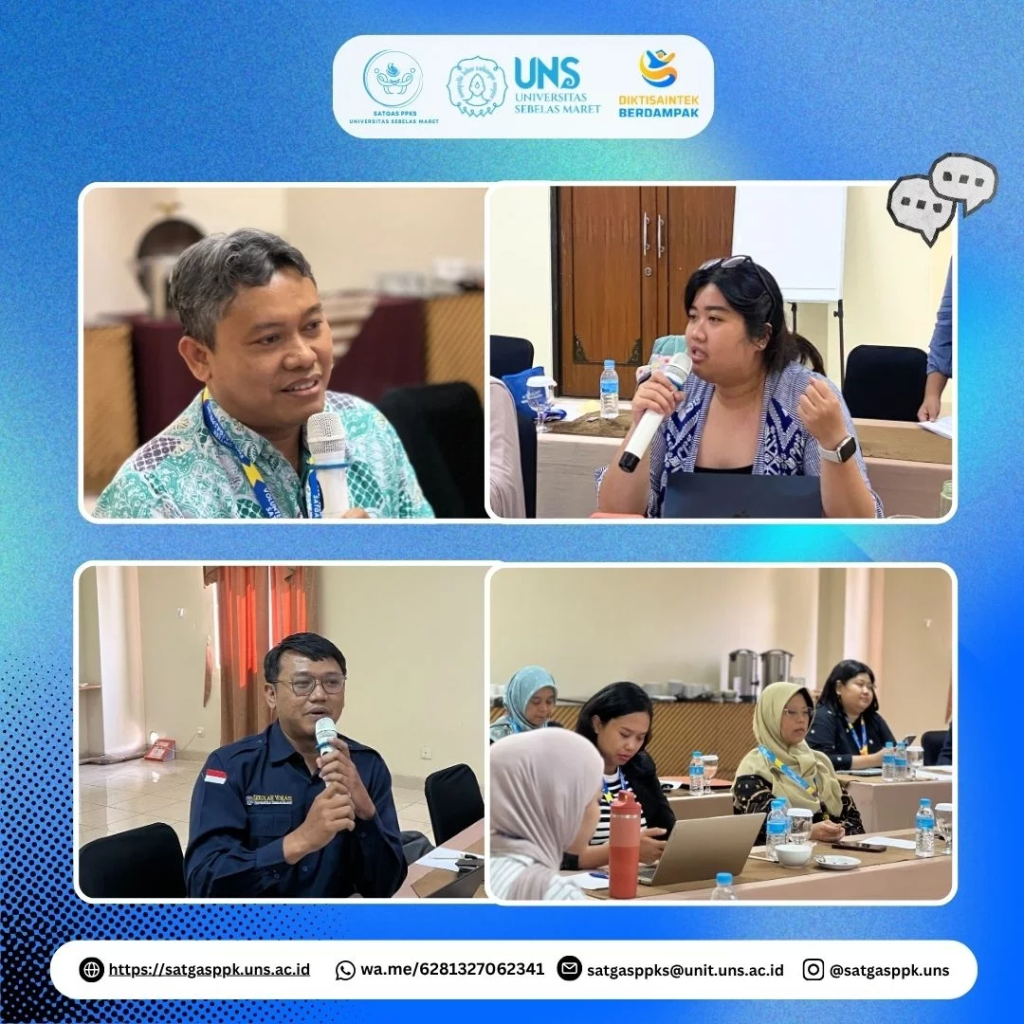
In compliance with national regulations on preventing and handling violence in higher education, UNS has established the Task Force for the Prevention and Handling of Violence (Satgas PPK), which delivers structured and mandatory training programs for staff and student representatives. The Violence Handling Training strengthens institutional capacity to address cases using a professional, ethical, and victim-centered approach. Participants are trained to identify, prevent, and respond to harassment and violence, contributing to a safe, inclusive, and respectful campus environment.
Mental Health Capacity Building and Support Systems
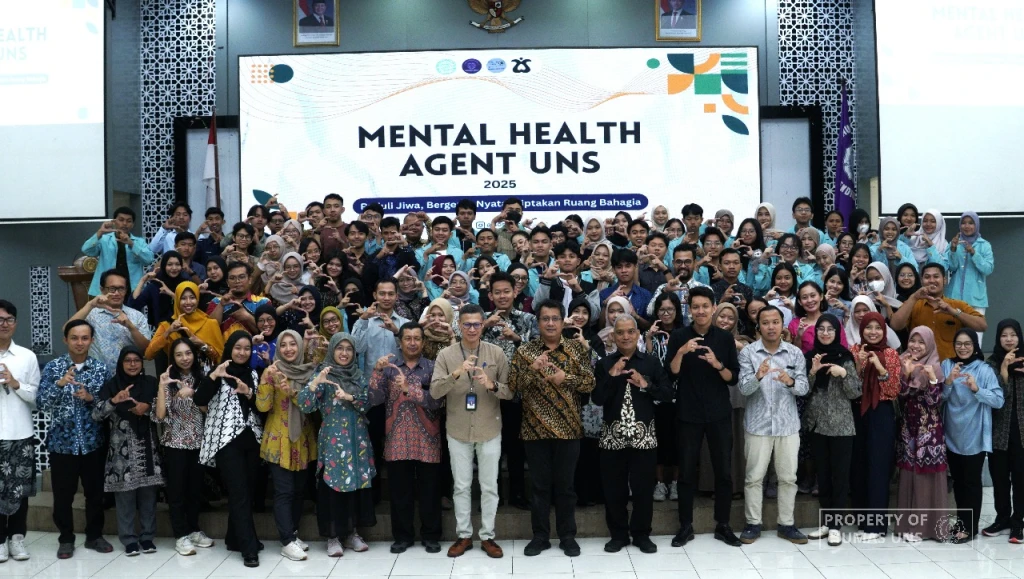
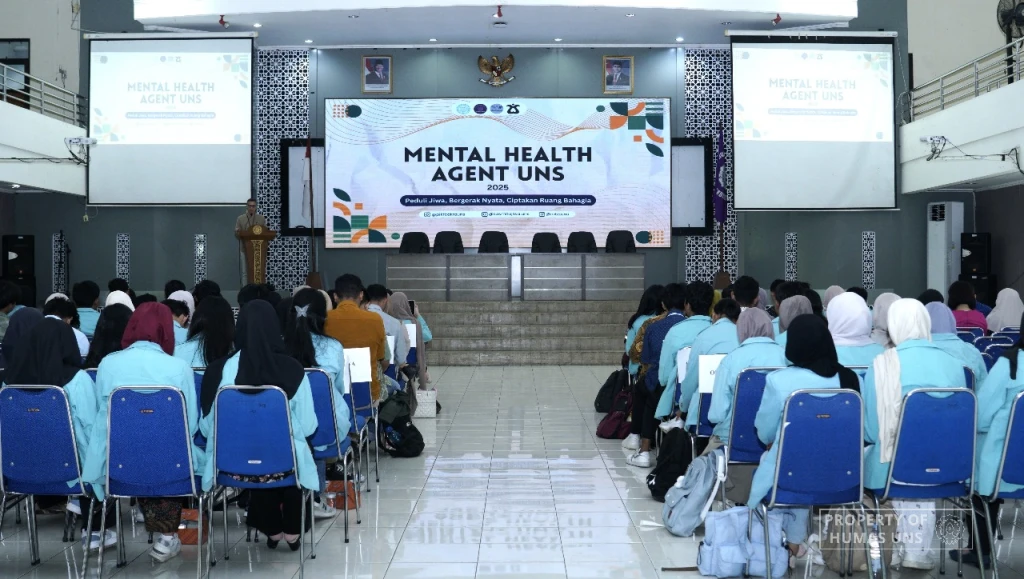
UNS implements a structured Mental Health Agent program, supported by dedicated training initiatives across faculties. This program involves both students and faculty coordinators, strengthening institutional capacity to promote psychological well-being. The training covers mental health first aid, peer support mechanisms, and early detection of psychological distress. By establishing trained “Mental Health Agents” in each faculty, UNS establishes a sustainable, decentralized support system that enhances well-being across the university community.
Evidence:
UNS Establishes Mental Health Agents in Every Faculty
Universitas Sebelas Maret (UNS) Provides Training for Student Mental Health Agents
Social Resilience and Disaster Response (SAR Program)
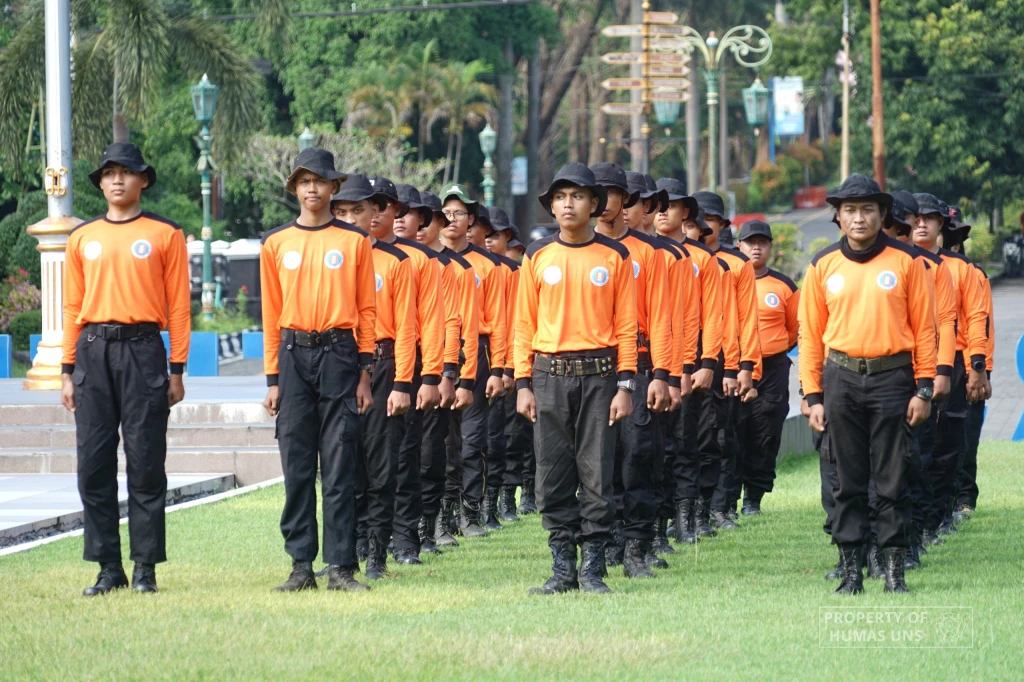
UNS also strengthens social sustainability through its Search and Rescue (SAR) Education and Training Program, conducted annually to build disaster preparedness and community resilience. This program equips participants with practical skills in emergency response, humanitarian assistance, and social coordination during crises. It reinforces the university’s role as a socially responsive institution capable of supporting communities during emergencies.
Evidence: Search and Rescue (SAR) Education and Training Program of UNS, 2025 Cohort
Conclusion
These training programs are implemented regularly and demonstrate UNS’s strong institutional commitment to integrating social sustainability values, including inclusivity, equity, safety, and well-being, into staff development and campus life.
By providing structured, dedicated training opportunities for both staff and students, UNS ensures that its academic community is not only aware of social sustainability issues but also equipped to actively contribute to a more inclusive and resilient society.