SDG 11 In Number
University expenditure (IDR)
1.550.122.866.706
University expenditure on arts and heritage (IDR)
20.280.022.432
11.4.9 Building on Brownfield Sites
Building on Brownfield Sites at Universitas Sebelas Maret
Universitas Sebelas Maret (UNS) is committed to creating a sustainable environment by utilizing disused land (brownfield sites) for more useful buildings. UNS’s dedication to environmentally friendly practices and zero land clearing reflects efforts to achieve SDG 11 and serves as a model for a sustainable living and working environment.
New Vocational School Building (Sekolah Vokasi UNS)
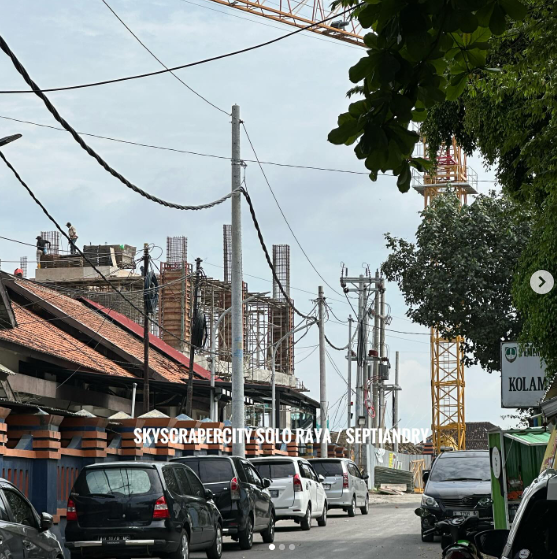
A recent example of brownfield development at UNS is the construction of the new seven-story building for Sekolah Vokasi UNS on the site of the old Vocational School building (brownfield site). The Dean of Sekolah Vokasi UNS presented the progress of the new building, explaining the layout of the classrooms and providing an overview of the planned parking areas for students who will use the facility for their studies. The building is designed to focus on practical learning, enabling students to apply theoretical knowledge in hands-on practicum sessions, while optimizing the use of existing campus land instead of developing new greenfield sites.
Utilizing Inefficient Parking Areas to Build a Canteen
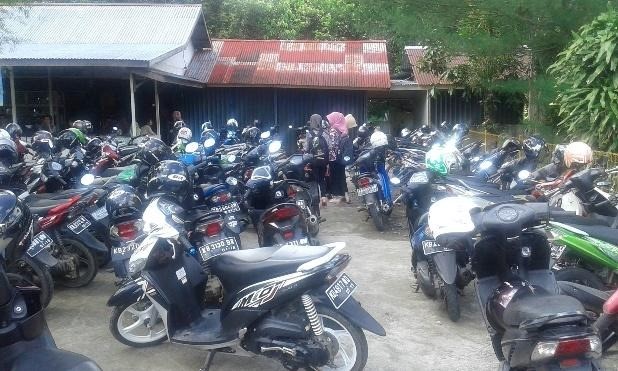
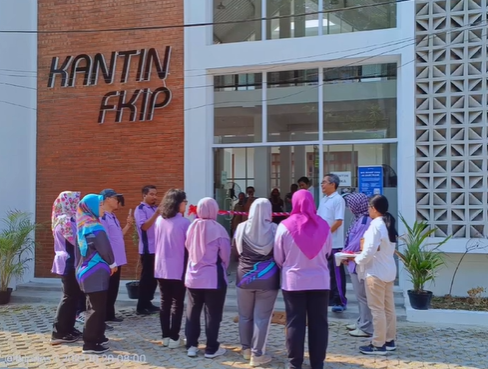
UNS is committed to the principles of sustainable development by optimizing the use of campus land. One concrete example of this commitment is the transformation of an underutilized parking area at the Faculty of Teacher Training and Education (FKIP) into a new canteen. By developing this existing land (brownfield site) without opening up new greenfield areas, UNS demonstrates real efforts in reducing environmental impacts, improving land use efficiency, and supporting the achievement of sustainable development goals.
Rebuilding an Effective Parking Facility
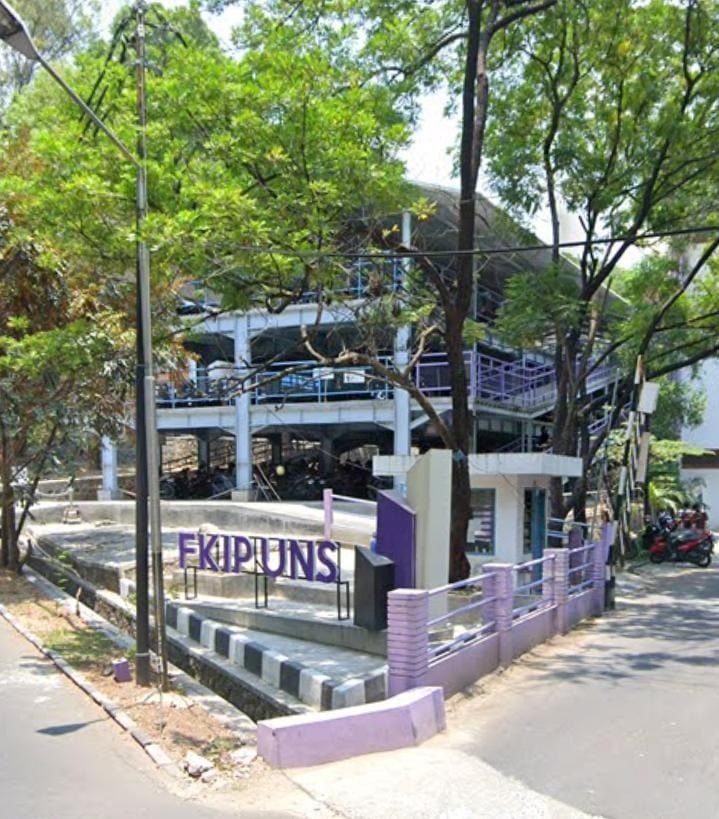
The conventional parking area at FKIP was previously a structure that was inefficient, accommodating a limited number of vehicles while occupying a large horizontal space. Through the construction of a multi-level parking facility on the existing site (a brownfield site), the land can now be utilized more optimally without expanding built-up areas, thereby supporting space efficiency in the campus environment.
Constructing New Infrastructure from Underutilized Buildings
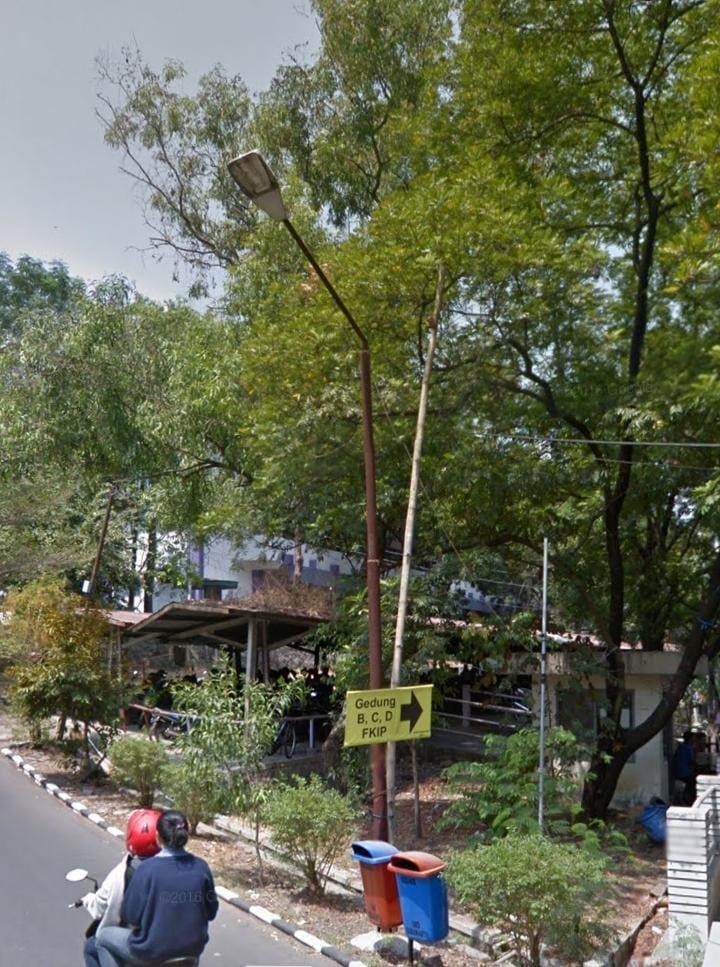
UNS remains committed to optimizing campus assets by reusing underproductive land and buildings (brownfield sites). Instead of leaving old buildings underutilized, UNS develops new infrastructure on sites of less productive buildings to better support academic and non-academic needs. By remodeling or revitalizing these less efficient structures, UNS is able to provide new infrastructure that is more relevant to the needs of the academic community.