11.4.8 Planning Development - New Build Standards
Implementation of Sustainable Building Standards in the Planning of New Construction
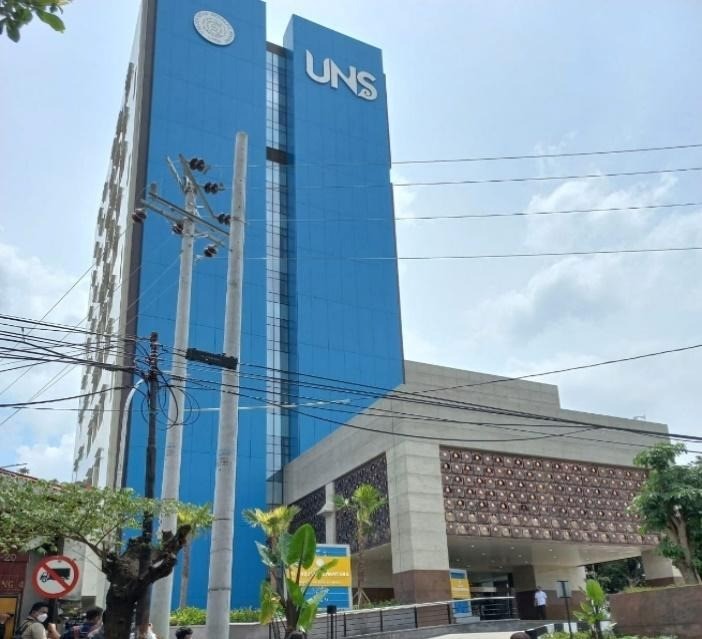
Universitas Sebelas Maret (UNS) demonstrates its commitment to sustainable development by applying green building principles in the planning and development of its campus infrastructure. All newly constructed buildings at UNS are planned and built according to strict sustainable standards, ensuring that future campus infrastructure continues to meet environmental, social, and economic sustainability goals. Every new building construction is directed towards promoting energy efficiency, conserving water resources, and utilizing environmentally friendly materials as a form of institutional responsibility for environmental sustainability. The implementation of this policy is expected to foster a healthy, safe, and supportive campus environment for the entire academic community. These efforts align with the Sustainable Development Goals (SDGs) 11: Sustainable Cities and Communities framework, which emphasizes the importance of inclusive, resilient, and environmentally conscious urban space management.
Energy Efficiency Building
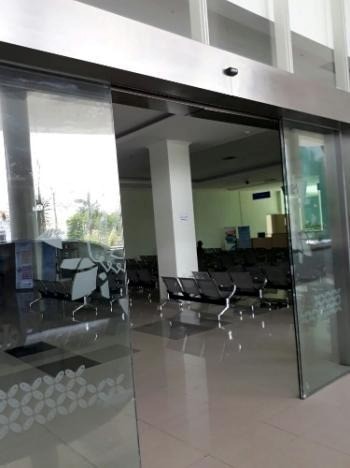
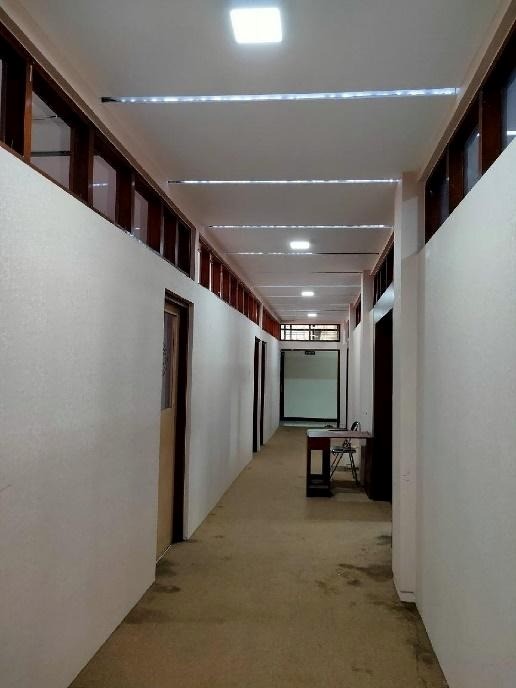
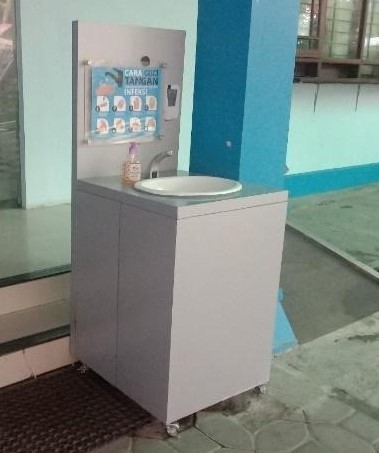
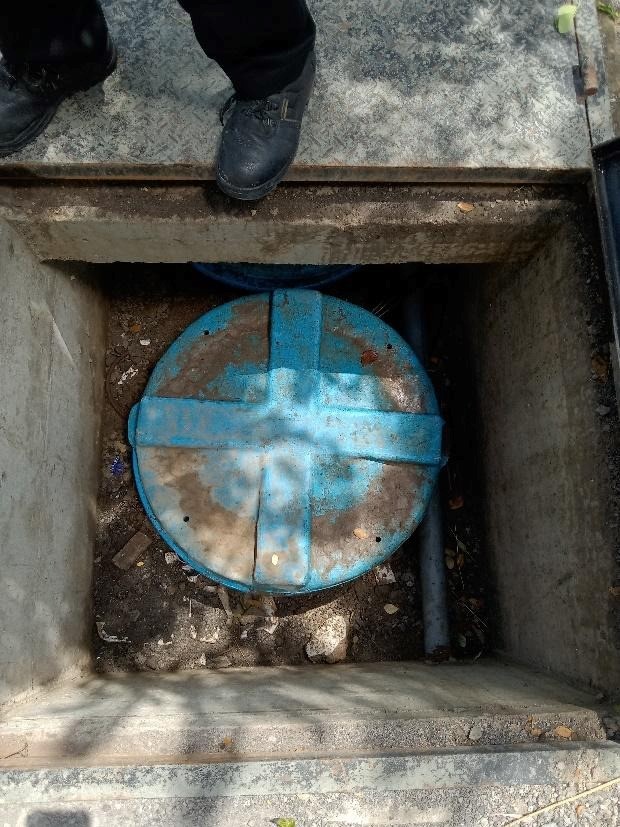
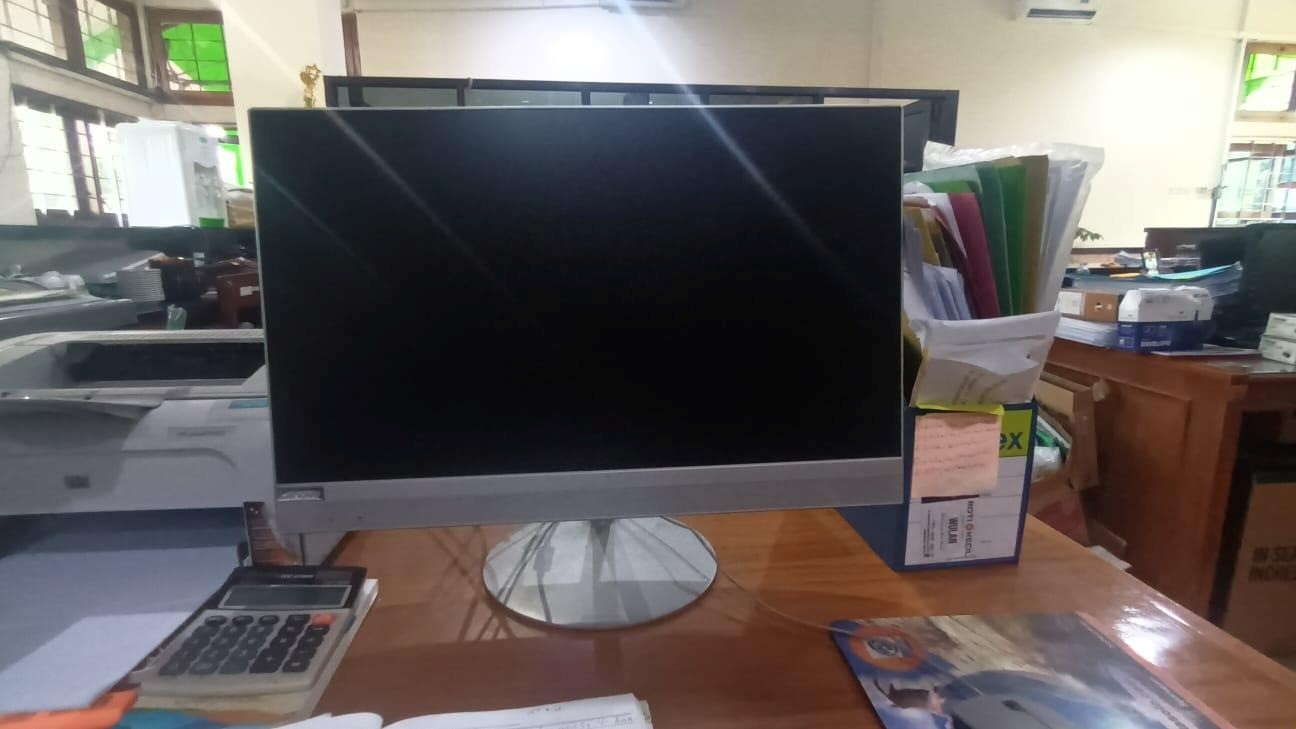
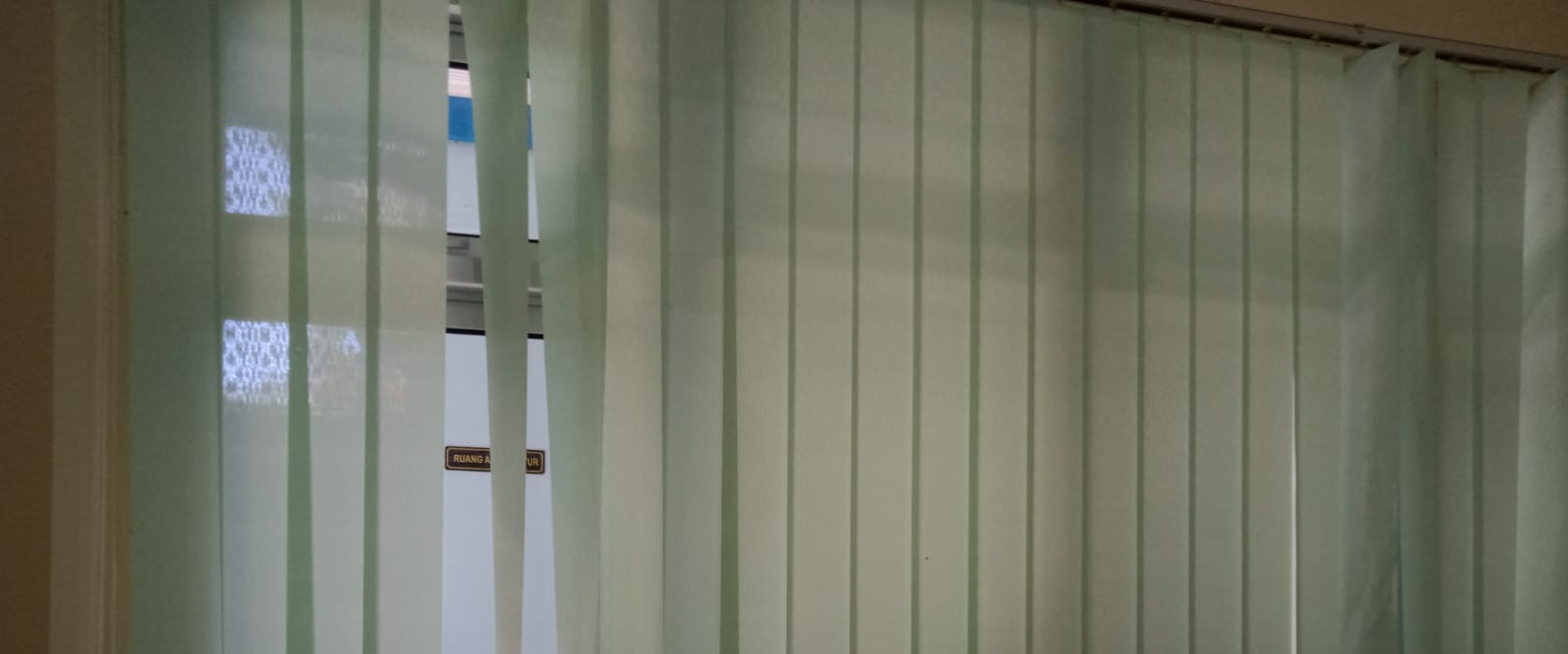
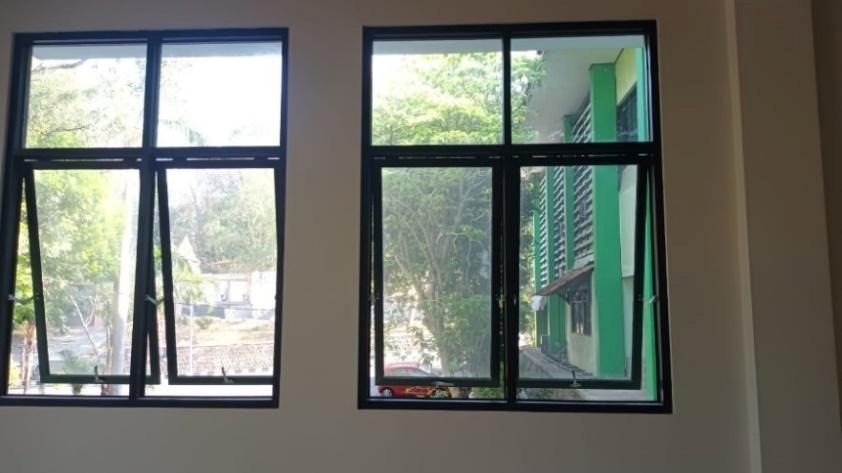
Buildings at UNS adhere to green building standards for renovations and new construction, incorporating sustainable elements such as automatic light sensors, automatic water taps, natural lighting, natural ventilation, high-power LED installations (ranging from lighting to computer screens), infiltration wells, CCTV, automatic fire detectors, solar panels, and window blinds for enhanced lighting control. Energy-efficient buildings at UNS focus on environmentally responsible design, construction, and operation. This includes energy efficiency systems such as LED lighting and automatic light sensors that ensure buildings are efficient in their use of resources.
Innovative Programs in Energy and Climate Change
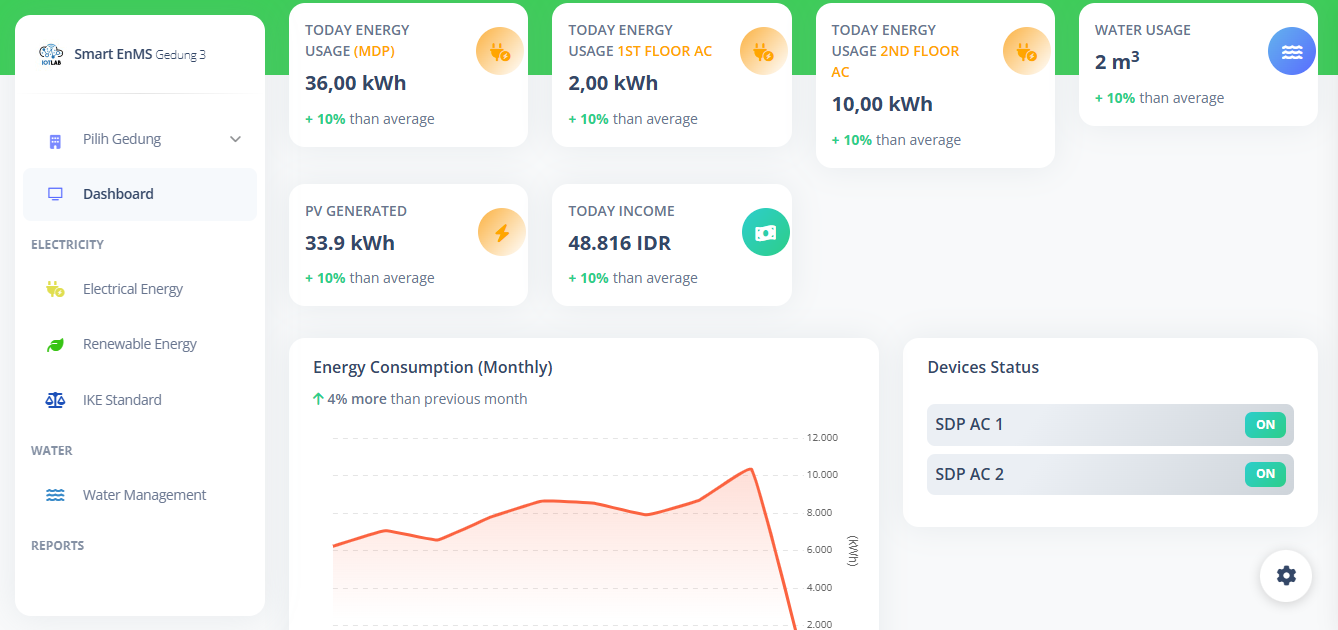
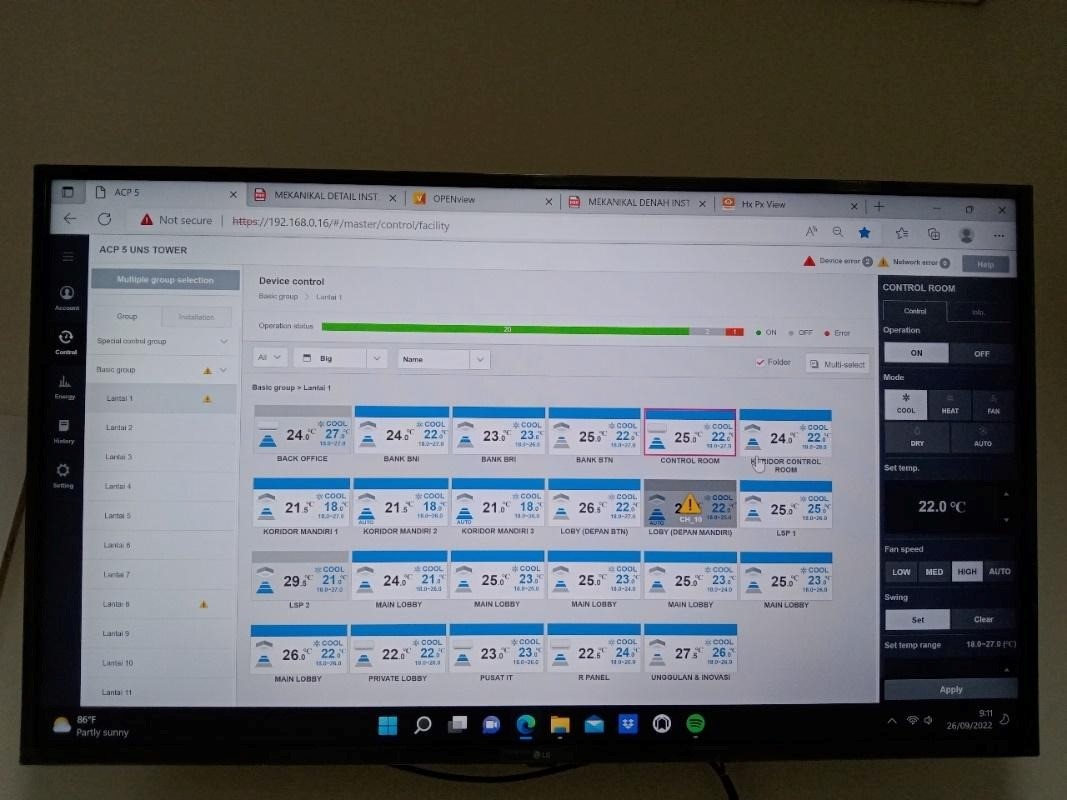
UNS has several innovative sustainability programs in the field of energy and climate change. One of them is the installation of power meters and temperature and humidity sensors, which serve as widely distributed IoT sensors, to monitor conditions in one of the laboratories at the UNS Faculty of Engineering. Additionally, there is the monitoring of air humidity parameters at the UNS Ki Hajar Dewantara Tower, which can be done with a suitable monitor. Additionally, a biosolar installation is located at the UNS Faculty of Medicine, which helps reduce greenhouse gas emissions and air pollution.
Green Building
UNS develops green buildings to create environmentally friendly structures that reduce negative impacts on the ecosystem, conserve energy and water, improve the health and comfort of the entire academic community, and create a healthier and more economically sustainable living environment. Buildings that adhere to green building principles can reduce carbon emissions and create a healthier and more environmentally friendly campus.
Through these comprehensive efforts, Universitas Sebelas Maret not only ensures that its new campus buildings meet the highest sustainable standards but also reinforces its role as a responsible and forward-looking institution. By prioritizing environmentally conscious design, resource efficiency, and the well-being of the academic community, UNS contributes to creating a resilient and inclusive campus environment. These initiatives exemplify how higher education institutions can lead by example in promoting sustainable urban development and advancing the goals of SDG 11: Sustainable Cities and Communities.
RELEVANT RESEARCH
To achieve SDG 11: Make cities and human settlements inclusive, safe, resilient, and sustainable, in 2024, UNS provided research and community service funding focused on SDG 11 topics. For example, some UNS researchers conducted studies and community engagement on urban development and human settlements, including the research “Sustainable Development Policy Model with Environmental Insight through the Forest City Concept” by Dr. Rahayu Subekti, S.H., M.Hum., which emphasizes providing public green spaces and open access for the community to urban green areas. In addition, the research “Mitigation of Urban Heat Island Phenomenon in Cities through Green Building Implementation in Humid Tropical Areas” by Dr. Sri Yuliani, S.T., M.App.Sc. supports public access to green spaces through the integration of green buildings and urban vegetation, providing the community with a healthier urban environment.