
SDG 11 In Number
University expenditure (IDR)
1.550.122.866.706
University expenditure on arts and heritage (IDR)
20.280.022.432
11.4.6 Pedestrian Priority on Campus
Pedestrian-Friendly and Inclusive Campus: UNS’ Priority in Mobility and Accessibility
Universitas Sebelas Maret (UNS) is committed to creating a pedestrian-friendly campus by providing a variety of facilities that support pedestrian mobility and accessibility for persons with disabilities. These efforts foster a safe, comfortable, inclusive, and sustainable campus environment, where pedestrians are the primary focus within the internal mobility system. In addition to promoting a sustainable campus, this initiative also reflects UNS’s commitment to offering public spaces that are accessible and usable by all members of the academic community without exception.
- Pedestrian Paths
https://news.espos.id/hari-bebas-emisi-di-uns
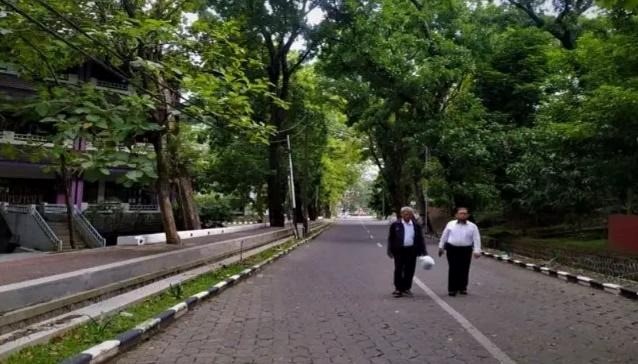
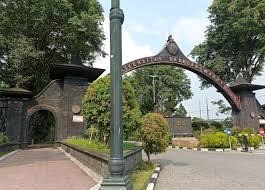
Universitas Sebelas Maret provides pedestrian paths throughout the campus area, particularly in the main Kentingan area. These sidewalks are designed to be wide enough to accommodate high foot traffic and have flat surfaces to prevent accidents. The pedestrian paths connect key facilities, including faculty buildings, libraries, laboratories, stadiums, and open green spaces. The presence of these sidewalks not only supports safe mobility but also fosters a culture of walking on campus, thereby reducing motor vehicle use and air pollution.
- Ramps and Disability-Friendly Access
https://news.espos.id/jadi-kampus-ramah-disabilitas-ini-sejumlah-fasilitas-di-uns
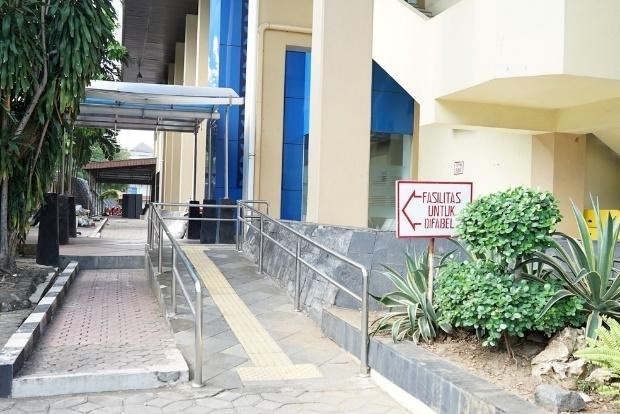
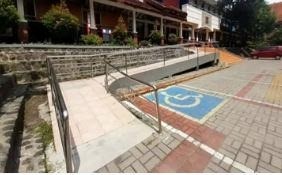
As an inclusive campus, UNS has built ramps at almost every main building. These ramps are designed with appropriate slopes, non-slip surfaces, and strategic locations at building entrances. This facility is essential for wheelchair users, students with mobility limitations, and the elderly. With ramps in place, all members of the academic community and visitors can access campus facilities without barriers. This effort underlines UNS’s commitment to fairness and equal access within higher education.
- Green Corridors/Buffer Areas Along Sidewalks
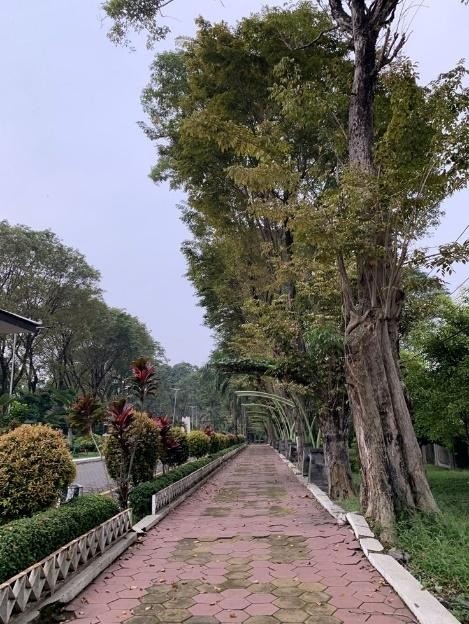
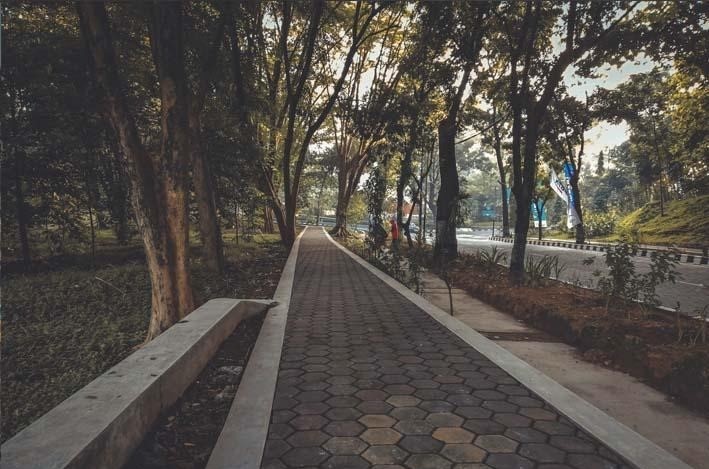
Many pedestrian paths are surrounded by shady trees, including mini-forests within faculties, faculty gardens, and open green spaces. This vegetation provides natural shade, making walking more comfortable and pleasant.
- Street Lighting (Pedestrian Street Lights)
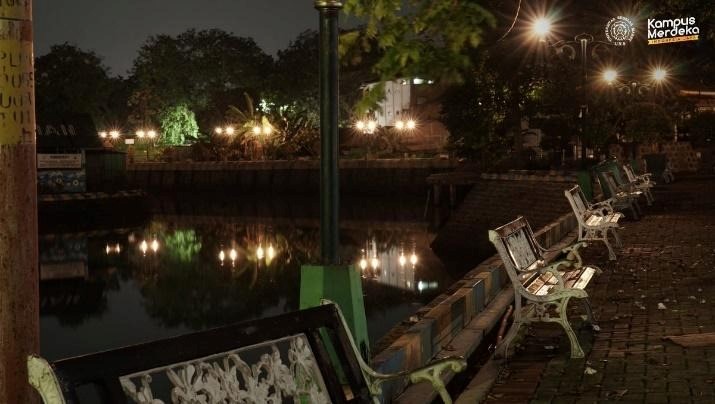
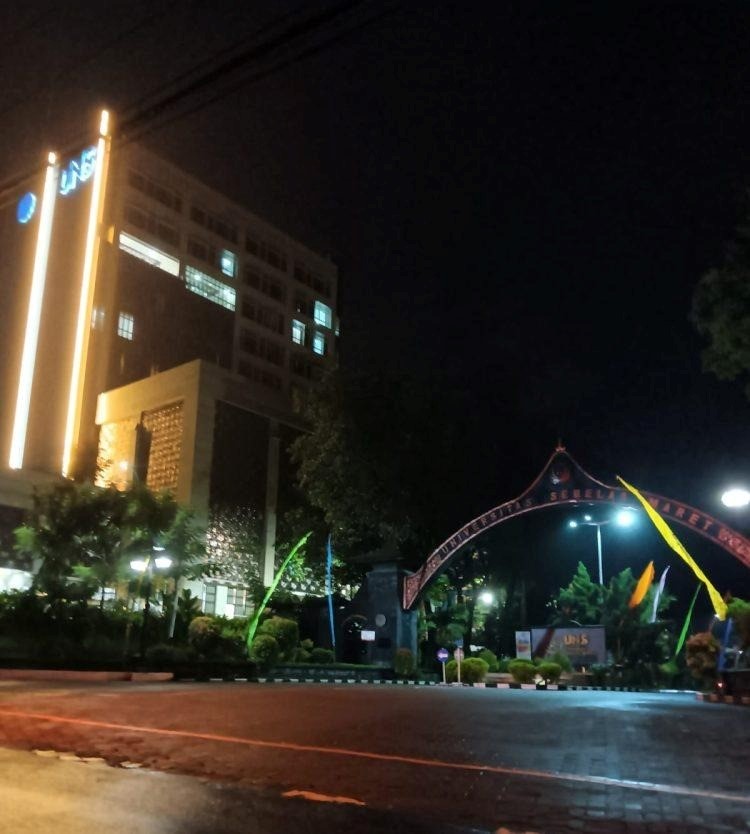
To ensure the safety and comfort of the academic community, UNS has installed lighting along pedestrian paths, particularly in main corridors that are frequently used at night. These street lights assist students who stay active until late, whether for studying, research, or organizational activities. The lighting also enhances security against potential criminal acts, making pedestrians feel safer. With adequate lighting systems, mobility on campus remains active and safe 24 hours a day.
- Directional Signs & Information Signage
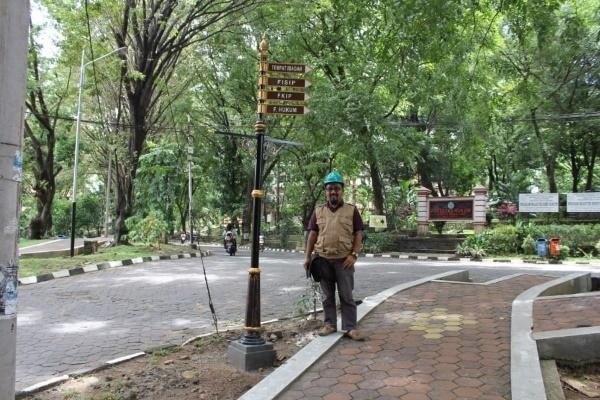
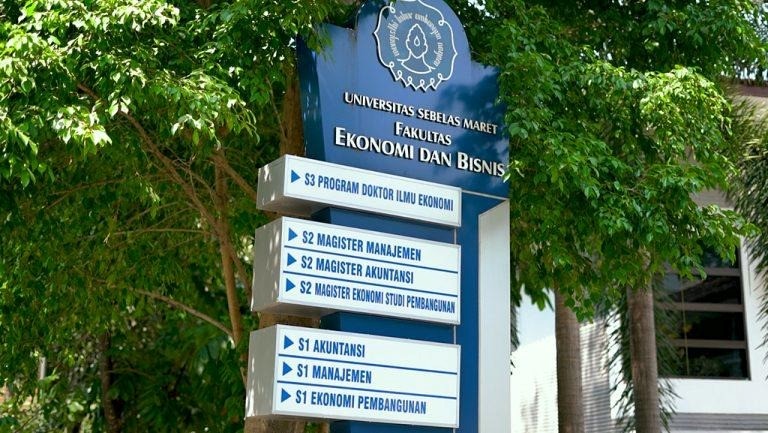
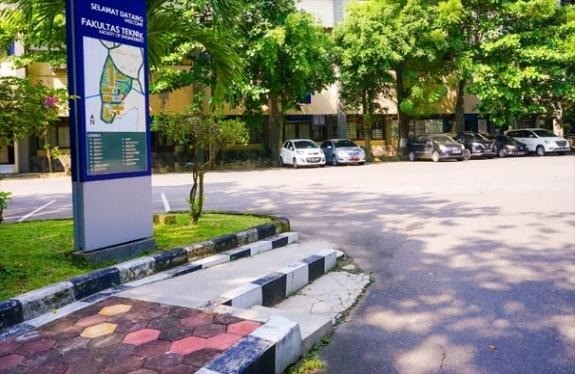
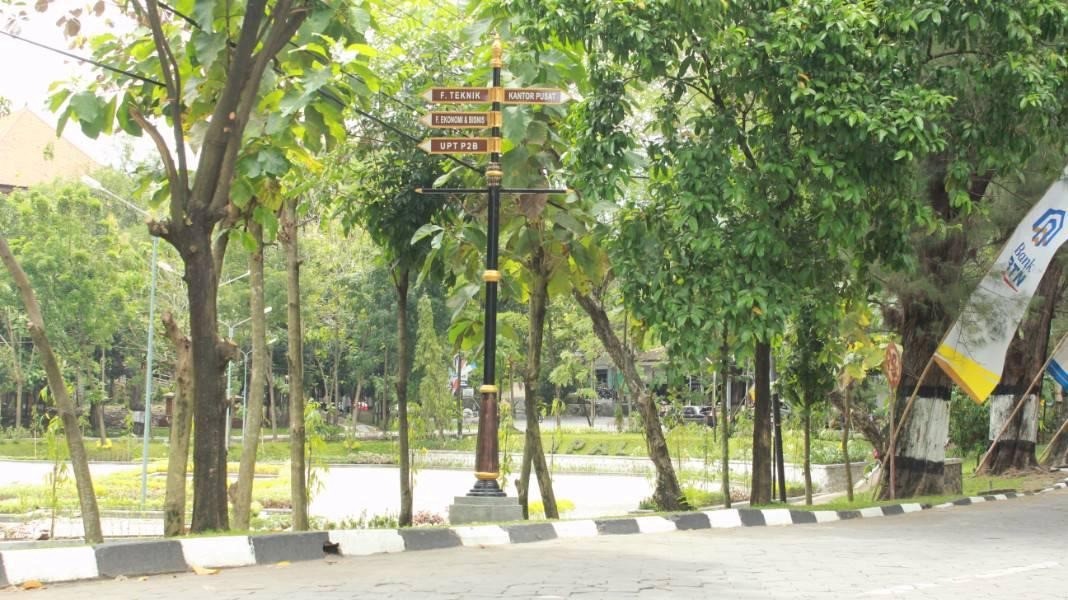
https://gudanglampuku.com/portfolio/tiang-penunjuk-arah-jalan-papan-peta-uns/
Every pedestrian path at UNS is equipped with directional signs and information boards indicating building locations or important campus areas. The signage is designed to be clear and easy to read, assisting new students, visitors, and the general public. In certain locations, UNS also provides faculty room nameplates with special codes or braille letters to help students with disabilities recognize room locations. These facilities support the creation of an inclusive and pedestrian-friendly campus information system.
- Door Loops/Inter-Building Connectors
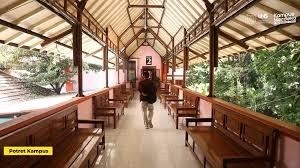
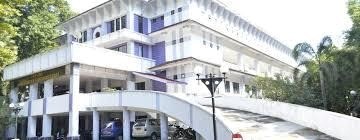
Some faculty buildings at UNS Solo are connected via door loops. These facilities connect one building to another, providing seamless access for all campus members, particularly those with mobility impairments, such as wheelchair users. The buildings are connected through corridors or open walkways that protect pedestrians from rain or direct sunlight. These corridors allow comfortable mobility regardless of weather conditions and also serve as informal interaction spaces where students can discuss, rest, or wait for classes. By providing these corridors, UNS not only ensures pedestrian pathways but also builds social spaces that strengthen community interaction among the academic community.
- Bicycle Parking Shelters
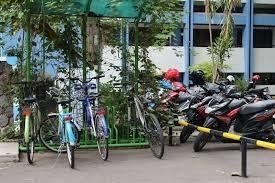
UNS provides bicycle parking shelters at several strategic campus locations to encourage environmentally friendly transport. These shelters are equipped with roofs to protect bicycles from the sun and rain. The presence of bicycle parking supports the integration of non-motorized transportation with pedestrian paths, allowing students to easily switch from cycling to walking. This effort aligns with the concept of a green campus that prioritizes sustainability and the health of the academic community.
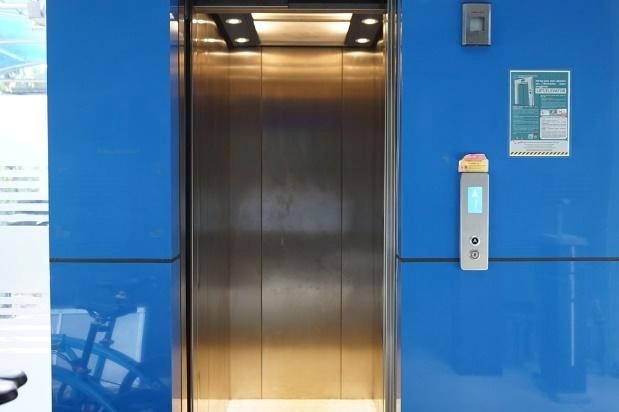
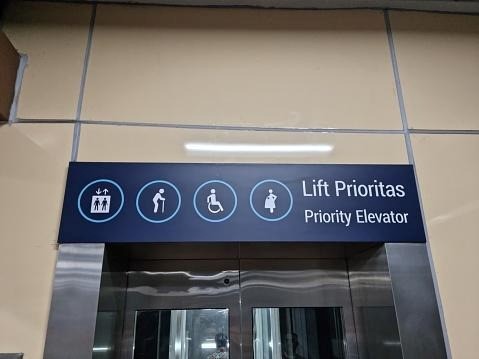
- Disability-Friendly Lifts (with Audio and Braille Features)
https://news.espos.id/jadi-kampus-ramah-disabilitas-ini-sejumlah-fasilitas-di-uns-solo
Multi-story buildings at UNS, such as the central library, rectorate building, and several faculties, are equipped with disability-friendly lifts. These lifts allow students, lecturers, and visitors with physical limitations to access all floors with ease. Some lifts are also equipped with braille buttons for the visually impaired and have cabins spacious enough to accommodate wheelchairs. The presence of these facilities demonstrates UNS’s concern for ensuring that all campus members have equal opportunities to fully utilize educational resources.
- Guiding Blocks
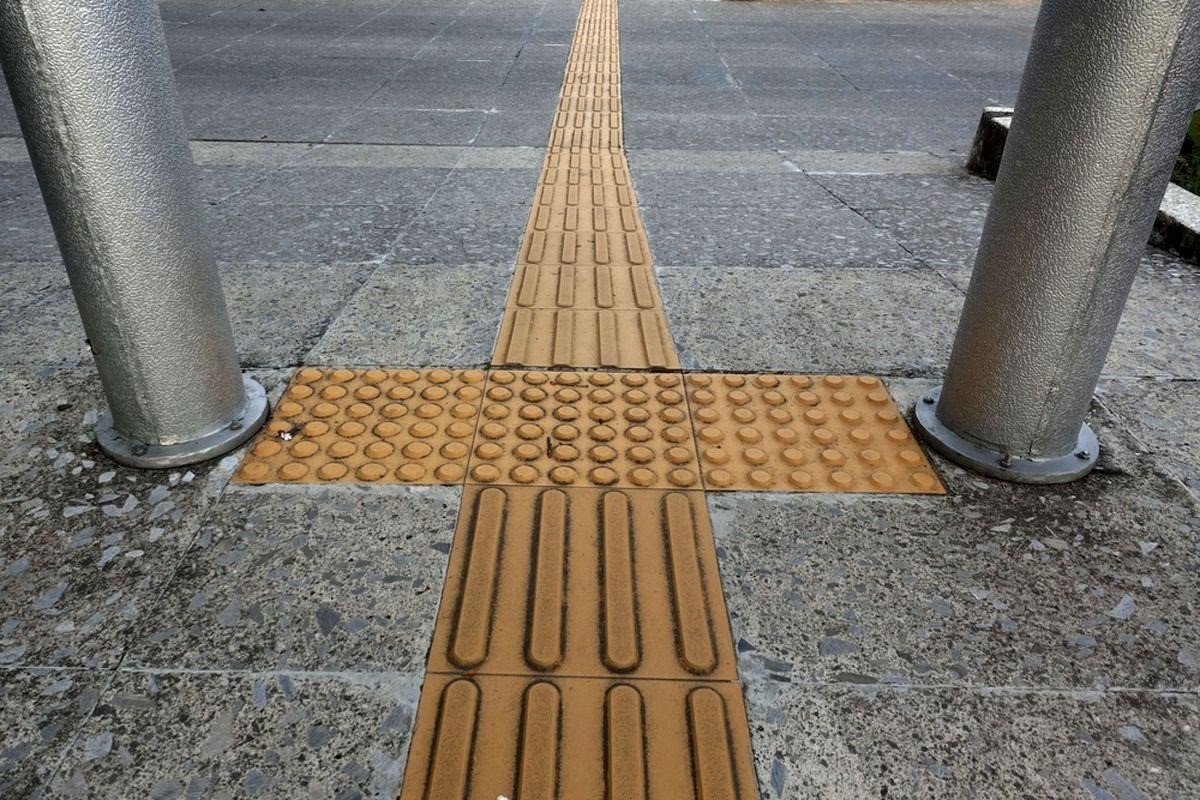
Guiding blocks serve as special pathways to help visually impaired individuals navigate campus areas safely. These facilities facilitate mobility and provide a sense of security for students with disabilities. The guiding blocks feature linear tiles for directional guidance and dotted tiles indicating stops or changes in direction. They are installed in strategic areas such as main building entrances, around the central library, and busy campus corridors. With guiding blocks, students with visual impairments can move safely, independently, and confidently without constant assistance. The implementation of guiding blocks aligns with universal accessibility principles, ensuring that everyone, including people with disabilities, has equal opportunities to enjoy campus facilities.
- Drop-Off Areas and Dedicated Parking Spaces for Persons with Disabilities
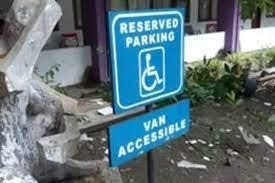
UNS provides designated drop-off areas for persons with disabilities in front of key buildings such as the rectorate, central library, and several faculties. This facility allows vehicles transporting students, lecturers, or disabled visitors to stop briefly in strategic locations near building entrances. Drop-off areas are equipped with ramps, enabling wheelchair users to access sidewalks or entrances without obstacles. These facilities are crucial for providing comfort and independence to persons with disabilities while on campus. Moreover, drop-off areas reflect UNS’s commitment to creating a friendly, inclusive environment that considers the needs of all academic community members.
- Braille Nameplates & Access Codes for Disabled Facilities
In several faculties, faculty offices at UNS are equipped with nameplates and special codes, including braille letters, to assist students with disabilities in identifying room locations. This innovation serves not only as a means of room identification but also as an inclusive service, enabling visually impaired students to access faculty offices independently. The presence of braille nameplates demonstrates UNS’s concern for the diverse needs of the academic community. By providing such supportive facilities, UNS not only facilitates the mobility of people with disabilities on campus but also promotes an equitable, inclusive, and fair learning environment. These facilities reinforce UNS’s image as a university committed to the principle of “no one left behind” in implementing the Sustainable Development Goals (SDGs).’
- Disability-Friendly Toilets
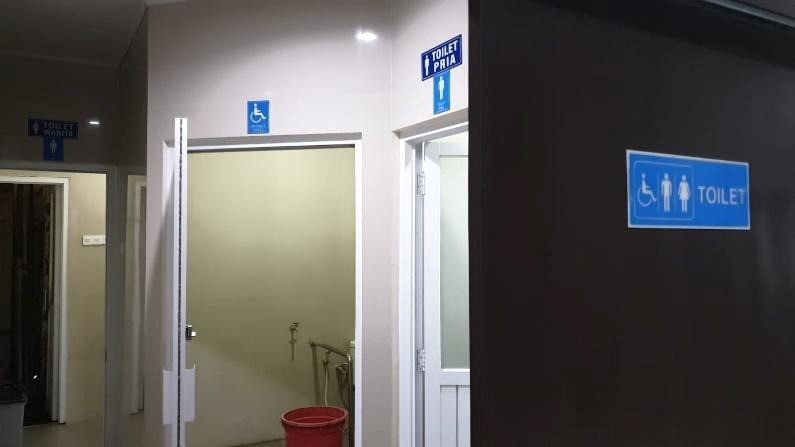
Several buildings at UNS provide disability-friendly toilets, with larger dimensions, wide access doors, and handrails to assist wheelchair users. These facilities ensure that the basic needs of all users, without exception, are met with dignity. Disability-friendly toilets are also part of the standards for new building construction at UNS, emphasizing that inclusivity is always a key consideration in campus infrastructure planning.
Through the provision of pedestrian paths, ramps, lifts, guiding blocks, drop-off areas, and other inclusive facilities, UNS demonstrates its commitment to creating a pedestrian-friendly and fully accessible campus for all members of the academic community, including persons with disabilities. This initiative not only promotes safe and comfortable mobility but also fosters a walking culture, reduces motor vehicle use, and strengthens UNS’s image as a university committed to the principles of inclusivity, equity, and sustainability. In this way, UNS successfully provides a campus environment that supports mobility, social interaction, and equitable learning for all campus members.