SDG 6 In Number
Volume of water used in the university: Inbound (treated/extracted water) (m³)
94.092
Campus population
31.364
6.3.2. Preventing Water System Pollution
Preventing Water System Pollution at Universitas Sebelas Maret (UNS)
In line with Sustainable Development Goal (SDG) 6: Clean Water and Sanitation, Universitas Sebelas Maret (UNS) is committed to ensuring the availability and sustainable management of clean water through various actions aimed at preventing polluted water from entering the water system. These efforts encompass both technological and community-based initiatives aimed at reducing water contamination from campus activities and surrounding communities.
Wastewater Treatment Processes to Prevent Groundwater and Surface Water Pollution
As part of its systematic effort to prevent polluted water from entering the water system, Universitas Sebelas Maret (UNS) operates a Wastewater Treatment Plant (WWTP or IPAL) located within its Surakarta campus. Built by the Directorate General of Cipta Karya under the Ministry of Public Works and Public Housing (Kemen PU-PR), this facility is designed to prevent groundwater pollution by treating wastewater generated from various campus activities, such as laboratories, canteens, and other facilities.
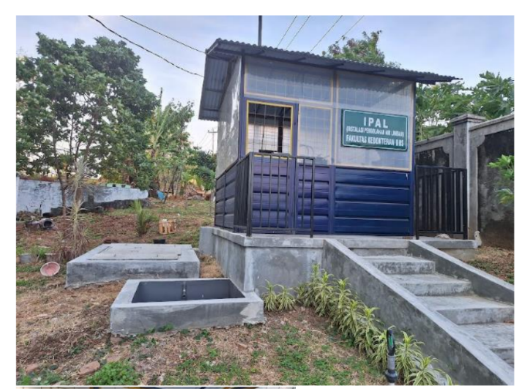
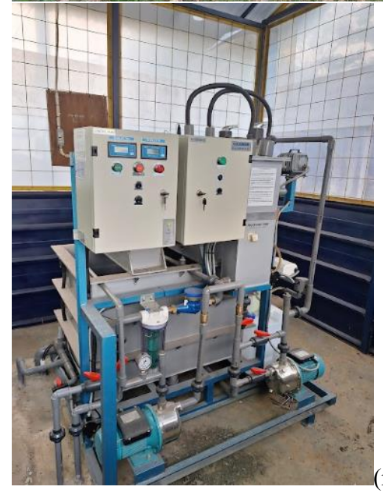
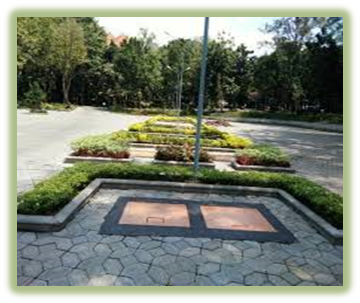
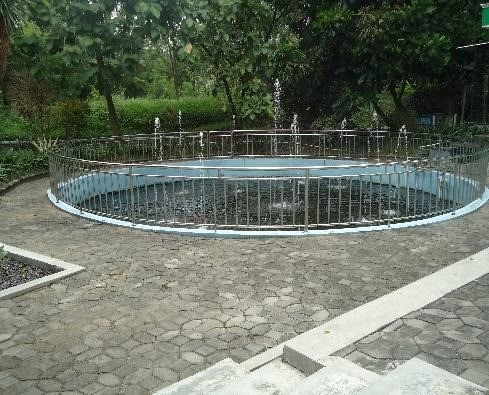
The WWTP has a domestic wastewater treatment capacity of approximately 1,290 m³ per day. It employs a combination of physical, chemical, and biological processes to reduce contaminants before wastewater is released into the environment. Most of the treated wastewater comes from handwashing, ablution activities, and bathing water, which is then reused for plant irrigation through a sprinkler system installed in several faculties across the campus.
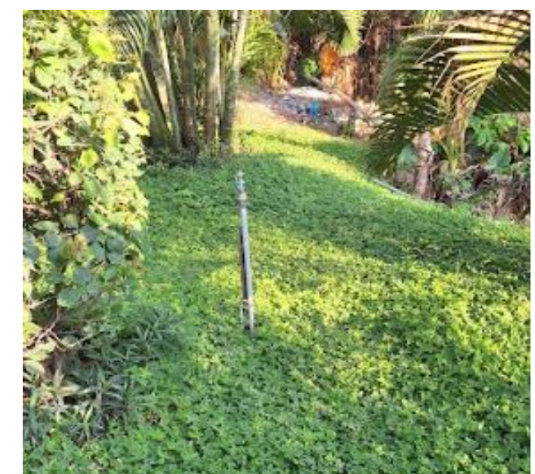
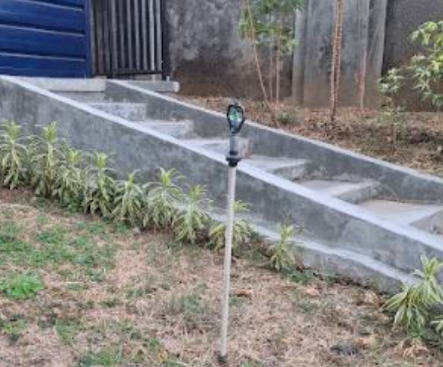
Currently, about 38% of the treated water is reused through this sprinkler system, fulfilling around 50% of the campus’s daily irrigation needs and helping to reduce groundwater usage. In addition, UNS applies reverse osmosis technology to purify lake water for hydroponic farming, further strengthening the university’s circular water management approach.
Regular water quality monitoring is conducted every three months to ensure compliance with established standards. The measurement results indicate that all parameters comply with Class I and Class II water quality standards as specified in Central Java Provincial Regulation No. 5 of 2012, which governs wastewater quality standards for activities without predetermined limits. Meanwhile, the Drinking Water Management System (SPAM) also meets all mineral water quality requirements, confirming that UNS’s wastewater treatment and recycling processes effectively protect both surface and groundwater systems from pollution.
Compliance with Water Pollution Prevention Guidelines
Universitas Sebelas Maret strictly follows the Government Regulation No. 82 of 2001 on Water Quality Management and Water Pollution Control, which outlines national water quality standards and discharge guidelines. The university ensures that all wastewater undergoes proper treatment before release, accompanied by regular monitoring and periodic review of water management guidelines—revised at least every three years—to prevent any potential accidents or incidents that could lead to water pollution on campus.
Community-Based Efforts to Prevent River Pollution
UNS students have developed an innovative approach to prevent water system pollution by processing tofu wastewater into Liquid Organic Fertilizer (LOF). This initiative aims to reduce river pollution in Kampung Kemitir, which has suffered contamination from waste from a tofu factory over the past two years. Through the Student Creativity Program (PKM-PM), the UNS “Sahabat Desa” team organized awareness and training sessions for local tofu producers and members of the Family Welfare Empowerment Group (PKK) to independently produce LOF using tofu wastewater as raw material.
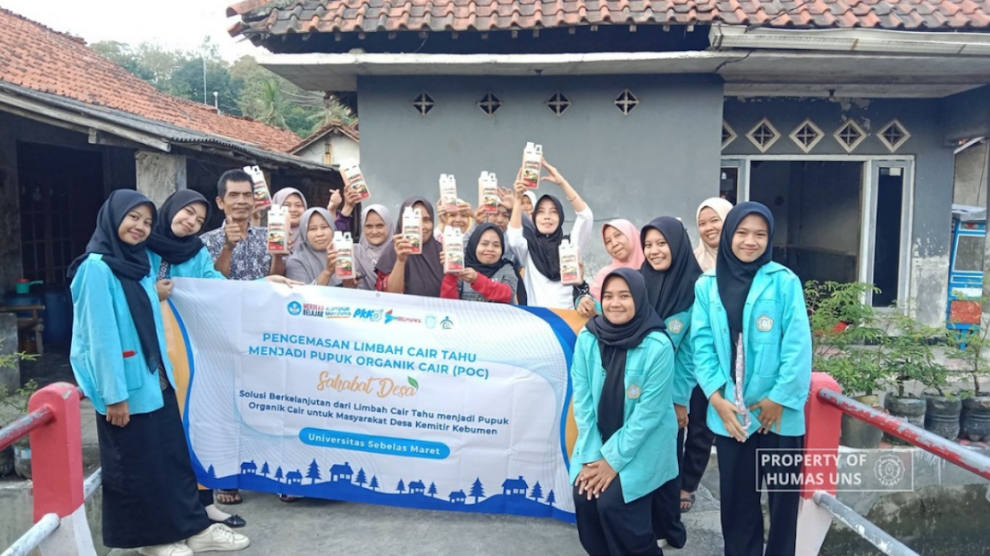
The program consisted of three sessions: two focused on the technical process of converting wastewater into LOF, and one on packaging and marketing. The resulting LOF serves not only as an environmentally friendly fertilizer but also as an educational tool, demonstrating that wastewater can have added value and does not have to become a pollutant. This initiative empowers the local community to maintain a clean environment and helps prevent polluted water from entering the river system.
Through this initiative, UNS demonstrates a tangible contribution to SDG 6: Clean Water and Sanitation, particularly in preventing water system pollution by transforming potential wastewater contaminants into useful organic fertilizer, supporting sustainable water resource management at the local level.
In 2024, UNS provided research and community service funding, focusing on SDG 6 topics, to achieve SDG 6: Ensure availability and sustainable management of water and sanitation for all. For example, the research “Development of Superior Modified Magnetic Material from Iron and Steel Industrial Waste as an Agent for Water Pollution Management” by Lina Mahardiani contributes to preventing pollutants from entering water systems. In addition, the research “Vulnerability Reduction Planning Framework in Watershed: Responding to Climate Change and Rapid Urbanization in Urban Regions of Bengawan Solo River Basin” by Dr. Paramita Rahayu, S.T., M.T., M.Sc. supports sustainable watershed management to prevent water pollution caused by urbanization.