SDG 7 In Number
Total energy used (GJ)
20.148
University floor space (m²)
505.885
Total energy used from low-carbon sources (GJ)
9.308
7.4.1 Local community outreach for energy efficiency
Local Community Outreach Programs Promoting Energy Efficiency and Clean Energy
In a strong commitment to fostering sustainability beyond campus boundaries, Universitas Sebelas Maret (UNS) has been actively engaging local communities through outreach programs that promote energy efficiency and clean energy awareness. As part of this commitment, the university has developed community education programs that provide local residents with opportunities to learn about the importance of energy efficiency, renewable energy adoption, and sustainable lifestyle practices. These initiatives reflect UNS’s belief that sustainable action must include not only institutional transformation but also the empowerment of surrounding communities to adopt sustainable practices in their daily lives. By extending its academic expertise, research, and sustainability vision to the local level, UNS strengthens its role as both an educational leader and a catalyst for positive societal change. These community-centered programs directly support Sustainable Development Goal (SDG) 7: Affordable and Clean Energy, while also contributing to Indonesia’s national agenda to reduce emissions and achieve Net-Zero Emissions by 2060. By integrating education, innovation, and public participation, UNS demonstrates how higher education institutions can play a transformative role not only within campus walls but also across society.
Smart Farming Development and Energy Conservation Awareness
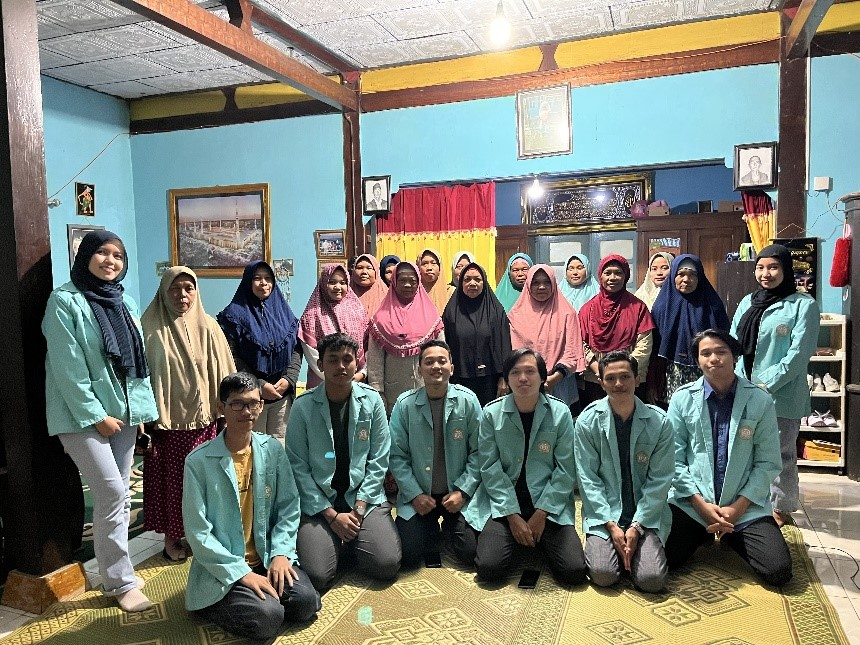
Students from UNS, through the MBKM Grant Program (Serumpun Ngablak Team, June–July 2024), carried out a community outreach project in Desa Pandean, Ngablak, Magelang, focusing on the theme of “Smart Farming Development and Energy Conservation Awareness.” The initiative aimed to educate local residents on the importance of conserving electricity while introducing renewable energy technology to support agricultural practices. The activities included an interactive socialization on energy efficiency, where students shared practical tips for reducing household electricity use and discussed simple solutions to repair electrical appliances rather than discarding them. In addition, the team installed an automatic plant watering system powered by solar photovoltaic (PV) panels and batteries, designed to reduce dependence on the national grid while providing sustainable irrigation, particularly useful during the dry season. The solar-powered system also has the potential to be adapted for local street lighting during rainy seasons or at night. The program was well received by the village government and residents, who showed enthusiasm and support for continuing such initiatives. This project not only provided direct benefits to the community but also demonstrated the real-world application of engineering knowledge in advancing clean energy adoption at the local level, fostering long-term awareness of sustainable energy practices.
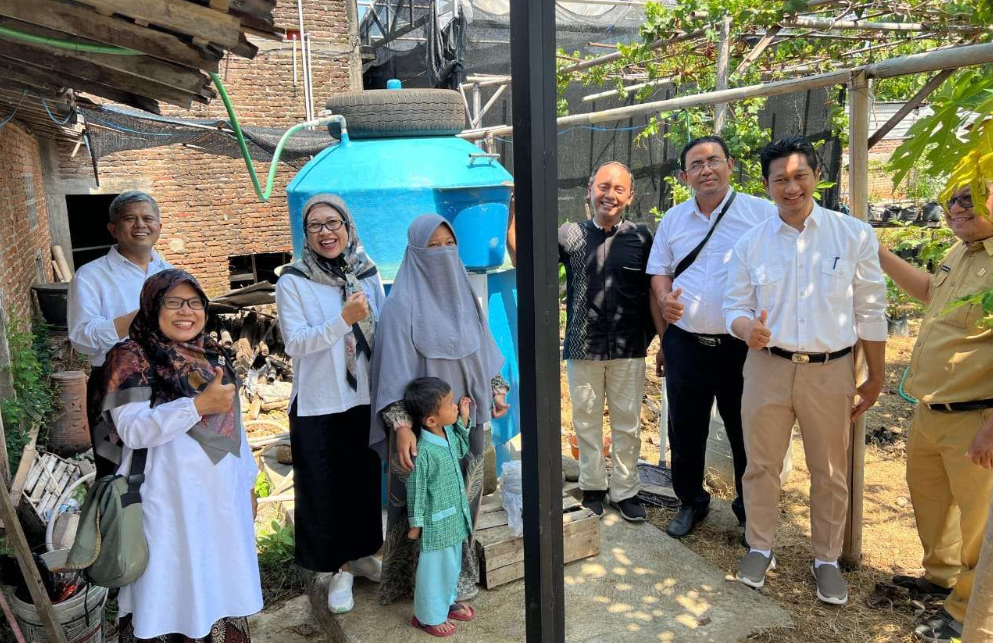
Alternative Energy: Biogas from Organic Waste
RELEVANT RESEARCH
In order to achieve the goal of SDG 7: Ensure access to affordable, reliable, sustainable, and modern energy for all, in 2024 UNS provided research funding focused on SDG 7 topics. For example, UNS researchers conducted a study titled “Innovation of Guarded Hot Box and IoT in Measuring U-value: A Step Toward Energy Efficiency.” This innovation, which combines the Guarded Hot Box method with Internet of Things (IoT) technology, represents a significant step toward greater energy efficiency in building design and evaluation.