17.2.1 Relationships With Regional NGOs and Government for SDG Policy
UNS’s Collaboration with Regional NGOs and Local Government for SDG Policy Development
Universitas Sebelas Maret (UNS) demonstrates its strong commitment to supporting the development and implementation of the Sustainable Development Goals (SDGs) by collaborating directly with regional NGOs, governments, and stakeholders in the formulation of policies related to the SDGs.
- Toward Food Self-Sufficiency: UNS Partners with the Ministry of Agriculture to Develop 150,000 Hectares of New Paddy Fields in Central Kalimantan
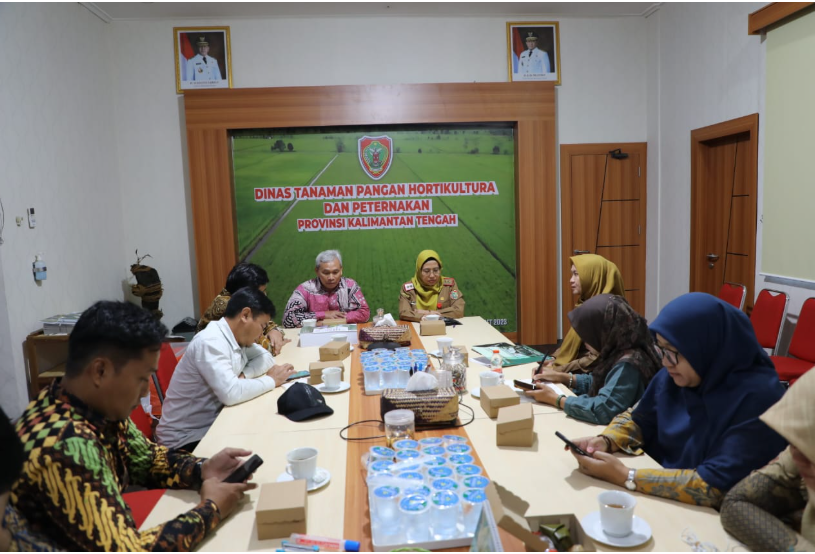
In 2024, the Ministry of Agriculture of the Republic of Indonesia partnered with the Faculty of Agriculture at UNS to implement the Survey, Investigation, and Design (SID) program for new paddy field development. The program aims to gather comprehensive field data, conduct detailed analyses, and produce technical designs along with the necessary Budget Plan (RAB) for infrastructure construction.
Serving as the initial phase of the province’s paddy field expansion initiative across 14 regencies and cities in Central Kalimantan, the SID program is expected to boost agricultural productivity, empower local farmers, and strengthen regional food security.
As part of the government’s national food security strategy, a land extensification program targeting the development of 150,000 hectares of new paddy fields is being implemented in Central Kalimantan.
- UNS’s Collaboration with the Central Board of Muhammadiyah – Council for Higher Education, Research, and Development, One of the Largest NGOs in Indonesia
The Faculty of Economics and Business, Universitas Sebelas Maret (UNS), has signed a Memorandum of Agreement (MoA) with the Central Board of Muhammadiyah – Council for Higher Education, Research, and Development, as part of the implementation of the Memorandum of Understanding (MoU) between UNS and the Central Board of Muhammadiyah – Council for Higher Education, Research, and Development.
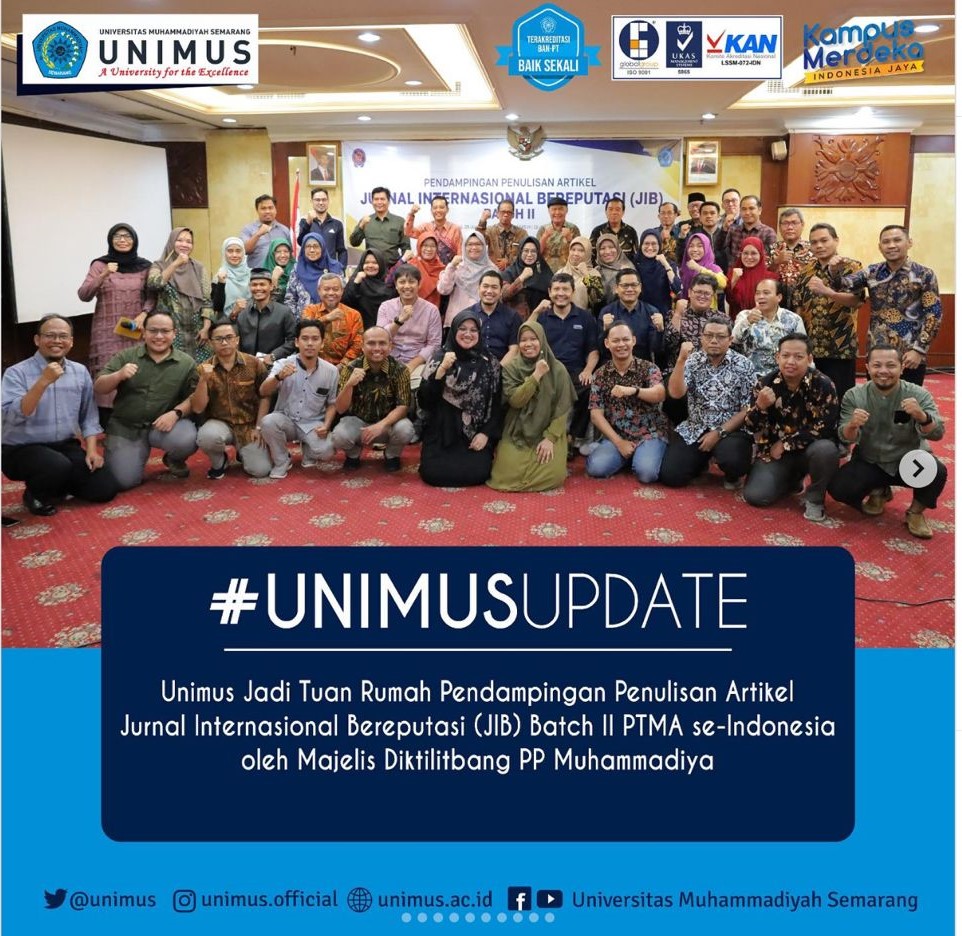
The Faculty of Economics and Business, Universitas Sebelas Maret (UNS), has signed a Memorandum of Agreement (MoA) with the Central Board of Muhammadiyah – Council for Higher Education, Research, and Development, as part of the implementation of the Memorandum of Understanding (MoU) between UNS and the Central Board of Muhammadiyah – Council for Higher Education, Research, and Development.
In 2024, several collaborative activities were successfully carried out, including:
- Dr. Ibrahim Fatwa Wijaya, an academic staff member of the Faculty of Economics and Business, Universitas Sebelas Maret (UNS), plays a pivotal role in developing policies aligned with Sustainable Development Goal (SDG) 4: Quality Education. His work focuses on enhancing the quality of research and academic journal publications among academic staff across 160 higher education institutions under the Central Board of Muhammadiyah. In addition, Dr. Ibrahim has been actively involved in drafting and developing the Guidance on Academic Journal Publication for Higher Education Institutions under the Central Board of Muhammadiyah.
- Dr. Ibrahim Fatwa Wijaya also supported the Central Board of Muhammadiyah as a mentor and guest speaker in programs focused on academic journal paper writing at Universitas Muhammadiyah Ponorogo, Universitas Muhammadiyah Sukabumi, and Universitas Muhammadiyah Semarang.
Source :
https://pwmu.co/bersama-diktilitbang-pp-muhammadiyah-umpo-lakukan-pendampingan-penulisan-artikel-dan-tata-kelola-jurnal/
https://ummi.ac.id/id/berita/baca/1455-majelis-diktilitbang-pp-muhammadiyah-lakukan-pedampingan-mutu-ummi
This collaboration reflects UNS’s continuous commitment to advancing educational quality, fostering academic excellence, and strengthening partnerships with leading national organizations to achieve sustainable development goals.
- Assistance by the Regional Development Information Center (PIPW) in Drafting the Preliminary Design of the Long-Term Regional Development Plan (RPJPD) of Surakarta City 2025–2045
One key example is UNS’s involvement through the Regional Development Information Center (PIPW) in assisting with the drafting of the Preliminary Long-Term Regional Development Plan (RPJPD) for Surakarta City, 2025–2045. This collaboration reflects UNS’s direct participation in SDG policy development at the regional level.

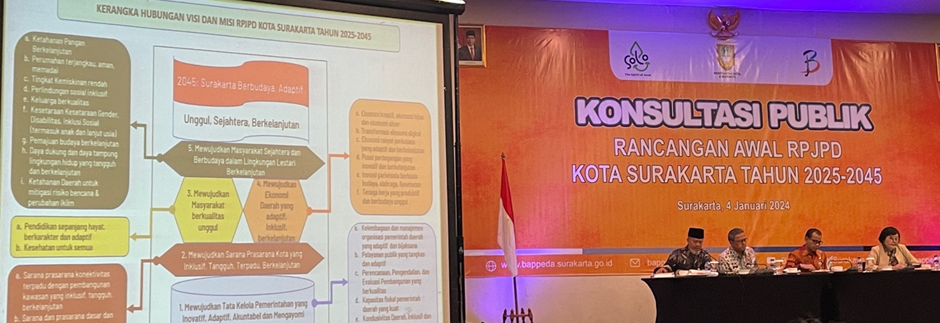
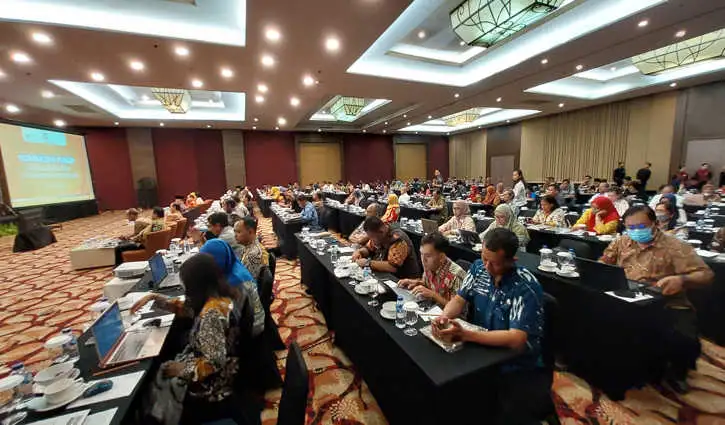
As Surakarta enters a new long-term planning period, the main challenge is ensuring development continuity that not only focuses on physical infrastructure but also prioritizes human-centered and sustainable development, aligned with the Indonesia Emas 2045 Vision. To address this, UNS provides academic assistance, data-driven analysis, and evidence-based recommendations to help the city government identify development problems and challenges, develop strategies and models, and plan adaptive interventions.
This role was reinforced during the Public Consultation of the RPJPD Draft, organized by the Regional Development Planning Agency (BAPPEDA) of Surakarta City on January 4, 2024, attended by over 200 participants from multiple sectors, including local parliament (DPRD), government departments, civil society organizations, business representatives, academics (including UNS), media, and BAPPEDAs from the Subosukawonostraten agglomeration (Surakarta, Boyolali, Sukoharjo, Karanganyar, Wonogiri, Sragen, and Klaten). The event served as a platform for multi-stakeholder collaboration in inclusive policy development.
During the consultation, UNS contributed research-based inputs that covered the identification of key problems, policy and strategy formulation, modeling of development pathways, and monitoring and evaluation mechanisms. This contribution highlights UNS’s role as a strategic partner for regional governments and organizations in adaptive SDG policy management.
The Regional Secretary of Surakarta emphasized that the city government is committed to prioritizing human development alongside infrastructure growth. He also emphasized the importance of cross-sectoral and interregional collaboration, including smart farming utilizing IoT technology to address land scarcity issues, public–private partnerships in transportation, and integrated waste management. Through these collaborative efforts, Surakarta is expected to become an economic driver in Central Java.
In a separate statement, the Rector of UNS reaffirmed that the university’s involvement goes beyond technical advice—it represents UNS’s long-term commitment as a research-based policy partner to ensure that regional development is inclusive, adaptive, and sustainable, consistent with the SDGs.
According to data from Statistics Indonesia (BPS), the city’s poverty rate decreased from 9.40% in 2020 to 8.18% in 2023, showing a positive development trend. With continuous focus on human development and sustainability, this rate is expected to decline further.
The results of the consultation are now being compiled into an official report to strengthen the final draft of the Surakarta RPJPD 2025–2045, which will serve as a guideline for long-term regional development and as evidence of university involvement in SDG policy formulation, monitoring, and adaptive management. UNS will continue to participate in monitoring and evaluation to ensure that policies remain responsive to future challenges and community needs.
Through this ongoing partnership, UNS’s contribution ensures that Surakarta’s development policies are inclusive, data-informed, and aligned with the achievement of the Sustainable Development Goals (SDGs).
Sources:
https://pipw.lppm.uns.ac.id/?p=5720
https://setda.surakarta.go.id/page/detail_berita/konsultasi-publik-rancangan-awal-rpjpd-kota-surakarta-tahun-2025-2045
https://solopos.espos.id/solo-jadi-pusat-kegiatan-nasional-rpjpn-2025-2045-ada-pr-besar-bagi-soloraya-1833520
- Collaboration between the Faculty of Engineering and the Regional Research and Innovation Agency (BRIDA) of Surakarta City
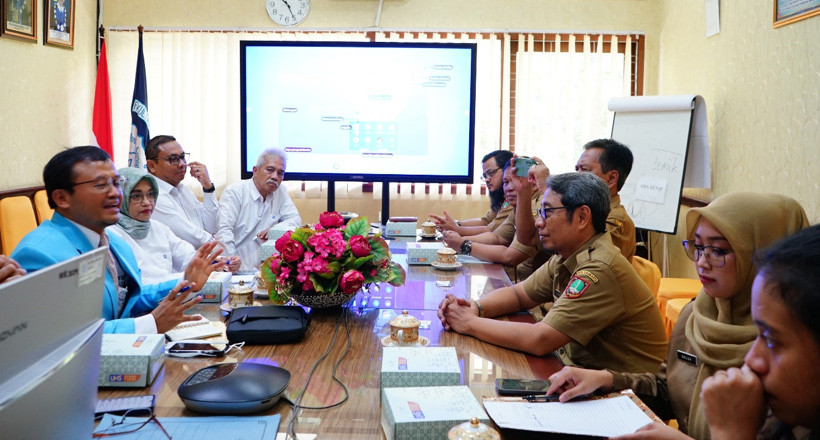
The Faculty of Engineering at UNS has established close collaboration with the Magetan Regency Government in developing environmentally friendly energy policies through a program to convert fossil fuel vehicles into electric vehicles.
This partnership began with a technical study and the signing of a self-managed cooperation contract with the Regional Development Planning and Research Agency (Bappeda Litbang) of Magetan Regency in October 2024. The agreement serves as a foundation for formulating strategies to reduce carbon emissions and promote a green economy campaign in the region.
The collaboration demonstrates UNS’s direct involvement in identifying environmental problems (the high level of carbon emissions from conventional transportation), developing policy and strategies (converting motorcycles and boats into electric-powered vehicles), and planning for future scenarios based on renewable energy sources.
In the next stage, a Focus Group Discussion (FGD) and pilot testing of converted electric vehicles were conducted in December 2024 as part of the program’s monitoring, evaluation, and public outreach activities. These sessions involved community members, academics, practitioners, and other stakeholders to ensure that the policy development process was participatory and adaptive.
Beyond reducing air pollution, the program also supports the development of a regional electric vehicle ecosystem, creates new economic opportunities in the green industry sector, and enhances regional competitiveness. UNS also submitted a Regional Action Plan proposal for renewable energy implementation (EBT) aimed at meeting electricity needs from local renewable sources and advancing energy independence.
This series of initiatives demonstrates UNS’s comprehensive role in regional sustainable energy policy development—from identifying challenges, designing policies, modelling and testing interventions, to monitoring outcomes and enabling adaptive policy management. The program directly contributes to SDG 7 (Affordable and Clean Energy), SDG 11 (Sustainable Cities and Communities), and SDG 13 (Climate Action), while also strengthening institutional collaboration under SDG 17 (Partnerships for the Goals).
- Collaboration between the Faculty of Engineering and the Magetan Regency Government on Green Energy and Electric Vehicles
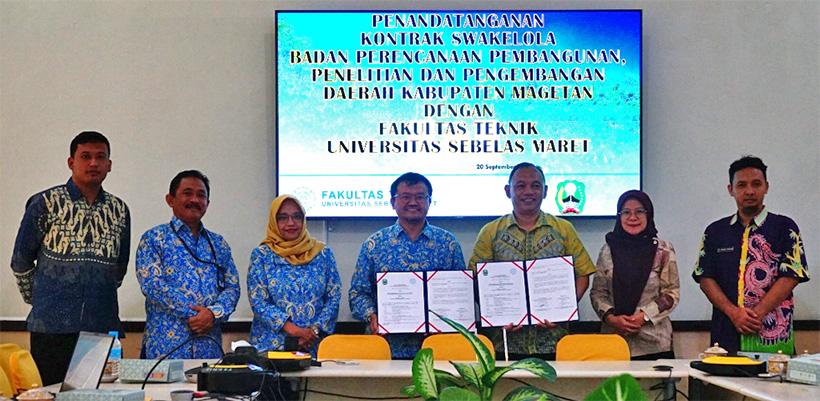
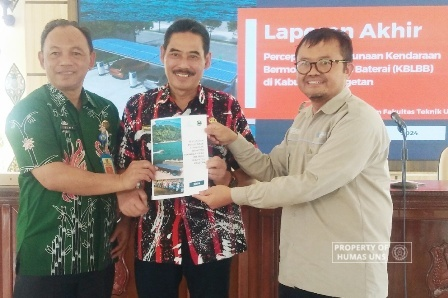
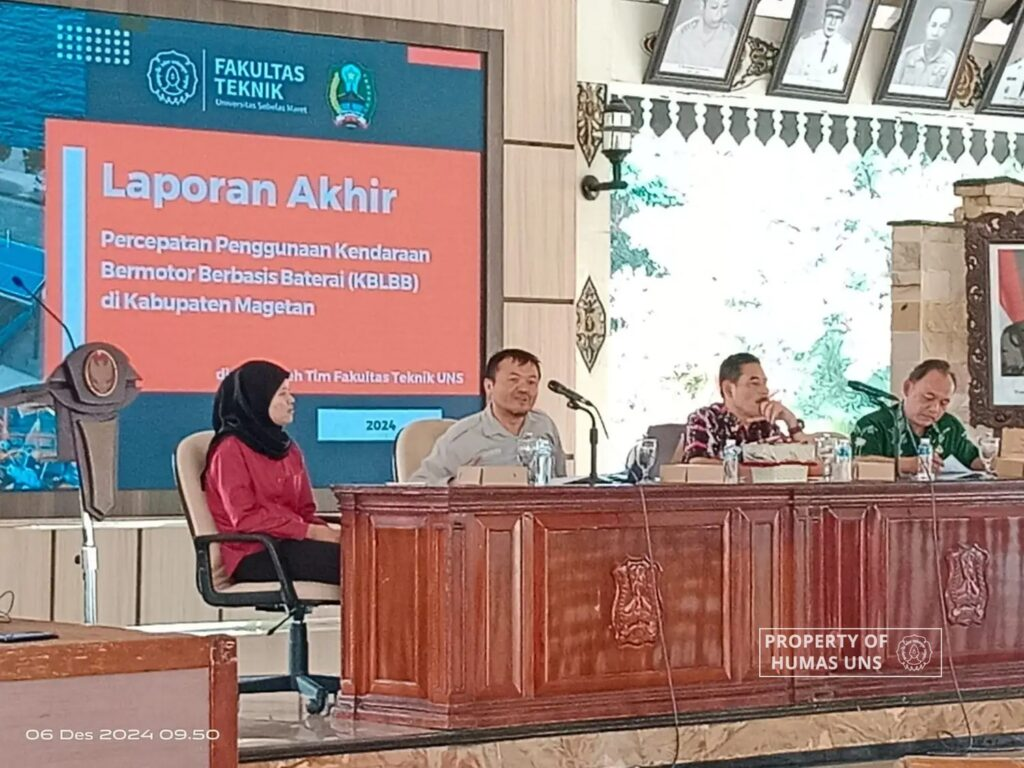
The Faculty of Engineering at UNS has established a strategic partnership with the Regional Development, Research, and Innovation Agency (Bappeda Litbang) of Magetan Regency to develop green energy policies. In October 2024, FT UNS and Bappeda Litbang held a coordination meeting and signed a self-managed research contract for a Green Energy Study, focusing on the conversion of motorcycles and boats to electric power, as part of Magetan’s Green Economy campaign. The initial stage focused on identifying challenges related to carbon emissions from fossil fuel use and developing renewable energy–based solutions.
The collaboration continued in December 2024 with a Focus Group Discussion (FGD) and a pilot test of the converted electric vehicles held at Pendopo Surya Graha, Magetan. The event brought together local government officials, academics, industry practitioners, and community members to discuss the implementation of electric vehicle technology. It also served as a platform for public awareness, monitoring, and evaluation of the study’s outcomes. The electric vehicle trials allowed participants to directly experience the benefits of clean technology in supporting the Magetan Green Program and creating sustainable districts.
Through this initiative, FT UNS not only provided technical recommendations but also developed a Regional Action Plan for the implementation of renewable energy (EBT) in Magetan Regency. The plan proposes increasing electricity demand through the use of electric vehicles, public transportation, and smart city applications, with the expectation that local renewable energy sources will meet the electricity supply, moving the region toward energy independence.
This collaboration demonstrates UNS’s direct and comprehensive involvement in regional policy development, covering problem identification, strategy design, future modelling, monitoring of interventions, and support for adaptive policy management. The initiative directly contributes to achieving SDG 7 (Affordable and Clean Energy), SDG 11 (Sustainable Cities and Communities), SDG 13 (Climate Action), and SDG 17 (Partnerships for the Goals).
Source :
https://ft.uns.ac.id/berita-pengumuman/konsolidasi-pelaksanaan-kerja-sama-sekaligus-penandatanganan-kontrak-swakelola-ft-uns-dengan-bappeda-litbang-kabupaten-magetan
https://uns.ac.id/id/uns-update/uns-dan-pemkab-magetan-gelar-fgd-dan-uji-coba-kendaraan-listrik-hasil-konversi.ht
- PIPW Assistance in the Preparation of the 2024 Regional Government Work Plan (RKPD) of Blora Regency
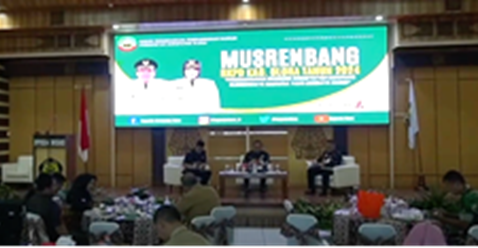
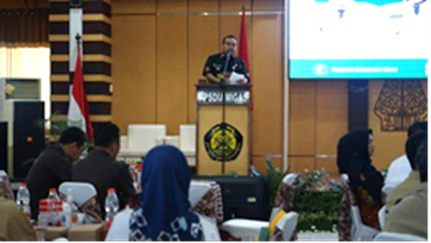
UNS, through the Regional Planning and Infrastructure Development Study Center (PIPW), established a collaboration with the Regional Development Planning Agency (Bappeda) of Blora Regency to support the preparation of the 2024 Regional Government Work Plan (RKPD). The partnership was formalized through the signing of a self-managed contract on January 5, 2024, involving expert teams from PIPW UNS.
This collaboration focused on addressing key regional strategic issues, including infrastructure and regional connectivity development, human resource improvement, and community-based economic strengthening through MSMEs as a practical step to reduce poverty. With the involvement of UNS, the Blora Regency Government received academic and analytical support in identifying problems, formulating policies and development strategies, and integrating the outcomes of public consultation forums (musrenbang) into the RKPD and local legislative programs.
UNS’s participation in the RKPD formulation process reflects the university’s direct and active contribution to regional development planning, including monitoring progress and supporting adaptive policy formulation in response to evolving regional needs. This collaboration demonstrates how higher education institutions play a strategic role in evidence-based policy development and contribute to achieving the Sustainable Development Goals (SDGs), particularly SDG 1 (No Poverty), SDG 8 (Decent Work and Economic Growth), SDG 9 (Industry, Innovation, and Infrastructure), SDG 11 (Sustainable Cities and Communities), and SDG 17 (Partnerships for the Goals).
Source : https://pipw.lppm.uns.ac.id/?p=5729
- Study on the Development of the Investment Potential Map of Ngawi Regency

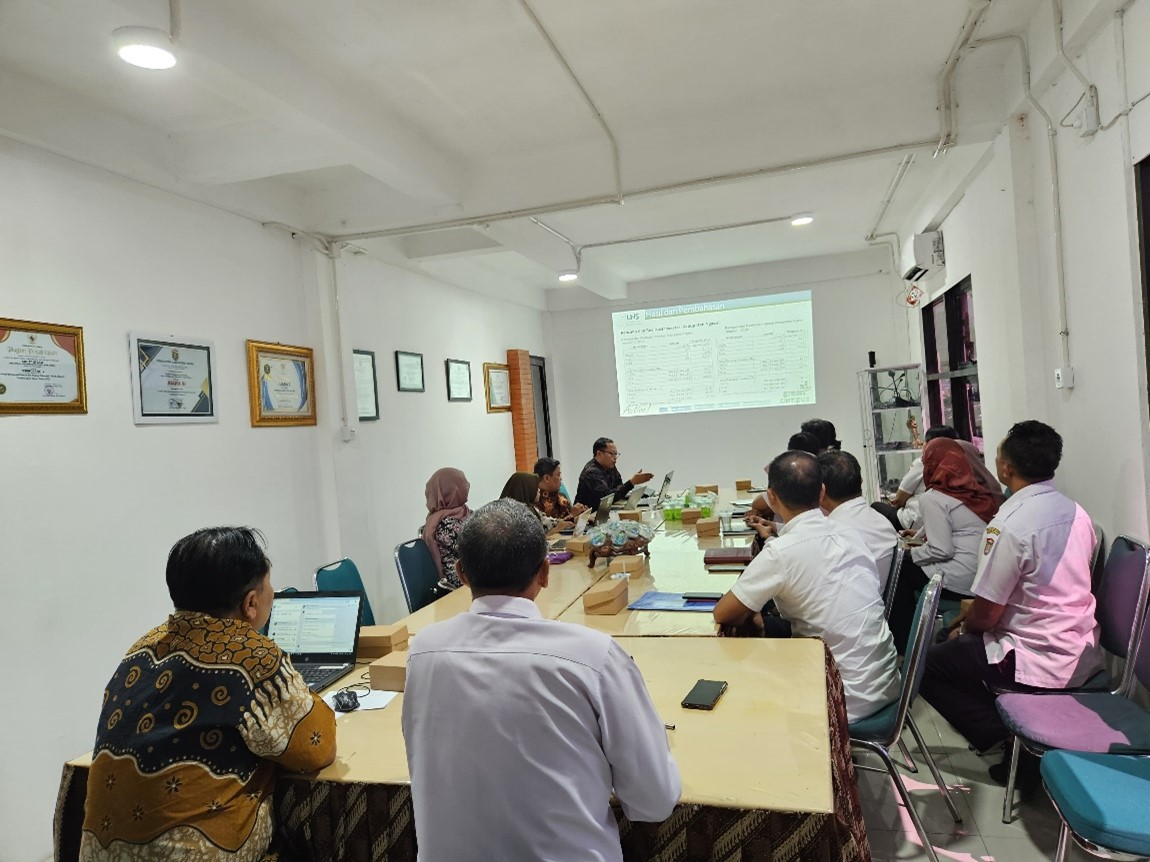
UNS, through the Center for Cooperative and MSME Assistance Studies (PSP-KUMKM), collaborated with the Office of Investment and Integrated One-Stop Services (DPMPTSP) of Ngawi Regency in developing the Investment Potential Map of Ngawi Regency. This study aimed to identify key economic sectors, map subdistricts with promising investment potential, and formulate strategic recommendations for future investment growth.
The series of activities began with an initial report in July 2024, followed by the presentation of the Interim and Final Reports on August 14, 2024. The event was attended by representatives from various regional stakeholders, including the Regional Development Planning Agency (Bappeda), Central Bureau of Statistics (BPS), the Office of Food Security and Agriculture, the Office of Cooperatives and MSMEs, and the Office of Trade, Industry, and Manpower of Ngawi Regency. The involvement of multiple institutions strengthened the validity of the study results and ensured that the recommendations could be integrated into regional development policies.
The outputs of this study include analytical documents on potential and leading sectors, investment potential data, investment potential maps, and strategic recommendations. These outputs serve as official references for the Ngawi Regency Government in formulating policies to attract investors. Through this collaboration, UNS contributed not only to problem identification and potential mapping but also to policy and strategy formulation, economic development modeling, and monitoring of investment directions, ensuring an adaptive and evidence-based approach to regional investment management.
This initiative supports the achievement of SDG 8 (Decent Work and Economic Growth), SDG 9 (Industry, Innovation, and Infrastructure), SDG 11 (Sustainable Cities and Communities), and SDG 17 (Partnerships for the Goals) by strengthening a sustainable, locally based investment ecosystem through collaborative policy development.
Sources:
https://psp-kumkm.lppm.uns.ac.id/laporan-antara-kajian-penyusunan-peta-potensi-investasi-kabupaten-ngawi/
https://dpmptsp.ngawikab.go.id/portal_web/index.php/portal/beritaView/459
- Focus Group Discussion on the Readiness Study for the Expansion of Upland Region III Areas in Purbalingga, Banjarnegara, and Magelang
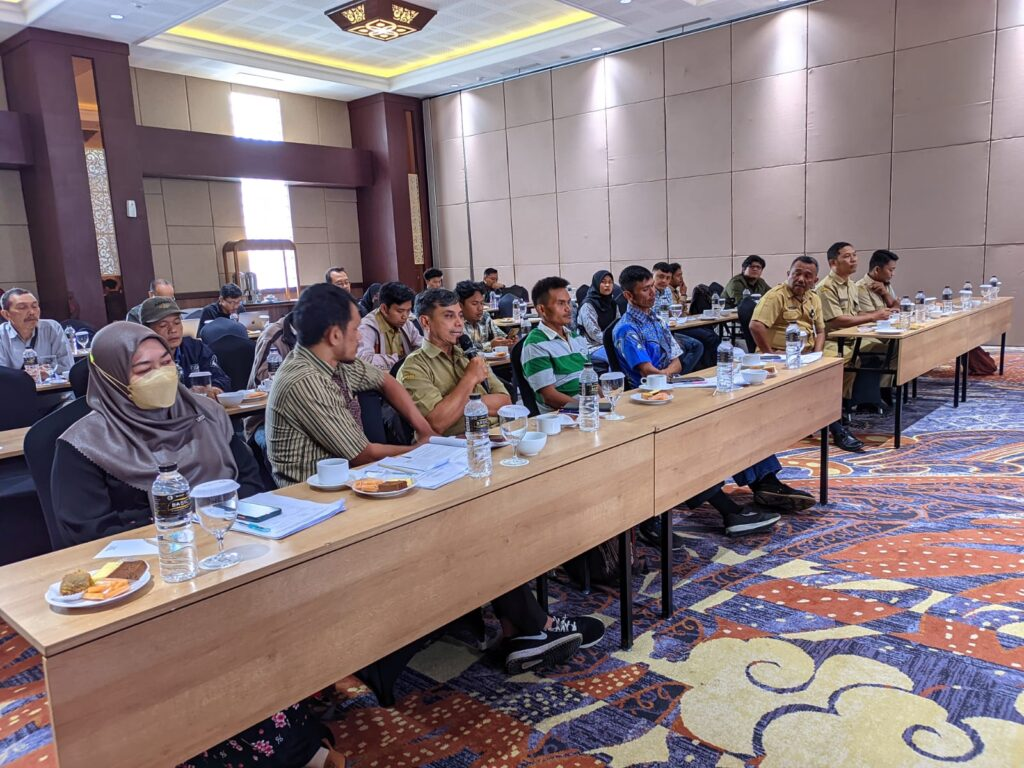
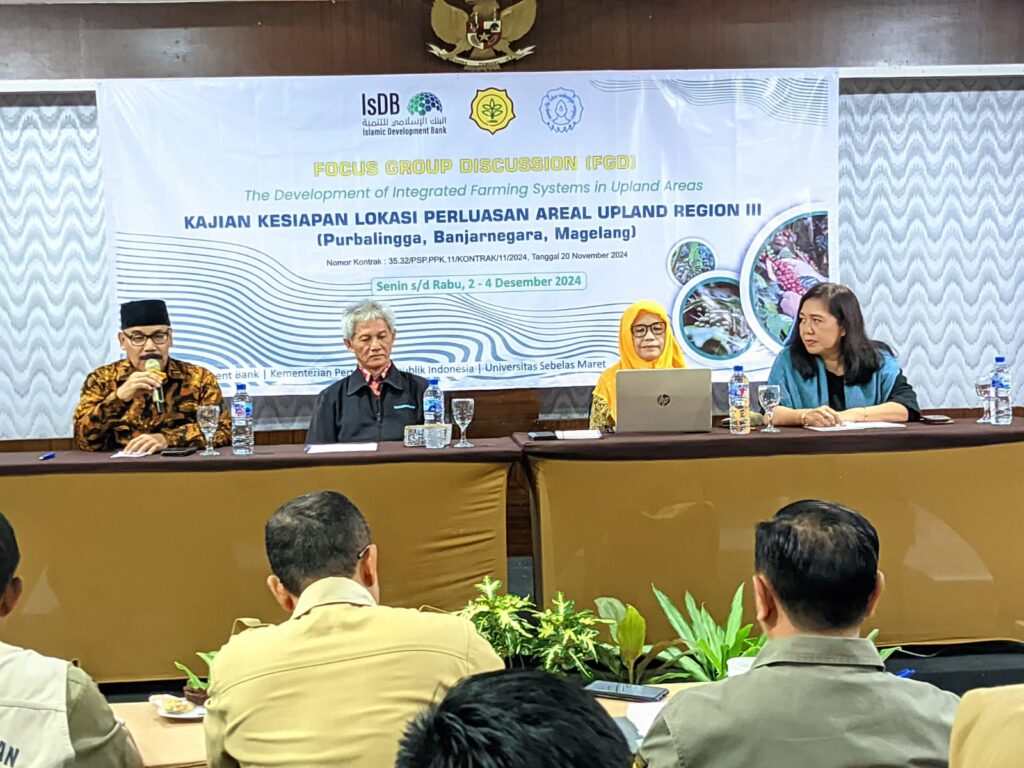
UNS, through the Center for Environmental Research (PPLH), supported the development of sustainable agricultural areas by organizing a Focus Group Discussion (FGD) on the Readiness Study for the Expansion of Upland Region III Areas, which covers the districts of Purbalingga, Banjarnegara, and Magelang.
Held from 2 to 4 December 2024, the FGD brought together key stakeholders from the Ministry of Agriculture, local agricultural offices, academics, agricultural practitioners, and farmer groups. From UNS, the expert team consisted of Prof. Ari Handono Ramelan, Prof. Endang Yuniastuti, Dr. Dewi Handayani, Ir. Agus Hari Wahyudi, Dr. Rahning Utomowati, Prof. Suryanto, and Prof. Endang Siti Rahayu.
Through this activity, UNS conducted a comprehensive mapping of potentials and challenges for upland development by:
-
- Analyzing land, climate, and water resource potential;
- Evaluating supporting infrastructure such as road access, irrigation systems, and storage facilities;
- Integrating socio-economic approaches to ensure active community participation; and
- Promoting environmental conservation to maintain sustainable land management practices.
UNS also facilitated stronger multi-stakeholder collaboration through dialogue between national and local governments and community representatives, thereby accelerating the development of basic infrastructure in the upland region.
The outcomes of this FGD serve as an important input for formulating strategic policies on upland expansion in Region III. By applying a data-driven and inclusive approach, UNS demonstrated its direct involvement in identifying key agricultural challenges, developing policy recommendations, and enabling adaptive and sustainable land management strategies.
This initiative contributes to the achievement of SDG 2 (Zero Hunger) and SDG 15 (Life on Land) through strengthened policy frameworks that enhance farmers’ welfare while protecting the environment.