SDG 4 In Number
Number of graduates
6.192
Number of students starting a degree
9.032
Number of first-generation students starting a degree
6.205
Number of students
27.604
Number of graduates who gained a qualification that entitled them to teach at primary school level
6.192
4.3.3 Vocational Training Events (Lifelong Learning)
UNS Promotes Lifelong Learning through Vocational and Community-Based Training Programs
Universitas Sebelas Maret (UNS) is strongly committed to advancing Sustainable Development Goal 4 (Quality Education) by offering technical and vocational training programs that are open to the wider community. These initiatives reflect UNS’s dedication to lifelong learning, capacity building, and sustainable skill development for both professionals and the general public.
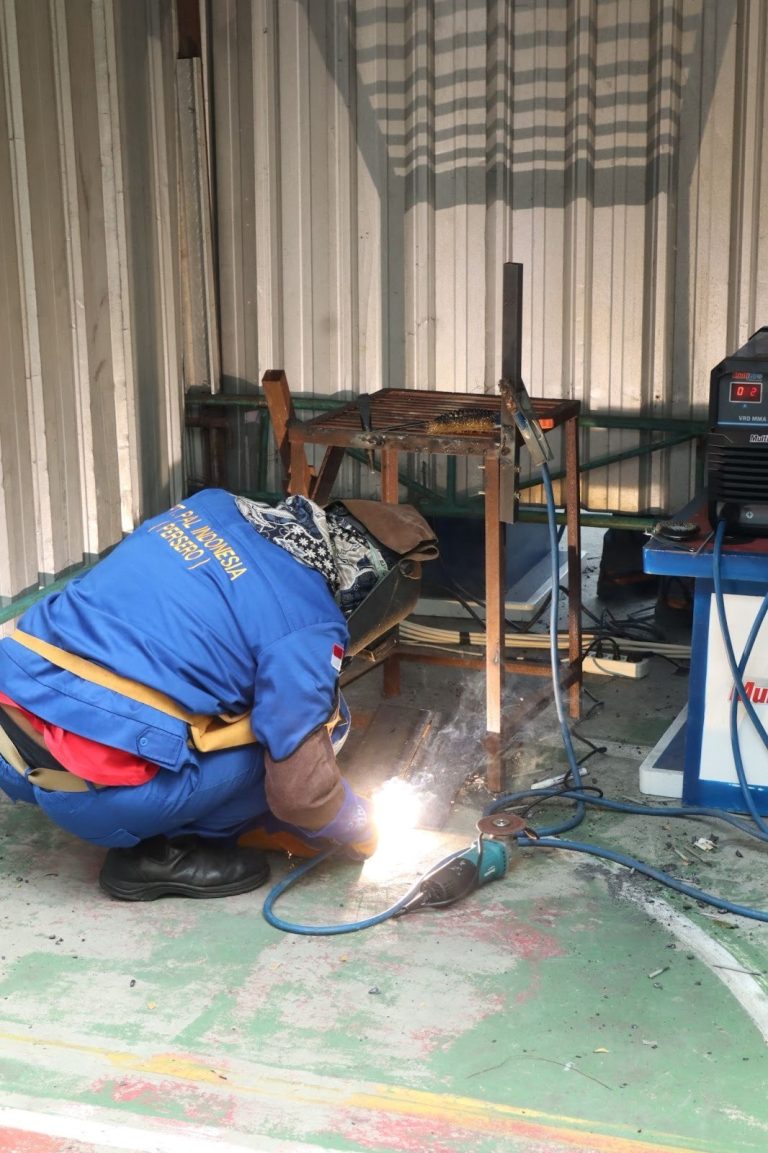
- Vocational Training in Engineering and Technology: Gas Metal Arc Welding (GMAW) Training for Welding Workshop Workers
Background
There are many welding workshops in the Solo area, but the variety of products they offer is almost the same: household products such as fences, canopies, and window treads. These products are marketed on a custom basis, resulting in unstable product continuity over time, with orders ranging from high to low. Product innovation programs and marketing method innovations are crucial to improving the sustainability of these welding workshops. A simple product that is routinely needed by offices, campuses, and schools is metal furniture. To enter the office goods market, furniture produced by welding workshops needs to improve its quality by using more sophisticated welding machines. Therefore, welding workshops need training in the use of more sophisticated welding machines, namely Gas Metal Arc Welding (GMAW).
Implementation of Community Service
To facilitate welders to understand welding techniques with Gas Metal Arc Welding (GMAW), the Community Service Team of the Mechanical Engineering Study Program, Faculty of Engineering, Sebelas Maret University, Surakarta, chaired by Triyono with members Eko Surojo and Nurul Muhayat, in collaboration with 2 (two) partners, namely the Sumber Rejeki Welding Workshop, Sawahan Hamlet, and the Takmir of the Fatimah Ar-Royyan Mosque, implemented a Community Partnership Program (PKM). The implementation of PKM consists of two stages. Stage I is designed to train owners and workers of welding workshops on the use of GMAW machines. The UNS PKM Team will serve as a resource person during this training. Stage II is a joint project to design and manufacture table and chair furniture as a sample product of this training activity, which will be donated to the Fatimah Ar-Royyan Jongkang Mosque TPA. With the implementation of this PKM, the owners and workers of the Sumber Rejeki Welding Workshop, as well as those of surrounding welding workshops, have gained knowledge in designing structures, producing office furniture with GMAW machines, and marketing them.
To enhance the effectiveness of this PKM, MIG welding training is open to the public but is limited to eight participants due to the laboratory’s capacity and the availability of MIG welding machines. The details of the eight participants are as follows:
Number | Address | Welding Workshop |
Putut Sutrisno | Jl. Simo-Klego, Gumuk Rejo RT 6, Kedunglengkong, Simo, Boyolali | Madu Makmur |
Heri Saputro | Sentono, Tawangsari, Kerjo, Karanganyar | Parji welding workshop |
Parji | Sinto, Botok Subdistrict, Kerjo District, Karanganyar Regency, Central Java Province | Parji welding workshop |
Maryono | Perum Forgata 1 Blok C05 Rt 04 Rw 17 Bejen, Karanganyar | Nanang Jaya Steel |
Didik Kurniawan | Ngadirejo RT 03, Mojokerto, Kedawung, Sragen | Anugrah mandiri 21 |
Jhony Bachtiar | Sentono RT 03, RW 07 Tawangsari Kerjo Karanganyar | Parji welding workshop |
Dimas Surya Pratama | Ngadirejo RT 03, Mojokerto, Kedawung, Sragen | Anugrah mandiri 21 |
Adib Sandy Fadhilah | Sawahan, Jaten, Karanganyar | Sumber Rejeki |
This GMAW welding training was conducted in the Casting and Welding Laboratory of the Mechanical Engineering Study Program, Faculty of Engineering, Sebelas Maret University, Surakarta. This laboratory has two (2) GMAW welding machines and a welding workshop that is quite good and pays attention to occupational safety and health.
The GMAW welding training materials include:
- Occupational safety and health theory and practice, including the use of personal protective equipment, introduction to fire extinguishers, and emergency actions that may occur in the work environment.
- The theory of metal materials and their behavior during the welding process. This material covers the types of steel, the effect of welding heat on changes in steel properties, the welded joint parts that can be formed during the welding process, and the metallurgical actions that are both beneficial and detrimental to the properties of steel.
- GMAW welding theory and practice covering GMAW welding machine parts, welding parameters, GMAW welding machine working mechanisms, and how to operate a GMAW welding machine. The welding machine practice begins with creating a weld groove to train the welding feel in the hands. The following images are the results of the welding practice.
- A practical GMAW welding project involved building an office desk. Participants were provided with consumables (BHP) and engineering drawings. The activity began with understanding the design, planning materials, setting up, welding, grinding, and finally painting.
Source : Pelatihan Proses Gas Metal Arc Welding (GMAW) untuk Bengkel Las Solo Raya
- Green Skills Camp: Empowering Gen Z through Sustainable Vocational Education
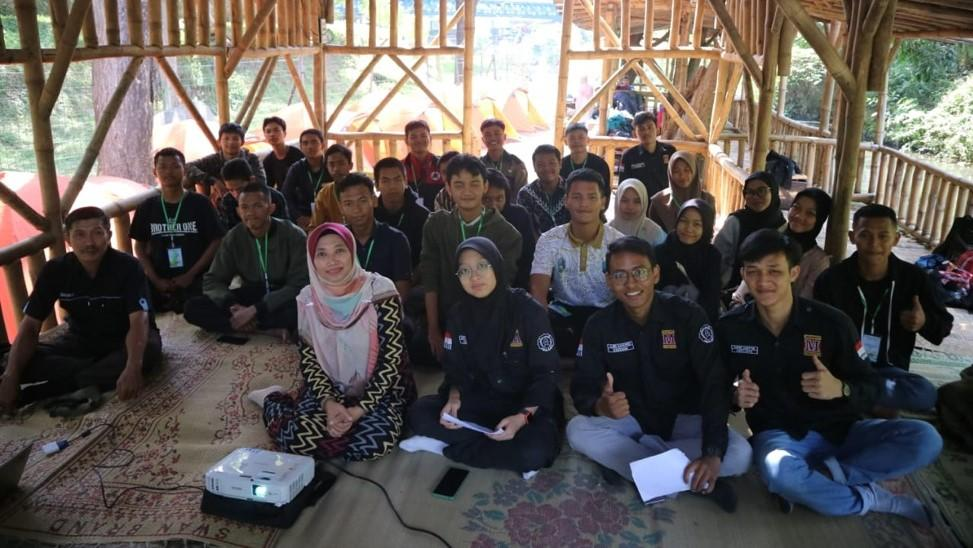
Additionally, in 2024, the Faculty of Teacher Training and Education (FKIP) held the “Green Skills Camp: Enhancing the Role of Gen Z in Achieving Sustainable Development Goals through River Potential Empowerment Education” program in Klaten Regency. This training focused on developing green skills in response to global demands and the needs of a workplace that contributes more to environmental management.
Prof. Madya TS. Dr. Aini Nazura Binti Paimin from UTHM, as a speaker at the Green Skills Holiday Camp, shared data from CNN Indonesia that Indonesians produce 65 million tons of waste every day. According to her, green skills include the ability to reduce environmental impact, manage resources efficiently, and develop and implement green technologies. Green skills also encompass knowledge of environmental regulations, recycling practices, renewable energy, and sustainable design and production. The main goal of green skills is to create a greener and more sustainable economy and increase environmental awareness and responsibility among the public.
This community-based vocational training aimed to develop participants’ green skills, including environmental management, resource efficiency, renewable energy awareness, and sustainable production practices.
The camp encouraged youth and local communities to contribute actively to environmental conservation and sustainable development. This activity represents UNS’s commitment to expanding vocational education beyond traditional technical training into sustainability-oriented competencies.
- Batik Training Programs
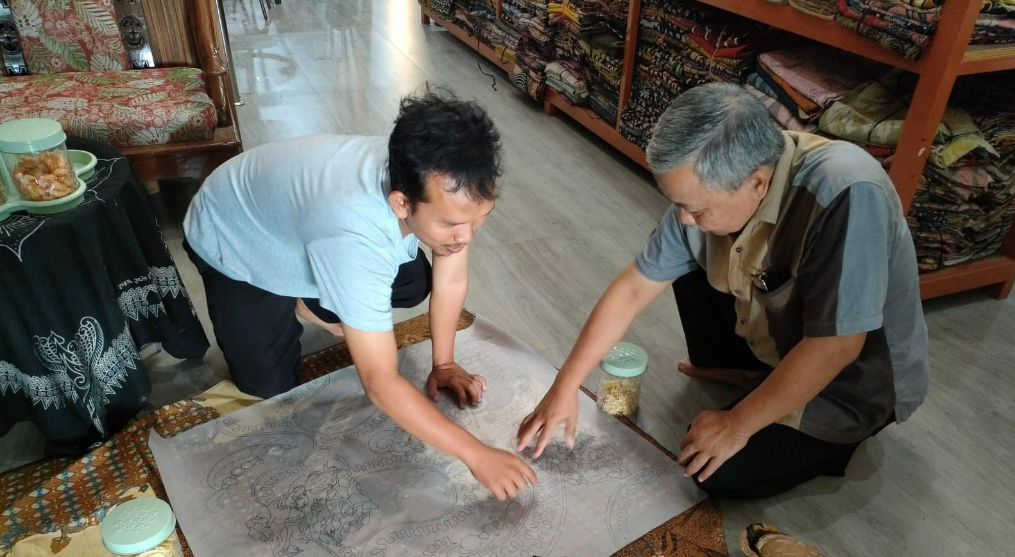
Surakarta (Solo) is renowned for its rich batik heritage and long-standing history as a major center of batik production in Indonesia, distinguished by its geometric motifs imbued with deep philosophical meaning.
UNS has been actively and consistently conducting a range of programs to strengthen the skills of batik entrepreneurs. These initiatives focus on improving product quality, enhancing business and management competencies, and promoting the use of modern technology to support the sustainability and competitiveness of the batik industry.
2024 program:
https://fkip.uns.ac.id/2024/07/tingkatkan-mutu-produk-tim-rg-fkip-uns-gelar-pelatihan-di-usaha-batik-dewi-ratih-sragen/
2023 program:
https://uns.ac.id/id/uns-update/tim-p2md-uns-adakan-lokakarya-pengembangan-batik-empon-empon-di-desa-pendem-karanganyar.html
https://uns.ac.id/id/uns-update/kkn-kelompok-44-uns-kenalkan-pelatihan-tie-dye-batik-jumputan-sd-negeri-03-giriroto.html
2022 program:
https://joglosemarnews.com/2022/08/mahasiswa-kkn-54-uns-latih-warga-desa-jatingarang-membuat-batik-ecoprint/
The training activities above demonstrate that UNS is actively expanding access to technical and vocational education beyond its regular academic programs. In line with the spirit of lifelong learning, UNS provides facilities, instructors, materials, and real-life project opportunities for the public. Through these initiatives, the university enhances its role as a higher education institution that provides vocational training tailored to the needs of local communities and industries. This clearly reflects the UNS’s support for SDG 4, which aims to ensure inclusive and equitable quality education and promote lifelong learning opportunities for all.
In 2024, UNS allocated research and community service funding related to SDG 4: Ensure inclusive and equitable quality education and promote lifelong learning opportunities for all. Some UNS researchers conducted studies and community service related to vocational or short courses for the general public:
- Prof. Dr. Sarwanto, S.Pd., M.Si. – “Inovasi Pembelajaran Berbasis Lifelong Learning untuk Mewujudkan Pendidikan yang Berkualitas“
Conducts vocational training programs to improve public skills in various educational fields. - Dr. Atik Catur Budiati, S.Sos., M.A. – “Workshop Penyusunan Bahan Ajar Berbasis Cultural Responsive Teaching pada Mata Pelajaran Sosiologi Fase F di Kabupaten Klaten“
A workshop open to teachers and participants outside the university to enhance skills in developing culturally responsive teaching materials.