
SDG 3 In Number
Number of graduates
6.192
Number of graduates in health professions
927
3.3.6 Smoke-Free Policy
Smoke-Free Policy and Implementation at Universitas Sebelas Maret (UNS)
As part of its commitment to SDG 3: Good Health and Well-Being, Universitas Sebelas Maret (UNS) is dedicated to creating a healthy and smoke-free campus environment. The university views the implementation of a smoke-free campus policy as a strategic step to protect the health of its academic community, encourage healthy lifestyles, and ensure a clean, safe, and productive learning and working environment.
Smoke-Free and E-Cigarette-Free Campus Policy at UNS
UNS strengthens its commitment to public health through the implementation of the Smoke-Free and E-Cigarette-Free Campus Policy, as stated in the Rector’s Circular Letter No. 1903.2/UN27/HK.06/2024 on Smoke-Free and E-Cigarette-Free Zones within Universitas Sebelas Maret.
This policy promotes the creation of a healthy, safe, and comfortable environment for all university members, aligning with existing national and institutional regulations. It refers to the UNS Rector’s Regulation No. 872A/UN27/2013 on Green Campus Management Guidelines, Law No. 36/2009 on Health, which identifies educational institutions as smoke-free areas, and Law No. 32/2020 on Smoking Prohibition, which designates university campuses as smoke-free zones.
Through this circular, the university leadership encourages all faculties, offices, and units to actively support UNS as a smoke-free campus. The policy strictly prohibits all smoking activities and the use of electronic cigarettes within campus premises, including classrooms, laboratories, sports facilities, dormitories, and administrative buildings
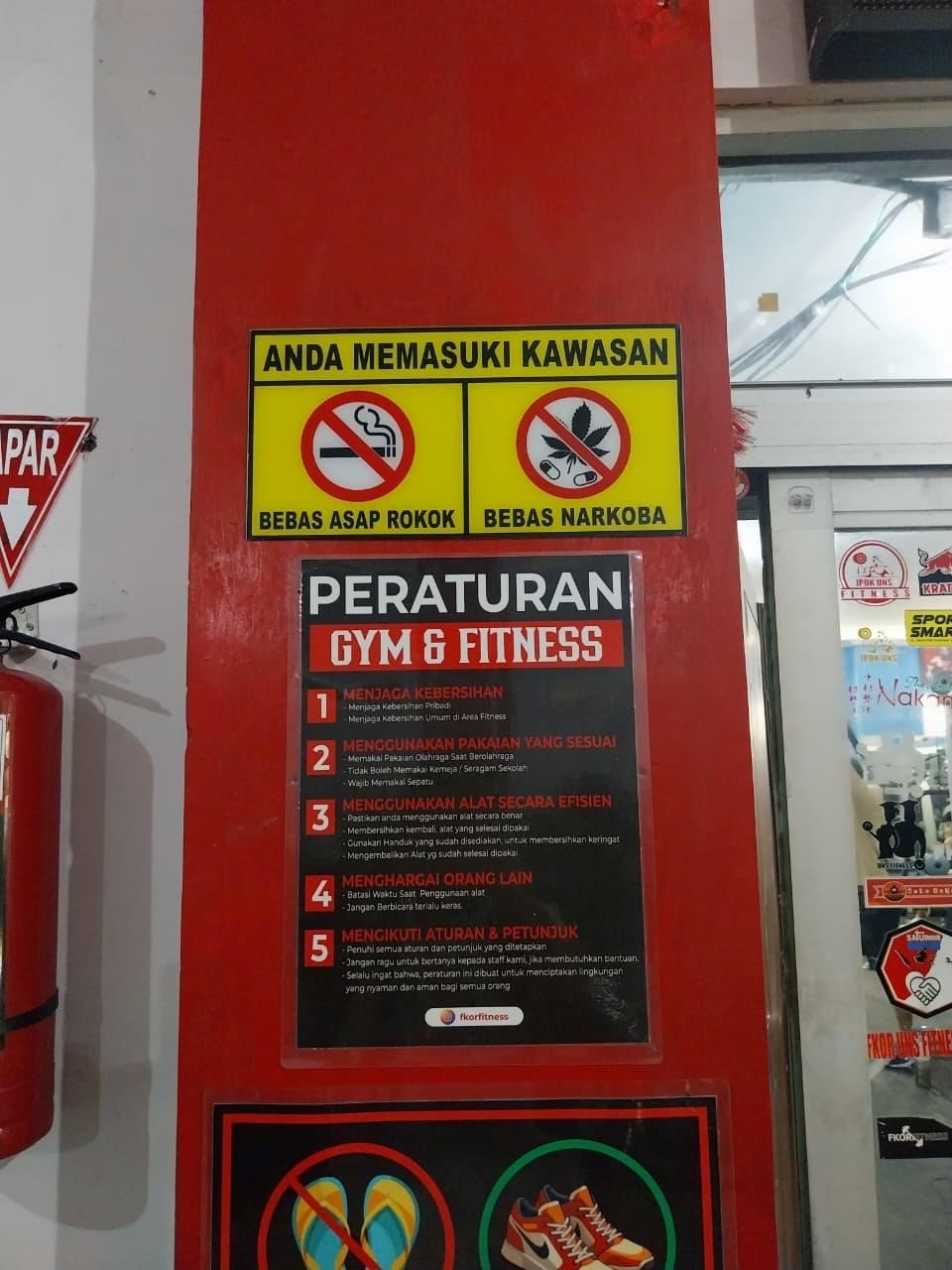
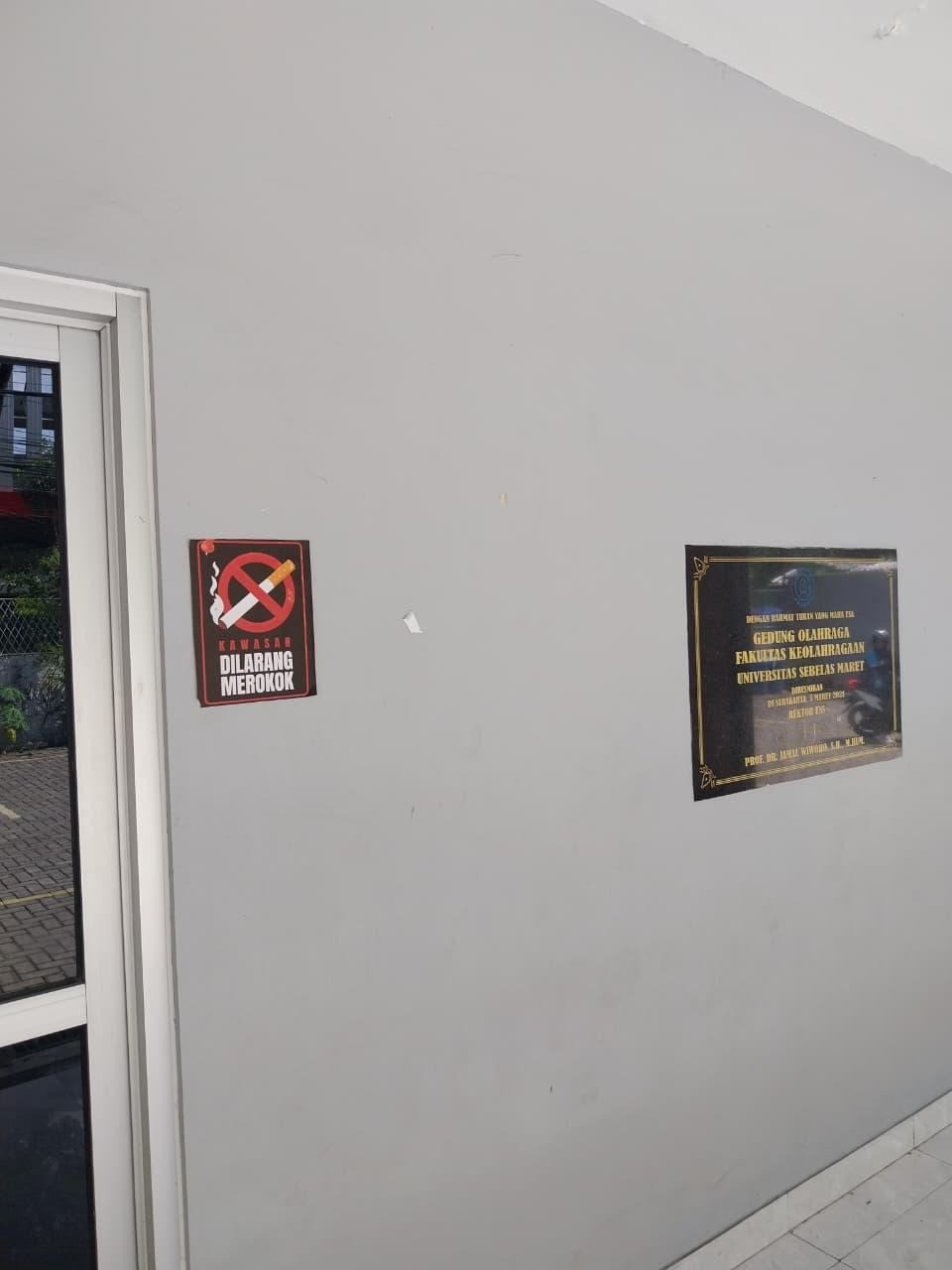
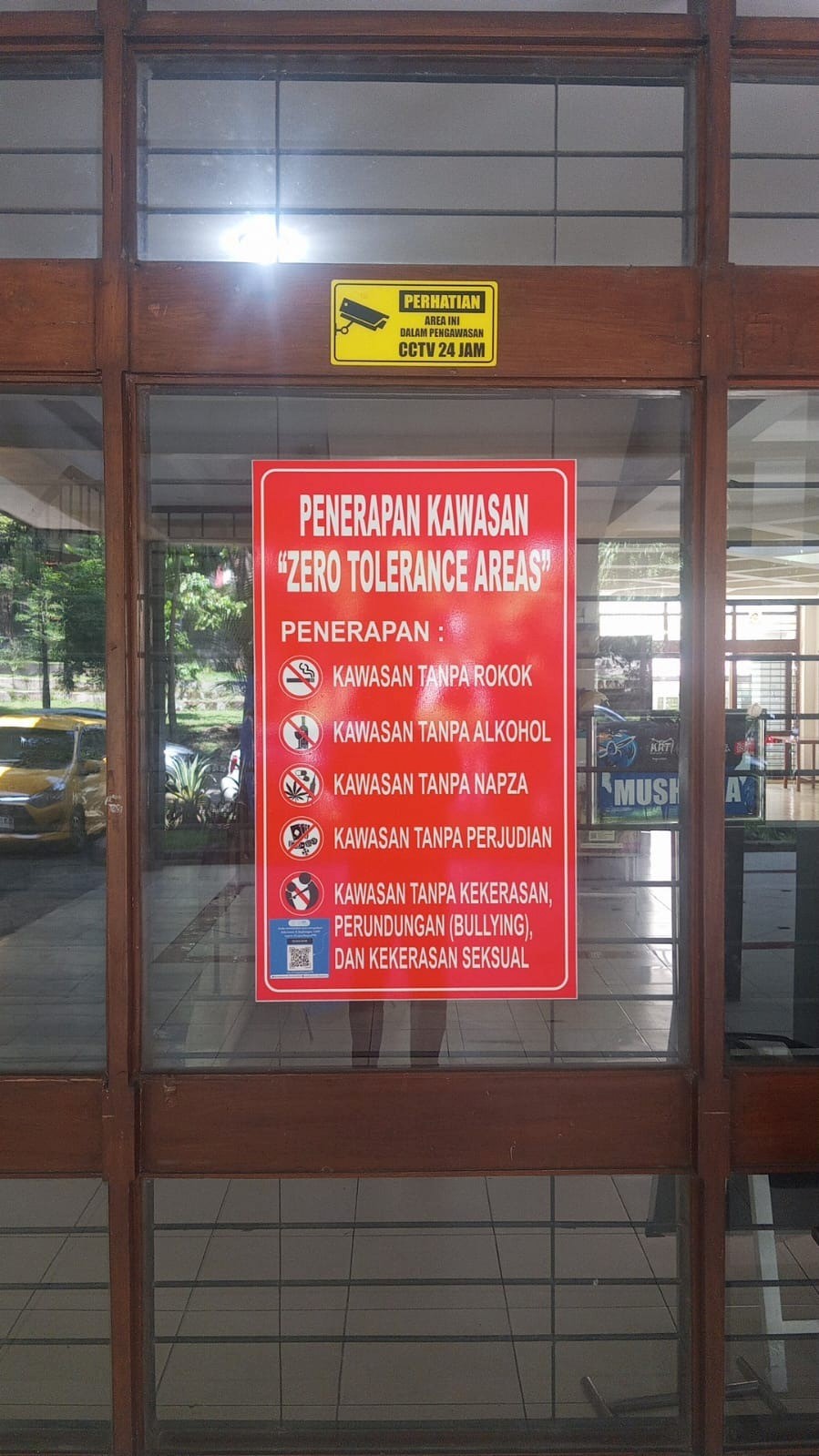
This initiative reflects the university’s vision as a Green and Healthy Campus, committed to maintaining a clean and healthy environment while promoting healthy habits among students and staff. The implementation is visible across campus facilities, where “No Smoking and No Drugs” signs and healthy lifestyle regulations are clearly displayed.
UNS leadership emphasizes that the smoke-free campus policy is not only about administrative compliance but also a collective effort to protect the health, safety, and productivity of the academic community. By establishing a smoke-free environment across all campus areas, UNS aims to cultivate a strong health-conscious culture and actively contribute to achieving SDG 3: Good Health and Well-Being.
Through this policy, UNS aims to set a standard for other higher education institutions in creating a healthy, safe, and sustainable learning environment—free from cigarette smoke, pollution, and associated health risks.
Collaboration and Strengthening of Smoke-Free Zone Implementation
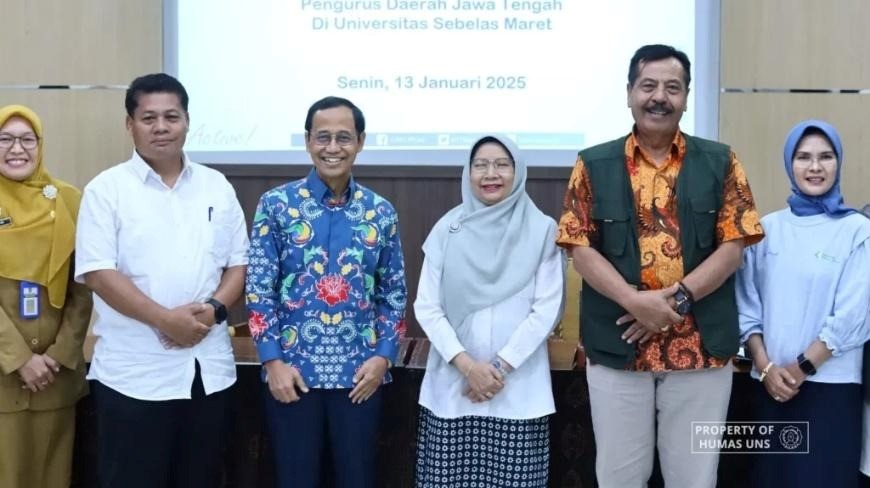
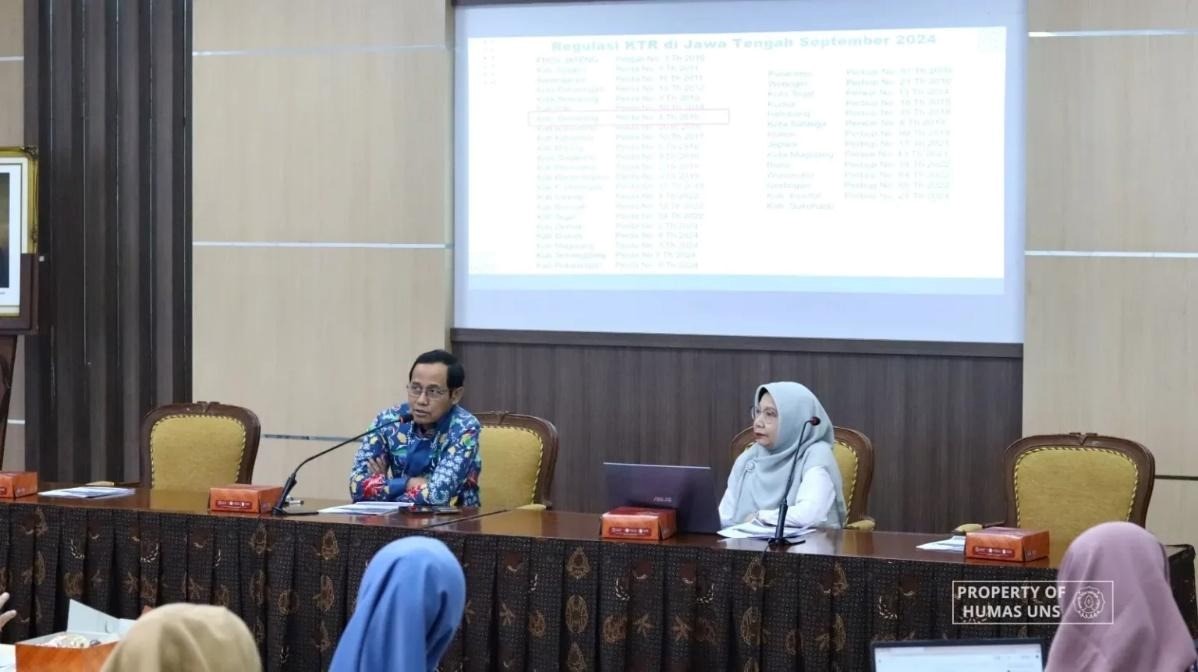
UNS continues to reinforce its commitment to a healthy campus through active collaboration with public health institutions. One of the key initiatives is a dialogue and discussion with the Indonesian Association of Health Promotion and Education Professionals (PPPKMI) Central Java Chapter, held at the UNS Rectorate Building. The event was attended by more than 120 participants, including lecturers, administrative staff, and students from various faculties.
During the session, Dr. Anung, a representative of PPPKMI, presented national data indicating that 27.02% of Indonesians aged 10 and above—approximately 70 million people—are active smokers, with 7.4% comprising adolescents aged 10–18. Additionally, 74.3% of Indonesians are exposed to second-hand smoke, posing serious public health risks, including in educational environments. He highlighted that universities play a crucial role in promoting and enforcing smoke-free zones, known as Kawasan Tanpa Rokok (KTR).
In response, UNS leadership reaffirmed the university’s commitment to strengthening the implementation of the Smoke-Free and E-Cigarette-Free Campus Policy as part of SDG 3. UNS also declared its readiness to become a pioneer of smoke-free universities in Central Java by rejecting all forms of cooperation, promotion, or sponsorship from the tobacco industry, including those under Corporate Social Responsibility (CSR) or scholarship schemes. This stance reflects the university’s academic integrity and social responsibility to protect its community from tobacco industry influence and the health hazards of cigarette smoke.
The collaboration yielded several significant outcomes, including a joint declaration in support of the full implementation of smoke-free zones, the establishment of an ad hoc technical team to design a Healthy Campus Action Plan, and an agreement between UNS and PPPKMI for technical assistance, awareness campaigns, and the training of health promotion ambassadors within the university.
As an outcome, this initiative successfully raised awareness among students and staff about the dangers of smoking and the importance of maintaining a smoke-free learning environment. It also contributed to behavioral change toward healthier lifestyles, reduced exposure to passive smoking, and improved air quality and comfort across campus.
To ensure program sustainability, UNS has developed long-term plans, including integrating health and smoke-free education into student orientation programs, holding an annual UNS Healthy Campus Week in collaboration with PPPKMI and the Surakarta Health Office, and installing clear smoke-free zone signage throughout campus areas. The university also plans to conduct regular monitoring and evaluation of policy compliance across faculties and units to ensure effective implementation.
Source : https://uns.ac.id/en/uns-holds-dialogue-with-pppkmi-central-java-on-implementing-smoke-free-zones/
Through these ongoing efforts, UNS reinforces its leadership in promoting a smoke-free campus and protecting public health. This initiative not only reduces smoking behavior within the university but also fosters a culture of health awareness and sustainability. By strengthening education, monitoring, and partnerships, UNS continues to contribute to the achievement of SDG 3: Good Health and Well-Being, serving as a national example of a clean, healthy, and sustainable higher education environment.