SDG 11 In Number
University expenditure (IDR)
1.550.122.866.706
University expenditure on arts and heritage (IDR)
20.280.022.432
11.2.4 Public Access to Green Spaces
Universitas Sebelas Maret (UNS) provides free public access to various green open spaces spread throughout the campus area. These green open spaces are not only utilized by students and educators but are also accessible to the surrounding community as venues for recreation, sports, and environmental education activities. The availability of lush, cool, and accessible green open spaces for everyone reflects UNS’s commitment to supporting environmental sustainability while improving the quality of life for both the academic community and the general public. This initiative aligns with efforts to achieve sustainable development by creating a friendly, inclusive, and sustainable campus environment. All these green open spaces are provided with permanent free access for both the academic community and the public. Thus, UNS plays an active role in supporting the achievement of SDG 11 by providing comfortable, safe, and inclusive green open space facilities for all.
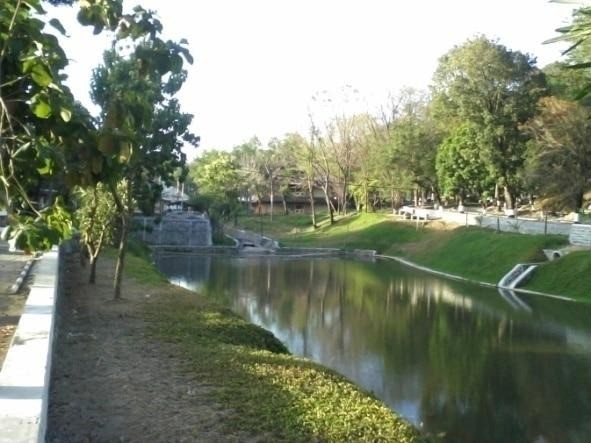
- UNS Lake
Source : https://solotourismpromotionboard.org/blogs/
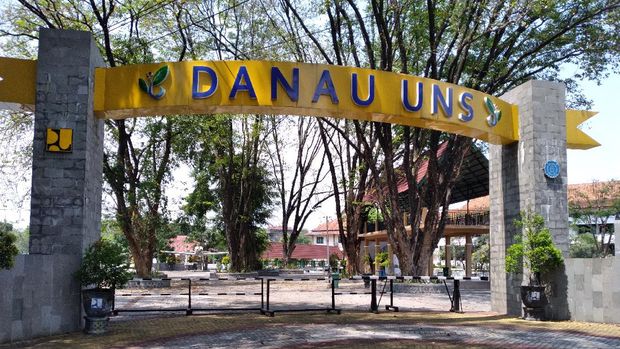
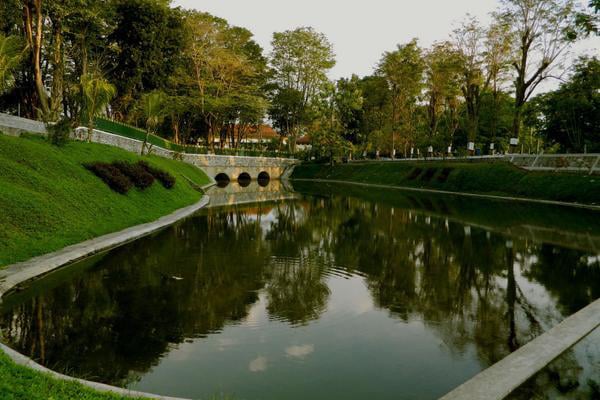
The UNS Lake is a prominent green open space on campus, providing a calm, cool, and beautiful atmosphere. Access to the lake is open to all academics and the general public, for recreation, discussion, relaxation, or simply enjoying the natural beauty. The lake also serves as a natural laboratory for ecological research and learning.
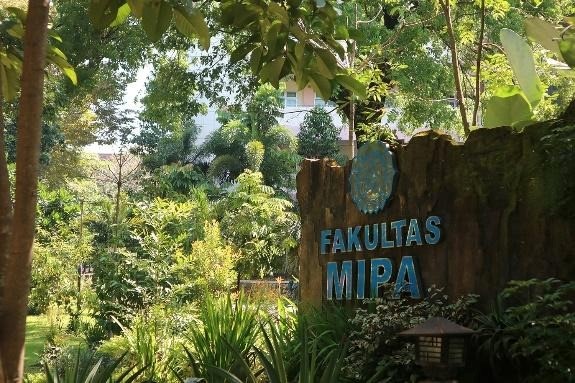
- Faculty Garden
Source : https://math.mipa.uns.ac.id/3-research-passed-beautiful-beginning-of-the-year/
Each faculty at UNS has open spaces in the form of gardens and green plazas accessible to students, faculty, and the surrounding community. For example, the gardens at the Faculty of Economics and Business, the Faculty of Mathematics and Natural Sciences, the Faculty of Law, and the Faculty of Cultural Sciences are designed with shady trees and seating areas. These spaces not only enhance the faculty environment but also serve as places for study, discussion, and interaction outside the classroom. With open public access, the faculty gardens serve as refreshing green spaces while strengthening the campus’s social function.
- UNS Stadium and Jogging Track
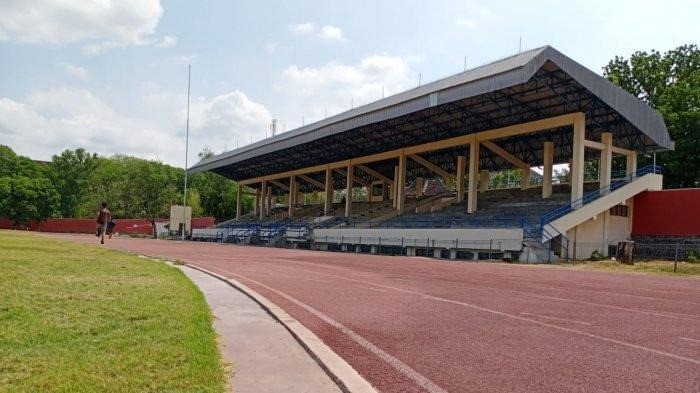
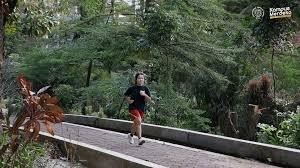
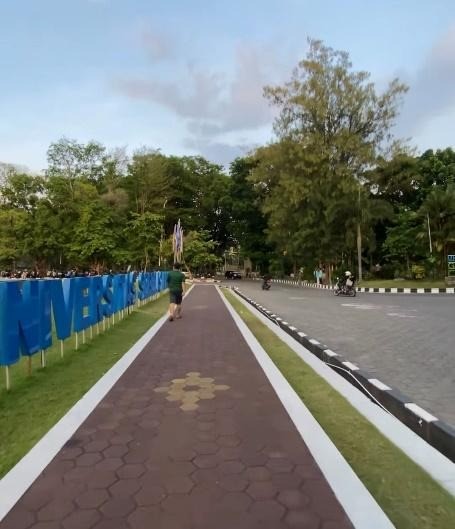
The UNS Stadium is equipped with pedestrian paths and a jogging track, open free to students and the general public. These facilities not only serve as a sports venue but also support a healthy and active lifestyle in a green and comfortable environment. The stadium and jogging track serve as hubs for physical activity, bringing together diverse groups, creating a space for inclusive social interaction. Furthermore, the shady and well-maintained pedestrian paths reinforce the campus’s role as an environmentally friendly and pedestrian-friendly area.
- Bromo Forest Nature Reserve
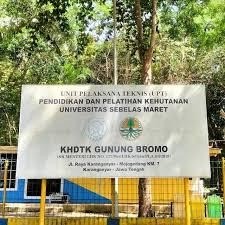
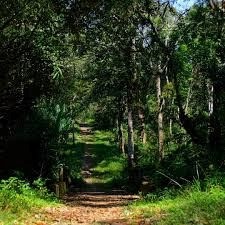
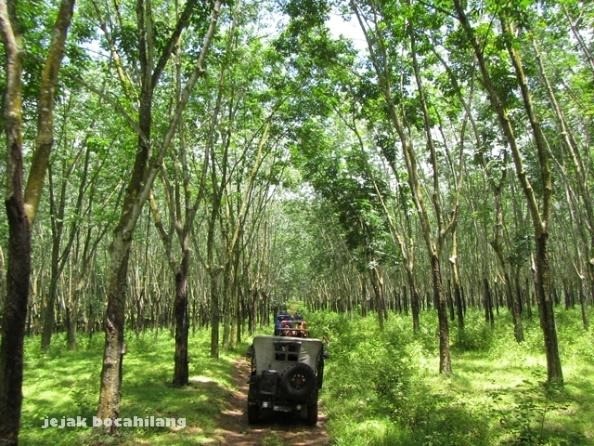
Source : https://radarsolo.jawapos.com/karanganyar/844782245/
UNS also has academic management access to the Bromo Forest Nature Reserve conservation area located in Karanganyar. This forest area boasts rich biodiversity and serves as a natural laboratory for research, environmental education, and student fieldwork. Bromo Forest is also open to the public, particularly for communities interested in nature recreation and conservation. The forest’s natural and tranquil atmosphere not only provides ecological benefits but also supports mental health and strengthens public awareness of the importance of environmental sustainability.
- UNS FISIP Forest
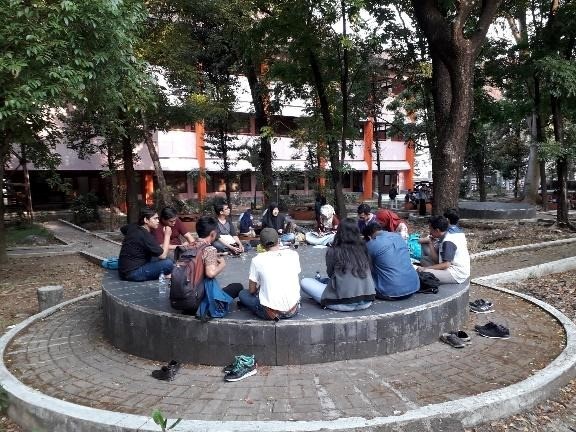
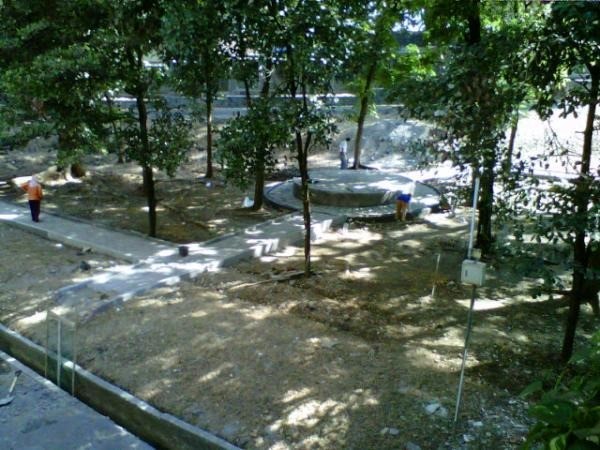
Source : https://www.idntimes.com/life/education/5-spot-kece-di-sekitar-uns
The FISIP UNS Forest is a green, open space arranged with shady trees, creating a mini-forest atmosphere within the faculty area. Access to this area is open to students, lecturers, staff, and the public as a place to rest, discuss, or enjoy the cool surroundings. Besides serving as a recreational area, this forest is also a valuable resource for environmental observation and nature-based learning. With free public access, the forest exemplifies how campus areas can function not only as academic spaces but also as healthy living spaces that support the achievement of sustainable development goals.
- UNS Boulevard Area and Rectorate Park
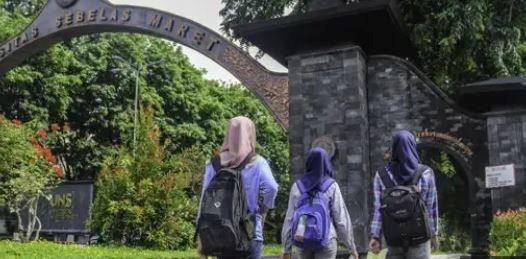
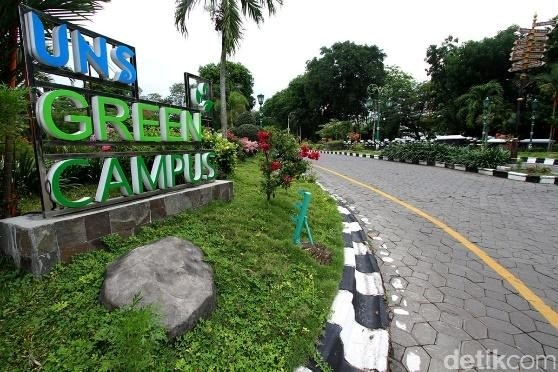
Source : https://www.detik.com/edu/detikpedia/d-5691731/spot-nongkrong-keren-di-uns
The main boulevard area and the garden surrounding the UNS Rectorate Building are well-designed, making them one of the central green open spaces on campus. The area is surrounded by shady trees, comfortable pedestrian paths, and vast green zones. Open access for the public allows this area to be used not only for academic and administrative activities but also for recreation and social gatherings. The well-arranged landscape design makes the boulevard and rectorate garden the green face of the campus, reflecting UNS’s commitment to sustainability. The boulevard and rectorate garden offer permanent free access for both the campus community and visitors.
- Green Field
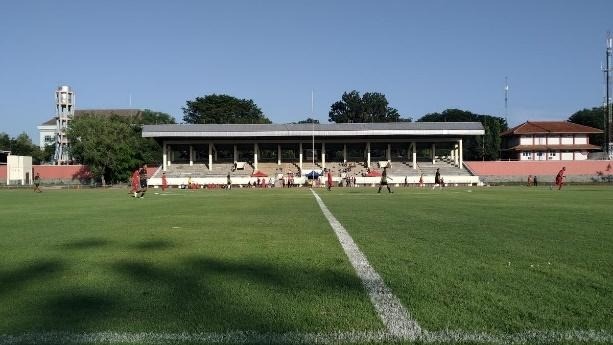
Source : https://www.detik.com/jateng/sepakbola/d-7023276/lapangan-uns
UNS has several green fields, including the main soccer field, basketball courts, and open fields in various faculties. All of these fields are open free of charge to students and the public who want to exercise, train with their community, or simply enjoy recreational activities. With an open atmosphere surrounded by trees, the green fields at UNS serve not only as sports facilities but also as open spaces that promote health and foster social interaction.
- Arboretum and Educational Park
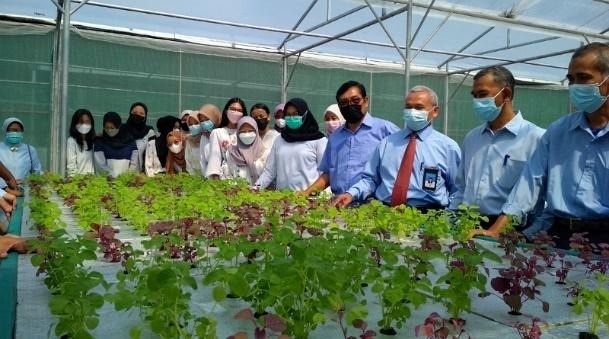
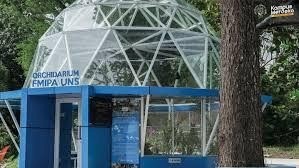
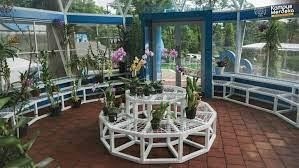
UNS Arboretum is a tree conservation area that serves as one of the environmental learning facilities on campus. Various types of plants are well-maintained, allowing the area to be used for research, education, and nature-based recreation. The arboretum is also open to the general public who wish to learn or simply enjoy the green scenery. With its multifunctional role, the arboretum provides ecological benefits while strengthening UNS’s role in environmental preservation. The arboretum provides permanent free access for educational and recreational purposes.
- UNS Library Literacy Park
Source : https://joglosemarnews.com/2021/03/462406/
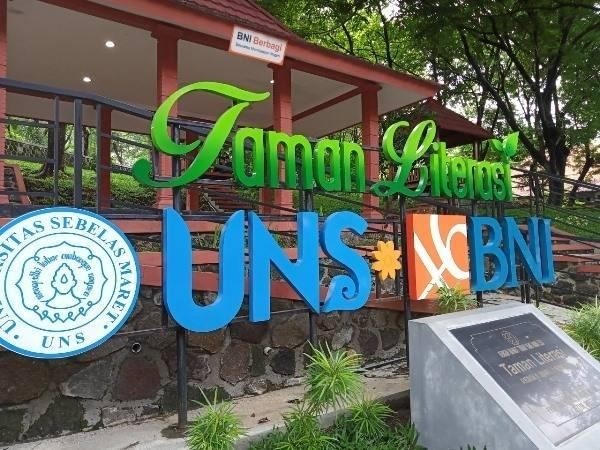
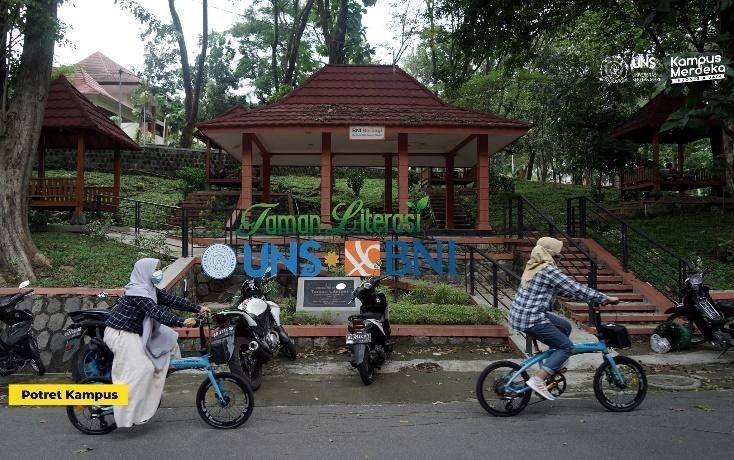
The UNS Central Library not only functions as a literacy center but also as a green space, surrounded by a large garden and shady trees. This garden is freely accessible to anyone, whether for reading, discussing, or resting after activities. The presence of a cool garden around the library enhances the academic atmosphere while creating a green public space that is friendly to everyone.
- Campus Green Belt
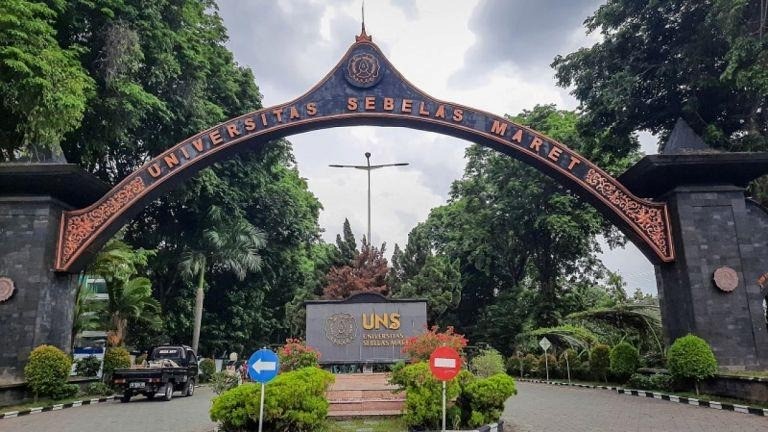
UNS has a green belt that stretches along the main roads of the campus. This area is planted with shady trees that serve as shade providers, oxygen producers, and balancers of the campus ecosystem. The green belt is open to anyone for walking, cycling, or simply enjoying the cool atmosphere amid campus activities. The existence of the green belt demonstrates UNS’s strong efforts to provide ecologically beneficial green open spaces that promote a healthy and sustainable lifestyle. This green belt is permanently open and free for all visitors.
Through the provision of various green and open spaces that are permanently and freely accessible to the public, UNS demonstrates its strong commitment to creating a sustainable and inclusive campus environment. These spaces not only promote ecological balance and public well-being but also foster social interaction and community engagement. By ensuring free and continuous access for everyone, UNS contributes significantly to the realization of SDG 11: Sustainable Cities and Communities, particularly in promoting inclusive, safe, resilient, and sustainable environments for all.
RELEVANT RESEARCH
To achieve SDG 11: Make cities and human settlements inclusive, safe, resilient, and sustainable, in 2024, UNS provided research and community service funding focused on SDG 11 topics. For example, some UNS researchers conducted studies and community engagement on urban development and human settlements, including the research “Sustainable Development Policy Model with Environmental Insight through the Forest City Concept” by Dr. Rahayu Subekti, S.H., M.Hum., which emphasizes providing public green spaces and open access for the community to urban green areas. In addition, the research “Mitigation of Urban Heat Island Phenomenon in Cities through Green Building Implementation in Humid Tropical Areas” by Dr. Sri Yuliani, S.T., M.App.Sc. supports public access to green spaces through the integration of green buildings and urban vegetation, providing the community with a healthier urban environment.