

SDG 11 In Number
University expenditure (IDR)
1,561,027,263,159
University expenditure on arts and heritage (IDR)
220,320,172,206
11.4.6 Pedestrian Priority on Campus
Pedestrian-Friendly and Inclusive Campus: Prioritizing Pedestrian Access at Universitas Sebelas Maret
Universitas Sebelas Maret (UNS) prioritizes pedestrian access across its campus to support safe, convenient, inclusive, and environmentally friendly mobility. The university provides dedicated pedestrian pathways connecting academic buildings, administrative offices, libraries, and other campus facilities, enabling students, lecturers, administrative staff, and visitors to move between destinations on foot. These pathways are designed to separate pedestrians from motorized vehicles, supported by sheltered walkways, seating areas, and green spaces to improve walking comfort.
UNS also integrates accessibility features into its pedestrian infrastructure to help people with disabilities and mobility limitations access campus facilities more independently. These features include ramps, guiding blocks, accessible pathways, and designated parking and drop-off areas. By prioritizing walking, improving pedestrian safety, and providing inclusive access to campus facilities, UNS promotes active mobility, reduces dependence on private motorized transportation, and contributes to a more sustainable and inclusive urban environment, in line with SDG 11: Sustainable Cities and Communities.
1. Dedicated Pedestrian Pathways Separated from Motorized Vehicles

UNS provides dedicated pedestrian pathways throughout its campus, particularly in the main Kentingan campus area, to prioritize pedestrian access and facilitate safe and convenient movement between academic buildings, faculty offices, libraries, and other campus facilities. These pathways are physically separated from vehicle lanes, allowing students, lecturers, administrative staff, and visitors to walk more safely and comfortably.
The pedestrian network includes pathways along the inner circle of the main campus buildings, connections between faculties, and routes linking the campus entrance to the main boulevard. This infrastructure provides direct pedestrian access to important university destinations and encourages members of the academic community to walk rather than use motorized vehicles for short trips within campus. Dedicated pedestrian routes demonstrate UNS’s commitment to prioritizing pedestrians within its internal campus mobility system.
References:
2. Green Corridors and Sheltered Pedestrian Walkways
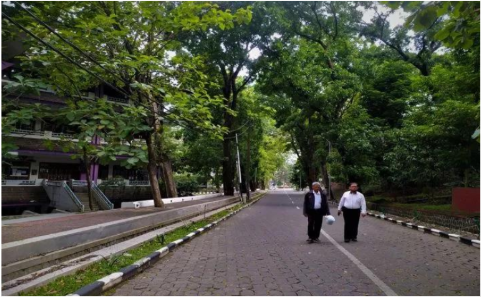
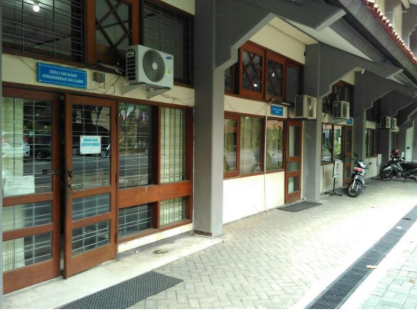
UNS integrates green open spaces, landscaped areas, and tree-lined pathways into its campus environment. Trees and vegetation along pedestrian routes provide shade and help create a more comfortable walking environment for students, lecturers, staff, and visitors moving between campus facilities. These green corridors complement the pedestrian network by connecting walking routes with landscaped areas and campus greenery.
To further improve pedestrian comfort, UNS provides covered walkways and shelters along selected pedestrian routes. The campus pedestrian infrastructure includes shelters positioned approximately every 300 meters along certain roads, as well as sheltered corridors connecting faculty buildings. These facilities protect against direct sunlight and rain, making walking more convenient and encouraging the university community to prioritize pedestrian access when traveling between campus destinations.
References:
3. Directional Signs and Information Boards
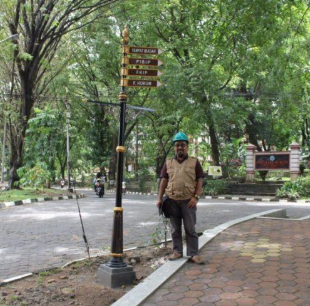
UNS uses campus signage and information boards to help students, lecturers, administrative staff, and visitors identify buildings and navigate the campus environment. Directional signs and building identification boards help users locate faculties, academic facilities, administrative offices, libraries, and other campus destinations. These signs support pedestrian access by providing information that helps people identify their destinations and navigate between campus facilities on foot.
Clear directional information is particularly useful for visitors and new students who may be unfamiliar with the campus layout. By supporting wayfinding along pedestrian routes and at key campus locations, directional signs and information boards contribute to a more accessible, convenient, and pedestrian-friendly campus environment. This approach supports UNS’s commitment to inclusive campus mobility and contributes to SDG 11: Sustainable Cities and Communities, particularly in promoting accessible and inclusive public spaces.
4. Disability-Accessible Pedestrian Pathways and Ramps
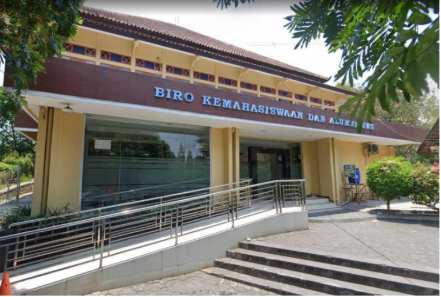
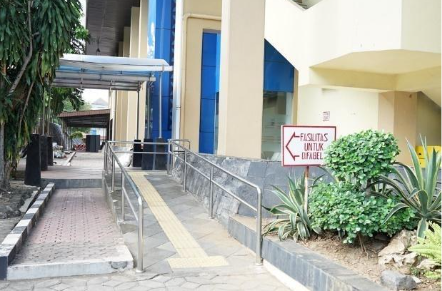
UNS incorporates accessibility features into its pedestrian infrastructure to ensure people with disabilities and mobility limitations can access university buildings and facilities. These features include ramps, gently sloped pedestrian pathways, and accessible routes that connect outdoor walkways to building entrances. These facilities help wheelchair users and others with mobility difficulties navigate changes in elevation and move between campus destinations more independently.
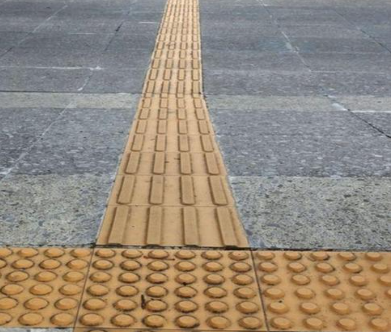
The university also provides guiding blocks (tactile paving) along selected pedestrian routes to assist blind and visually impaired students, staff, and visitors in navigating the campus environment. These accessibility features support safer, more inclusive pedestrian mobility by reducing physical barriers and enabling independent movement. By providing accessible pathways and supporting infrastructure, UNS aims to ensure pedestrian access is available to all members of the university community.
References:
5. Pedestrian Lighting and Supporting Campus Facilities
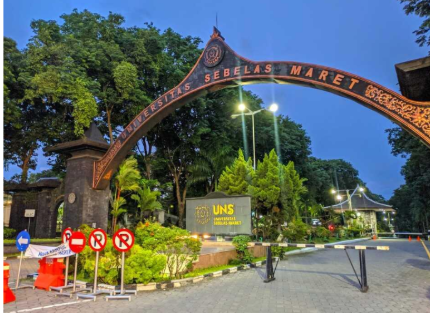
UNS incorporates supporting infrastructure into campus circulation areas to improve accessibility and convenience when moving between university facilities. Outdoor lighting along campus roads and circulation areas supports visibility during evening activities, helping students, lecturers, staff, and visitors navigate the campus environment after dark. Adequate lighting is a key element of a pedestrian-friendly campus because it improves visibility and increases people’s sense of safety after sunset.
In addition, UNS provides seating areas, benches, and pergolas along selected pedestrian routes to support pedestrian comfort. These facilities let pedestrians rest during their journeys and make walking more convenient, especially when traveling between campus buildings. Together with sheltered walkways and landscaped areas, these supporting facilities contribute to a more accessible and comfortable pedestrian environment.
References:
6. Accessible Building Entrances, Lifts/Elevators, and Facilities for Persons with Disabilities
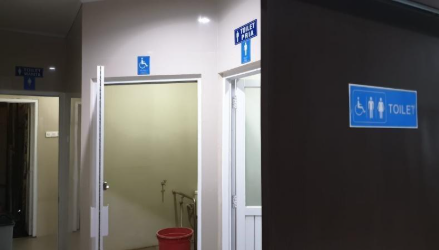
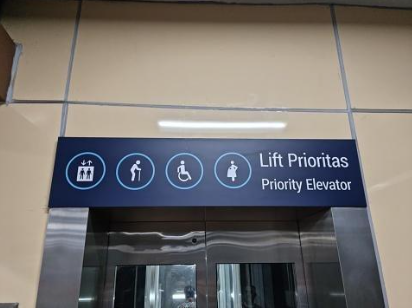
UNS extends its commitment to inclusive pedestrian access beyond outdoor pathways by providing accessibility features that connect pedestrian routes with university buildings and indoor facilities. These include ramps and accessible building entrances that connect outdoor pedestrian areas to indoor spaces. The university also provides disability-friendly lifts in several campus buildings to support vertical access for people with disabilities and individuals with mobility limitations.
A notable example is the disability-friendly lift installed at the Soetomo Darsowiratmo Building, Faculty of Mathematics and Natural Sciences (FMIPA UNS), which began operating in August 2025. The facility includes accessibility features designed to improve access to different floors, supporting more independent movement for members of the faculty community with disabilities. These facilities complement the pedestrian network by ensuring access continues beyond the building entrance and into the university’s academic and administrative facilities.
UNS also provides disability-friendly toilets and designated parking and drop-off areas near selected campus buildings. These facilities reduce access barriers and make it easier for people with disabilities to reach university destinations.
References:
7. Designated Drop-Off Areas and Parking Spaces for Persons with Disabilitie
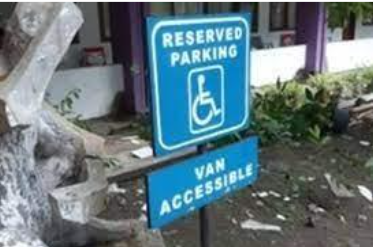
UNS provides designated drop-off areas and dedicated parking spaces to improve access to campus buildings for students, lecturers, staff, and visitors with disabilities. These facilities are located near selected university buildings, including the Rectorate, Central Library, and several faculty buildings, allowing vehicles transporting people with disabilities to stop closer to building entrances and reducing the distance they need to travel on foot.
The university also provides designated disability parking spaces at strategic locations near building entrances. Combined with accessible pedestrian pathways and ramps, these facilities create a more integrated and inclusive access system, ensuring people with disabilities can reach university facilities more conveniently and safely.
References:
8. Disability-Friendly Lifts with Braille Features
UNS provides disability-friendly lifts in several campus buildings to improve vertical accessibility for students, lecturers, staff, and visitors with disabilities. The university’s official Green Campus information identifies lifts with Braille buttons and wheelchair-accessible cabins as part of its inclusive campus infrastructure.
A notable example is the new lift at the Soetomo Darsowiratmo Building, Faculty of Mathematics and Natural Sciences (FMIPA UNS), which began operating in August 2025. The facility was introduced to improve access to academic facilities for all faculty members, including people with disabilities. These facilities complement accessible pedestrian pathways by ensuring that people with mobility limitations can continue their journeys within multi-story university buildings.
References: