

SDG 11 In Number
University expenditure (IDR)
1,561,027,263,159
University expenditure on arts and heritage (IDR)
220,320,172,206
11.4.2 Promote Sustainable Commuting
Promoting Sustainable Transportation and Low-Emission Mobility at UNS
Universitas Sebelas Maret (UNS) promotes sustainable commuting by encouraging students, lecturers, and staff to adopt environmentally friendly transportation options. The university has implemented several initiatives to reduce reliance on private motor vehicles and encourage shared transportation, bicycles, electric vehicles, and other low-emission mobility options. These efforts include free campus bus services, bicycle-sharing facilities, dedicated cycling infrastructure, electric vehicle facilities, and policies that restrict conventional motor vehicles on designated days. Through these initiatives, UNS integrates sustainable transportation practices into daily campus activities and supports a greener, more sustainable campus environment.
1. Free Campus Bus Services and Integration with Public Transportation

UNS provides free campus bus services to facilitate daily transportation for students, lecturers, and staff. The buses operate regularly from Monday to Friday and serve designated stops across the campus, connecting major academic and administrative facilities. The service provides a convenient shared transportation alternative for campus users who would otherwise rely on private motorcycles or cars for travel between university buildings.
Bus shelters also support the campus bus system, connecting faculty buildings and other key campus facilities. These services are integrated with regional public transportation, including Batik Solo Trans (BST), which serves routes around the UNS campus. This connection allows passengers to transfer between city buses and campus transportation, making public transportation a more practical option for daily commuting.
Through free campus transportation and supporting infrastructure, UNS encourages shared mobility, reduces dependence on individual motor vehicles, and promotes more sustainable travel within the university.
References:
2. Bicycle Sharing and Cycling Facilities
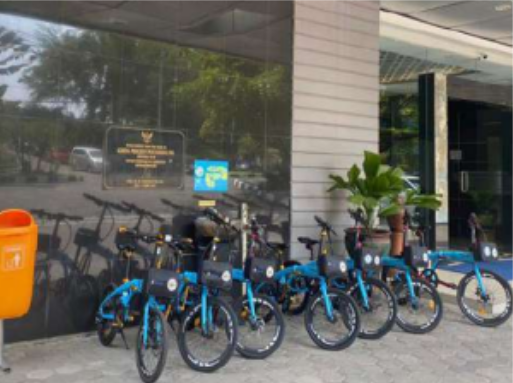
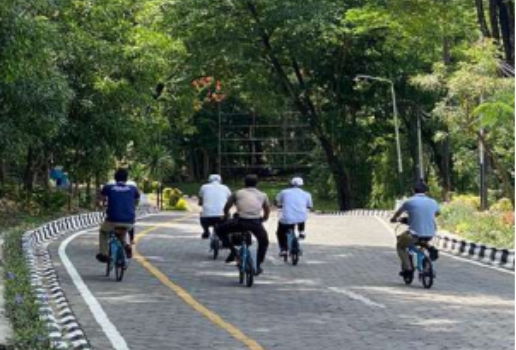
UNS encourages cycling as an environmentally friendly alternative to motorized transportation by providing bicycles free of charge for students and employees. Previous Green Campus documentation records approximately 20 bicycles operating on campus, allowing members of the academic community to travel between faculties and other university facilities without using fuel-powered vehicles.
To support bicycle use, UNS has also provided bicycle parking facilities at strategic locations across campus, including designated bicycle parking racks near faculty buildings. The university’s 2026 Zero-Emission Vehicles documentation records bicycle parking facilities at 14 campus locations. In addition, designated cycling lanes support safer bicycle movement and encourage the use of personal and university-provided bicycles. The university’s supporting infrastructure for cyclists also includes shower facilities.
These facilities make cycling more convenient by providing access to bicycles, secure parking, and dedicated cycling infrastructure. Through these measures, UNS actively encourages its academic community to adopt cycling for short-distance campus travel.
References:
3. Electric Vehicles and Charging Infrastructure
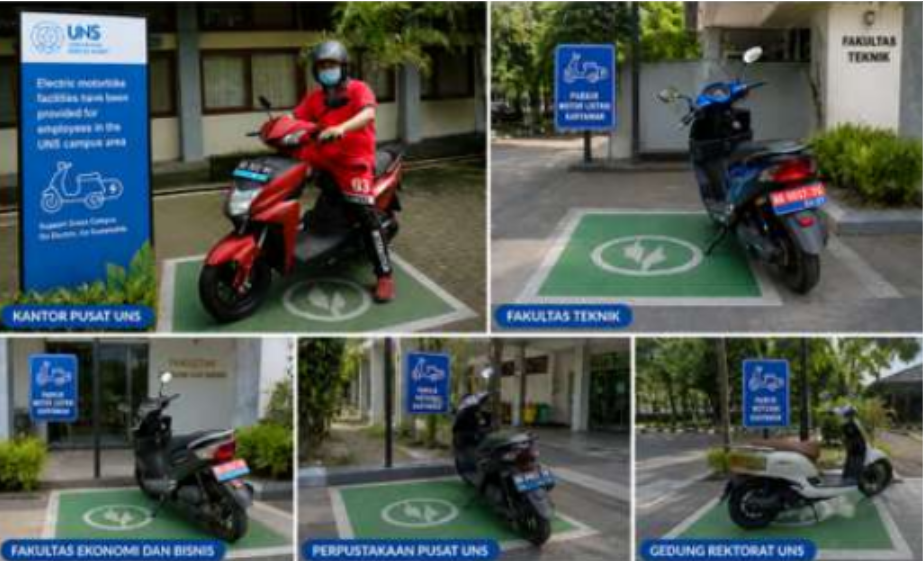
As part of its Green Campus initiative, UNS promotes electric vehicles to support low-emission transportation across the university. The university provides electric bicycles for staff and electric motorbikes for operational purposes, including campus security and internal mobility. These vehicles offer alternatives to conventional fuel-powered transportation for university operations and movement between campus facilities.
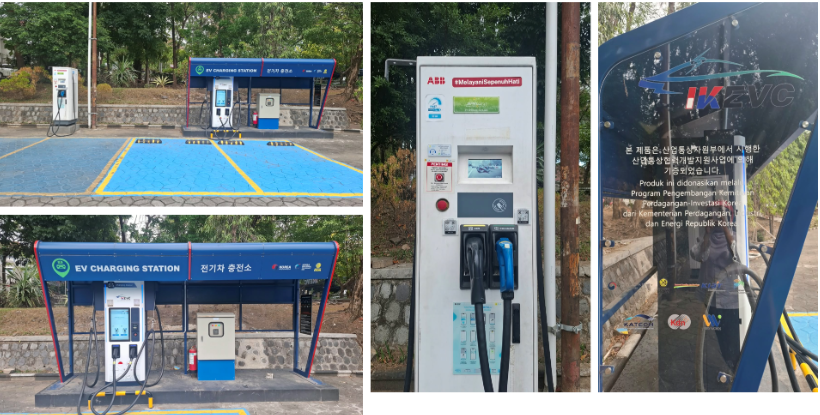
UNS has also established electric vehicle charging infrastructure at four strategic locations on the main campus. These charging stations function similarly to conventional gas stations but are dedicated to recharging the batteries of electric vehicles, including electric bicycles, cars, buses, and motorcycles. Certain locations are equipped with fast-charging systems. Furthermore, some of the charging infrastructure—notably at the Faculty of Engineering—is integrated with solar panel systems to promote the use of cleaner energy.
By providing electric vehicles and supporting charging infrastructure, UNS facilitates the transition to cleaner transportation technologies and reduces reliance on fossil-fuel-powered vehicles for campus mobility and operations.
Reference: UNS Zero-Emission Vehicles Policy on Campus – UI GreenMetric Evidence
4. Emission-Free Day Policy

UNS implements an Emission-Free Day policy to encourage sustainable commuting and reduce the use of conventional motor vehicles on campus. The university introduced the program in July 2020 under its Green Campus initiative and later expanded it through Rector’s Notification No. 87/UN27/HM.06.00/2023, which set implementation for the first and third Fridays of each month.
During Emission-Free Day, access for conventional fuel-powered cars and motorcycles is restricted within the campus area. Students, lecturers, staff, and visitors are encouraged to use bicycles, electric vehicles, campus-provided public transportation, or other emission-free transportation options. The policy applies to campus mobility activities during the designated period, giving the academic community opportunities to adopt more environmentally friendly travel practices.
Campus transportation facilities support the initiative, including free campus buses and electric golf cars, which provide alternative mobility options when conventional vehicles are restricted. Through this policy, UNS combines vehicle-use restrictions with alternative transportation to encourage behavioral changes toward sustainable commuting.
References:
5. Electric Shuttle and Shared Mobility Services

In addition to its regular campus bus services, UNS provides electric shuttle vehicles to support internal campus mobility. Electric golf cars transport students, lecturers, and staff between designated campus locations, particularly during Emission-Free Day and Friday prayer activities. These vehicles offer shared transportation for short-distance travel and help maintain campus mobility when access to conventional motor vehicles is restricted.
UNS has also operated electric buses during selected university events and special occasions as part of its efforts to introduce cleaner transportation alternatives. These electric shuttle services demonstrate the university’s commitment to incorporating low-emission vehicles into campus transportation operations.
These shared mobility facilities complement the university’s free campus bus services and electric bicycle provisions, offering additional transportation alternatives for the academic community while supporting reduced conventional vehicle use on campus.
References:
6. Parking Management and Restrictions on Private Vehicles
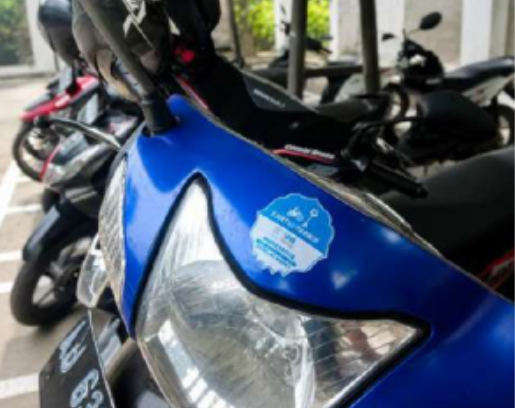
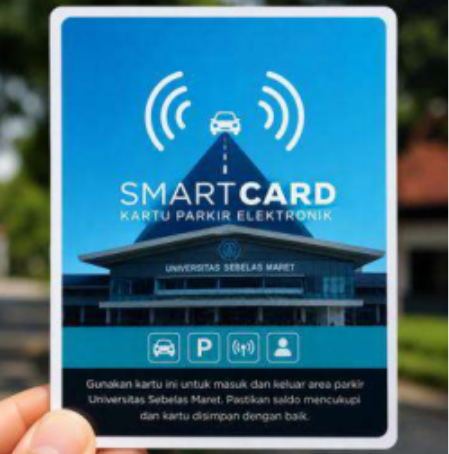
UNS also implements parking management measures to support its sustainable transportation initiatives and limit the growing use of private motor vehicles on campus. These measures include vehicle entry controls using Radio Frequency Identification (RFID), parking permits through vehicle stickers, designated parking areas, and restrictions on unauthorized on-street parking.
The university has also developed multi-story parking facilities to organize vehicle parking more efficiently and reduce the need for extensive surface parking areas. These measures form part of a broader campus transportation management approach that complements free campus buses, cycling facilities, and Emission-Free Day policies.
By combining parking management with alternative transportation facilities, UNS seeks to create a campus environment that encourages more efficient mobility and reduces excessive reliance on private vehicles.
References:
Conclusion
Through its free campus bus services, bicycle-sharing facilities, electric vehicles, charging infrastructure, Emission-Free Day policy, and supporting parking management measures, UNS demonstrates its commitment to promoting sustainable commuting across the university. These initiatives provide practical alternatives to conventional private motor vehicles and encourage students, lecturers, and staff to adopt more environmentally responsible transportation practices.
By combining accessible shared transportation, cycling facilities, low-emission vehicles, and institutional policies, UNS integrates sustainable mobility into its daily campus operations. These efforts contribute to Sustainable Development Goal (SDG) 11: Sustainable Cities and Communities, particularly by promoting sustainable transportation practices, reducing dependence on conventional motor vehicles, and supporting an environmentally responsible campus community.